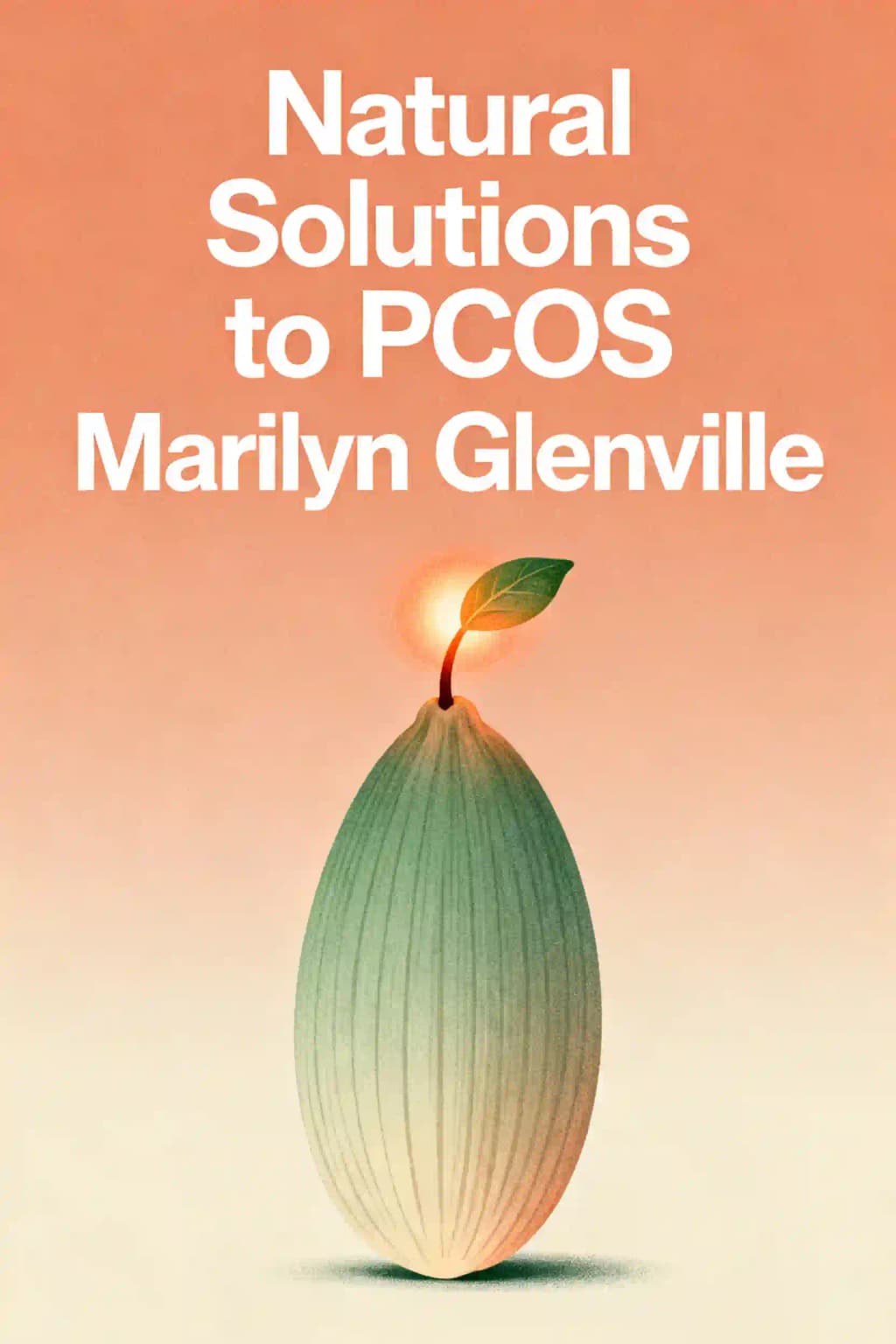
Natural Solutions to PCOS
How to Eliminate Your Symptoms and Boost Your Fertility
Visão geral de Natural Solutions to PCOS
Discover the revolutionary guide transforming PCOS treatment through natural methods. Dr. Glenville's 7-step approach has empowered countless women to reclaim control without medication. "An essential read for women living with the disease," according to Publishers Weekly. What hormonal secrets could change your life?

Temas principais em Natural Solutions to PCOS
- hormonal balance
- insulin resistance management
- natural fertility enhancement
- pcos diet
- androgen regulation
Citações de Natural Solutions to PCOS
PCOS creates a complex and destructive cycle of hormonal imbalance.
Diagnosing PCOS remains inconsistent among medical professionals.
Weight gain worsens this metabolic cycle.
The name itself is somewhat misleading.
Mental health impacts are also considerable.
Personagens de Natural Solutions to PCOS
- Marilyn GlenvilleAuthor and expert in natural women's health
- Irving SteinDoctor who first identified the syndrome in 1935
- Michael LeventhalDoctor who co-identified the syndrome in 1935
Baixar resumo de Natural Solutions to PCOS
Obtenha o resumo de Natural Solutions to PCOS como PDF ou EPUB gratuito. Imprima ou leia offline a qualquer momento.
Perguntas Frequentes Sobre Este Livro
Natural Solutions to PCOS provides a holistic approach to managing polycystic ovary syndrome through diet, supplements, and lifestyle changes. Dr. Marilyn Glenville outlines a 7-step plan to alleviate symptoms like weight gain, irregular cycles, and infertility while reducing reliance on medications. The book emphasizes balancing hormones naturally and includes guidance on surgical alternatives and fertility preservation.
This book is ideal for women diagnosed with PCOS seeking non-pharmaceutical interventions, those struggling with fertility, or individuals aiming to manage symptoms like acne and excess hair growth. It’s also valuable for healthcare practitioners looking to integrate nutritional strategies into PCOS treatment plans.
Yes, reviewers praise its actionable advice, science-backed explanations, and clear structure. Readers highlight its effectiveness in providing a “concrete plan” for symptom management. However, some criticize the heavy promotion of pricey supplements sold on Glenville’s website.
Glenville’s diet focuses on stabilizing blood sugar through low-glycemic foods, reducing dairy intake, and increasing omega-3-rich foods. It emphasizes whole grains, lean proteins, and anti-inflammatory ingredients to regulate insulin levels—a key driver of PCOS symptoms. The plan also advises meal timing strategies to optimize metabolic health.
The book provides protocols to improve ovulation regularity and egg quality using targeted nutrients like myo-inositol and vitamin D. Glenville debunks myths about PCOS-related infertility, offering pre-conception guidelines and strategies to reduce miscarriage risk through dietary changes and stress management.
Key recommendations include cinnamon for insulin sensitivity, magnesium for cramp relief, and zinc for hormone balance. Glenville also advocates for adaptogenic herbs like ashwagandha to combat stress-induced hormonal disruptions. She cautions against self-prescribing and emphasizes personalized dosing.
While acknowledging the role of medications like metformin, Glenville argues they address symptoms rather than root causes. She critiques hormonal contraceptives for masking PCOS signs and provides evidence-based alternatives to laparoscopic ovarian drilling.
Glenville holds a PhD from Cambridge University, is a Fellow of the Royal Society of Medicine, and has 30+ years of clinical experience. Her recommendations align with emerging research on PCOS and insulin resistance, though some critics note a lack of large-scale trials for specific herbal protocols.
Non-diet strategies include high-intensity interval training (HIIT) to improve insulin sensitivity, stress-reduction techniques like yoga, and sleep hygiene practices. Glenville also advises reducing exposure to endocrine-disrupting chemicals in plastics and cosmetics.
Unlike generic PCOS guides, Glenville’s book specifically targets nutritional biochemistry and fertility challenges. It’s frequently compared to The PCOS Diet Plan by Hillary Wright but differs in its stricter anti-dairy stance and emphasis on pre-conception optimization.
Yes, the book links PCOS-related weight gain to insulin resistance and provides tailored macros (40% complex carbs, 30% protein, 30% fats) to promote sustainable loss. Case studies show average reductions of 5-7% body weight within three months when combining the diet with recommended exercises.
Despite being published in 2012, its focus on anti-inflammatory diets and personalized nutrition remains aligned with 2025 wellness trends. However, readers should supplement with newer research on topics like GLP-1 agonists’ role in PCOS management.