Capítulo 1
The Miracle of Recovery: Finding Freedom Through Living Clean
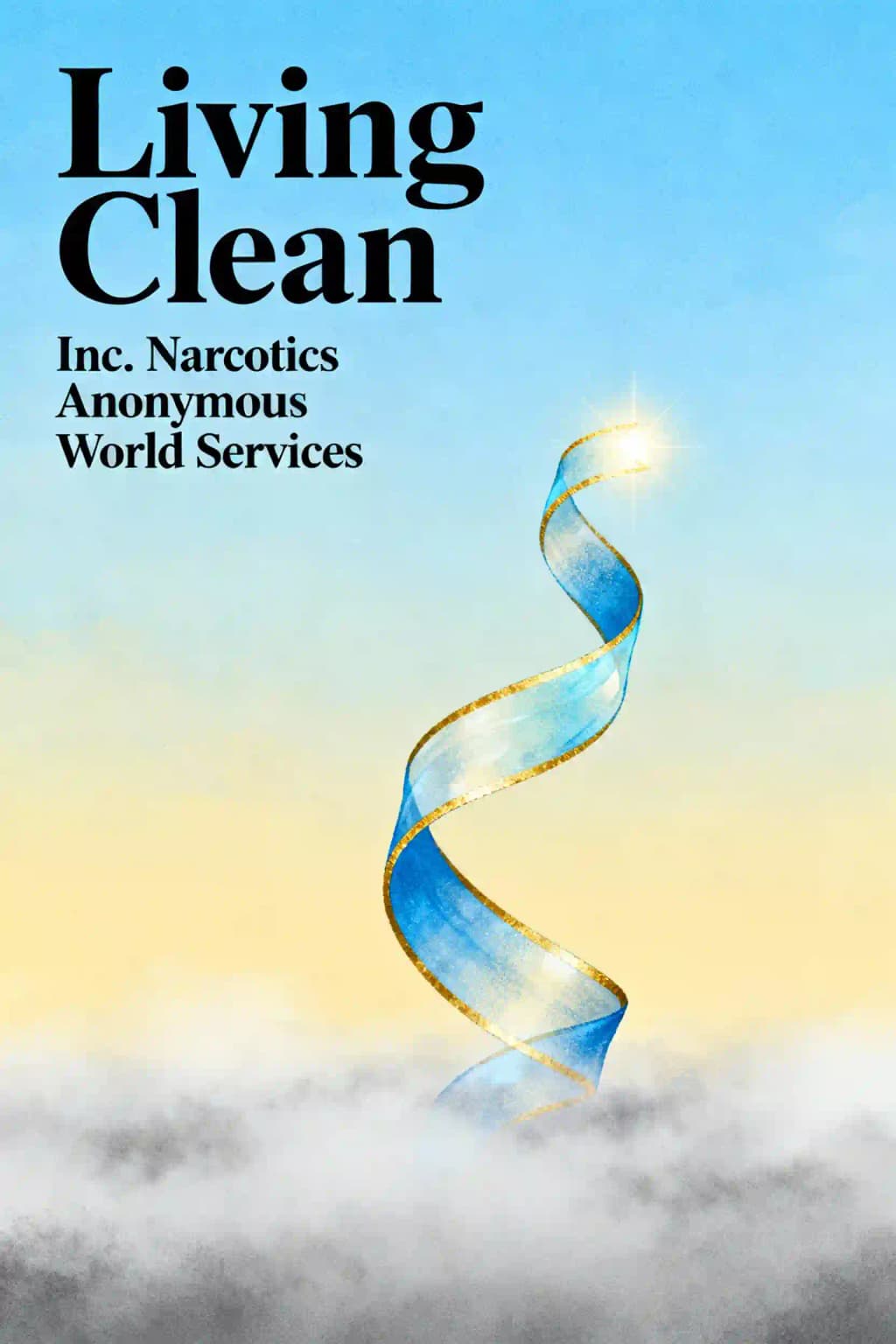
Imagine waking up one day to find that the chains of addiction that once bound you have transformed into wings of possibility. This is the journey described in "Living Clean," a spiritual guidebook that has helped countless individuals not just survive addiction but thrive in recovery. Since its publication in 2012, this book has become a cornerstone text for Narcotics Anonymous members worldwide, offering hope where despair once ruled. Celebrity recovery advocates like Robert Downey Jr. and Russell Brand have publicly championed the principles found within NA literature, highlighting how these teachings extend far beyond addiction to touch universal human struggles. What makes this book particularly powerful is its collaborative nature-written not by a single expert but through the collective wisdom of thousands of recovering addicts who have walked the path from desperation to passion, from isolation to connection, from merely existing to truly living clean.
Capítulo 2
The Journey Begins: From Desperation to Hope
Living clean is a lifelong journey where the NA program provides tools to build a hope-filled life. The program offers more than just escape from desperation-it's a path, process, and way of life that transforms us in expected and unexpected ways. Our willingness initially comes from suffering, but soon we experience moments of joy like seeing color for the first time.
What matters most is what we do, not what we think about recovery. This spiritual process shows us the world is bigger than we imagined and more accessible than we feared. We discover opportunities, follow-through abilities, and deep connections with others that often surpass family bonds.
As we practice principles in all our affairs, they become more natural. Honesty, initially requiring conscious effort, gradually becomes our normal state. We often don't notice our defects being removed until we fall back into old behaviors and find them uncomfortable.
We break free from self-made prisons to explore our talents, act on our values, and live authentically. Our recovery path is rarely straight-what seemed like poor decisions sometimes lead to our greatest opportunities. Recovery isn't standardized; we all progress differently through recognizable landmarks, with periods of intense growth and subtle change.
Eventually in recovery, we face unfamiliar challenges that trigger overwhelming emotions. Even positive life changes can create feelings of not belonging. Sometimes emotional cascades begin without apparent cause, making us feel cornered despite stable circumstances.
The only way forward is through-rolling up our sleeves and doing the work. We need others who've survived similar passages to guide us. When we listen with open hearts, we find people who've walked our path and stayed clean. Through this process, we develop empathy, compassion and gratitude, discovering that our painful experiences can help others.
A pivotal transition occurs when we move from desperation to passion-becoming motivated by hope rather than fear. We discover we can handle more than we thought possible when we stop controlling the uncontrollable. We learn we're part of something larger, connected to others, our Higher Power, the world, and surprisingly, ourselves.
Capítulo 3
Finding Ourselves: The Journey to Authentic Identity
Setting ourselves free takes time. Our addiction warped our personalities, and early recovery brings confusion and change. We not only change but uncover who we were all along-finding ourselves in what the Second Step calls restoration, perhaps to a state we've never experienced before.
Our identity includes what makes us different and what makes us the same as others. In active addiction, we became nothing but our disease. Clean, we discover who we are-some returning to a lost identity, others uncertain of who they might be. Past experiences and labels can limit our self-perception, while emotional traumas can seem to define us. We learn to reconcile our past with who we're becoming, free to learn from our history without being trapped by it.
Our sense of self often lags behind our reality. We may sabotage ourselves when life feels too different from what we knew. Gradually, we learn that unmanageability comes from our choices, and new choices change our lives. Some of us awaken lost dreams; others find new dreams better suited to who we've become. Many punish ourselves, feeling unworthy of joy until NA tools help break these patterns.
Members who are recovering and happy seem to shine with spiritual light-surprisingly resilient, having survived addiction. Nurturing this light involves both feeding our passion and removing what hides us from ourselves. Our defects "grow in the dark," while in recovery's light, our assets blossom.
Building a relationship with something greater than ourselves begins with our first approach to the steps and continues throughout recovery. Some structure their days around spiritual disciplines; others try to live their lives as prayers. However we practice it, this relationship shapes our understanding of who we are. When in tune with a Higher Power, we flow more easily with life's currents.
After years clean, we may question whether "addict" still defines us and whether we belong in NA. These questions can deepen our relationship with recovery. Finding security to question our foundation actually helps solidify it for life. During times of doubt, "fake it 'til ya make it" becomes counterproductive-we need brutal honesty about our feelings and beliefs. From these moments of doubt can grow a faith truly our own.
Capítulo 4
The Power of Connection: Building Meaningful Relationships
We build foundations in recovery that support the skyscrapers of our new lives-careers, education, families, and personal growth. These foundations require regular maintenance and reinforcement as we evolve and face new challenges. The tools that helped us initially-meetings, sponsorship, step work-remain valuable cornerstones, but sometimes aren't enough alone to address more complex life situations. When we reach these growth points, experienced members remind us that deeper work with the steps provides answers, offering fresh perspectives on familiar principles.
Our perception of connection fluctuates throughout recovery-some days we easily identify with others' stories and struggles; other days we notice only differences and feel isolated. When differences become our primary focus, it often signals deeper discomfort with ourselves rather than true incompatibility with others. Self-obsession and personality conflicts both distract from our primary purpose and can indicate areas needing attention in our recovery. The Tenth Step helps us nurture healthy growth while pruning problematic patterns, offering daily opportunities to correct course and maintain emotional balance.
Regular meeting attendance creates a vital community where others can see patterns in us we might be blind to ourselves. Sometimes complete strangers point out positive qualities we've never recognized, while familiar members gently identify recurring struggles we need to address. Through these varied reflections, we witness our own transformation from multiple perspectives, gaining a more complete picture of our growth.
Compassion becomes a crucial tool, helping us stop comparing ourselves to others and recognize our fundamental equality despite surface differences. The diversity in meetings-people from all socioeconomic backgrounds, cultures, and life experiences sharing openly-often provides newcomers their first genuine experience of inclusion and acceptance without conditions.
Many initially seek others with similar backgrounds, professions, or substances of choice, feeling that only someone "like them" could truly understand their experience. This can create frustration when we don't immediately find our "perfect match." Yet most discover that despite initial discomfort, we thrive in diversity. We often form unexpected and profound connections with people seemingly unlike us, finding shared feelings, fears, and hopes beneath surface differences.
Twelfth-Step work-reaching out to newcomers-shifts our focus outward and often provides the most powerful medicine for our own struggles. Though we might justify avoiding newcomers as "protecting our energy" or "self-care," we deprive ourselves of witnessing recovery's miracle in action. Sometimes the most valuable gift we can offer is simply being present, ensuring someone doesn't face their darkest moments alone. By bringing sponsees along on Twelfth-Step calls, we teach them outreach skills while creating a buffer that protects us from taking on others' pain too directly.
Every choice in recovery defines us and comes with both consequences and opportunities-options left behind and new doors opened. We can get lost in "what if" thinking about paths not taken, but NA helps us live peacefully with both the consequences and benefits of our transformation. Though our individual destinations differ, our journeys share common elements and challenges. We travel through many identities and phases before finding genuine self-acceptance, using shared tools and collective wisdom to propel ourselves forward in recovery.
Capítulo 5
Awakening to Spiritual Life: Beyond Religion to Connection
The steps form a path to spiritual growth, with no separation between the "spiritual part" and the rest of our program. Like facets of a diamond inseparable from the stone, spiritual aspects aren't separate parts but perspectives on the whole. Spiritual principles provide language through which we develop values and learn to live by them, connecting our beliefs, actions, and motivations.
Addicts experience a particular awakening through working the steps-we awaken to our own spirituality, becoming newly alive to the world around us. For some, the most important awakening happens when first entering NA, with the rest of recovery spent understanding it. For others, awakening occurs in layers, like fog gradually pulling back to reveal more on the horizon.
Each addict follows their own spiritual path, discovering harmony with their understanding of God, themselves, and others. There's no single recipe for spirituality-each finds their own way, giving both freedom and responsibility.
While spirituality is central to NA, the program accommodates all beliefs, including those with none. Our right to personal spirituality is unconditional, as is our obligation to grant that right to others. The traditions remind us that NA doesn't endorse any single spiritual path.
Finding a God of our understanding is deeply personal yet we need not feel alone in our search. Parts of this journey remain beautifully private and unspeakable, while other aspects benefit from sharing. The Traditions teach us that personal recovery matters while unity must come first-principles that aren't contradictory but require thoughtful reconciliation.
NA welcomes all beliefs-many members remain atheists for decades in recovery. Some find that accepting NA's accommodation of atheism itself requires faith. Our individual challenge is finding spirituality that makes personal sense. By listening openly to diverse experiences, we form our own understanding.
As our behavior aligns with our beliefs, we develop a truer sense of self. Through inventory and self-observation, we sometimes feel defined by our defects, but we come to understand they're not our whole truth. We learn our spirit isn't separate from us but integral to who we are.
Simple spirituality becomes universal. Whether we believe in Higher Power or not, we each have a spirit-the inner light that animates us. Even when we thought our spirit dead, it was there-we just weren't communicating. Newcomers often ask when their spiritual awakening will happen, not realizing it's already begun. Though rarely a single moment, we eventually recognize we're awake.
Capítulo 6
Embracing Our Physical Selves: The Body in Recovery
As addicts, we often feel fragmented-spiritual yet physical, emotional yet spiritual-with parts that don't seem to form a cohesive whole. Recovery teaches us to embrace these contradictions, seeing them as a beautiful, ever-changing kaleidoscope rather than pieces that must perfectly align. While we focus heavily on addiction's mental and spiritual aspects, we often neglect the physical dimension of recovery.
A relationship with our bodies requires communication and responsibility. Many of us treated our bodies as enemies during active addiction, abusing and neglecting them through drugs, sleep deprivation, poor eating habits, and risky behaviors. Healing takes time as we learn to care for ourselves physically. The quality of this relationship fluctuates-sometimes we take good care, other times we neglect ourselves. Poor self-care often signals problems with self-esteem or priorities, while physical changes can affect our emotional state.
In recovery, we struggle with surrendering control over our bodies. We make the Third Step decision repeatedly, each time letting go a little more. Many of us feel uncomfortable in our own skin-too fat, too thin, too old, too young-and barely recognize ourselves in the mirror. When we get clean, our bodies begin healing, often resulting in weight gain that can trigger shame or even thoughts of using again.
Most addicts struggle with sexuality in recovery. We examine our beliefs and past behaviors through the Steps, working to heal from sexual shame, trauma, and confusion. Many of us find intimacy more challenging than sex itself, having used sex as a means of exchange rather than connection. Sexual abuse is remarkably common in our histories and requires safe spaces to process.
Many of us continue seeking "rushes" in recovery through extreme sports, motorcycles, or creating drama. This drive for excitement can lead to rich, adventurous lives, but sometimes we get strung out on our own adrenaline when trying to fill a void. The same energy that fuels destructive impulses can power our creativity and ambition-it's either an asset or defect depending on how we channel it.
Taking care of ourselves becomes an adventure as we discover we can go beyond self-imposed barriers through surrender. We shift from "I should" to "I get to" when caring for our health, seeing it as privilege rather than obligation. Exercise becomes spiritual practice for some, offering mental clarity and connection. Self-care becomes part of our amends process as we learn to honor our bodies with respect.
Capítulo 7
Healing Relationships: From Isolation to Connection
Recovery doesn't happen in isolation-we need each other and engagement with the world to recover. Living clean revolves around relationships with ourselves, loved ones, fellow members, society, and our Higher Power. People in our lives become the means through which we experience grace, seeing the miracle of change in others while they reflect our own transformation.
When NA began, the idea that addicts could recover within society rather than being removed from it was revolutionary. For many today, what's truly radical about recovery is the deep love and intimacy we experience with other members. As we stay together in fellowship, we develop profound affection and trust that transcends the inevitable conflicts we encounter. These bonds not only hold us together but nourish our ongoing growth.
In early recovery, we often connect with whoever is available, reaching out in crisis without discernment. As we grow, we become more selective about our confidants, recognizing elements of healthy relationships and developing greater trust. Our Third Tradition ensures we remain accepted despite mistakes, allowing us to experience different types of friendships and conflicts within a safe environment.
Family relationships often present our greatest challenges in recovery. Our feelings about family members are rarely simple-sometimes viewing childhood through rose-colored glasses, other times remembering only pain. Whether they remain in our lives or not, these relationships require attention before formal Ninth Step amends.
Having children transforms our perspective on our own childhood and parents. We desperately want to parent "correctly," sometimes becoming so focused on theories that we forget parenting is fundamentally a relationship. Recovery principles like careful listening and reducing self-obsession directly apply to parenting.
Making amends is essential to free ourselves from guilt and shame, but it's more than just a conversation. It requires honest self-examination and tangible life changes before we ever speak to those we've harmed. Living our amends means making our behavioral changes reliable and consistent, regardless of whether others forgive us or change themselves.
The Basic Text suggests exploring what we want, what we ask for, and what we get in romantic relationships. This simple framework helps us apply recovery tools to change our behavior and experience of intimacy. By checking our motives and practicing honesty, courage, and faith, we open ourselves to love, acceptance, and trust.
In NA, we don't need to love ourselves before loving others-we experience empathy that grows into something greater. Our relationships with others struggle until we develop relationships with ourselves and our Higher Power, yet these relationships mutually enrich each other. Learning to respect the spirit in others means acknowledging everyone has their own path guided by spiritual principles.
Capítulo 8
Creating a New Way of Life: Beyond Survival to Thriving
Our literature tells us we become "acceptable, responsible and productive members of society," while cautioning that "Social acceptability does not equal recovery." Our definitions of success are individual-some enter recovery with careers intact while others celebrate securing stable housing. What unites us is wanting freedom and respect without pretending to be someone else.
Years into recovery, we still embrace the principle that we're not interested in connections, past actions, or possessions-only in helping with the problem of addiction. Finding our place in society is merely a means to achieve our goals, not the goal itself. We hide behind various screens, from rigid conformity to outright hostility. When seeking approval becomes more important than recovery, we become vulnerable to relapse.
Stability begins within-it's not about possessions, partners or money. The security we seek comes from inner peace, connection with a Higher Power, and relationships with others. For some, stability starts with a fixed address or regular home group attendance. Others need to break free from their old lives to find themselves. We learn we're not powerless over everything-just our addiction and the past. Beyond that, we can make choices and shape our lives.
Our perception shapes our experience. We may feel grounded during chaos or unsteady when everything seems fine. We can transform setbacks into endless dramas or simply accept them and move forward. Often, we're limited not by circumstances but by self-imposed barriers and brutal self-criticism. Learning to give ourselves a break is crucial for growth and change.
NA offers different metrics for success than the outside world-staying clean, helping others, and maintaining a relationship with a Higher Power. We struggle to remember this during turmoil. Our disease tells us things were "always like this," whether we're doing well or poorly.
The tools of recovery serve us in all areas of life. Imagination helps us explore our hearts, while prayer and meditation teach us to recognize our inner truth. Trusted friends help distinguish truth from compulsion. Willingness without action remains fantasy.
Having faith in ourselves can be harder than faith in a Higher Power. Many take time to believe they can contribute meaningfully to the world. Doing right when unobserved serves our values-this integrity forms the basis of growing maturity.
Addiction disrupts education, leaving knowledge gaps that can become sources of shame. But lack of information isn't a character defect-it's just something we don't know yet. Recovery itself is an education where we learn to read, write, care, share, practice, and show up. These transferable skills help us excel in formal learning, despite different methods.
Capítulo 9
The Journey Continues: A Lifelong Path of Growth
A spiritual awakening is just the beginning-we still have to get out of bed. Some awaken briefly then doze off again. To stay awake and alive, to keep the miracle of recovery unfolding, we must put our awakening into action by carrying the message.
Understanding principles isn't enough without application. We must apply effort, principles, and ourselves to changing our perspective and lives. During difficult times, we can forget the life we've built and love. We don't deny reality to maintain hope or gratitude-we feel our feelings but do the footwork anyway, learning not to take emotions too seriously.
Our understanding of surrender evolves, but our need for it remains constant. Initially, surrender might simply mean not using drugs, but gradually we surrender other addictive behaviors as we recognize that using is merely a symptom of our spiritual problem. We progressively let go of denial, anger, resentment, the need to be right, feelings of superiority or inferiority, shame, remorse, and fear.
Complacency manifests differently at different times, but we rarely recognize it until we're suffering its consequences. We may not identify our reservations until we confront them, and they often surprise us-not what we anticipated at all. The risk of relapse doesn't end with cleantime. Many still try to talk themselves out of qualifying for the program, thinking "Real addicts don't stay clean this long."
Eventually, we find ourselves standing where the oldtimers once stood when we got clean. We look around and realize-we're them now. While grateful for those still with us, we must remain open to learning from those who come after us or risk isolation. Anonymity means we're all equals regardless of cleantime, though remembering this can be challenging.
The desire to be of service transforms our relationship with the world. Being loving and giving extends beyond NA into all areas of our lives. We connect to the love around us through loving actions and openness to receiving help. Allowing others to help us gives them a chance to express their love and generosity. Service isn't just a committee position; it's a posture of the heart-a way of life applicable everywhere.
The spirit of love we express in NA is our most powerful asset-"the flow of life energy from one person to another" that revives addicts in the rooms. When practicing Step Twelve fully, love becomes central to everything we do, serving as the ultimate antidote to addiction's despair. The compassion we learn to offer newcomers gradually extends to our families, others around us, and eventually ourselves.
Recovery's path may narrow as we become unwilling to repeat mistakes, but then unexpectedly opens to freedom. We move to our own rhythm, continuing an inward journey of learning and sharing that never ends. What began as desperation transforms into passion for caring and giving. We live with dignity, integrity, and grace-knowing improvement remains possible. The more progress we witness, the more we recognize as possible. What started as an escape becomes an entrance to unimagined joy, hope, and endless growth.




![[PDF] The Twelve Step Program - Big Book Guide](/_next/image?url=https%3A%2F%2Fd1y2du6z1jfm9e.cloudfront.net%2Fassets%2Fpodcast%2Fyellow.png&w=1024&q=50)