Capítulo 1
Shadows of Lilac: A Tale of Courage, Survival, and Redemption
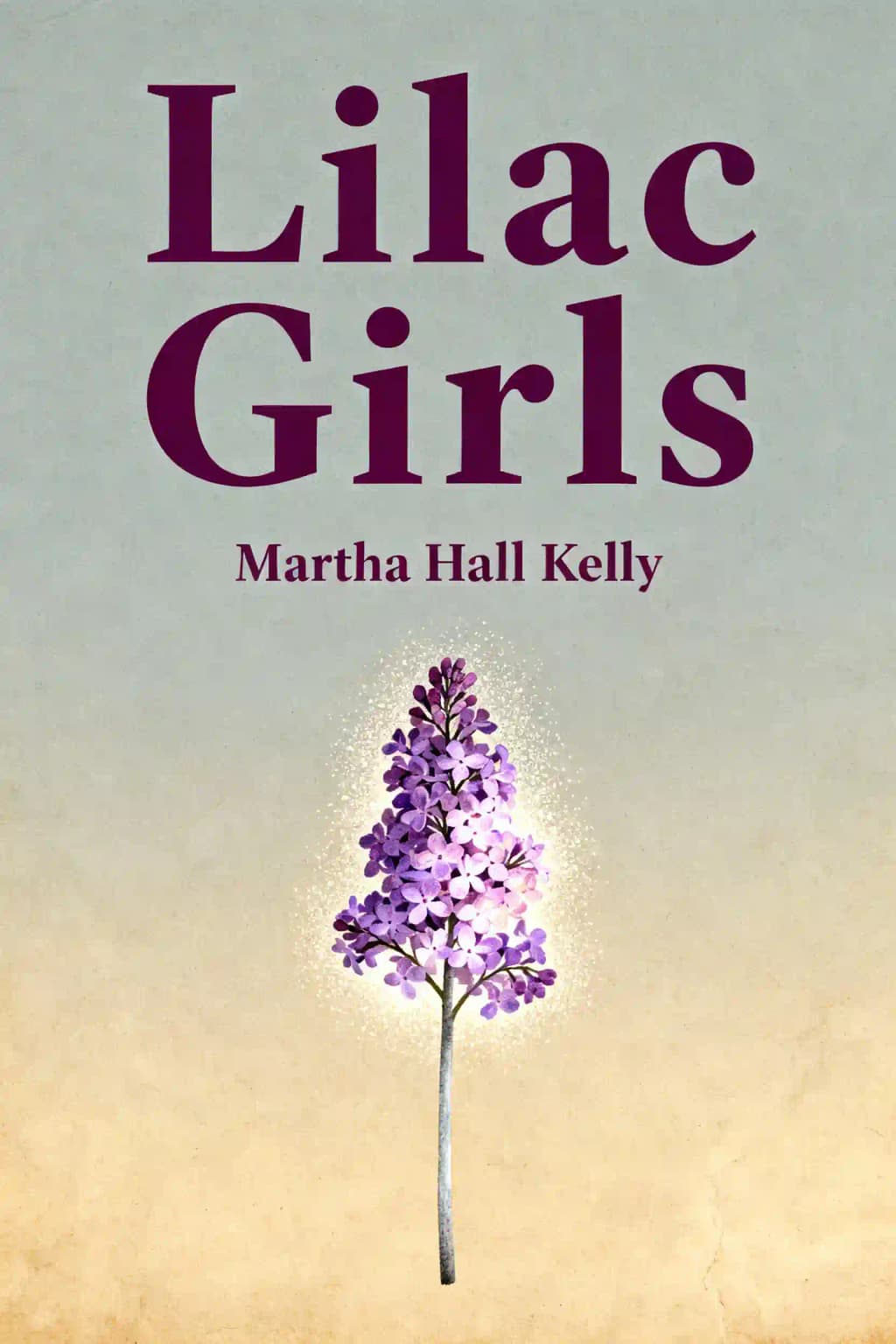
In 2017, Martha Hall Kelly's debut novel "Lilac Girls" took the literary world by storm, becoming an instant New York Times bestseller and captivating readers with its powerful portrayal of three women whose lives intersect during World War II. The novel has since been translated into over 30 languages and remains a book club favorite, praised by Oprah's Book Club and recommended by Reese Witherspoon. What makes this historical fiction particularly compelling is that it's based on real events and real people-most notably Caroline Ferriday, whose Connecticut home with its famous lilac gardens inspired Kelly to uncover the forgotten story of the "Rabbits" of Ravensbruck concentration camp. Through meticulous research and powerful storytelling, Kelly brings to life one of the most harrowing yet inspiring stories of female resilience during humanity's darkest hour.
Capítulo 2
Three Women, Three Worlds Colliding
"Lilac Girls" unfolds through the alternating perspectives of three remarkable women whose lives become inexorably intertwined by the horrors of World War II. Caroline Ferriday, a former Broadway actress turned New York socialite, works at the French Consulate in Manhattan, sending care packages to French orphans. Kasia Kuzmerick, a Polish teenager, becomes an underground courier for the resistance movement after Germany invades her homeland. And Herta Oberheuser, an ambitious German doctor, joins the Nazi party seeking professional advancement in a male-dominated field.
The narrative begins in September 1939 as Germany invades Poland, setting these three lives on a collision course. Caroline falls in love with a married French actor named Paul Rodierre just as Europe descends into chaos. Kasia's resistance activities lead to her arrest along with her mother and sister, landing them in Ravensbruck, the notorious women's concentration camp. Meanwhile, Herta accepts a position at Ravensbruck, where she performs horrific medical experiments on healthy Polish women, including Kasia.
The novel spans nearly two decades, following these women through the war and its aftermath, exploring how they navigate trauma, guilt, and the possibility of redemption. Kelly masterfully weaves together their stories, creating a tapestry that reveals both the depths of human cruelty and the heights of human compassion.
Capítulo 3
The Price of Resistance: Kasia's Journey
Kasia's story represents the millions of ordinary Polish citizens whose lives were shattered by Nazi occupation. Initially, we meet her as a spirited teenager who joins the Polish underground resistance with her boyfriend Pietrik after witnessing German soldiers arrest her postal worker father. Her first mission-retrieving money marked "Zegota" from her Jewish friend Nadia's abandoned home-gives her a taste of purpose amid chaos.
"If I'd known what was coming, I might have been more afraid," Kasia reflects early in the novel. "But there's something about not knowing your own limits that makes you believe anything is possible."
When Kasia is arrested along with her mother Halina, sister Zuzanna, and Pietrik's sister Luiza, they're transported to Ravensbruck. The camp's deceptive beauty-flower gardens and a silver cage of exotic birds along "Beauty Road"-makes its horrors all the more disorienting. Inside, they're stripped of everything-possessions, dignity, identity. Their heads are shaved, and they undergo invasive body examinations without any regard for their humanity.
The most harrowing aspect of Kasia's experience comes when she and other Polish women are selected for experimental surgeries. Dr. Herta Oberheuser and Dr. Karl Gebhardt operate on their healthy legs, deliberately creating wounds to test the effectiveness of sulfonamide drugs. These women become known as "Rabbits" (Kroliki in Polish)-experimental test subjects who are left with permanently disfigured limbs.
Kelly's unflinching portrayal of these experiments doesn't shy away from their brutality, yet she balances this darkness with moments of profound human connection. When Kasia's friend Mrs. Mikelsky is attacked by a guard's dog, Kasia marks her body with her prisoner number before placing her "with great care along the side, like she was sleeping there-our lioness, our hope, our North Star."
Capítulo 4
The Corrupted Healer: Herta's Descent
Perhaps the most disturbing perspective in the novel belongs to Herta Oberheuser, whose transformation from ambitious doctor to war criminal illustrates how ordinary people can become instruments of evil. Kelly humanizes Herta without excusing her actions, showing how a combination of career ambition, Nazi ideology, and moral compromise led her down an unthinkable path.
When we first meet Herta, she's accompanying her ailing father to see his Jewish doctor despite Nazi prohibitions. Though she's absorbed antisemitic propaganda, she still borrows a medical book from the Jewish doctor. Later, she rationalizes keeping the book when the doctor's possessions are confiscated: "The Jews had been warned about the consequences of defying the Fuhrer."
Herta's frustration at being limited to studying dermatology rather than surgery because of restrictions on women makes her vulnerable to the opportunity presented by Ravensbruck. When offered a position at the camp, she jumps at the chance, though she's initially unsettled by Commandant Koegel's warning that "after a three-month training period, resignation would not be accepted under any circumstances."
Her moral descent accelerates when her colleague Fritz forces her to participate in killing an elderly Polish woman by injecting Evipan directly into her heart. When she questions how he can do this work, Fritz coldly states that if she left, she would simply be replaced-they had quotas from Berlin to meet. This moment marks Herta's crossing of a moral Rubicon.
"I decided to stay at Ravensbruck after learning of my father's death and my mother's need for rehabilitative care," Herta rationalizes. "My salary had become essential." Through such justifications, Kelly shows how easily moral boundaries can shift under pressure.
Capítulo 5
A Champion for the Forgotten: Caroline's Mission
Caroline Ferriday provides the novel's moral center-a woman of privilege who uses her position to help others. When we meet her in 1939, she's working at the French Consulate in New York, navigating a complicated romance with the married French actor Paul Rodierre while sending care packages to French orphanages.
Kelly portrays Caroline as someone who consistently chooses compassion over comfort. When fabric becomes scarce during the war, she and her mother repurpose her old theater costumes-"the finest velvets, silks, and cottons, each adorned with Mother's handmade mother-of-pearl buttons"-into clothing for orphaned children.
After the war, Caroline's life takes a dramatic turn when she learns about the Ravensbruck Rabbits through Anise Postel-Vinay, a French resistance fighter who was imprisoned at the camp. When Anise arrives with a severely ill Polish woman named Janina Grabowski on a stretcher, Caroline agrees to care for her. Anise then delivers the revelation that changes Caroline's life: "There are sixty-two more where she came from."
Caroline launches a campaign to bring the surviving Rabbits to America for medical treatment, facing skepticism and indifference. At the April in Paris Ball, when she mentions her work to the Duchess of Windsor, Wallis Simpson dismissively asks, "It's been how many years since the war? Doesn't their government help?"
Undeterred, Caroline enlists Norman Cousins, editor of the Saturday Review, to publish an article about the Rabbits' plight. The American response is overwhelming-thousands of letters containing donations and offers of support flood in, allowing Caroline to bring the women to the United States for medical treatment.
Kelly's portrayal of Caroline highlights how one person's determination can overcome seemingly insurmountable obstacles. When Caroline discovers that Herta Oberheuser has been released from prison and is practicing medicine again, she campaigns successfully to have her license revoked, demonstrating that justice, though delayed, need not be denied.
Capítulo 6
The Healing Power of Connection
Throughout "Lilac Girls," Kelly explores how human connection sustains us during our darkest moments. In Ravensbruck, Kasia and her fellow prisoners create a makeshift family, sharing meager resources and protecting one another. When Mrs. Mikelsky's baby Jagoda is torn away, the women's collective grief becomes a bond. Later, when selected for experimental surgeries, the Rabbits support each other through unimaginable pain.
"For what seemed like months, we lay immobilized in casts, listening to classical music playing in the Revier," Kasia recalls. "We composed hymns to bread pudding, listened to Regina's stories, and I watched a bird building its nest with human hair."
Caroline's relationship with her mother, though sometimes strained, provides another example of sustaining connection. When Caroline is devastated by Paul's reunion with his wife Rena, her mother insists she help find their missing child despite her heartbreak. "It's the Christian thing to do," she says, though Caroline is "not feeling particularly charitable." This push toward compassion even in pain becomes Caroline's defining characteristic.
Even Herta experiences moments of genuine human connection, particularly with Halina, a Polish prisoner-nurse who transforms the Revier with her efficiency. When they work together to save a guard injured in an explosion, Herta glimpses a different way of being. Later, when Halina teaches her to dance to "Foxtrot from Warsaw," Herta experiences a rare moment of joy that makes her question her choices.
Capítulo 7
The Aftermath of Trauma
Kelly doesn't end her story with the war's conclusion but follows her characters through the complex aftermath of trauma. Kasia returns to Poland with her sister Zuzanna, both bearing physical and psychological scars from Ravensbruck. Though free, Kasia struggles with rage and bitterness that poison her relationships with her husband Pietrik and daughter Halina.
"Despite our rescue, I find no joy-only growing anger in my belly," Kasia admits. Her trauma manifests in controlling behavior toward her daughter and emotional distance from her husband. When she discovers her daughter using her mother's special Kolinsky brush given by Marthe (her father's new companion), Kasia slaps Halina and breaks the brush in a moment of displaced grief and rage.
Marthe confronts her: "Your daughter needs love," she says, pointing out that Kasia can't force Halina to be something she's not. When Kasia dismisses her, saying "You're not even a mother," Marthe delivers the painful truth: "And neither are you right now, dear girl."
This moment becomes a turning point for Kasia, prompting her to reflect: "I survived Ravensbruck-how could ordinary life be harder than that?" Her journey toward healing accelerates when Caroline arranges for the Rabbits to receive medical treatment in America. The physical repair of her leg becomes symbolic of her emotional healing.
Capítulo 8
Justice and Forgiveness
The novel deeply explores the complex interplay between justice, revenge, and forgiveness in the aftermath of World War II atrocities. The Nuremberg Doctors Trial serves as the formal mechanism for accountability, with Herta receiving a twenty-year sentence - though she serves merely five years, highlighting the often inadequate nature of institutional justice. Kelly deliberately shows how legal proceedings, while necessary, cannot fully address the profound psychological and emotional wounds inflicted by wartime brutality.
The story takes a powerful turn when Caroline discovers that Herta has resumed practicing medicine in Germany, treating children in a small clinic - an ironic and disturbing echo of her past role in harming young women at Ravensbruck. Caroline's decision to contact Kasia about identifying her former torturer sets in motion a complex chain of events that forces both characters to confront their understanding of justice.
Kasia's initial reaction is visceral and raw. She fantasizes about various forms of revenge, imagining ways to expose or harm Herta. These thoughts consume her, demonstrating how trauma survivors often cling to revenge as a form of delayed justice. However, when she finally confronts Herta in the pediatric practice, the encounter transforms into something entirely unexpected - a moment of profound personal liberation.
"I sent two telegrams from the Stocksee office - one to Pietrik and Halina saying I'd be home soon, and another to Caroline confirming Herta's identity," Kasia recounts. The simplicity of these actions belies their emotional significance. By choosing official channels over personal vengeance, Kasia begins to break free from her trauma's grip. Her decision to tear up the letter she'd written to the newspaper marks a crucial turning point - a conscious choice to release herself from the burden of being her own justice-seeker.
The novel suggests that true healing often requires moving beyond conventional notions of justice. Kasia's journey home to Lublin becomes both a physical and emotional passage toward peace. Her observation that "memories of [her mother] no longer caused sharp pain" reveals how forgiveness - not of her tormentors, but of herself and her past - allows her to process grief differently. The powerful gesture of placing her mother's brushes under her sleeping daughter's pillow serves multiple symbolic purposes: it honors her heritage, acknowledges her loss, and demonstrates her determination to pass on love rather than trauma to the next generation.
Kelly's treatment of justice and forgiveness suggests that while formal accountability is crucial, personal healing often requires moving beyond the binary of justice versus forgiveness to find a more nuanced path forward. The novel shows how survivors must ultimately choose between allowing past traumas to define their future or finding ways to honor their experiences while embracing life's possibilities.
Capítulo 9
The Symbolism of Lilacs
Throughout the novel, lilacs serve as a powerful symbol of resilience and renewal, weaving together themes of survival, memory, and rebirth. Caroline's Connecticut estate, with its sprawling lilac gardens meticulously planted by her father, becomes a central metaphor for perseverance in the face of adversity. When Caroline shares lilac saplings with Kasia to plant in Lublin, she explains that her father loved lilacs because "they only blossom after harsh winters" - a truth that resonates deeply with both women's experiences of trauma and healing.
The lilac's biological need for winter dormancy mirrors the characters' journeys through darkness toward renewal. These hardy flowers require a period of cold to trigger their blooming cycle, just as the characters must endure their own periods of suffering before finding healing. Caroline's father, having survived his own struggles during the Great Depression, understood this principle intimately, making his choice of lilacs particularly poignant.
This metaphor extends beyond mere survival to encompass the complexity of healing and memory. The various shades of lilacs - from deep aubergine to palest lavender - represent the different ways trauma manifests and heals in each character. Kasia's decision to plant Caroline's lilacs at Felka's grave creates a powerful symbolic bridge between her pre-war innocence and post-war renewal. The act of planting becomes both a memorial and a promise of continuance, suggesting that even the deepest wounds can give rise to new growth.
The recurring image of Caroline's house "rising like a great white ship from a sea of purple lilacs in every shade from deep aubergine to palest lavender" serves as the novel's central visual metaphor. This striking tableau represents hope emerging from darkness, with the white house symbolizing sanctuary and the surrounding lilacs embodying the transformative power of suffering overcome. In Polish folklore, lilacs are associated with the transition from winter to spring, making them particularly significant for Kasia's story of survival and renewal.
The novel's title reference to these flowers is multilayered, drawing on lilacs' traditional symbolism of first love and memory while adding deeper resonance through the characters' experiences. In various cultures, lilacs represent different aspects of renewal - in Victorian flower language they symbolize the first emotions of love, while in Eastern European traditions they represent the triumph of spring over winter. This rich symbolic heritage enriches the novel's exploration of how people survive and rebuild after profound loss.
Capítulo 10
The Power of Bearing Witness
At its core, "Lilac Girls" is about the importance of bearing witness to both atrocity and courage. Martha Hall Kelly based her novel on exhaustive research spanning several years, including in-depth interviews with Ravensbruck survivors, visits to Caroline's extensive archives at the United States Holocaust Memorial Museum, and trips to Poland and Germany to walk the grounds where these events unfolded. By fictionalizing these events while remaining true to their essence, she ensures that stories that might otherwise be forgotten are preserved for future generations - creating a bridge between past and present that makes history immediate and personal.
The novel itself becomes an act of bearing witness, particularly to the experiences of the Ravensbruck Rabbits whose story remained relatively unknown despite its significance. Through Kasia's perspective, readers experience the full horror of the camp system: the systematic dehumanization through number assignments and uniform clothing, the deliberate destruction of family bonds, the brutal medical experiments, and the daily struggle to maintain dignity in the face of incomprehensible cruelty. Kelly's detailed descriptions of the surgical procedures and their aftermath - based on actual medical records and survivor accounts - force readers to confront the reality of what these women endured.
Caroline's campaign to bring the Rabbits to America represents another crucial form of witness. When Norman Cousins publishes his groundbreaking article about their plight in the Saturday Review of Literature, Americans respond with overwhelming generosity - sending money, clothes, and letters of support. This fictional account mirrors the real Caroline Ferriday's tireless work, which extended far beyond securing immediate medical treatment. She orchestrated a complex international effort that included arranging visas, coordinating with doctors, finding host families, and ultimately helping the women secure reparations from the German government in 1964 - a process that took nearly two decades of persistent advocacy.
The novel emphasizes how bearing witness serves multiple crucial functions: it honors the victims, holds perpetrators accountable, and creates an enduring historical record. Through Caroline's character, we see how the act of witnessing often demands action - it's not enough to simply know about injustice; one must respond to it. The story also illustrates how bearing witness can be healing, both for survivors who need their experiences acknowledged and for those who help them share their stories.
Capítulo 11
Finding Light in Darkness
"Lilac Girls" ultimately affirms that even in humanity's darkest moments, light persists. This light appears in small acts of resistance and kindness: Herr Fenstermacher, the elderly German electrician who bows to prisoners and sings news headlines while pretending to fix wiring; the Polish women who hide the Rabbits from selection; Caroline transforming her theater costumes into children's clothing.
The novel doesn't minimize suffering or suggest that all wounds can be healed. Some characters, like Luiza and Mrs. Mikelsky, don't survive. Others, like Zuzanna, face terminal illness despite their survival. Yet Kelly shows how people can create meaning even from terrible experiences.
In the novel's final scene, Kasia returns home after confronting Herta, slips her mother's brushes under her sleeping daughter's pillow, and joins her husband in bed. "For the first time in so long," she reflects, "I felt the compact go click." This simple domestic moment represents her hard-won peace-the ability to be present in her life rather than trapped in her past.
Through these three women's intertwined stories, Martha Hall Kelly reminds us that history is made not only by those who commit atrocities but also by those who resist them, those who bear witness to them, and those who work to heal their aftermath. In doing so, she creates a novel that, like the lilacs that bloom after harsh winters, finds beauty and renewal even after unimaginable darkness.
Capítulo 12
A Testament to Female Resilience
"Lilac Girls" stands as a powerful testament to female resilience in the face of war's brutality. Through Caroline's tireless diplomatic efforts, Kasia's extraordinary endurance, and even Herta's complex cautionary tale, Kelly explores the myriad ways women navigate systems designed to silence and control them. Caroline's transformation from New York socialite to determined advocate demonstrates how privilege can be channeled into meaningful action. Kasia's journey from carefree Polish teenager to concentration camp survivor reveals the depths of human resilience, while Herta's descent from ambitious doctor to willing participant in atrocity serves as a stark reminder of how moral compromise can lead to unthinkable consequences.
The novel masterfully illustrates how women's resistance took many forms during World War II - from Caroline's strategic networking and fundraising to Kasia's small acts of defiance within Ravensbruck, to the silent solidarity among the Rabbits who supported each other through unspeakable trauma. While history often focuses on battlefield heroics, equally important stories unfold in concentration camps, consulate offices, and quiet Connecticut gardens where women fight different but no less significant battles. These battles include not only survival but also the struggle to maintain humanity in inhuman conditions, the fight to be heard in rooms full of dismissive men, and the challenge of rebuilding lives shattered by war.
Kelly's narrative particularly excels in showing how the bonds between women became a crucial source of strength. The friendship between the Rabbits, the network of supporters Caroline cultivated, and even the complicated relationships between guards and prisoners all highlight how women's connections could mean the difference between survival and destruction. The author's meticulous research brings to life not only the horror of the medical experiments but also the extraordinary international campaign that brought the Rabbits' story to the world's attention.
By bringing these forgotten stories to light, Kelly ensures that the Rabbits of Ravensbruck and those who championed their cause receive the recognition they deserve. The novel serves as both historical document and inspiration, showing how individual acts of courage can ripple through generations. Like the lilacs that bloom year after year at Caroline Ferriday's Connecticut home, now preserved as a museum, their legacy continues to inspire new generations with the enduring message that even after the harshest winters, spring eventually comes. The preservation of Ferriday's home, with its gardens still blooming, stands as a living monument to the power of female perseverance and the importance of bearing witness to both humanity's capacity for cruelty and its potential for extraordinary compassion.