Capítulo 1
When Anxiety Meets the Pavement: One Step at a Time
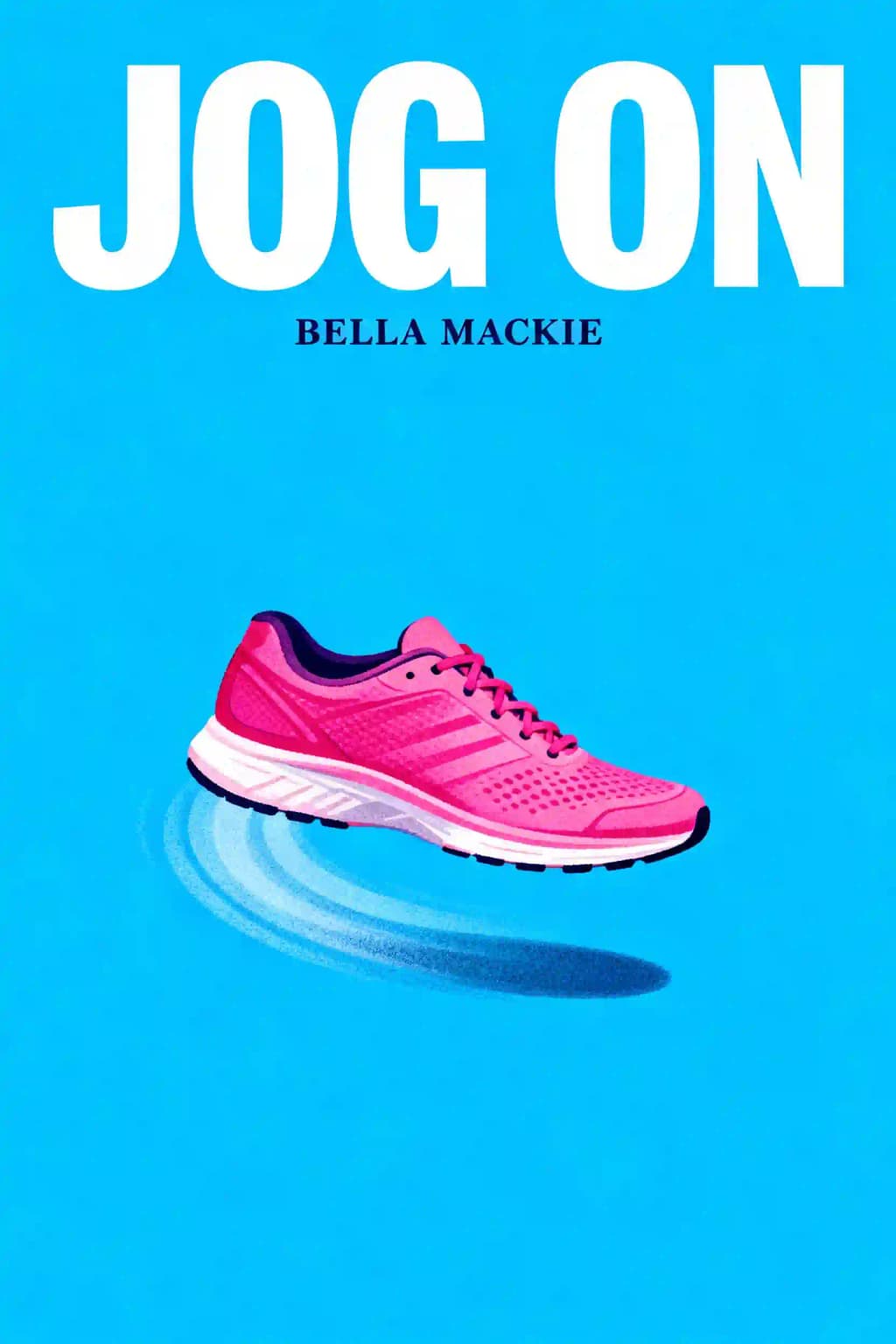
I ran for three minutes today. In the dark, slowly, not all at once. Those three minutes-more than I've ever run before-left me breathless with a stitch, yet somehow feeling better than I have in years. These opening lines of Bella Mackie's memoir "Jog On" capture the essence of a book that has become a phenomenon among those battling mental health challenges. Celebrated by everyone from anxious college students to celebrities like Fearne Cotton, who called it "honest, kind and relatable," the book chronicles how running became Mackie's unlikely salvation from debilitating anxiety.
Since its 2018 publication, "Jog On" has sparked a quiet revolution in how we view the connection between physical movement and mental health. In an era of polished Instagram wellness influencers, Mackie's raw account of stumbling through dark alleyways in old leggings while battling panic attacks offers something refreshingly authentic. The book's cultural impact extends beyond typical fitness memoirs-it's become required reading in some therapy waiting rooms and university mental health programs, proving that sometimes our most powerful medicine doesn't come in pill form, but through the rhythmic pounding of feet on pavement.
Capítulo 2
When Everything Falls Apart: Finding Strength in Movement
The collapse of Bella Mackie's marriage marked the beginning of her running journey. As she lay on her sitting room floor watching her husband walk out, her mind raced ahead to what would follow-unbearable sadness, awkward questions, embarrassment. Unlike most adults, she had no coping skills. Anxious since childhood, she'd spent her life running from problems, letting worries control her, using magical thinking and avoidance as her only tools. She'd become agoraphobic, prone to panic attacks and depression. Her anxiety had shrunk her world to suffocation.
One week into her newly single life, she had the strange urge to run-perhaps to physically escape the brain she'd been mentally fleeing her whole life. She was turning thirty, terrified she'd use the break-up to retreat further into isolation. So she put on leggings and a T-shirt and walked to a dark alleyway near her flat-close enough to home for safety, quiet enough that nobody would see her. With headphones in, she chose "She Fucking Hates Me" by Puddle of Mudd-angry enough to prevent tears. She managed thirty seconds before stopping, calves screaming. But she continued in stages, completing three minutes before giving up.
Surprisingly, she returned the next day. And the day after. Those first attempts were pathetic-seconds of shuffling followed by stopping, freezing if anyone appeared. Always in darkness, always secretive, as if transgressing. She encountered frequent disasters-shin splints, wheezing, failed hill attempts, panic attacks in dark parks, embarrassing falls. Running felt like a language she couldn't speak, something for happy, bouncy people, not neurotic smokers terrified of everything.
Despite her tendency to quit things she couldn't immediately master, she continued trudging that alleyway for two weeks. Then she ventured further, sticking to streets near her flat, always mapping escape routes. She was slow, sad and angry, but two things became clear: when running, she wasn't thinking about her failed marriage, and remarkably, she wasn't feeling anxious. Soon she reached parts of London she hadn't visited in years. Within a month, she could run through Camden's markets without fainting or breaking down-impossible if walking.
Capítulo 3
The Anxious Mind: Understanding the Beast Within
Anxiety doesn't simply go away-it controls your life, staying with you at parties, work, holidays, and even in bed. It affects daily life in ways normal worries don't. While job interview nerves might disappear afterward, an anxious person's worries mushroom and mutate despite successful outcomes. Mixed anxiety and depression are the UK's most common mental disorders, affecting 7.8% of people.
People with anxiety feel vague fear and nervousness constantly. While others might have reasonable concerns about a new job, anxious people worry about traveling to work, new routines, falling in public, panic attacks, fire exits, or even their dog dying while they're out. Anxiety manifests physically too-chest pain, dizziness, headaches, eye twitches, jumpy legs, ringing ears, hot face. Anxiety mimics serious illnesses so well that many first-time panic attacks are mistaken for heart attacks.
Anxiety differs significantly from worry. Just as depression isn't simply "feeling sad," anxiety isn't just nervousness. Common anxiety disorders include OCD, panic disorder, phobias, social anxiety disorder, PTSD, and generalized anxiety disorder.
OCD isn't about tidying cupboards-it's a nasty affliction affecting 1.2% of UK residents, involving intrusive thoughts that "stick." You might suddenly imagine harming someone you love and instead of dismissing it, you fixate on it with terror. You might develop compulsions to neutralize these thoughts, like turning light switches on and off repeatedly to prevent imagined disasters.
Panic disorder involves extreme distortions of the fight-or-flight response. While this response evolved to help us react to danger, panic attacks occur when there's no actual threat. Imagine your heart racing, skin feeling cold yet sweaty, vision blurring, and being unable to breathe. You believe you will die. Writer Eleanor Morgan describes her first attack as walls feeling "like putty" and wondering "what else, if not death, could be the end point of such physical and mental free fall?"
Social anxiety disorder goes far beyond shyness. This crippling condition involves fears of meeting new people, public speaking, embarrassment, and panic attacks during social interactions. It affects quality of life, increases substance abuse risk, and elevates suicide rates. About 5% of Britons experience some degree, with women affected more than men.
Capítulo 4
Childhood Roots: When Anxiety Takes Hold Early
Childhood should be the time when we're most physically active, yet a 2013 University College London study found British children fall short of exercise recommendations. The World Health Organisation advises children aged 5-17 get at least an hour of daily physical activity, with a Norwegian study showing that moderate to vigorous exercise in young children reduces depression symptoms years later. Unfortunately, physical activity typically decreases as children age.
Bella was determinedly sedentary as a child. Self-conscious about being chubby with little team spirit, she avoided all physical activities-no football, relay races, swimming, tennis, or even running for buses. Instead, she read, painted, watched TV, and ate a lot. More significantly, she developed what she'd later recognize as anxiety symptoms: crying when her mother left home, feeling inexplicably sick, fearing non-threatening things, chest pains, stomach aches, nightmares, and excessive worry about loved ones.
While the NHS estimates 300,000 young people have anxiety disorders, only 2-5% of children under twelve are affected. Her clearest early anxiety memory came at age seven during a school party-her chest hurt, breathing became difficult, and she desperately wanted to go home where she felt safe. This small episode foreshadowed what was to come, though she wouldn't understand what was happening for many years.
Anxiety has ebbed and flowed throughout her life, sometimes seemingly conquered only to return with new, more terrifying symptoms. Secondary school triggered a tailspin-beyond normal adjustment tears, she developed OCD tics: compulsive swallowing, blinking, and even spitting to neutralize negative thoughts. These compulsions absorbed her completely, making her miss bus stops because she hadn't blinked "correctly." She also developed pavement-crack avoidance rituals that paralyzed her, forcing her to retrace steps if done "wrong."
These rituals consumed hours, both in performing them and concealing them from others. She also experienced dissociation-her most terrifying symptom that persists today. During high anxiety, her brain would detach from surroundings in a supposed protective mechanism that only intensified her terror. Colors became too bright, sounds jarring, and she felt separated from reality by an invisible barrier. At worst, she wouldn't recognize her own reflection, and loved ones seemed like cardboard cutouts-as if she were trapped in the uncanny valley.
Capítulo 5
The Science of Movement: How Running Rewires the Anxious Brain
As Joyce Carol Oates eloquently described, "the mind flies with the body"-your brain is no longer driving. During a run, attention shifts dramatically to immediate physical sensations: burning legs, swinging arms, steady heartbeat, and navigating obstacles ahead. The mind, typically preoccupied with generating endless "what if" scenarios and anxiety-inducing thoughts, finds itself overwhelmed by the immediate demands of physical movement. It's effectively tricked, exhausted, and redirected toward managing the present moment rather than spiraling into future worries.
Scientific research has revealed profound neurological changes from exercise. Brain imaging studies show significantly increased activity in the frontal lobe after exercise, the region responsible for executive function and emotional regulation. More remarkably, research demonstrates that regular physical activity stimulates neurogenesis - the creation of new neurons - particularly in the hippocampus, a brain region crucial for memory and emotional processing. Multiple studies confirm exercise's ability to decrease cortisol levels, the body's primary stress hormone, while simultaneously helping anxious individuals become desensitized to physical sensations that often trigger panic symptoms, like elevated heart rate and rapid breathing.
Groundbreaking research on stressed mice has provided insight into the cellular mechanisms at play. Scientists discovered that exercise promotes the growth of new neurons in the hippocampus that specifically produce GABA, a critical inhibitory neurotransmitter. GABA reduces neuronal excitability and acts as the brain's natural calming agent. This finding is particularly significant because people with depression and anxiety often show lower GABA levels, suggesting exercise could help restore optimal neurotransmitter balance.
The author explores the phenomenon of "runner's high" - that coveted state of euphoria that can follow sustained exercise. While conventional wisdom attributed this sensation to endorphins, cutting-edge research points to other neurochemical candidates. Serotonin, the "feel-good" neurotransmitter, and anandamide, nicknamed the "Bliss Molecule," may be the primary drivers of this euphoric state. She vividly recounts experiencing this high during a run through Camden, describing how familiar surroundings suddenly appeared more vibrant and beautiful, with colors and details taking on remarkable clarity.
Clinical studies continue to demonstrate exercise's therapeutic potential. Research from the University of Manchester found structured exercise programs reduced symptoms in schizophrenia patients by 27%, while preliminary trials with veterans showed promising results in reducing PTSD symptoms. These findings don't diminish the importance of traditional therapeutic approaches and medication but rather suggest powerful complementary strategies for mental health management.
The author's personal experience during her marriage collapse illustrates running's protective psychological effects. She describes it as forming a "breastplate" against emotional pain, supported by research showing aerobic exercise can significantly dampen negative emotional reactions in emotionally sensitive individuals. Drawing parallel with professional snooker player Ronnie O'Sullivan, who dubbed running "my best addiction yet," the author emphasizes how running offers both immediate anxiety relief and builds long-term emotional resilience through consistent practice.
Capítulo 6
Breaking Free: How Running Expands Your World
Running has helped the author overcome numerous anxiety barriers, including taking the Tube after a sixteen-year avoidance and traveling abroad. Using a Couch to 5K program provided structure that prevented overwhelming fear, allowing gradual progress until reaching the "holy 5k mark" in six weeks. She found running offered silence and space-rare commodities for an anxious mind.
She describes creating running adventures through London, visiting historical sites like Thomas Cromwell's house. During these runs, she discovered a new relationship with the city she'd feared for over a decade. Standing on the Millennium Bridge, she experienced the city as "light and large and calm" rather than threatening. These runs became a form of self-directed exposure therapy, gradually confronting fears that had constrained her life.
One day, after months of cautious local runs, she decided to go further. She ran past firmly set boundaries into the heart of London, crossing Thames bridges, through Parliament Square and Soho, marveling at the noise and bustle. She kept going until physically exhausted. When she stopped, she wandered around without the usual stomach pit or breathing checks-she didn't notice her body at all. She took in her surroundings and enjoyed them. She felt triumphant. She felt happy.
Finding something that provides respite from misery can become addictive. Exercise addiction affects 3% of gym-goers and potentially 25% of amateur runners. The joy found in the absence of panic attacks was intoxicating, making it easy to prioritize running over other activities. Running was meant to allow having a real life with friends and new experiences-not become her whole life.
After living in varying degrees of fear, once you find stability, you guard it fiercely. Any normal panic can make you fear returning to square one. During these times, she'd increase her routine, running twice daily and pushing harder, hating it but unable to stop.
Capítulo 7
Why We Run: Finding Control in Chaos
People start running for similar reasons-to escape pain, lessen hurt, and regain control after life's ruptures. Whether it's heartbreak, grief, mental illness, or major life changes, running offers something we can control when everything else feels chaotic. Peter, devastated after a failed relationship, ran five miles daily during six months of unrecognized depression. His story mirrors countless others who find themselves lacing up running shoes in their darkest moments. Running becomes our response to life's overwhelming challenges, offering a rhythmic meditation when our thoughts feel scattered and unsafe.
This need for control isn't negative rigidity but a desperate desire not to feel in freefall. Running helps feel like regaining control, chipping away at shame and panic with each small achievement. Even setting simple goals like running to the next lamppost or completing one more lap provides tangible progress when emotional healing seems impossibly distant. Heartbreak's physical symptoms-nausea, trembling, loss of appetite-make retreat tempting, but that's a trap. Running provides defense against painful emotions, making one feel "bulletproof," creating a protective shield of endorphins and accomplished goals.
Running helps with heartache, but grief presents deeper challenges. When writer Catriona Menzies-Pike lost both parents in a plane crash, she turned to marathon training, finding that "endurance can help turn elusive sorrows into something tangible." The repetitive motion of feet hitting pavement became her meditation, each mile a small victory over despair. After her friend George died of cancer, Bella's running became punishing-longer, faster, uphill, in rain-inviting physical pain to offset emotional agony. She would run until exhaustion, seeking a physical pain that matched her emotional suffering.
Research from Cardiff University explains this phenomenon: physical discomfort suspends normal brain activity, temporarily erasing "the burdens of identity." This "runner's amnesia" provides brief respite from emotional pain, allowing the mind to reset. Chris experienced this when both his parents were terminally ill. Running gave him control when he felt helpless, not through endorphins but through discipline. "Running made me feel like I had achieved something even if the rest of the day was a shocker." Each morning run became his anchor in a storm of uncertainty.
Running with grief differs from everyday running. It prioritizes thoughts, brings perspective, and connects us with our humanity. The solitude of long runs creates space for processing complex emotions, while the physical exertion prevents us from becoming overwhelmed by them. Chris found that running gave him physical stamina to handle the exhausting role of caring for terminally ill parents. It became his sanctuary, a place where grief could exist without consuming him. It's self-care that recharges depleted reserves-twenty minutes sweating outdoors becomes something powerful you give yourself, a gift of strength when life demands more than you think you can give.
Through running, we find not just physical endurance but emotional resilience. Each step becomes a small act of defiance against despair, each mile a testament to our capacity to keep moving forward, even when the path ahead seems impossibly dark.
Capítulo 8
Know Your Limits: Embracing Imperfect Running
Bella describes herself as a self-proclaimed bad runner-not terrible, just a bit crap. Despite running most days, she's never gotten much faster than when she started, never run farther than 15k, and never completed even a half marathon. The idea of marathon training fills her with dread-all those cheery people in ridiculous costumes, weeks of training, eating well, early bedtimes, and no drinking.
There's something appealing about having a structured goal when you're depressed or anxious. But she's now fiercely protective of her running time. What started as an escape from heartbreak and anxiety has brought joy and confidence. She's discovered there's no "right way" to run-from the elderly man in short shorts running to the supermarket, to the girl doing loops around a square, to the grim-faced treadmill crew. We all find what works for us.
Her perfect run happens in the morning when feeling overwhelmed. The first ten minutes always hurt, but then her brain "detaches" from her body. She can think about bigger-picture stuff without panicking. Sometimes a good run means thinking about nothing at all-how often do we allow our brains to zone out without feeling unproductive?
That's the thing about managing mental health-you can't just run when you're heartbroken or facing panic attacks. You have to do it even when you feel happy, fine, or just tired. Vigilance is key-checking in on your emotions rather than assuming you're "fixed."
She recommends the Couch to 5K programme to beginners. Running clubs and Parkrun events offer community support. Treadmills work if you don't fancy braving the weather, though she prefers being outside for the vitamin D and people-watching. Whatever approach you choose, set reasonable expectations-start small, mix running with walking, and remember that physical symptoms of exertion can mimic anxiety. Ninety-five percent of the time, your body is just reacting normally to doing something strenuous.
Capítulo 9
Practical Wisdom: Starting Your Own Running Journey
For those considering running as a way to manage anxiety, Bella offers practical advice from her experience:
Exercise means overcoming inactivity habits. Make a schedule and stick to it, otherwise your urge for five more minutes in bed will take over.
Don't buy masses of shiny kit yet. Running needs minimal equipment to start-begin in comfortable clothes and trainers. Get proper running shoes fitted later when you're committed.
Go slowly-as slow as possible without walking. Starting too fast leads to getting out of breath, developing stitches and injuries. Download a running app to check your pace; initially taking over seven minutes per kilometer is fine because you'll naturally speed up as you improve.
Try a beginner 5K app, especially if you lack confidence. The goals are achievable, you'll feel tangible progress, and completing your first 5K feels magical.
Take water, even on short runs. For anxious people, it helps if you get panicky and need to stop. Small sips while your breathing normalizes can help you realize your elevated heart rate is from exercise, not anxiety.
Use podcasts and music for distraction when bored, tired or anxious. They help your brain focus on something other than worry.
Start small if venturing out feels overwhelming-just loop your road until you feel confident to go further. Everything counts. Some people hire treadmills to start at home, or find running partners for support.
Remember running doesn't have to mean marathons or six-packs. Running twice around the park weekly is perfectly valid. A 5K for someone with massive anxiety is a huge achievement.
Nobody is looking at you. Running initially feels exposing and scary, especially with social anxiety. Many fear being mocked, but nobody bats an eyelid-most people are too absorbed in their phones to notice you.
Capítulo 10
The Imperfect Path Forward
Even now, Bella sometimes forgets she'll still feel anxious and low, and gets surprised and resentful about it. She worries about money, jobs, friendships, and sometimes experiences frightening irrational thoughts. She has grey days when she fears returning to being almost housebound. But these worries are shadows of their former selves-they rear up, freak her out, then mostly slink away. Running is her shield, but she can't be completely immune. When dark moments come, she tries other supports: sleep, eating well, seeing loved ones, breathing exercises.
Sara, who has experienced recurring depression since 2004, uses running similarly. She knows stopping exercise signals a downward spiral. During one severe episode, a friend would drive her to remote locations to run, which made her "feel alive again." Running provided a healthier alternative to self-harm, offering release from numbness and dissociation.
Running isn't magic beans-it can't protect against life's genuine sadness. But throughout tough periods, it provides a coping skill that helps get off the floor. It takes you out of self-made cages toward new jobs, experiences, love, and confidence. It gives a new identity that no longer sees danger and fear first. It's not exaggeration to say running can transform a life.
Running can crack open suppressed emotions, connecting us to ourselves. As Sara says, "It quite simply reminds me I'm alive, I'm here, and I'm connected to this world." For her, running counters dissociation: "When I run I am fully present in the rhythmic pounding of my feet, the frantic beating of my heart, the wind against my face. So it really grounds me."
Perhaps this is the most profound lesson from Bella's journey-that sometimes the path to mental freedom begins with a single step forward, even when that step is taken in darkness, in secret, in fear. That three minutes of running, however slow and painful, can be the beginning of something transformative. That moving forward, quite literally, can help us move forward figuratively as well. One foot in front of the other, one day at a time.