Capítulo 4
A Dangerous Affair Begins
At sixty, Rusty Sabich finds himself entangled in a passionate affair with Anna Vostic, his thirty-something law clerk - a relationship that begins innocently enough with late-night discussions about cases but quickly evolves into something more dangerous. Despite his decades of judicial experience and acute awareness of ethical boundaries, Rusty becomes consumed by an attraction that overwhelms his usually sound judgment. Anna's presence in his chambers brings an electric energy he hasn't felt since his youth, awakening dormant desires and making him feel truly alive for the first time in years.
Their encounters are meticulously planned yet reckless. Rusty chooses mid-range hotels on the outskirts of town, paying cash from his judicial cost of living adjustment - a detail that later proves significant. The hotels become their sanctuary, where they spend hours discussing complex legal theories between passionate encounters. Anna's brilliant legal mind matches her physical allure; she challenges Rusty's interpretations of precedent cases, forcing him to defend positions he's held unchallenged for years. This intellectual stimulation proves as intoxicating as their physical connection.
"All affairs end badly," Rusty repeatedly tells himself, a mantra that does nothing to stop him from deepening their involvement. The age difference haunts him constantly - while he watches his contemporaries plan retirement, Anna talks about future career aspirations and starting a family. When she broaches the subject of marriage, asking if he'd consider it without Barbara in the picture, Rusty's response is painfully honest: "I'm ending while you're starting. We're moving in opposite directions on life's escalator."
The affair's precarious nature becomes apparent when Marco Cantu, a former police officer working hotel security, almost discovers them. This close call forces them into an exhausting routine of switching hotels and creating elaborate alibis. The stress begins showing in both their professional and personal lives - Rusty starts making small mistakes in court, while Anna becomes increasingly bold in their workplace interactions.
The situation reaches a disturbing climax when Rusty encounters John Harnason outside one of their hotels. Harnason, whose appeal Rusty is considering, doesn't attempt blackmail but instead engages in a chilling conversation about love and murder. He confesses to methodically poisoning his younger lover with arsenic, describing a progression from jealousy to premeditated murder that disturbs Rusty deeply. The parallel between their situations - older men desperately clinging to younger lovers - creates an ominous undertone. Harnason's pointed observation about patterns of behavior leaves Rusty feeling "belittled by my own predictability," while simultaneously highlighting how easily one can slip from socially acceptable behavior into something much darker when consumed by passion and fear of loss.
This encounter serves as both warning and prophecy, suggesting that Rusty's affair might lead to consequences far more severe than mere professional embarrassment. The shadow of Harnason's crime looms over Rusty's conscience, forcing him to confront uncomfortable questions about his own capacity for destructive behavior when driven by desire and desperation.
Capítulo 5
The Complicated Web of Evidence
As Tommy Molto methodically constructs his case against Rusty, the evidence weaves an intricate but circumstantial tapestry of suspicion. The financial trail proves particularly revealing: Rusty had carefully engineered a hidden cash reserve by manipulating his county paycheck system. When a judicial cost of living adjustment was implemented, he quietly discontinued automatic deposits, creating an off-the-books fund that would later raise red flags. This calculated financial maneuvering suggested premeditation and planning rather than impulsive action.
The money trail led investigators to several troubling expenditures. Records showed Rusty underwent comprehensive STD testing at a private clinic - suggesting an extramarital relationship - and paid for multiple consultations with Dana Mann, a prominent divorce attorney known for handling high-profile separations. These meetings, occurring just seventeen days before Barbara's death, carried particular significance given Mann's reputation for aggressive litigation strategies in cases involving substantial marital assets.
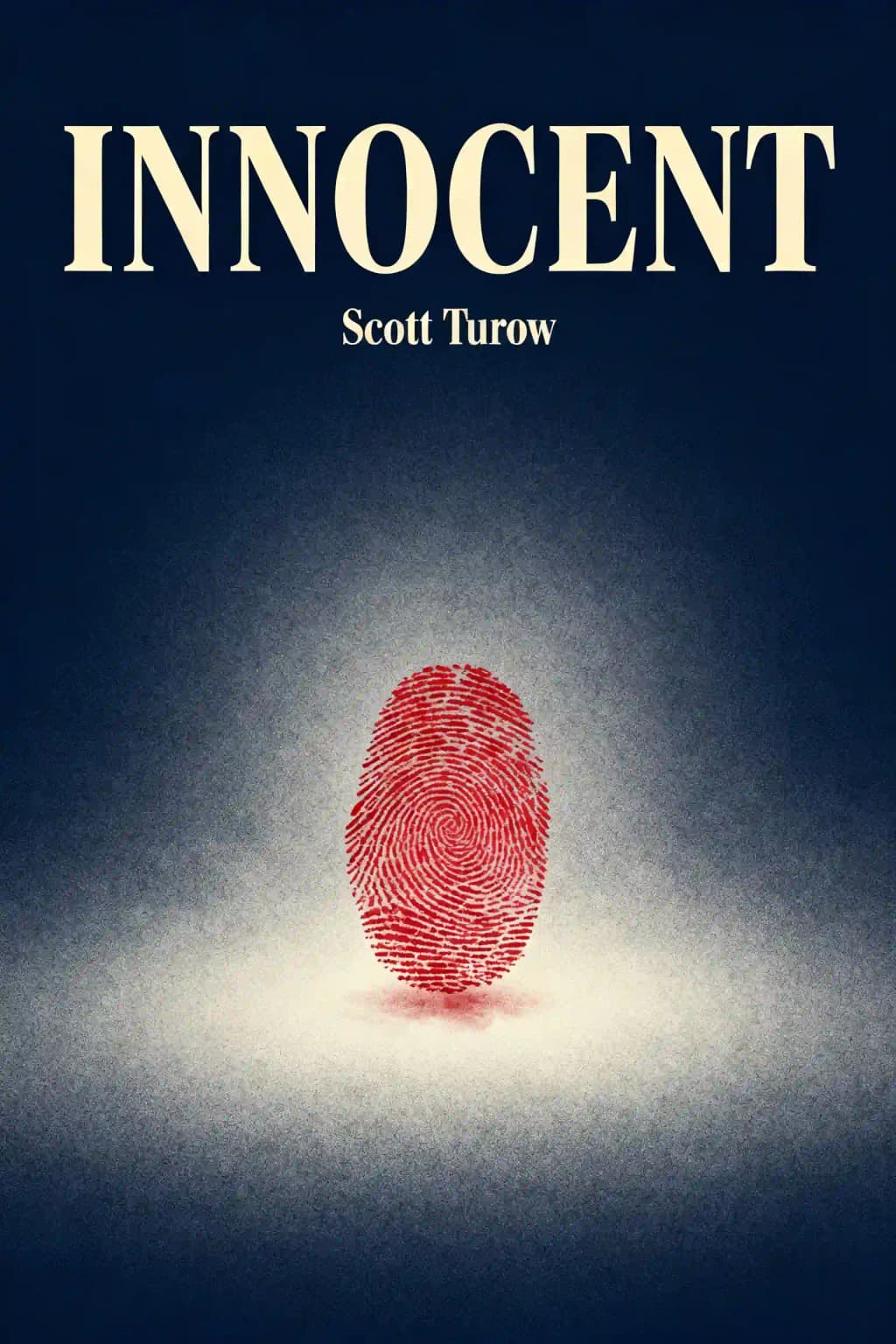
Perhaps the most incriminating evidence emerges from a detailed analysis of pharmacy records and forensic fingerprint examination. Rusty's signature appears on Barbara's phenelzine prescription, and security footage confirms his purchase of specific foods known to interact fatally with the medication: an expensive bottle of aged red wine, imported pickled herring, authentic Italian salami, two-year-aged cheddar, and premium Greek yogurt. Each item alone could trigger a dangerous reaction with phenelzine - together they presented a lethal combination. Mo Dickerman, the state's leading fingerprint analyst with thirty years of experience, discovered an even more telling detail: while Barbara's prints appeared clearly on nearly every medicine bottle in their bathroom cabinet, the phenelzine container bore only Rusty's prints, suggesting he alone handled the medication.
Digital forensics unveiled another layer of suspicious behavior. Sophisticated Evidence Eraser software - purchased with cash through an anonymous email account - was used to systematically purge communications from Rusty's computer the day before Barbara's death. The deleted content included extensive email exchanges with Dana Mann discussing divorce strategy. This created an intriguing paradox in the prosecution's theory: why would someone methodical enough to erase digital traces leave such obvious physical evidence on prescription bottles? The contradiction suggested either overconfidence or desperation.
The investigation takes an unexpected turn when DNA evidence from Rusty's previous murder trial two decades earlier is reexamined using advanced testing methods. The results confirm a match to Rusty's profile, validating Tommy's long-held suspicions about the earlier case. While double jeopardy prevents this evidence from being presented in the current trial, it profoundly influences the investigation team's approach and reinforces Tommy's determination to build an airtight case.
Despite the accumulating evidence, Tommy maintains a cautious stance, haunted by memories of his previous prosecution of Rusty. He understands that Sandy Stern, Rusty's brilliantly methodical defense attorney, will systematically challenge each piece of evidence, exploiting any procedural weakness. The medical examiner's inability to definitively rule out sixteen other potential causes of death presents a particular vulnerability. Tommy's measured approach reflects hard-learned lessons from the earlier trial, where his overeager prosecution led to critical procedural errors that Stern expertly exploited to secure Rusty's acquittal.
Capítulo 6
A Shocking Love Triangle Emerges
In an unexpected twist that shatters the fragile peace following their affair, Anna calls Rusty on a rainy Tuesday evening, her voice trembling as she requests an urgent meeting at the Dulcimer bar - their old rendezvous spot. When they meet in the dimly lit corner booth where they'd shared so many secret moments, she delivers news that hits Rusty like a physical blow: she's fallen in love with his son Nat. The revelation sends Rusty into a barely controlled rage, his knuckles white around his whiskey glass as Anna tearfully explains how she tried to fight her growing feelings for Nat. She describes their chance meeting at a local bookstore, their shared passion for contemporary literature, and how their connection deepened naturally despite her resistance.
Rusty's accusation cuts deep - that she orchestrated this to force his hand, to make him leave Barbara out of revenge for ending their affair. Anna's passionate denial rings with authenticity as she insists this isn't about Rusty at all. "What Nat and I have is real," she says, her voice breaking. "I've never felt this kind of connection with anyone - not even with you."
The situation escalates when Barbara, displaying an unsettling enthusiasm, insists on hosting a dinner party specifically to welcome Anna into their lives. She meticulously plans every detail, from the wine selection to the carefully curated cheese board - choices that would later become crucial elements in the investigation. Anna arrives early that evening, her stomach in knots, having just discovered something terrifying: someone has methodically accessed her old emails to Rusty, particularly those arranging their hotel meetings. Her initial fear that Rusty is stalking her transforms into horror when she notices Barbara's unusual familiarity with details only mentioned in those private exchanges.
The dinner unfolds like a masterclass in subtle psychological warfare. Barbara plays the perfect hostess, her smile never quite reaching her eyes as she serves the aged Bordeaux and arranges imported cheeses. Nat beams with pride, completely unaware of the undercurrents, finally feeling accepted by his family as he watches Anna chat with his parents. Meanwhile, Rusty barely touches his food, his insomnia-haunted eyes darting between his wife and his former lover as Barbara makes pointed comments that could be interpreted as either innocent or loaded with meaning.
This intricate web of relationships creates a powder keg of emotions and motivations. The dynamic between father and son unknowingly sharing the same lover adds a Greek tragedy element to the story. Barbara's discovery of her husband's infidelity through her clandestine email surveillance introduces a new layer of complexity. Anna finds herself trapped in an impossible position, genuinely in love with Nat while carrying the weight of her history with Rusty and the knowledge that Barbara knows everything. These tangled relationships don't merely complicate the personal dynamics - they become fundamental to understanding the events leading to Barbara's death, with each person's secrets and motivations creating multiple possible scenarios for what really happened that fatal night.
Capítulo 7
The Trial: Prosecution's Case Unravels
Tommy Molto's prosecution of Rusty Sabich begins strongly, with compelling evidence about the suspicious delay in reporting Barbara's death, Rusty's fingerprints on the phenelzine bottle, and his purchase of tyramine-containing foods. Judge Basil Yee, a Taiwanese immigrant specially assigned to the case, presides with minimal words and a strong accent. Despite his cancer and physical limitations, Sandy Stern commands the courtroom with remarkable precision as he guides Rusty's defense.
The prosecution's case hits its first major obstacle when Rusty takes the stand. After enduring Tommy's devastating cross-examination about the logical contradictions in his testimony, Rusty offers an alternative theory: Barbara deliberately killed herself with a phenelzine overdose, making it appear like natural causes to spare Nat the knowledge of her suicide. This revelation strikes deeply at Nat, confirming his long-buried fears about his mother's mental health.
The defense then calls Rosa Belanquez, a bank representative who testifies that Barbara visited the bank the Tuesday before her death after receiving a receipt from Dana Mann's law office that had been mistakenly mailed to their home. Mrs. Belanquez confirms showing Barbara the cashier's check records and other financial documents, revealing that Barbara had discovered Rusty's divorce preparations. This testimony devastates Nat, who realizes that while his father may be legally innocent, he bears moral responsibility for his mother's suicide by betraying her with infidelity and plans for divorce.
The case takes another dramatic turn when Nat demonstrates logging into his father's computer with his well-known password "Rozhat." To everyone's shock, a Christmas card appears on screen with an animated poem: "Roses are red, Violets are blue, You're in trouble again, And I did it to you. Love, You Know Who." The courtroom erupts in chaos as this message suggests someone framed Rusty. Computer experts confirm the card is legitimate-created the afternoon before Barbara died, minutes before Anna and Nat arrived for dinner-and designed to pop up on New Year's Day 2009, which explains why it wasn't detected in earlier examinations.
Capítulo 8
The Truth Behind the Frame
Just as Rusty's case seems headed for dismissal due to the Christmas card evidence, the prosecution makes a startling discovery: the card doesn't appear on the imaged copy of Rusty's hard drive they made in November. This means someone added it after they first seized the computer, likely during the month it was in Judge Mason's chambers. Computer expert Gorvetich theorizes that software called Office Spy was used to insert the card, with all traces deleted using shredding software.
The prosecution theorizes Rusty tampered with the evidence, but investigation reveals he didn't have keys to Judge Mason's chambers where the computer was kept. Visiting after hours would have required assistance from a security guard with access. When Tommy confronts Rusty in the courthouse bathroom about Stern's courtroom tactics, their conversation takes an unexpected turn: Rusty proposes a plea deal, offering to plead guilty to obstruction for tampering with the computer in exchange for dismissal of the murder charges.
The plea is accepted, and Rusty is sentenced to two years in minimum security. His son Nat is devastated, unable to understand why his father would plead guilty if innocent. Later, Tommy encounters Milo Gorvetich at a playground, who mentions a disturbing comment Jim Brand made during their post-trial celebration dinner-that there was "perverse humor" in seeing "somebody who had contrived to commit the perfect murder end up punished for a crime in which he had no role."
This comment leads Tommy to investigate further, discovering the evidence tape on the computer tower had a gap that would have allowed someone to power it up without breaking the seal. When Tommy confronts Brand with his theory that Brand himself tampered with the computer, Brand's telling smile confirms his suspicions. Brand defends his actions, arguing Rusty is guilty of murder anyway, but Tommy is devastated by this betrayal of prosecutorial ethics.
Tommy realizes Rusty likely pled guilty to obstruction to protect his son, whom he suspected might have planted the evidence. This revelation leads to Rusty's release from prison after serving just a few weeks of his sentence.
Capítulo 9
The Final Revelation
Three weeks after his release, Rusty welcomes Nat who arrives unexpectedly at his home. Their interaction is warm but strained, with Rusty noticing a new nervous distraction in his son. Rusty mentions he's been seeing Lorna Murphy, a widow who wrote to him after Barbara's death, acknowledging his nature is to fall in love again despite everything that's happened.
Nat confronts his father, demanding the truth about Barbara's death. He's deduced that Rusty didn't tamper with the computer but covered something up when Barbara died. Rusty finally reveals the shocking truth: Barbara had deliberately switched his Advil with her phenelzine medication, attempting to kill him after discovering his affair. When Barbara realized Rusty suspected the pills, she snatched and swallowed them herself in one motion.
Barbara had accessed Rusty's emails and bank records, discovering his affair and legal consultations. She'd planned either for his death to appear natural or, if investigated, to look like suicide. She left bank documents on her nightstand as evidence of her knowledge of his infidelity. After her death, Rusty destroyed these papers to protect Nat from learning the truth about his mother.
This final revelation recontextualizes everything we thought we knew about the case. Barbara wasn't a passive victim but an active participant in her own death-a final act of revenge against the husband who betrayed her. The Christmas card message was indeed from Barbara, her posthumous way of ensuring Rusty would suffer for his infidelity even if she couldn't be there to witness it. Her plan was diabolically perfect: if Rusty died from the phenelzine, it would appear natural; if he suspected tampering and refused the pills, she would take them herself, making her death appear either accidental or as a suicide prompted by his betrayal.
As Nat leaves, he expresses doubt that his father has told him everything. They embrace, and Rusty watches his son return to Anna, believing Nat will be okay despite their parental mistakes. Alone, Rusty contemplates photos of his family life, lingering on a portrait of Barbara taken after Nat's birth. He reflects on Barbara's final moments, concluding they were filled with despair and the fundamental complaint of troubled marriages: "You don't love me enough." Though he mourned Barbara during his trial, he acknowledges he didn't do his best by her, never fully understanding what bound him to her against reason.
Ready to move forward, Rusty prepares to sign away his judicial career, accepting the consequences of his actions and curious about what comes next. The novel ends with this ambiguous resolution-justice has been served in some form, but not in the way anyone expected. The legal system, designed to find truth, has instead been manipulated by everyone involved: Barbara, Rusty, Brand, and even Tommy. In the end, the truth emerges not through legal proceedings but through private confession between father and son, highlighting the limitations of the justice system when confronted with the complex realities of human relationships and emotions.