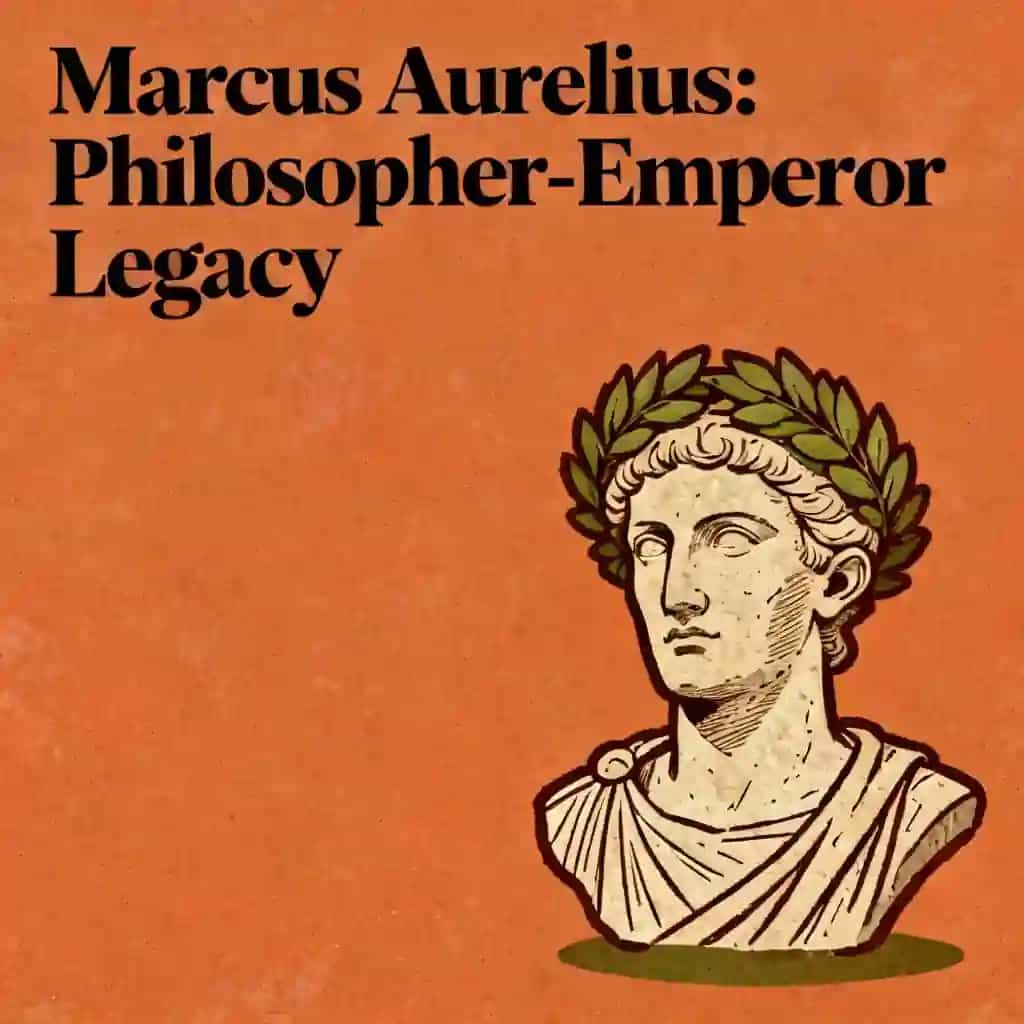
Discover how Marcus Aurelius's ancient wisdom meets modern psychology in this pandemic-era lifeline. Translated into 20 languages and reaching 250,000+ readers worldwide, Robertson's masterpiece blends Stoic philosophy with cognitive therapy - proving the most powerful emperor's greatest conquest was his mind.
Sinta o livro através da voz do autor
Transforme conhecimento em insights envolventes e ricos em exemplos
Capture ideias-chave em um instante para aprendizado rápido
Aproveite o livro de uma forma divertida e envolvente
Picture yourself at a crossroads. One path promises immediate pleasure but leads to long-term suffering; the other demands discipline but offers lasting fulfillment. This was the choice faced by Marcus Aurelius, Rome's philosopher-emperor who transformed himself from an anxious, complaint-prone young man into history's model of wisdom and resilience. His private journal, "Meditations," has become a favorite of today's tech CEOs, professional athletes, and military leaders. Why? Because the challenges of the human mind haven't changed in 2,000 years - and neither have the solutions that truly work. When Marcus lay dying of plague in a military camp in 180 AD, he faced his end with remarkable equanimity - not because he was naturally detached, but because of decades of rigorous Stoic practice. Stoicism began five centuries earlier with Zeno of Citium, a wealthy merchant who lost everything in a shipwreck. Devastated, he encountered the teachings of Socrates and created a philosophy emphasizing virtue as life's true goal. This wisdom tradition spread from Athens to Rome, eventually reaching Marcus, who viewed himself as a Stoic first and emperor second. Contrary to popular belief, Stoics weren't unemotional robots. They distinguished between healthy passions (joy, healthy aversion to vice, desire to help others) and unhealthy emotions to be transformed. True Stoicism isn't about suppressing feelings but using reason to transform destructive emotions into constructive ones - a practice Marcus perfected throughout his life.
Divida as ideias-chave de How to Think Like a Roman Emperor em pontos fáceis de entender para compreender como equipes inovadoras criam, colaboram e crescem.
Destile How to Think Like a Roman Emperor em dicas de memória rápidas que destacam os princípios-chave de franqueza, trabalho em equipe e resiliência criativa.

Experimente How to Think Like a Roman Emperor através de narrativas vívidas que transformam lições de inovação em momentos que você lembrará e aplicará.
Pergunte qualquer coisa, escolha a voz e co-crie insights que realmente ressoem com você.

Criado por ex-alunos da Universidade de Columbia em San Francisco
"Instead of endless scrolling, I just hit play on BeFreed. It saves me so much time."
"I never knew where to start with nonfiction—BeFreed’s book lists turned into podcasts gave me a clear path."
"Perfect balance between learning and entertainment. Finished ‘Thinking, Fast and Slow’ on my commute this week."
"Crazy how much I learned while walking the dog. BeFreed = small habits → big gains."
"Reading used to feel like a chore. Now it’s just part of my lifestyle."
"Feels effortless compared to reading. I’ve finished 6 books this month already."
"BeFreed turned my guilty doomscrolling into something that feels productive and inspiring."
"BeFreed turned my commute into learning time. 20-min podcasts are perfect for finishing books I never had time for."
"BeFreed replaced my podcast queue. Imagine Spotify for books — that’s it. 🙌"
"It is great for me to learn something from the book without reading it."
"The themed book list podcasts help me connect ideas across authors—like a guided audio journey."
"Makes me feel smarter every time before going to work"
Criado por ex-alunos da Universidade de Columbia em San Francisco

Obtenha o resumo de How to Think Like a Roman Emperor como PDF ou EPUB gratuito. Imprima ou leia offline a qualquer momento.