Capítulo 4
Language as Resistance in a Surveillance State
Throughout "gliff," language emerges as both a battleground and a refuge. The novel explores how words can be weaponized by those in power but also reclaimed as tools of resistance. This theme manifests in several ways, from the siblings' playful approach to names and identity to the narrator's deep exploration of etymology.
When Colon asks for their surnames, the narrator makes one up - "Bush" - while his sister had previously called herself "Taylor Smith." This casual attitude toward fixed identity confounds Colon, who is bewildered by their lack of digital devices and fluid approach to names. Later, when questioned about naming the horse "Gliff," the sister dismisses the narrator's philosophical musings about ownership and identity as "deranged." Yet this seemingly childish approach to language represents a profound resistance to the surveillance state's need to categorize and track individuals.
The narrator's fascination with words reaches its apex during a visit to a vast library where Oona guides them. Here, they delve into Latin translations of "Facta sunt ipse verba" from the school's facade, exploring multiple interpretations: "Words themselves are facts/deeds" or "Facts/deeds themselves are words." This exploration thrills the narrator, who discovers "a family of words" that influence, disturb, and act upon each other across languages.
Most significant is the cascading definition of "gliff" itself - a word of remarkable versatility that means "a short moment, a glimpse, a transient glance, a sudden fright, an inkling, a whiff, a sensation of pain or pleasure, a shock, a thrill." The word embodies multiplicity itself, refusing singular meaning just as the characters refuse fixed identities. When the narrator excitedly explains to his sister that she's chosen a "polysemous" name for the horse, one that can mean everything, nothing, or "a substitute word for any word," he's celebrating language's capacity to resist definitive categorization.
In contrast, the surveillance state attempts to control language by limiting its meanings and monitoring its use. Colon's "educator" smartwatch automatically records everything, while his extensive questionnaire attempts to reduce complex human experience to data points. Later, in the detention facility, an official confiscates the narrator's paperback novel, briefly reading aloud before discarding it - demonstrating contempt for narrative complexity.
Smith suggests that maintaining a playful, exploratory relationship with language is itself an act of resistance against authoritarian control. By refusing fixed definitions and embracing linguistic multiplicity, the children preserve their autonomy in a world intent on categorizing and controlling them. Their approach to language mirrors their physical journey - fluid, adaptive, and ultimately ungovernable.
Capítulo 5
The Power of Storytelling to Preserve Identity
Stories emerge as vessels of hope and identity preservation throughout the novel. In a world where official narratives dominate and surveillance is constant, the ability to tell one's own story becomes revolutionary. This theme manifests in both explicit storytelling moments and in the novel's structure itself.
When the siblings are first abandoned, the narrator immediately promises storytelling to comfort his anxious sister. This instinctive turn to narrative as solace establishes a pattern that continues throughout their journey. Later, in the community of "unverifiables," stories become currency and connection - ways of making sense of their precarious existence outside official society.
One particularly powerful example is "The Tyrant and the Ash," a story shared in the cave where Ayesha Falcon found refuge. This embedded tale describes a tyrant who kills someone for speaking truth, then becomes paranoid when their ashes seem to permeate everything. Despite his efforts to destroy his opponent, the tyrant discovers that real power lies in becoming "the opposite of destroyed" - his opponent is now "everywhere and everything." This story functions as both comfort to the oppressed and warning to oppressors, suggesting that attempts to silence truth ultimately fail.
The narrator's mother also uses storytelling to transmit important values. When asked about the term "whistleblower," she explains it through her own experience working for a weedkiller conglomerate called Kindweed. She reveals how she learned the company's products contained chemicals harmful to humans, especially children and unborn babies, and was fired for asking questions. This story serves not just as information but as moral guidance about speaking truth to power.
Perhaps most significant is how Ayesha describes the narrator's sister bringing "impossible possible" hope through stories - "about a mother moving mountains, a person who was really a swan, a traveler with an undying flower." These stories, shared in hiding places among the persecuted, sustain hope when material conditions offer none. They create what the novel calls "the opposite of destroyed" - a resilient narrative identity that cannot be erased.
The novel itself embodies this principle through its fragmented structure. As the narrator's identity is systematically erased through "processing and re-ed," the narrative form breaks down - section titles lose letters ("rave new o ld" instead of "brave new world"), reflecting the erosion of self. Yet the persistence of storytelling, even in this fractured form, represents resistance. The narrator's final act of rebellion is to reclaim their narrative by erasing their official data while preserving their true story: "Now that I don't exist I finally exist again."
Through this layered exploration of storytelling, Smith suggests that narratives are not merely entertainment but essential tools for preserving humanity in dehumanizing circumstances. Stories create continuity when lives are disrupted, community when people are isolated, and hope when circumstances seem hopeless.
Capítulo 6
The Horse as Symbol of Freedom and Resistance
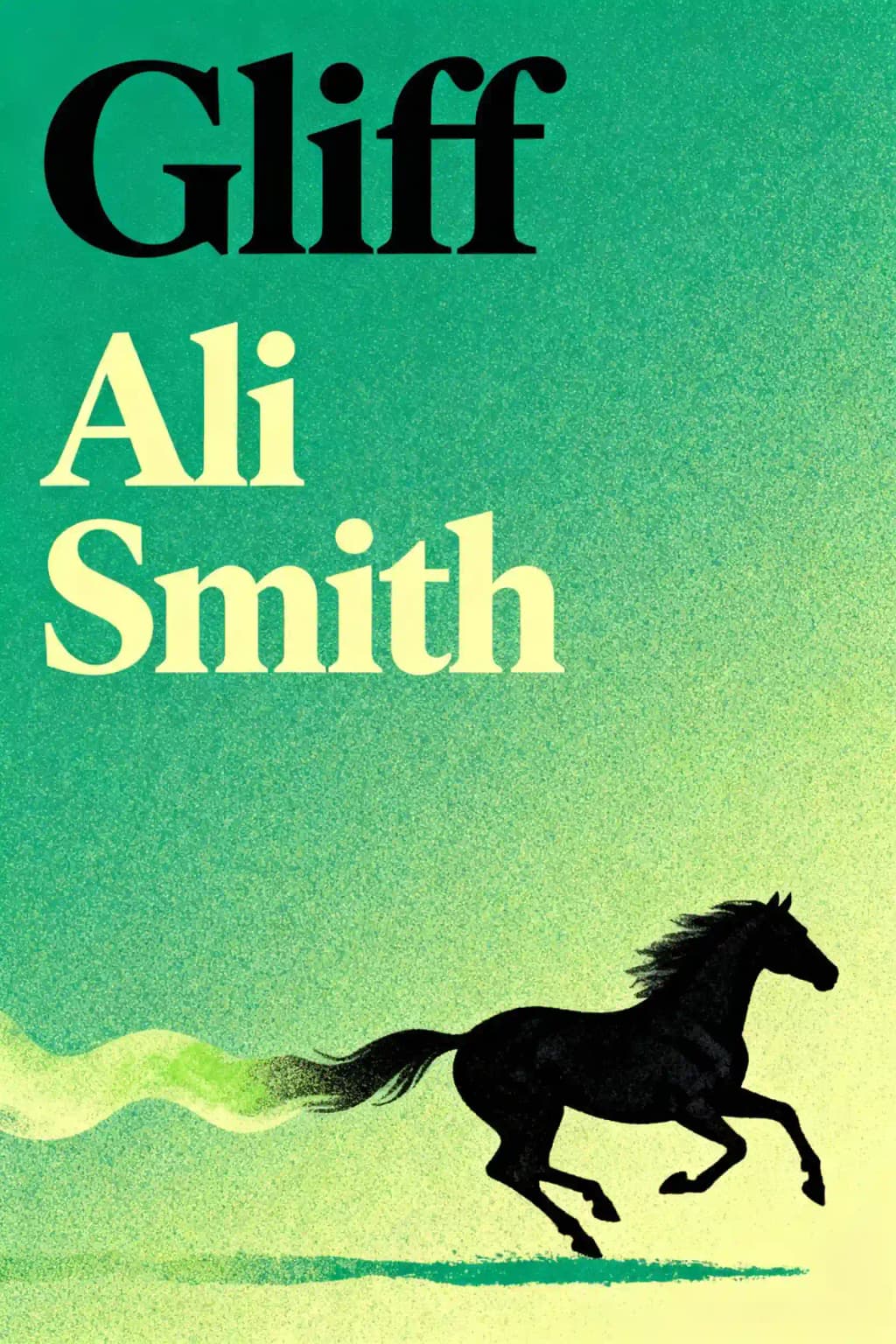
The horse emerges as the novel's central symbol, embodying both vulnerability to human cruelty and the possibility of escape from oppressive systems. From the narrator's first encounter with the horse's eye showing "both gentleness and equanimity" to the climactic escape on horseback, these animals represent a connection to something authentic and untamed.
When the siblings discover horses will be sent to slaughter, their innocent response is telling. The sister removes buttercups from the field because she's been told they're harmful to horses, not understanding these animals are already destined for death. This act of care for creatures marked for destruction represents a form of resistance through compassion - refusing to accept the disposability of life that the system demands.
The symbolism deepens when Ulyana shows them Stubbs' painting of a frightened white horse recoiling from a lion. She explains this represents "the sublime" - experiences both terrifying and awe-inspiring that elevate humans spiritually. Yet the method used to create this image was cruel: Stubbs tethered a thoroughbred and had a stable boy terrorize it until it panicked. The sister rejects this notion of sublime, declaring she would be "the horse that pulls that ring right out of that wall" and seeks revenge on both stable boy and artist. This moment establishes the horse as a symbol of resistance against exploitation for human purposes.
When officials mark Gliff with red paint, the horse "reacts furiously, roaring and advancing on them." This moment of animal rebellion directly challenges the system of exclusion the red lines represent. The siblings' escape on horseback, leaving red hoofprints that gradually fade, creates a powerful image of freedom through connection with the natural world. The narrator experiences "the rhythm and smell of riding" as their sister guides the horse with subtle leg movements - a harmony that contrasts sharply with the mechanical control of the surveillance state.
In the novel's final section, the narrator imagines finding horses in a field - "massive and delicate, strong as horses" - and holding out a hand toward them, hoping some might approach. This image of tentative connection across species lines offers a model for rebuilding trust in a broken world. The horse represents what humans have lost in their pursuit of control: authenticity, freedom of movement, and the ability to exist without constant surveillance and categorization.
Through this multifaceted horse symbolism, Smith suggests that reconnection with the natural world might offer a path forward from technological dystopia. The horse embodies a way of being that resists complete control - powerful yet gentle, domesticated yet never fully tamed, willing to connect but ultimately free.
Capítulo 7
Surveillance and the Erosion of Identity
The novel presents a chilling portrait of how surveillance technology can erode personal identity. From Colon's "educator" smartwatch that automatically records everything to the cameras monitoring the hotel where the children's mother works, surveillance is ubiquitous. This constant observation doesn't merely record behavior but actively shapes it, creating a society where authenticity becomes impossible.
Colon's extensive questionnaire exemplifies this dynamic, covering personal data from birth details to political opinions and product preferences. His insistence that the siblings "answer truthfully, or they'll know" reveals how surveillance creates a binary where one must either conform to official identity categories or be labeled deviant. When Colon declares "I'm already someone. No person on earth can just 'be' someone else," he reveals how thoroughly he's internalized the system's rigid approach to identity.
The consequences of refusing categorization are severe. Those deemed "unverifiable" are rounded up and disappeared. When Daisy is "literally" lifted into a van by strangers, the community's reaction - sitting "glassy and blasted" with no one eating - reveals the terror such disappearances inspire. Later, we learn these "unverifiables" are sent to "Adult Retraining Centres" (ARKs) and "Child Retraining Centres" (circuses) where they perform dangerous labor like handling toxic waste or extracting metals from batteries without protective equipment.
The narrator's experience after capture demonstrates how institutions systematically erase identity. After "five years of processing and re-ed," they become a "Day Shift Superior" in a sterile workplace with constant surveillance. The "voids" in the building's cellar - unmonitored spaces where superiors subject them to unnamed abuses - represent the dark reality behind the surveillance facade. The narrator grimly states that the void is where "words first ceased to mean" and they ceased to mean to words, revealing how institutional violence severs the connection between language and identity.
Most disturbing is how surveillance transforms the surveilled into surveillors. The narrator learns "what power can do" - how it "thickens like muscles" and "tastes like blood," enabling them to humiliate others and feel pleasure at making people shrink away. When they witness a young girl with severe battery burns asking for help, they respond cruelly - mimicking the behavior of those who once tormented them. This cycle of abuse reveals surveillance's ultimate goal: not merely to monitor but to create subjects who internalize and perpetuate the system's values.
Smith suggests that resistance must include creating spaces beyond surveillance's reach. The library where Oona takes the narrator, the cave where Ayesha finds refuge, and ultimately the open countryside where the narrator heads at the novel's end represent zones where authentic identity might be reclaimed. The narrator's final act of rebellion - disabling surveillance cameras and erasing their data from the system - represents a rejection of the surveilled identity imposed upon them.
Capítulo 8
The Courage to Remember in a World That Demands Forgetting
Memory emerges as a crucial battleground in the novel's exploration of resistance. The narrator repeatedly mentions having "spent the last five years of my life not letting myself think any of this," revealing how institutional power operates partly through enforced forgetting. Yet fragments of memory persistently surface - like the recollection of his sister waking him to help clear harmful flowers for horses destined for slaughter.
The novel suggests that remembering can be an act of courage in a world designed to erase inconvenient histories. When the narrator searches for records of their mother, they discover she "was refused re-entry 27 times before her recorded death," while finding no records for Oona or their sister. This official erasure contrasts with the narrator's persistent memories, which maintain connections the system has tried to sever.
Dreams become repositories for memories too dangerous for conscious thought. The narrator describes a recurring dream where they walk with their sister down a country lane to a wooden door in a stone wall. When the sister enters but the narrator hesitates, the door closes between them. Despite calling out and promising to wait, they always wake feeling cold yet "strangely relieved" - perhaps because even in dreams, they're keeping their word to wait for her. This dream preserves their connection to their sister when acknowledging it consciously would be too dangerous.
The physical world also holds memories that resist erasure. When the narrator returns to where their home once stood, they find it replaced by artificial plastic grass - a literal covering over of history. Yet the very absence triggers memory, making the erasure incomplete. Similarly, the ancient cave drawings Ayesha describes represent persistence of human expression across millennia, suggesting some forms of memory outlast even the most determined efforts at suppression.
The novel's structure itself enacts this struggle between remembering and forgetting. As the narrator's identity is systematically erased, the narrative becomes increasingly fragmented, with section titles losing letters. Yet this fragmentation paradoxically preserves what it seems to be losing - like the tyrant's opponent whose ashes permeate everything, becoming "the opposite of destroyed." The final section's shift to second person ("you encounter a boy") suggests memory has become so threatening it can only be addressed indirectly.
The narrator's climactic act of rebellion involves both strategic forgetting and deliberate remembering. By erasing their official data while preserving their true story, they reject the system's power to define them. The wet paper in their pocket with fragmented words - "gliff me hor momen esembl chance glanc right fain trace inkl evade scape glimm unanticipat light" - represents memory reduced to its essence yet still potent enough to guide action. Using this paper to clean clay from a boy's face symbolizes how memory, even in fragments, can restore humanity.
Capítulo 9
Finding Hope in the Ruins of a Broken World
Despite its bleak portrayal of authoritarianism, surveillance, and family separation, "gliff" ultimately offers a nuanced vision of hope. This hope doesn't manifest as naive optimism or neat resolution but emerges through small acts of connection, creativity, and courage that persist even in the most oppressive circumstances.
The novel's fable about Saccobanda - a child born with a horse's head who can hear what people don't say and understand the voices of animals, plants, and inanimate objects - offers one model of hope. Though officials eventually declare her "unverifiable" and take her away, her mother and others rise up in revolt. Significantly, this uprising includes not just people but "all creatures, rocks, plants, waters, weather, and even discarded objects" forming "a mountainous movement of righteous fury that continues to gather strength and roll forward wherever needed." This vision suggests hope lies in recognizing connections beyond the human realm.
More concretely, the narrator's final rebellion demonstrates how individual acts of resistance can create ripples through systems of power. Before disappearing, they transfer Ayesha Falcon from the harsh Packing Belt to the more humane Organic Nadorcott sector, then extend this mercy to the entire Packing Belt workforce. This act won't topple the system, but it creates meaningful improvement in many lives - a pragmatic form of hope that acknowledges limitations while refusing paralysis.
The novel's closing image offers perhaps its most powerful vision of hope. After staging their apparent suicide, the narrator plans to follow the polluted river northward despite the toxic landscape and lack of protective gear. They imagine finding horses in a field and holding out a hand toward them, hoping some might approach. When they encounter a mud-covered boy who witnessed what happened and wants to help, they tell him "We solve it by salving it" - suggesting healing comes through action rather than theory.
The final declaration - "We'll be making it up as we go" - encapsulates the novel's approach to hope. There is no grand plan or utopian vision, just the willingness to continue moving forward, forming connections, and improvising responses to challenges as they arise. The paper with fragmented words about "gliff" that the narrator uses to clean clay from the boy's face symbolizes how even broken language can serve healing purposes when applied with compassion.
This vision of hope acknowledges the reality of environmental destruction (the polluted river), ongoing surveillance (the staged suicide to evade tracking), and social breakdown (the boy alone in a toxic landscape). Yet it insists on the possibility of meaningful action within these constraints - not to restore some imagined perfect past but to create moments of connection and agency in the present.
Through this nuanced portrayal, Smith suggests hope isn't found in denial of difficult realities but in facing them squarely while maintaining the capacity for wonder, connection, and creative response. Like the word "gliff" itself - which can mean everything from "a glimpse" to "to escape quickly" to "to glimmer like unanticipated light" - hope in the novel is multifaceted, fleeting yet persistent, both a sensation and an action.
Capítulo 10
The Enduring Power of Human Connection
At its heart, "gliff" is a novel about the enduring power of human connection in a world designed to isolate and categorize. The central relationship between the narrator and his sister forms the emotional core of the story, demonstrating how bonds of care can survive even the most determined efforts to sever them.
From the moment of their abandonment, the siblings rely on each other for survival and meaning. The narrator comforts his anxious sister by suggesting they choose favorite rooms and promising storytelling. When they discover the horses, they share the experience of connection with these animals. Even when separated by capture and "processing," the narrator's thoughts continually return to his sister - through dreams, memories, and finally active search.
What makes this sibling relationship particularly powerful is how it transcends conventional notions of protection. Though the narrator initially vows to kill anyone who threatens his sister, she dismisses this masculine posturing, explaining how boys who feel threatened by girls often make violent threats. Later, it's the sister who takes the lead in their escape, mounting the horse and guiding it with subtle leg movements while the narrator holds on. This mutual protection and fluid exchange of leadership offers a model of relationship based on complementary strengths rather than rigid roles.
Beyond this central relationship, the novel portrays various forms of connection that sustain hope in desperate circumstances. The community of "unverifiables" at St. Saccobanda's creates family-like bonds among strangers united by their outsider status. Ayesha describes the cave dwellers sharing stories to maintain hope. Even antagonistic relationships, like that between the siblings and Colon, evolve into something more complex as mutual understanding grows.
Perhaps most significant is how the novel expands the circle of meaningful connection beyond humans. The bonds formed with horses, particularly the sister's relationship with Gliff, suggest that authentic connection transcends species boundaries. The fable about Saccobanda, who can understand the voices of animals, plants, and even inanimate objects, takes this further, imagining a world where everything is recognized as having voice and agency.
The novel's final scene brings these themes together. The narrator, having rejected their role in the surveillance state, encounters a boy who wants to help "make things right." Using the paper with fragmented words about "gliff" to clean clay from the boy's face, they continue walking with "both horse and boy following." This improvised family - two humans and a horse, none related by blood - represents the novel's vision of connection as something we create through choice and action rather than something predetermined by biology or authority.
Through this exploration of varied connections, Smith suggests that what makes us human isn't our individual identity but our capacity for relationship - with each other, with other species, and with the world around us. Even in a dystopian landscape of surveillance, separation, and environmental collapse, these connections persist as sources of meaning and vehicles for resistance. The final words - "We'll be making it up as we go" - affirm that connection isn't something fixed or predetermined but something we continually create through courage, imagination, and care.