Discover the revolutionary voice training method that transformed Patrick Stewart and Bill Murray's careers. With over 200,000 copies sold, Linklater's legendary approach doesn't just free your voice - it unlocks your authentic self. What powerful truth could your voice reveal?
Kristin Linklater (1936–2020) was the Scottish-born author of Freeing the Natural Voice and one of the world's most influential voice coaches and theatrical pedagogues. Born in Edinburgh and raised in Orkney, her approach to voice training revolutionized actor education by focusing on removing habitual tensions and connecting breath, body, and emotion.
Trained at LAMDA under Iris Warren, Linklater developed a method centered on freeing the natural voice rather than imposing external technique, making it particularly effective for Shakespearean performance.
Linklater co-founded Shakespeare & Company in the Berkshires and established the Linklater Voice Centre in Orkney, where she conducted immersive training programs. She taught at Columbia University, NYU, and the Lincoln Center, coaching acclaimed actors including Patrick Stewart, Alfre Woodard, Donald Sutherland, Brian Cox, Bill Murray, and Sigourney Weaver. Her second major work, Freeing Shakespeare's Voice (1992), further cemented her authority in classical theatre training.
Freeing the Natural Voice has been translated into multiple languages and remains an essential cornerstone text in acting conservatories and voice training programs worldwide.
Freeing the Natural Voice is a comprehensive guide to vocal development that teaches actors, singers, and speakers how to unlock their authentic voice by removing physical and psychological blocks. Kristin Linklater presents a systematic approach using breath work, resonance exercises, and emotional connection to create vocal freedom. The book emphasizes that vocal expression should be in direct contact with emotional impulse, shaped by intellect but not restricted by it.
Freeing the Natural Voice is designed for professional actors, student actors, voice teachers, and anyone interested in vocal expression and effective communication. The book benefits performers seeking authentic emotional delivery, public speakers wanting to improve their presence, and individuals looking to overcome vocal limitations like nasally or restricted speaking voices. Teachers of acting and speech professionals will also find the systematic exercises valuable for instruction.
Freeing the Natural Voice is worth reading if you're committed to a long-term vocal development practice, though it requires significant dedication. Reviews describe it as "the holy bible of voice" that can transform your oratory skills and social presence, but warn it takes about a year of religious practice to see results. The book's heady, exercise-intensive approach works best when supplemented with professional voice coaching rather than self-study alone.
The Freeing the Natural Voice program typically takes about a year to complete when practiced conscientiously and habitually. Kristin Linklater designed the exercises to produce results through consistent, daily practice rather than quick fixes. The book emphasizes that vocal development is similar to meditation—effects take time to propagate and master, but the work you invest will directly correlate with the results you achieve.
The "sigh of relief" serves as the foundational starting point for vocal exercises in Freeing the Natural Voice, helping release tension and allow breath to flow freely. This technique connects the physical act of breathing with emotional expression, encouraging spontaneous and genuine vocal responses. Linklater incorporates the sigh throughout various exercises to reinforce its importance in developing natural, tension-free voice production.
The "resonating ladder" in Freeing the Natural Voice refers to the various resonating cavities throughout the body that amplify sound and contribute to vocal richness. Kristin Linklater teaches readers to explore these resonating chambers—from chest to head—to develop greater vocal range, flexibility, and strength. The exercises emphasize integrating breath support with these resonating spaces to produce a full, vibrant sound.
Freeing the Natural Voice teaches readers to identify tension sources in the body, particularly in the jaw, tongue, and throat, which restrict natural vocal expression. Kristin Linklater provides specific relaxation exercises designed to release these physical tensions and create an open channel for sound. The book connects emotional blocks to physical tension, explaining that addressing psychological barriers unlocks deeper, more authentic emotional expression through voice.
Freeing the Natural Voice positions breath as the essential foundation of voice production, with "Workday Two" focusing specifically on freeing the breath. The exercises enhance lung capacity, strengthen breathing muscles, and develop steady, controlled breath that carries emotional energy. Kristin Linklater emphasizes that proper breath control is fundamental for achieving a free and powerful voice connected to genuine emotional impulse.
Critics of Freeing the Natural Voice note that the book is "very heady" and extremely difficult to follow without professional guidance during exercises. Many readers find it nearly impossible to attempt the fluid, body-connected exercises while stopping to read multi-step instructions. The intensive, deconstructive process—requiring extensive emotional groundwork before attempting basic sounds—can feel overwhelming and discouraging for self-directed learners seeking practical, immediate application.
Freeing the Natural Voice establishes that vocal expression is deeply connected to emotional authenticity, encouraging readers to explore their emotional landscapes for enhanced delivery. Kristin Linklater uses imagery and visualization techniques to help practitioners tap into genuine emotions and create authentic vocal experiences. The book emphasizes that physical sensations reflect emotional states, with the body playing a crucial role in conveying true emotional expression through voice.
Freeing the Natural Voice can significantly enhance everyday communication by helping you become "the smoothest" speaker in social situations, naturally drawing attention and making people stop to listen. The techniques improve how you crystallize ideas and express thoughts simply yet powerfully, making you more effective in public speaking and interpersonal interactions. Practitioners report becoming better at social communication, with improved ability to match thoughts to breath and create flow between inner dialogue and spoken words.
Freeing the Natural Voice stands apart by emphasizing imagery, imagination, and emotional integration rather than purely technical vocal mechanics. Kristin Linklater's method focuses on removing blocks to reveal your natural voice rather than imposing artificial techniques, with exercises developed and refined over three decades. The book treats vocal work as "a way of life not just a tool for acting or singing," connecting personal freedom with vocal freedom.
Sinta o livro através da voz do autor
Transforme conhecimento em insights envolventes e ricos em exemplos
Capture ideias-chave em um instante para aprendizado rápido
Aproveite o livro de uma forma divertida e envolvente
Celebrate, don't flagellate!
Relaxing in order to accomplish something.
Freeing themselves through their voice.
Natural versus what is familiar in our voices.
Everyone possesses a voice capable of expressing their full emotional range.
Divida as ideias-chave de Freeing the natural voice em pontos fáceis de entender para compreender como equipes inovadoras criam, colaboram e crescem.
Destile Freeing the natural voice em dicas de memória rápidas que destacam os princípios-chave de franqueza, trabalho em equipe e resiliência criativa.

Experimente Freeing the natural voice através de narrativas vívidas que transformam lições de inovação em momentos que você lembrará e aplicará.
Pergunte qualquer coisa, escolha a voz e co-crie insights que realmente ressoem com você.

Criado por ex-alunos da Universidade de Columbia em San Francisco
"Instead of endless scrolling, I just hit play on BeFreed. It saves me so much time."
"I never knew where to start with nonfiction—BeFreed’s book lists turned into podcasts gave me a clear path."
"Perfect balance between learning and entertainment. Finished ‘Thinking, Fast and Slow’ on my commute this week."
"Crazy how much I learned while walking the dog. BeFreed = small habits → big gains."
"Reading used to feel like a chore. Now it’s just part of my lifestyle."
"Feels effortless compared to reading. I’ve finished 6 books this month already."
"BeFreed turned my guilty doomscrolling into something that feels productive and inspiring."
"BeFreed turned my commute into learning time. 20-min podcasts are perfect for finishing books I never had time for."
"BeFreed replaced my podcast queue. Imagine Spotify for books — that’s it. 🙌"
"It is great for me to learn something from the book without reading it."
"The themed book list podcasts help me connect ideas across authors—like a guided audio journey."
"Makes me feel smarter every time before going to work"
Criado por ex-alunos da Universidade de Columbia em San Francisco

Obtenha o resumo de Freeing the natural voice como PDF ou EPUB gratuito. Imprima ou leia offline a qualquer momento.
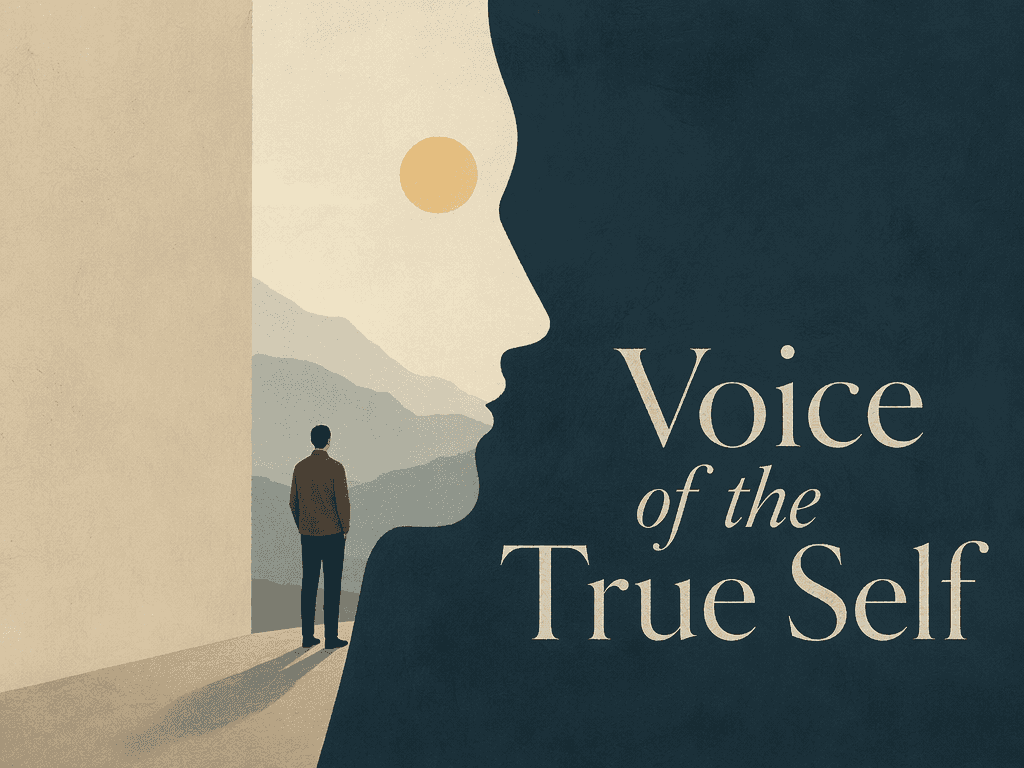
Imagine standing on stage, your body trembling with emotion, yet your voice emerging thin and strained. This disconnect between inner feeling and outer expression is the problem Kristin Linklater's revolutionary approach addresses. When she arrived in America in 1963, she bridged a critical gap in actor training - connecting technical skill with emotional freedom. Her method transformed not just theater but anywhere authentic human expression matters. Why? Because your natural voice isn't just an instrument - it's a direct channel to your inner life, capable of expressing your full emotional range across a remarkable two-to-four-octave pitch range. Yet most of us operate with voices diminished by tension, using vocal masks that hide our true selves. The journey to vocal freedom isn't about adding skills - it's about removing blocks that prevent your authentic voice from emerging.