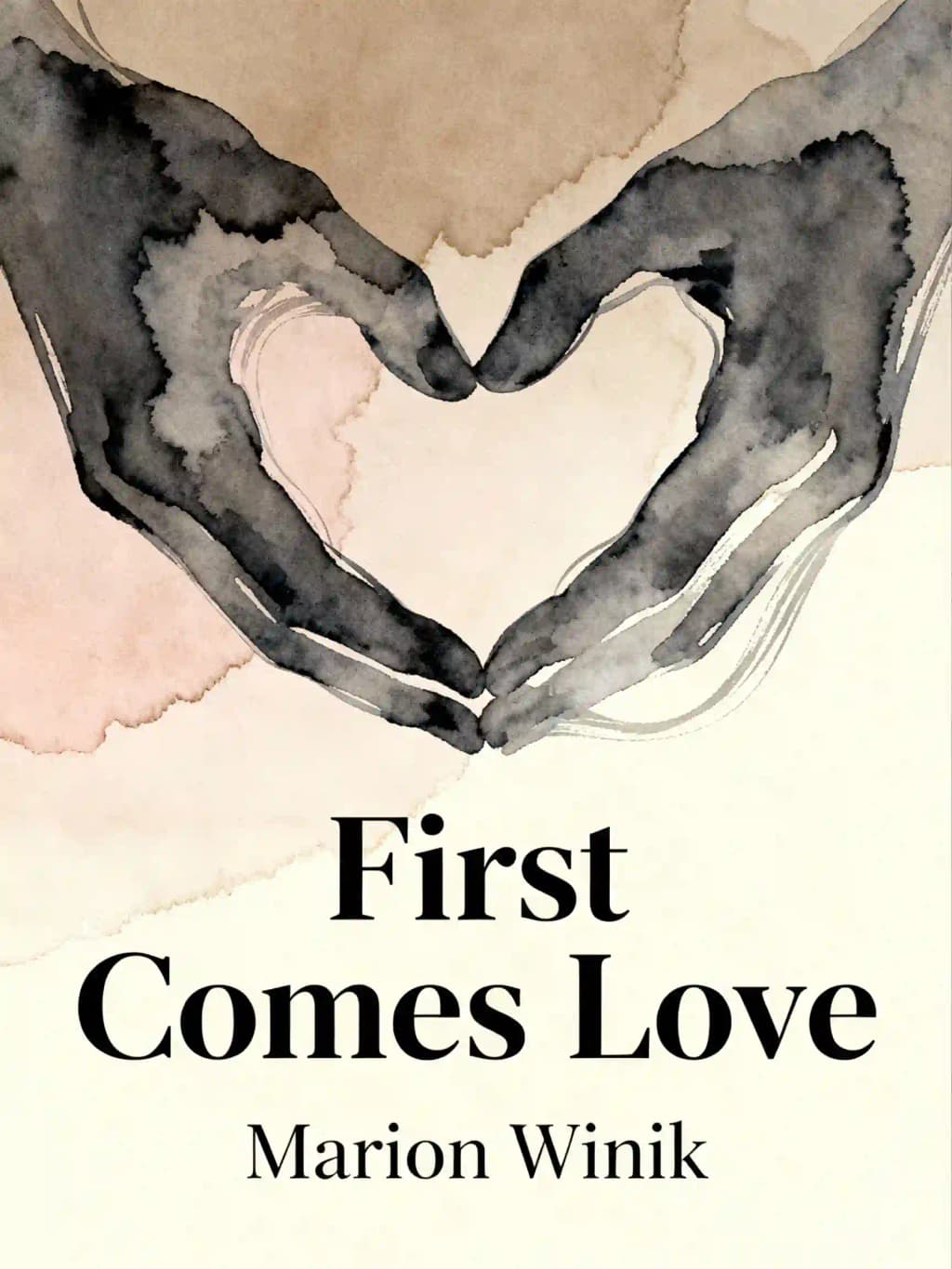
First comes love
Visão geral de First comes love
I don't have any facts provided about "First Comes Love" by Marion Winik, so I cannot create an accurate, fact-based introduction. I need specific information about this book to craft a compelling and truthful 40-word hook.

Temas principais em First comes love
- unconventional romance
- aids crisis memoir
- drug addiction recovery
- sexual identity fluidity
- grief and caregiving
Citações de First comes love
Party World.
The word "no" was my call to arms.
Once you have found him, never let him go.
Personagens de First comes love
- Marion WinikThe author and protagonist, a bohemian writer
- TonyA handsome gay ice skater and Marion's lover
- SandyeMarion's friend who introduces her to Tony
- ShelleyA mutual friend who took Tony in when homeless
- JuanTony's former long-term male lover
Baixar resumo de First comes love
Obtenha o resumo de First comes love como PDF ou EPUB gratuito. Imprima ou leia offline a qualquer momento.
Perguntas Frequentes Sobre Este Livro
First Comes Love is Marion Winik’s raw memoir chronicling her unconventional marriage to Tony, a gay man battling addiction and AIDS. It explores themes of love, resilience, and loss, detailing their turbulent relationship, parenthood, and Tony’s eventual decline. The book offers an unflinching look at societal taboos, caregiving, and the complexities of grief, framed through Winik’s candid storytelling.
This memoir resonates with readers interested in LGBTQ+ relationships, addiction narratives, and emotionally charged memoirs. It’s ideal for those seeking stories about unconventional love, resilience in crisis, or perspectives on caregiving and grief. Fans of honest, visceral autobiographical works will find it particularly compelling.
Yes, Winik’s memoir is widely praised for its brutal honesty and lyrical prose. While some readers find certain moments uncomfortable, most applaud its courage in tackling taboo topics like AIDS, addiction, and complex marital dynamics. It’s recommended for its powerful exploration of love’s endurance amid tragedy.
The book depicts addiction as a destructive yet intertwined force in Marion and Tony’s relationship. Their shared heroin use early on evolves into Tony’s downward spiral, exacerbating his AIDS-related decline. Winik unflinchingly shows how addiction strains their bond while underscoring moments of fleeting connection and mutual dependence.
A pivotal quote—”I saw that he was crying. When I went to put my arms around him, he angrily pushed me away”—captures the anguish of Tony’s final days and Marion’s emotional turmoil. Other lines reflect their passionate yet fractured dynamic, illustrating love’s capacity to persist through immense hardship.
Winik’s memoir critiques societal norms through her marriage to Tony, a gay man, during the AIDS epidemic. It highlights their defiance of stereotypes, blending familial devotion with non-traditional partnership. The narrative contextualizes the stigma faced by LGBTQ+ individuals and caregivers during this era.
Some readers find the couple’s choices frustrating, particularly their codependency and Tony’s self-destructive behavior. However, these critiques often acknowledge the memoir’s authenticity, with Winik’s unvarnished account transcending easy judgment to reveal deeper truths about love and human frailty.
Winik’s prose is confessional and poetic, balancing stark realism with moments of dark humor. Her technical writing background lends clarity to complex emotions, while her NPR commentary experience sharpens the narrative’s rhythmic, conversational flow. This style immerses readers in her visceral journey.
The memoir frames grief as a nonlinear process intertwined with love and guilt. Marion’s experience caring for Tony shows how loss can coexist with relief, anger, and nostalgia. Her reflections on parenting through crisis underscore grief’s ripple effects on family dynamics.
Marion and Tony’s children become anchors in their chaotic world. The memoir examines how parental love persists despite addiction and illness, with Winik candidly addressing the challenges of shielding her sons from trauma while honoring Tony’s role as their father.
Its unorthodox love story—between a straight woman and a gay man—challenges conventional narratives. The blending of humor and tragedy, coupled with Winik’s refusal to romanticize hardship, sets it apart as a testament to love’s messy, enduring power.
Resilience emerges through Marion’s journey from codependency to self-reliance. Despite Tony’s decline, she navigates single parenthood, career challenges, and societal judgment, ultimately finding strength in vulnerability. The memoir reframes resilience as the courage to love deeply, even when loss is inevitable.