Capítulo 1
The Mind's Mysterious Healing Power
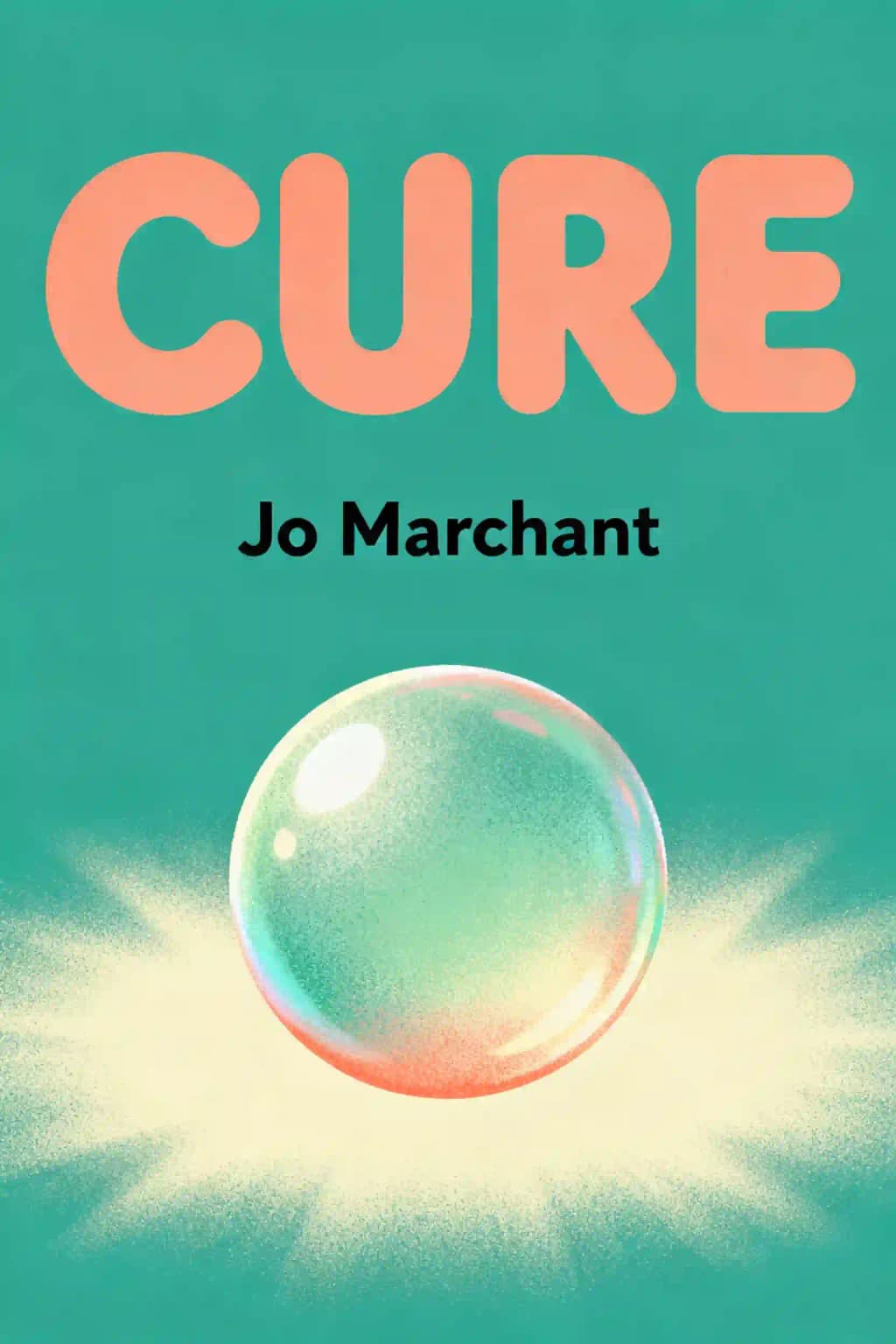
In the summer of 2016, Oprah Winfrey featured "Cure" on her must-read list, calling it "a game-changer in how we perceive pain and healing." The book quickly climbed bestseller charts as readers discovered Jo Marchant's revolutionary exploration of the mind-body connection. What makes this work so compelling isn't just its scientific rigor (Marchant holds a PhD in genetics and medical microbiology), but how it bridges the seemingly unbridgeable gap between evidence-based medicine and the undeniable power of the mind.
When celebrities like Emma Watson and Gwyneth Paltrow shared their enthusiasm for the book, it sparked a cultural conversation about healthcare that continues today. Marchant's work arrived at a critical moment when Americans were consuming 80% of the world's opioid supply and alternative medicine was booming despite limited scientific validation. Through meticulous research and vivid storytelling, she offers something precious in our polarized world: a middle path that honors both scientific evidence and human experience.
Capítulo 2
When Belief Becomes Biology
Parker Beck was developing normally until age two, when he suddenly withdrew from the world-stopping speaking, smiling, and responding to his parents. After being diagnosed with autism, he continued deteriorating until age three, when something remarkable happened during a routine endoscopy. After receiving secretin, a gut hormone, Parker began sleeping soundly, communicating again, and speaking words. His mother Victoria became convinced secretin had triggered this transformation.
After similar improvements in two other boys, Parker's story reached millions via NBC's Dateline in 1998. The pharmaceutical company producing secretin sold out within two weeks, with desperate families paying thousands on the black market. Success stories flooded in.
When medical professionals launched controlled trials, pediatrician Adrian Sandler's study revealed secretin performed no better than placebo. However, children in both groups improved significantly-those receiving saline solution saw symptoms decrease by almost 30%. This suggested the Becks hadn't imagined Parker's progress-his symptoms truly improved, but not because of secretin itself.
Similarly, 75-year-old Bonnie Anderson experienced "miraculous" relief from a vertebroplasty procedure for her spinal fracture, returning to her active golfing lifestyle. What she didn't know was that she'd received fake surgery. When surgeon David Kallmes conducted a groundbreaking placebo-controlled surgical trial, he discovered no significant difference between real and fake procedures. Both groups improved dramatically.
This pattern repeats across medicine-sleeping pills, ketamine for cancer pain, and many surgical procedures perform no better than placebos in controlled trials. Yet patients and doctors often resist these findings. After Kallmes' study, 69% of parents in the secretin trial still wanted the treatment for their children, and radiologists attacked Kallmes for "taking away something that was helping their patients."
This raises a profound question: Could the placebo effect-rather than being an illusion to dismiss-have real clinical value? Can the simple belief that we're about to get better actually heal us?
Capítulo 3
The Brain's Powerful Pharmacy
Seventy-four-year-old Rosanna Consonni struggles with Parkinson's disease, dependent on levodopa delivered through an intestinal pump. Without her medication, she arrives at Turin's Molinette Hospital clutching her husband's arm, her body in constant trembling motion. After her drug pump is activated, the transformation is remarkable-she sits upright, her chin steadies, and she moves confidently.
Neuroscientist Elisa Frisaldi's research investigates how much of this improvement comes from the drug versus expectation. Studies by neurologist Jon Stoessl showed Parkinson's patients experiencing dramatic improvements from placebos. Using brain scans, he discovered placebos tripled dopamine levels in patients' brains-equivalent to amphetamine doses in healthy people-simply from believing they'd taken medication.
Neuroscientist Fabrizio Benedetti extended this research during deep brain stimulation surgeries. His electrode recordings showed individual neurons in the subthalamic nucleus-which typically fire uncontrollably in Parkinson's-falling almost completely silent after placebo injection, identical to the response from actual medication.
At 11,500 feet above sea level on the Plateau Rosa glacier, Benedetti conducts research on placebo effects in altitude sickness. His subject, an engineer named Davide, exercises while wearing sophisticated monitoring equipment. When Davide's oxygen saturation drops dangerously low, Benedetti gives him what appears to be supplemental oxygen but is actually an empty canister-fake oxygen to test the placebo effect.
Benedetti discovered that placebos can activate multiple pathways in the brain's natural pharmacy. He found that opioid painkillers work partly through direct chemical action and partly through expectation-triggered endorphin release. His Alpine research reveals that fake oxygen reduces prostaglandin levels and vasodilation in the brain-as if volunteers were breathing real oxygen-though it cannot increase actual blood oxygen levels.
This illustrates two key limitations: placebos can only work with the body's available natural tools, and their effects tend to be limited to conscious symptoms rather than underlying disease processes. While placebos dramatically affect how we feel, they typically don't impact unconscious measures like cholesterol or directly address disease causes.
Capítulo 4
The Power of Meaning
Ted Kaptchuk proudly identifies as "deviant"-a Harvard professor with an unconventional background. His Cambridge home reflects his eclectic interests: Persian rugs, Chinese books, Japanese-style gardens, and a black skullcap atop his graying hair.
Kaptchuk's journey began when he traveled to Asia to study traditional Chinese medicine as an anti-establishment gesture. After four years in Taiwan and China, he returned with a degree in Chinese medicine and opened an acupuncture clinic in Cambridge.
Despite success as a healer, Kaptchuk became uncomfortable with his role when patients dramatically improved before treatment began. Initially fearing he might be psychic, he eventually concluded these recoveries weren't from needles or herbs but something else entirely-something he wanted to understand.
In 1998, Harvard Medical School hired him as their Chinese medicine expert. Rather than study Chinese medicine directly, Kaptchuk chose to investigate placebo effects to explain his patients' remarkable recoveries.
Linda Buonanno, shocked when told she would receive placebos for her IBS, initially dismissed the idea. "I said, 'Come on, how is a sugar pill going to work?'" Yet desperate for relief, she followed instructions and took the capsules twice daily.
Within days, her symptoms disappeared completely. "I felt fantastic," she says. "No pains, no symptoms, no nothing." For three weeks, Linda enjoyed a normal life-eating freely, socializing, even celebrating at Olive Garden. When the study ended, her symptoms returned within days despite her pleas for more placebos.
Linda wasn't alone. Kaptchuk's groundbreaking 2010 study included 80 IBS patients, with half receiving openly-labeled placebos. Remarkably, these patients did significantly better than those receiving no treatment. He replicated these results with depression and migraines, finding that even when patients knew they were taking placebos, their pain decreased by 30%.
The placebo effect has a darker counterpart-the nocebo effect. In 2012, over 100 Afghan schoolgirls were hospitalized with symptoms of poisoning believed to be a Taliban attack. Despite media coverage and police accusations, tests revealed no toxins. The World Health Organization concluded it was "mass psychogenic illness"-real physical symptoms triggered purely by belief, demonstrating the powerful influence of the mind over physical symptoms.
Capítulo 5
The Power of Conditioning
Conditioning-the mind's ability to trigger physical responses through mental cues-offers a powerful pathway for harnessing placebo effects. Just as thinking about a lemon can make your mouth water, the body learns to associate pills or treatments with specific physiological changes. Unlike placebo responses based on conscious expectation, conditioned responses happen automatically once learned, even when we know we're taking a placebo.
When combined with active medication, conditioning dramatically increases placebo effectiveness. Benedetti's research shows that while standard placebo responses vary widely, conditioning with active drugs first raises response rates to nearly 100%. This principle was successfully applied by pediatrician Adrian Sandler in treating ADHD children-by pairing placebos with medication during conditioning, children maintained stable symptoms even when their medication was halved, with potentially fewer side effects.
Most remarkably, conditioning can influence not just subjective symptoms but fundamental biological processes like immune function-something scientists once thought impossible. This revelation began with Bob Ader's accidental discovery that rats conditioned to associate sweetened water with an immunosuppressant drug later died when given only sweetened water, suggesting their immune systems had been suppressed by mere association.
Karl-Heinz Wilbers, a retired German psychiatrist, received a kidney transplant after twelve years on dialysis. Though the transplant freed him from the machine that filtered his blood nine hours at a time, he now depends on powerful immunosuppressant drugs that leave him vulnerable to infections and cancer, with painful side effects like burning sensations in his feet.
As part of a pioneering trial, Karl-Heinz follows a carefully designed ritual-listening to Johnny Cash's "Help Me," taking a placebo pill, and drinking a distinctive lavender-scented green liquid. This ritual aims to condition his body to enhance the immunosuppressive effect of his medication, potentially allowing him to reduce his actual drug dosage while maintaining the same protective effect against organ rejection.
Capítulo 6
Reframing Fatigue and Pain
On May 8, 1978, Reinhold Messner and Peter Habeler accomplished what many thought impossible-reaching Mount Everest's summit without supplemental oxygen. Doctors had warned they risked severe brain damage, as oxygen levels at 29,029 feet are only a third of sea level. The climbers battled extreme exhaustion, gasping for breath and collapsing repeatedly as they neared the top, yet they succeeded where physiologists had deemed human survival barely possible.
Messner and Habeler's achievement revealed a paradox about human performance at altitude. While climbers reach exhaustion faster at high elevations, studies show that below 23,300 feet, blood oxygen content remains normal despite decreased performance. When exhaustion hits, climbers' hearts aren't pumping at maximum capacity, and lactic acid levels actually fall rather than rise as altitude increases.
This contradicts the traditional explanation that reduced oxygen causes muscle fatigue. Even with maintained oxygen levels and no signs of damage to brain, muscles or heart, climbers still struggle to breathe and exercise at altitude-suggesting something else must be slowing them down.
Tim Noakes, a maverick South African physiologist, challenges the century-old dogma that fatigue results from muscles reaching physical limits. His research shows athletes never deplete oxygen or fuel reserves completely, and surprisingly, muscle activation actually decreases as exhaustion approaches-cyclists at "maximum exertion" use only 50% of available muscle fibers.
Noakes proposes the "central governor" theory: fatigue isn't physical but a protective sensation imposed by the brain to prevent catastrophic harm, maintaining a safety margin that preserves energy for potential emergencies. This explains why Mo Farah could perform sit-ups after winning Olympic gold, why we tire quickly at altitude despite adequate oxygen, and why we feel sluggish when sick or overheated.
Samantha Miller describes her descent into debilitating fatigue as "being buried alive." Once an energetic art teacher, she became bedridden after a series of illnesses. Despite recovering from these specific conditions, she was left utterly exhausted, in constant pain, and hypersensitive to stimuli, unable even to answer her door or sit up in bed. In her darkest moment, feeling misunderstood by friends and family who thought she was choosing to be ill, she asked her partner and twin sister to help her end her life.
Desperate Samantha made a deal with her loved ones: she would try specialist Peter White's treatment for six months before they would help her end her life. White, independently developing theories similar to Noakes', combined graded exercise therapy (GET) and cognitive behavioral therapy (CBT) to retrain patients' brains. Samantha's journey began with turning over in bed once hourly, gradually increasing to sitting up, then cooking in stages. Through five years of determination, she gradually reclaimed her normal life.
Capítulo 7
The Healing Power of Hypnosis
At Wythenshawe Hospital in Manchester, gastroenterologist Peter Whorwell treats patients with severe IBS. His clinic reveals the condition's devastating impact: Emma, a young mother in agonizing pain; Fraser, a man with a potentially fatal heart condition who's more distressed by uncontrollable diarrhea; and Gina, who suffers from severe constipation despite multiple surgeries and medications. Like chronic fatigue syndrome, IBS affects 10-15% of the population worldwide and is often dismissed as "all in their head" because diagnostic tests show nothing physically wrong with the gut.
Trance states have existed throughout human history, from Kalahari healing dances to Tibetan rituals where men pierce themselves without pain or bleeding. Modern hypnosis began with Franz Mesmer in the 18th century, who claimed to manipulate "animal magnetism" to cure ailments. Though his methods became fashionable in Paris, a scientific commission including Benjamin Franklin and Antoine Lavoisier debunked his magnetic fluid theory in 1784. They proved through clever experiments that Mesmer's effects came from imagination rather than any physical force, establishing the model for modern clinical trials. However, in dismissing Mesmer's therapy because it relied on suggestion, they may have overlooked its genuine healing potential.
In Whorwell's clinic, hypnotherapist Pamela Cruickshanks treats Nicole, a 48-year-old former flight attendant whose IBS developed after extreme life stresses-her son was born with special needs, her partner abandoned them, taking their money, and she became homeless. Despite eventually rebuilding her life as a dental nurse, Nicole suffered debilitating IBS symptoms for 12 years before finding Whorwell. During her sixth hypnotherapy session, Cruickshanks guides her through vivid relaxation imagery, focusing on her digestive system working properly "like waves on a calm beach." Initially skeptical, the now-serene Nicole has found relief through this approach.
While many hypnotherapists focus on psychological issues, Whorwell targeted the gut directly. His gut-focused hypnotherapy has shown remarkable longevity-81% of patients remained well after five years, with most continuing to improve. Unlike temporary placebo effects, hypnotherapy appears to create lasting changes in patients' thinking about their gut. Studies show it normalizes gut hypersensitivity, returning pain thresholds to normal ranges. Most impressively, hypnotized patients can influence physiological processes like stomach emptying speed and colon contractions-functions not normally under conscious control.
Capítulo 8
The Human Touch in Medicine
Two days after their first meeting, the author finds Terrell alert and smiling, wearing what he calls his "do anything shoe" on his bandaged foot. He's showered independently and even visited the gym. His hospital stay has been shortened from two more weeks to just three days. When asked if virtual reality helped, Terrell says his injuries still hurt but he feels "more at ease." A nurse confirms that Terrell underwent a "personality change" after his hypnosis session, becoming polite and friendly instead of sullen. Terrell particularly appreciated the forest environment: "There ain't no better place than a forest. If you was mad, you could go to a forest and get all of that out... All of the pain."
The author recounts her traumatic first childbirth experience. Despite being fit and prepared, her labor went awry with a poorly positioned baby, broken waters, artificial oxytocin, and overwhelming pain that led to panic. Feeling misunderstood by rotating midwives who seemed frustrated by her inability to cope, she eventually required an epidural and emergency C-section. The aftermath included difficulties bonding and breastfeeding, with her newborn losing over 10% of body weight while the author faced criticism from healthcare staff. Though grateful for her healthy child, she was left wondering if there might have been a better way.
For her second birth, the author chose independent midwives and a home water birth. Despite intense pain that built quickly, the trusted relationship with her midwife Jacqui Tomkins made a crucial difference. When the author expressed doubt, Jacqui's confident reassurance helped her manage the pain without fear. Unlike her first delivery with rotating hospital staff, this continuous care allowed her to find rhythm with contractions: "feel it rise, relax, close your eyes, breathe out. Like ducking under a wave into the still water instead of struggling through the crashing surf." Despite complications with the baby's positioning and a prolonged pushing phase that would typically result in hospital transfer, her midwives' continued monitoring and reassurance-"You're doing great. He'll come in his own time"-transformed what would have been an emergency C-section into a complication-free birth.
At Massachusetts General Hospital, palliative care specialist Vicki Jackson focuses on talking with terminal patients rather than prescribing treatments. In a groundbreaking 2010 study led by Jennifer Temel, 150 terminal lung cancer patients were divided into two groups: one receiving standard care focused on medical treatments, the other receiving the same treatment plus monthly palliative care sessions. Jackson's team discussed personal matters like family coping and quality of life priorities rather than medical details. The results were remarkable: patients receiving palliative care had better quality of life, less depression, and chose less aggressive end-of-life treatments. Most surprisingly, they lived significantly longer-11.6 months versus 8.9 months for the control group.
Capítulo 9
The Mind-Body Connection in Modern Medicine
In Essen University Hospital, researchers have created a modern conditioning stimulus-a bewildering turquoise-green liquid that tastes of lavender and strawberry milk. This strange concoction, which temporarily stains the mouth green, is medical psychologist Manfred Schedlowski's updated version of the cod liver oil and rose mixture used with Marette Flies.
Schedlowski has spent fifteen years transforming conditioned immune responses from anecdotal curiosities into proven therapy. In his most dramatic experiment, he transplanted second hearts into rats' abdomens. While untreated rats rejected these hearts in ten days, and drug-treated rats kept them for thirteen days, a third group-conditioned to associate immunosuppressant drugs with a sweet taste but given only sweetened water after transplant-also maintained their transplants for thirteen days. Remarkably, Schedlowski had delayed organ rejection without drugs, using only the power of conditioning.
Schedlowski partnered with nephrologist Oliver Witzke to apply conditioning techniques to kidney transplant patients. Witzke had observed that psychological crises often led to transplant rejection, particularly in younger patients. Together they designed a pilot study where patients like Karl-Heinz drank the lavender-green concoction alongside their normal medication, creating a ritual that included taking the drink in the same place while listening to specific music.
The results were promising-the green drink suppressed immune cell populations by an additional 20-40% beyond the effect of drugs alone. A larger trial with 50 patients is now underway, with hopes of eventually reducing drug doses for transplant patients, potentially extending to autoimmune diseases and even cancer.
Jon Kabat-Zinn bridged an even wider gap than Elizabeth Blackburn's leap between psychiatry and biochemistry. A molecular biologist and yoga practitioner, he believed meditation could help patients for whom medicine had no answers. In 1979, he developed an eight-week mindfulness-based stress reduction (MBSR) course, stripping meditation of its religious elements to make it medically acceptable. His clinic at the University of Massachusetts took patients "for whom doctors had no hope." Since then, mindfulness has exploded into a cultural phenomenon with nearly one in ten Americans now meditating. Scientific studies consistently show MBSR reduces chronic pain, anxiety, and stress while improving quality of life.
At the University of Exeter's Mood Disorders Center, Mindfulness-Based Cognitive Therapy (MBCT) offers an alternative to antidepressants for those with recurrent depression. Unlike conventional treatments that target chemical imbalances, MBCT combines mindfulness with elements of cognitive behavioral therapy to help patients stay well by recognizing warning signs before relapse. In impressive clinical trials, MBCT cut depression relapse rates in half and proved as effective as medication without side effects.
Capítulo 10
Reconnecting for Health
The Nicoya peninsula in northwestern Costa Rica is one of the most beautiful places on earth, where expats surf and practice yoga while locals live simple rural lives as farmers, fishermen and cowboys. Despite limited access to basics like electricity, Nicoyans possess a remarkable secret: extraordinary longevity. Studies show that 60-year-old Nicoyan men can expect to live another 24.3 years-longer than even the Japanese. This biological advantage is reflected in their telomeres, which are longer than those of other Costa Ricans. The secret isn't diet, genes, or wealth; rather, it appears to be their strong social connections. Nicoyans who don't see family weekly or who live alone lose this longevity advantage completely.
Lupita Quereda, a 69-year-old Chilean political refugee living in grim South London public housing, offers a stark contrast to the connected Nicoyans. Once an active journalist and social worker who loved traveling, Lupita went completely blind at 58 from toxoplasmosis. Though she's regained her independence, learning to shop, clean and bake, her poor hearing isolates her terribly. She avoids social events and spends many days completely alone with only audio books for company. "To me, the universe is connection," she says. "If you start to lose that, you start to die."
The connection between social bonds and survival emerged in the 1950s when James House tracked residents of Tecumseh, Michigan, finding that socially isolated adults were twice as likely to die over the following decade. By 1988, House concluded that social isolation was as dangerous as obesity, inactivity and smoking. Later research analyzing 148 studies confirmed that lacking strong social bonds doubles mortality risk from all causes-more dangerous than even obesity or lack of exercise.
In 2007, Cacioppo discovered that social stress affects us at the DNA level. Comparing blood samples from Chicago's loneliest and most socially connected elderly residents, he found significant differences in over 200 genes. Lonely people showed increased activity in inflammation-related genes and decreased activity in antiviral and antibody-producing genes-the opposite pattern of socially connected people. This makes evolutionary sense: isolated individuals historically needed wound-healing responses, while socially connected people needed protection from contagious diseases. Today, this genetic profile leaves lonely people vulnerable to chronic inflammation while reducing their defense against viruses and cancer.
Capítulo 11
Finding Meaning in Suffering
At Lourdes, millions of pilgrims seek healing at the sacred baths where volunteers immerse visitors in icy water. This Catholic pilgrimage site, established after Bernadette's visions of the Virgin Mary in 1858, uniquely validates reported cures through scientific investigation. Of over 7,000 claimed recoveries, 69 have been officially recognized as miracles. The site raises profound questions about how religious experience might affect physical health.
Scientific interest in spirituality's health effects has surged recently, with studies linking religious belief to better health outcomes including lower rates of heart disease, better immune function, and longer lifespans. While some researchers advocate integrating spirituality into medical practice, critics like Richard Sloan argue these studies don't adequately account for confounding factors like healthier lifestyles among religious people. However, meta-analyses suggest religious attendance may reduce mortality by 20% even after controlling for these factors. Beyond simple placebo effects, religious belief might influence health through deeper psychological and social mechanisms.
After being diagnosed with HIV at 29, Sheri Kaplan transformed her life by founding the Center for Positive Connections, a support group for heterosexuals with HIV that grew to serve over 1,500 members. She interpreted her illness as part of God's plan, giving her life new purpose. Remarkably, she stayed healthy despite her diagnosis in the mid-1990s, before effective treatments were widely available. She credited her religious faith with keeping the virus at bay-a belief shared by half of HIV patients in a 2006 study. Psychologist Gail Ironson began investigating whether spirituality might indeed influence health outcomes in HIV patients who defied expectations by not getting sick. Her research confirmed that patients who became more religious after diagnosis maintained higher CD4 cell counts and lower viral loads, even after accounting for lifestyle factors.
If religious belief's physiological effects can be explained through stress reduction and ritual, does spirituality itself matter? Research suggests it does. In Sweden, nature is often seen as sacred, with people experiencing it similarly to how religious people experience God. Others hold their work, family, or vision of a just world as sacred. Having a meaning or purpose beyond ourselves helps us physically. In a Colorado meditation retreat study, participants with a greater sense of purpose showed higher telomerase levels, which slow cellular aging. UCLA's Steve Cole found people with eudaimonic well-being (satisfaction from meaningful activities) had lower inflammation-related gene expression than those driven by shallow pleasures. Feeling part of something bigger helps us face daily stresses and our mortality.
At Lourdes, the author meets Christopher, a 24-year-old with Rubinstein-Taybi syndrome, his sister Mary-Rose with genetic tumors, and their mother Rose from Ireland. Rose first brought Christopher when he was four months old with one month to live, wanting "him to have no pain when he died." Now she brings both children annually. Christopher has defied expectations, surviving 17 surgeries, while Mary-Rose's seizures decreased from 40 to 3 daily. But Rose herself may need Lourdes most-caring full-time for two disabled children and an ill husband leaves her isolated. "Here, I can be Rose. I'm a person as well," she explains. "There's a big weight on my shoulders, and by the time I get home, it is gone." At Lourdes, the sick are valued as people rather than diagnoses, creating what de Franciscis calls "the real miracle of Lourdes"-a model where biological health intertwines with psychological, emotional and spiritual wellbeing.