Capítulo 1
Unlocking Your True Potential: A Journey to Authenticity
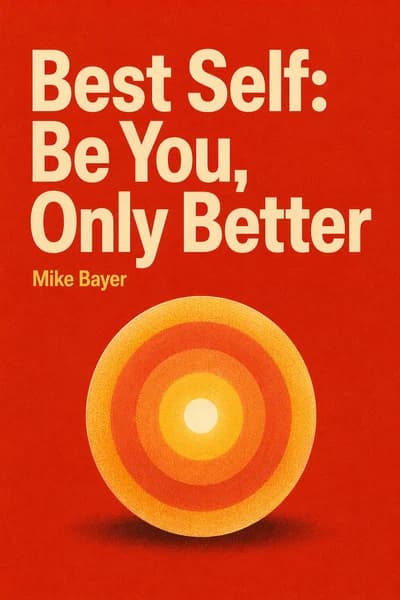
"Best Self" by Mike Bayer isn't just another self-help book-it's a roadmap to authenticity that has transformed countless lives, including celebrities like Jennifer Lopez and Joe Jonas. As Dr. Phil McGraw's go-to coach and founder of CAST Centers, Coach Mike has developed a revolutionary approach that breaks through the noise of generic advice to help you discover who you truly are beneath societal expectations and self-limiting beliefs. With over 1 million copies sold and featured on The New York Times bestseller list for 26 consecutive weeks, this book has sparked a movement of authentic living that continues to resonate across diverse audiences.
Capítulo 2
The Power of Your Authentic Self
We are all born with a unique combination of experiences, thoughts, feelings, genetics, and spirit that belongs only to us. While our early years are shaped by parents and environments before we have any control, we're rarely taught how to connect with our authentic selves. This disconnect often leaves us feeling that something is "off" in our lives.
Life experiences either strengthen our authenticity or push us away from it. Society constantly tells us who we should be, but these external pressures distract us from discovering who we truly are. The Best Self Model examines what's truly working and what isn't across your seven life SPHERES: Social life, Personal life, Health, Education, Relationships, Employment, and Spiritual development.
What makes this approach powerful is that it helps you develop a clearly defined inner voice to guide you when life gets unpredictable. By creating this internal compass, you gain an objective perspective you can summon whenever challenges arise.
A key exercise involves creating two distinct characters within yourself-your "Best Self" and your "Anti-Self." This powerful technique helps you recognize which part of you is in control during different behaviors, thoughts, and feelings.
Consider the story of a superstar musician who was struggling after his band dissolved. When we met, he was depressed and directionless, with his negative character "Minus" controlling 80% of his life. Through our work, he developed his Best Self character "Ralph" (drawn as a squirrel), who became his internal ally and guide. By putting Ralph in charge instead of Minus, he silenced his limiting beliefs and reconnected with his authentic creativity-ultimately creating award-winning music.
To discover your Best Self, start by identifying your authentic positive traits. This exercise may feel challenging because human nature tends toward self-criticism rather than self-appreciation. However, embracing your best traits becomes easier as you progress through this work.
After identifying your positive traits, create a visual representation of your Best Self as a character with specific attributes. Give this character a motto, define how it behaves in different situations, and identify its superpower. This unexpectedly powerful process helps solidify your vision of your authentic identity.
Capítulo 3
Understanding Your Shadow Side
Your Anti-Self represents the shadow side of your personality that emerges in moments of stress or frustration. Consider my friend Suzanne, whose pleasant demeanor instantly transformed into uncontrolled rage when another driver cut her off in traffic. This dramatic shift reveals how quickly we can move from our Best Self to our Anti-Self in triggering situations.
When I confronted Suzanne about her road rage episode, she was embarrassed but also dismissive, suggesting her behavior was normal given LA traffic conditions. Our conversation revealed that despite her belief that venting anger provided relief, her outbursts actually left her physically stressed with her heart racing.
This realization led to an important exercise-identifying the traits she didn't like about herself and creating her Anti-Self character named "Regina," complete with a visual representation. Suzanne also identified a second Anti-Self character called "Nell" who emerges when she feels unprepared or inexperienced. By naming and visualizing these aspects of herself, Suzanne gained power over them and could recognize their triggers before they took control.
Since perfection is unrealistic, our goal isn't to eliminate the Anti-Self entirely but to reduce its influence in our lives. Most clients find creating this list easier than identifying their Best Self traits. Don't feel shame-acknowledging these aspects removes their power over you.
After identifying your negative traits, give shape to your Anti-Self through imagination and exaggeration. This exercise allows you to laugh at yourself while creating memorable imagery that helps you recognize when your Anti-Self appears. You might need multiple characters representing different aspects of your Anti-Self. Like a screenwriter developing characters before writing dialogue, you need a complete understanding of who your Anti-Self is to predict triggers and keep them at bay.
Once you clearly understand your Anti-Self, you can consciously choose your Best Self in challenging situations. What begins as deliberate decisions will eventually become automatic responses.
Capítulo 4
The Five Tenets of Transformation
We are all artists expressing our authentic selves in unique ways. I define artistry broadly-not just painting, but any beautiful expression that benefits others. When you live as your Best Self, regardless of profession-whether making plumbing fixtures, writing code, or growing vegetables-you'll feel great about yourself.
While everyone's life journey differs, certain fundamental tools consistently prove essential to success with the Best Self Model. To prepare mentally for change, you must commit to approaching everything with curiosity, honesty, openness, willingness, and focus.
Curiosity-"a strong desire to know or learn"-inspires change. When you become curious about yourself, you illuminate dark corners of your mind and heart, discovering they're less frightening than imagined. As Walt Disney said, "Curiosity keeps leading us down new paths."
Honesty is imperative since our goal is alignment with your Best Self. Lying to yourself about anything, including fears, only creates roadblocks to progress. Honesty and integrity are one and the same-doing the right thing by yourself throughout this process.
Openness is like opening our mind's eye to see answers that were hidden because we were blind to them. Being open means being teachable. As Socrates said, "The only true wisdom is knowing you know nothing." Embrace this mindset and become like a sponge, soaking in new ideas and perspectives.
Willingness means going to whatever lengths necessary to better yourself. When I got sober sixteen years ago, I did anything suggested by mentors, sponsors, and therapists. Willingness is the action step; staying in action, not just in thought.
The final tenet is focus-staying on track. As Warren Buffett noted, "Games are won by players who focus on the playing field." Everyone focuses differently; experiment to find your optimal environment.
Capítulo 5
Overcoming Obstacles to Authenticity
Fear often holds us back without our realizing it. As FDR said, "The only thing we have to fear is fear itself." Fear lies to us, making us believe we're not good enough or capable enough. Most things we fear never actually happen, yet we waste precious energy worrying about them instead of taking positive action.
Your brain can be trained to fear things unnecessarily. To test if your fear is rational, ask: Is it factually true? Does it serve your best interests? Does it generate progress toward healthy goals? For rational fears, create a plan to prevent them from becoming reality.
The opposite of fear is faith. As an old English proverb says, "Fear knocked at the door. Faith answered. No one was there." Having faith that things will work out and believing in your capabilities removes power from your fears.
Ego is the single biggest threat to operating as your Best Self. When fears take root inside us, they can become part of our personality. When we snap at someone, lash out, claim to be better than we are, or tell white lies-that's ego. The good news is that we can learn to recognize and silence our ego.
The victim mentality is one of today's most dangerous cultural mindsets. It involves having an external locus of control-blaming outside forces for your problems instead of taking responsibility. This mentality strips away your power. While bad things do happen outside our control, we are 100% responsible for our reactions.
Thoughts like "I'm not smart enough" or "I need to prove myself" are ego-based noise rooted in fear. The powerful antidote is self-affirmation-essential truths about ourselves that push fear out of focus. Your Best Self characteristics are ready-made affirmations.
Just as we must be careful about the food we consume, we need to be selective about the information we allow into our minds. We're constantly bombarded with unsolicited information that can make us reactive or irritable. The key is to follow sources that provide factual, unbiased information while unfollowing those that generate negativity.
Capítulo 6
The Social Sphere: Authentic Connection
The SPHERES assessment tool provides a comprehensive evaluation of every aspect of a person's life, identifying both strengths and areas for growth. This section delves deeply into your Social sphere-examining not only basic communication skills but also your authentic presence and emotional comfort during social interactions. The assessment considers both in-person and digital social connections, recognizing their distinct yet interconnected nature in modern life.
Research consistently demonstrates that meaningful social interaction is fundamental to human wellbeing. Socializing not only induces happiness and combats depression but also significantly increases cognitive function and brainpower. University of Michigan researchers found that social interaction provides substantial "cognitive boosts," essentially exercising your mind similar to how physical exercise strengthens your body. Their studies showed that even brief social interactions, as short as 10 minutes, can enhance problem-solving abilities. A comprehensive Gallup-Healthways survey discovered people report peak happiness levels when spending 6-7 hours daily socializing with friends or family, whether through direct contact, phone calls, or meaningful digital communication.
While some people appear naturally charismatic, excellent social skills are predominantly learned and developed through conscious practice. Key strategies for improvement include: preparing relevant conversation topics beforehand based on current events or shared interests; developing present-moment awareness through regular meditation and mindfulness practices; asking thoughtful, open-ended questions that demonstrate genuine interest in others; and mastering the art of active listening without interrupting or preparing responses while others speak. Body language plays a crucial role - maintain open posture with uncrossed arms, appropriate eye contact, and authentic smiles that engage your entire face, not just your mouth.
Your digital presence has become increasingly significant as your social media profile often serves as your "first impression" to the world. It's essential to examine this aspect critically - are you projecting your Best Self online or falling into patterns of your Anti-Self? Consider several key factors: whether your posts contribute positively to others' lives; if your online identity authentically aligns with your real-life personality and values; the quantity and quality of time you're investing in social media interactions; and your engagement with potentially toxic or negative content that may be degrading your mental well-being or social relationships. Regular "digital audits" of your social media presence can help ensure your online interactions support rather than undermine your social growth.
Success in the social sphere requires balancing authentic self-expression with social awareness and emotional intelligence. This includes recognizing social cues, understanding appropriate boundaries, and developing the ability to navigate different social contexts while remaining true to your core values and personality.
Capítulo 7
The Personal Sphere: Self-Compassion and Growth
The most significant relationship in your life is the one you have with yourself. This section focuses on developing self-respect and self-compassion, which will positively impact all other SPHERES of your life. Remember Robin McGraw's wisdom: "It's not selfish to take care of yourself first." This fundamental truth becomes especially crucial during challenging times when we're tempted to put everyone else's needs before our own.
The messages you tell yourself can literally change your brain's structure. Through neuroplasticity, our brains remain malleable throughout life, adapting to both internal and external stimuli. When you tell yourself you're capable and strong, your brain creates new neural pathways that reinforce these beliefs; conversely, negative self-talk programs your brain for failure. Research shows that individuals who practice positive self-talk experience lower levels of stress, better immune function, and greater resilience in facing challenges.
Self-care forms the foundation of living your ideal life, yet it's often the first thing we sacrifice when overwhelmed. True self-care goes beyond occasional spa days or treats - it encompasses daily practices that nurture your physical, emotional, and spiritual well-being. This might include setting healthy boundaries, practicing regular meditation, or simply taking time to enjoy a quiet cup of tea. The more compassion you have for yourself, the more you'll have for others. When your tank is full, you have more to give away.
Rather than treating stress after it overwhelms you, build a preventative system with four key components: mindful breathing exercises (such as the 4-7-8 technique or box breathing), physical exercise (aim for at least 30 minutes of moderate activity daily), daily celebration of your life through activities that bring joy (whether it's reading, gardening, or playing with pets), and optimizing your sleep routine (maintaining consistent sleep-wake times and creating a calming bedtime ritual).
Your passion is what makes you feel plugged into the river of life, vibrating at your highest frequency. If you've lost touch with your passions, rediscover them by trying new activities-dance classes, volunteering, painting, learning languages-anything that makes you feel truly alive. Start with small experiments: take a one-day workshop, join a community group, or dedicate 15 minutes daily to a creative pursuit. Pay attention to activities that make time seem to disappear or leave you feeling energized rather than depleted.
Remember that self-growth isn't linear - it's a journey of continuous learning and adjustment. Keep a journal to track your progress and insights, celebrate small wins, and be patient with yourself during setbacks. Creating lasting change requires consistent effort and self-compassion, viewing challenges as opportunities for growth rather than failures.
Capítulo 8
The Health Sphere: Your Physical Foundation
Your Best Self wants you to prioritize your physical health because when you're unhealthy, you simply cannot show up fully in any area of your life. Health is fundamental-often ignored when it's good but all-consuming when there's a problem. This truth becomes particularly evident when we experience even minor health setbacks, from a common cold to chronic back pain, which can derail our productivity and happiness.
Consider James, who grew up as "the chubby kid" who used humor as a shield against bullying. Despite being popular and active as a child, a skiing accident at age thirteen led to a sedentary lifestyle that, combined with his unhealthy eating habits, caused significant weight gain. At 35, facing a critical decision point, he underwent gastric sleeve surgery. A year later, he'd reached a healthy weight, healed his relationship with food, and transformed his outlook on life-shifting from self-absorption to finding joy in helping others. James's story illustrates how physical health impacts not just our bodies, but our entire sense of self and purpose.
The gut-brain connection is a powerful but often overlooked aspect of health. The trillions of bacteria in our gut microbiome profoundly impact our overall wellness, immune function, and even our mental state. Research suggests that balancing these gut bacteria may eventually replace conventional treatments for depression and anxiety. Studies show that people with diverse gut bacteria tend to have better mental health outcomes, lower inflammation levels, and stronger immune systems. Simple changes like incorporating fermented foods, reducing artificial sweeteners, and eating more fiber can significantly improve gut health within weeks.
I introduce "newtrition"-a simplified approach to eating that cuts through contradictory dietary advice by focusing on food as fuel for your Best Self. Every meal presents a choice between fueling your Best Self or Anti-Self. Processed, sugary foods lead to sluggishness, mood swings, and disconnection (hallmarks of the Anti-Self), while whole, nutrient-dense foods promote alertness and balance. This isn't about strict dieting or deprivation; it's about making conscious choices. For example, starting your day with protein-rich foods like eggs or Greek yogurt instead of sugary cereals can stabilize blood sugar and improve focus for hours.
My approach to exercise is refreshingly straightforward: "The best kind of exercise is the kind you'll do." Rather than overcomplicated fitness regimens, find enjoyable activities that elevate your heart rate enough to make you sweat, and do them as consistently as possible. This might mean dancing in your living room, taking brisk walks with friends, or joining a recreational sports league. The key is sustainability and joy in movement. Research shows that even modest amounts of regular physical activity - as little as 20 minutes of daily walking - can significantly reduce the risk of chronic diseases and improve mental health.
Remember that sleep quality is equally crucial to physical health. Aim for 7-9 hours of quality sleep per night, maintaining a consistent sleep schedule and creating a relaxing bedtime routine. Poor sleep affects everything from hormone regulation to cognitive function and emotional resilience. Simple habits like avoiding screens an hour before bed and keeping your bedroom cool and dark can dramatically improve sleep quality.
Capítulo 9
Creating Your Best Life Through Relationships and Purpose
Our earliest family relationships form our behavioral patterns for life, determining our capacity to give and receive love. These attachment patterns, established in infancy and early childhood, create blueprints for how we approach relationships throughout our lives. While early attachment patterns matter significantly, adults can develop healthy relationship strategies through consistent self-awareness, effective communication, proper boundary-setting, and skillful emotional management. This process often requires recognizing and healing from past wounds while actively cultivating new patterns of interaction.
Modern media heavily shapes unrealistic perceptions of romantic relationships, fueling idealized notions through romantic comedies, social media, and advertising. The $72 billion wedding industry exemplifies this problematic focus on perfection - couples often invest more energy and resources into planning an elaborate single-day celebration than preparing for the lifetime commitment of marriage. The average American wedding now costs over $30,000, yet divorce rates remain high. I firmly reject the notion that you need a relationship to be complete, emphasizing that you can absolutely be your Best Self without an intimate relationship. True fulfillment comes from within, not from external validation or partnerships.
Parenting represents perhaps the most critical area where connecting to your Best Self becomes crucial for both parent and child development. I offer seven specific tools to help parents thrive: Purposeful Parenting (defining clear success goals for your child's development while respecting their individuality), Parenting with Clarity (communicating expectations effectively and consistently), Parenting by Negotiation (finding healthy compromise while maintaining authority), Parenting with Currency (establishing meaningful reward systems for positive behaviors), Parenting Through Change (maintaining flexibility and adopting a whatever-it-takes mentality when facing challenges), Parenting in Harmony (creating dedicated family time and minimizing digital distractions), and Parenting by Example (consistently modeling Best Self behavior in daily life).
From early childhood, society pushes us to define ourselves through future careers, focusing predominantly on professional achievements rather than personal development and fulfillment. This narrow focus often leads to identity crises and career dissatisfaction later in life. I suggest teaching children to discover their authentic selves first - their values, passions, and natural inclinations - which would lead to less depression and anxiety in adulthood. When operating from your inner purpose, work becomes an expression of your authentic self rather than a burden to bear.
Spiritual development forms the essential foundation for all other SPHERES of life, regardless of religious affiliation. Your spiritual self represents the core where goodness and light radiate outward, forming your fundamental integrity, values, and treatment of others. Extensive research demonstrates that spirituality positively affects both mental and physical health outcomes - people with strong faith connections typically live longer, experience less anxiety and depression, and report lower levels of physical pain. This spiritual foundation provides resilience during life's challenges and helps maintain perspective on what truly matters.
Capítulo 10
Transforming Insight Into Action
The people around us profoundly influence all areas of our lives. Your "team" or inner circle should consist of people you've purposely chosen because they help you be your Best Self, provide mutual inspiration, and maintain positive relationships with you. Every client I've worked with reports that analyzing and adjusting their team dramatically improved their lives.
Now that you've examined each life SPHERE, you can better understand which areas need balance to live as your Best Self. It's time to create tangible goals that will help you get what you want, need, and deserve. This is where transformation happens-where you turn hopes and dreams into reality.
Understanding what you truly want is the first step to getting it. You can't just desire an emotion like "happiness"-that's too vague. Instead, define goals in terms of specific events or behaviors. Express your goal in a quantifiable way so you can track progress and know when you've succeeded. Focus only on goals within your control.
Create a specific strategy for achieving your goal, considering obstacles and developing plans to overcome them. The power of deadlines is undeniable-we're more likely to complete tasks when there's a ticking clock. The final step is creating accountability through your team.
Dreams and desires often get pushed aside with vague promises of "someday." But when exactly is your someday? Life is short, and your role in this world is bigger than you think. It's time to transform your somedays into actual days of the week.
Time is our most precious resource, yet we often fill our calendars mechanically without purposeful introspection. Without reflection, you might realize you've spent years on activities that don't matter in the big picture. To change your life, you must change how you spend your time, creating space for what truly matters and eliminating what doesn't serve you.
Goal acquisition should become your lifestyle moving forward. The Best Self Model isn't about reaching a final destination-it's about continuous evolution. Whether your goals are small and simple or complex and detailed, the key is to replace "I need to work on that" with specific timelines and action steps. No more somedays... only today!