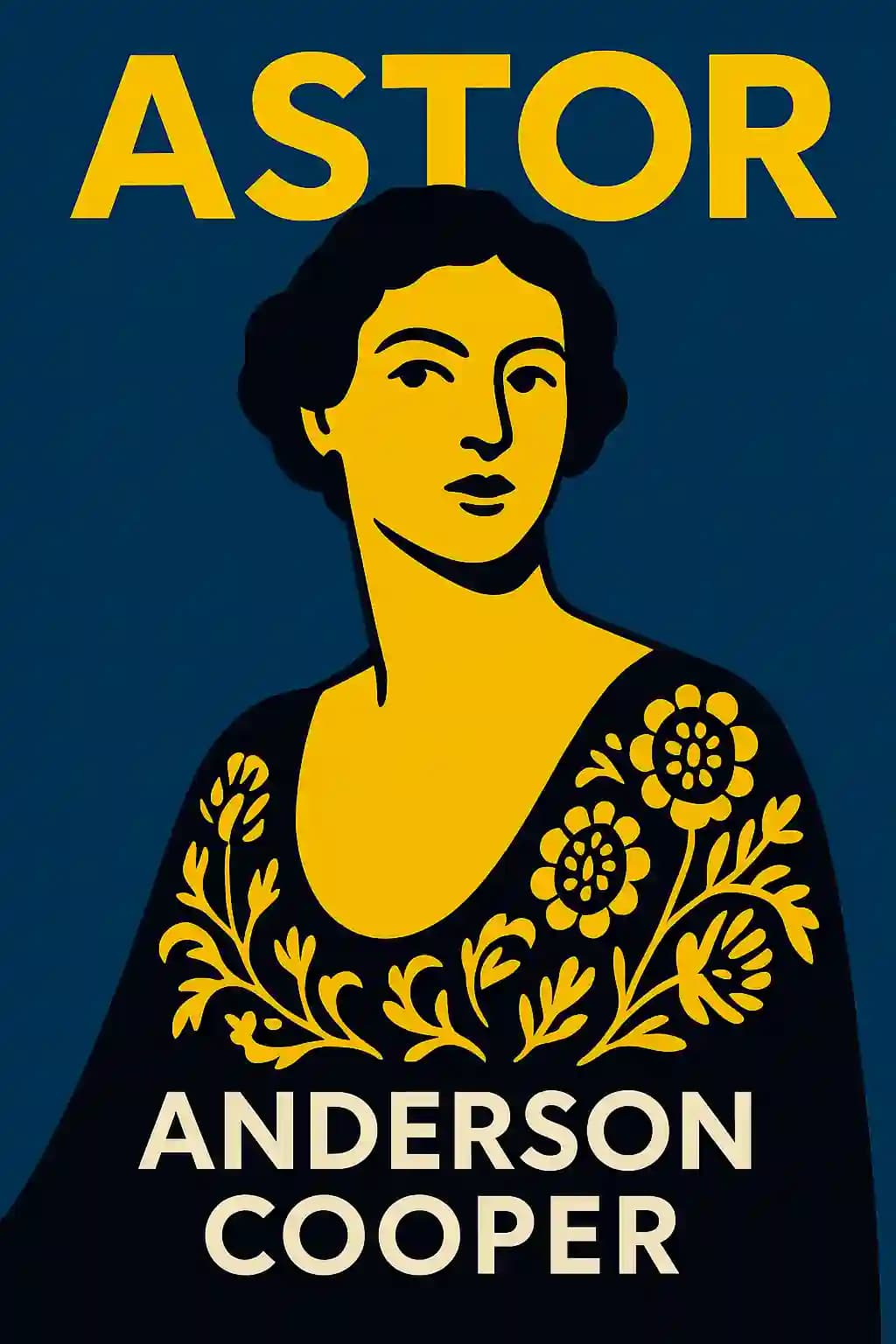
Astor
The Rise and Fall of an American Fortune
Visão geral de Astor
Anderson Cooper unveils the scandalous rise and fall of America's first mega-dynasty, from fur trade fortune to Titanic tragedy. Discover how the Astors shaped New York society while hiding brutal business practices - a #1 bestseller revealing wealth's darkest pathologies through Cooper's personal connection.

Temas principais em Astor
- gilded age excess
- intergenerational wealth decline
- global fur trade
- american dynastic politics
- monopoly building
Citações de Astor
Their story captures America's complicated relationship with extreme wealth.
Astor didn't just want wealth-he wanted to create his own nation.
He wasn't merely participating in existing markets; he was reshaping them.
Even the mightiest fortunes can crumble when the values that built them are abandoned.
Astor saw opportunities for negotiation and exploitation.
Personagens de Astor
- John Jacob AstorThe German-born founder of the Astor fortune
- Brooke AstorThe prominent socialite and philanthropist
- Jonathan ThornThe naval captain of the ill-fated ship Tonquin
- Anderson CooperThe author and descendant of the Astor family
Baixar resumo de Astor
Obtenha o resumo de Astor como PDF ou EPUB gratuito. Imprima ou leia offline a qualquer momento.
Perguntas Frequentes Sobre Este Livro
Astor chronicles the 200-year saga of the Astor dynasty, from John Jacob Astor’s ruthless fur trade empire in the 18th century to Brooke Astor’s philanthropy and her son’s 2009 fraud conviction. Anderson Cooper and Katherine Howe explore themes of ambition, wealth, and societal influence, weaving in dramatic events like the Titanic sinking and the family’s role in shaping New York City’s elite circles.
History buffs, fans of dynastic sagas, and readers interested in Gilded Age opulence will find this book compelling. It appeals to those curious about how inherited wealth impacts societal power structures and the moral complexities of American capitalism.
Yes. Cooper and Howe balance vivid storytelling with meticulous research, offering a page-turning narrative of ambition and decay. Critics note its engaging prose but caution that the blend of historical fact and dramatized scenes may blur genre lines.
John Jacob Astor amassed wealth through the beaver fur trade, described as “almost inhumane” by the authors, before expanding into Manhattan real estate. His empire, Astoria, laid the groundwork for the family’s status as America’s first millionaires and enduring symbols of excess.
Brooke Astor redirected the family fortune toward philanthropy, but her final years were marred by her son Anthony Marshall’s fraud conviction for exploiting her Alzheimer’s to steal millions. The scandal marked the end of the Astors’ financial and social dominance.
John Jacob Astor IV died on the Titanic in 1912, a pivotal moment symbolizing the family’s vulnerability despite their wealth. His death underscored the fleeting nature of legacy, a recurring theme in the book.
The authors blend archival accounts, personal anecdotes (like Brooke Astor’s Mortimer’s luncheons), and cultural analysis. This approach creates an immersive read but occasionally blurs the line between historical record and dramatic embellishment.
Some reviewers note the book’s hybrid style—part biography, part sensationalized drama—can make it hard to distinguish fact from narrative flair. However, its fast-paced storytelling compensates for these ambiguities.
The family shaped Manhattan through real estate ventures like the Waldorf Astoria Hotel and philanthropic projects, cementing their status as architects of elite society. Their legacy persists in landmarks and cultural institutions.
Yes. Side stories include José Hermidez, a cat burglar targeting the Waldorf Astoria, and Mary Astor, a Hollywood actress unrelated to the dynasty. These tangents highlight the Astors’ mythic status in American culture.
The book examines how generational wealth corrupts, juxtaposing John Jacob’s cutthroat ambition with Brooke’s altruism. It questions whether immense fortune inevitably leads to moral compromise or societal progress.
Like Vanderbilt, Astor dissects a legendary family’s rise and fall but focuses more on philanthropy’s role in reshaping legacy. Both books use narrative-driven history to humanize their subjects while critiquing systemic greed.