Overview of To Kill a Mockingbird
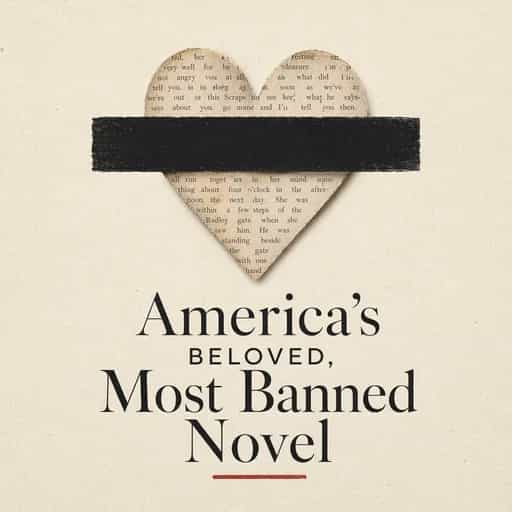
Harper Lee's masterpiece exploring racial injustice through a child's eyes has sold 40+ million copies worldwide. Beloved by Obama and Oprah, this Pulitzer-winning novel inspired an Oscar-winning film and remains one of America's most banned - yet most essential - literary treasures.
- Harper Lee frames prejudice as a societal disease through the rabid dog metaphor
- True courage is persisting when defeat is certain, not wielding a gun
- The mockingbird represents innocence destroyed by injustice - Tom Robinson and Boo Radley
- Moral growth requires seeing through others' eyes before judging their actions
- Injustice thrives when good people choose silence over moral action
- Childhood innocence shatters upon confronting racial hierarchies and biased legal systems
- Atticus Finch redefines bravery as emotional resilience against social persecution
- The Ewell case exposes how poverty and racism intertwine in justice failures
- Lee's camellias symbolize hidden beauty surviving amid cultural ugliness and hate
- Parenting through example beats lecturing - Atticus's integrity teaches more than words
- Small-town myths mask deeper truths, as shown through Boo Radley's redemption
- Empathy becomes revolutionary when practiced in racist systems designed to dehumanize
About the Author of To Kill a Mockingbird
Harper Lee (1926–2016), born Nelle Harper Lee in Monroeville, Alabama, was the Pulitzer Prize-winning author of To Kill a Mockingbird, a landmark novel in American literature exploring themes of racial injustice, moral courage, and childhood innocence.
Drawing from her upbringing as the daughter of a lawyer and her early legal studies at the University of Alabama, Lee crafted the iconic character Atticus Finch, whose principled defense of a Black man falsely accused of rape remains a defining narrative of empathy and integrity. Her work is deeply rooted in Southern Gothic traditions, reflecting her firsthand observations of societal inequities in the Jim Crow-era South.
Lee’s only other published novel, Go Set a Watchman, written before To Kill a Mockingbird but released in 2015, revisits the Finch family two decades later, further cementing her legacy in exploring complex moral landscapes. Awarded the Presidential Medal of Freedom in 2007, Lee’s masterpiece has sold over 40 million copies worldwide, been translated into more than 40 languages, and inspired an Academy Award-winning film adaptation. It continues to be a cornerstone of educational curricula and a touchstone for discussions on justice and human dignity.
FAQs About To Kill a Mockingbird
What is To Kill a Mockingbird about?
To Kill a Mockingbird follows Scout Finch’s coming-of-age in 1930s Alabama as her father, Atticus Finch, defends Tom Robinson, a Black man falsely accused of rape. The novel explores themes of racial injustice, moral growth, and societal prejudice through Scout’s perspective, paralleling the innocence of characters like Tom and Boo Radley with the symbolic "mockingbird" motif.
Who should read To Kill a Mockingbird?
The book resonates with young adults, literature students, educators, and readers interested in social justice. Its exploration of racism, empathy, and moral courage makes it essential for classrooms and discussions about historical and contemporary inequity.
Is To Kill a Mockingbird worth reading?
Yes. A Pulitzer Prize winner and modern classic, the novel remains culturally significant for its timeless themes, memorable characters, and critique of systemic prejudice. It’s widely taught and praised for its accessibility and emotional depth.
What are the main themes in To Kill a Mockingbird?
Key themes include racial injustice, moral integrity, loss of innocence, and empathy. The story critiques societal hypocrisy while emphasizing the importance of understanding others’ perspectives—epitomized by Atticus’s advice to “climb into someone’s skin and walk around in it”.
What does the mockingbird symbolize?
The mockingbird represents innocence and harmlessness. Tom Robinson and Boo Radley are symbolic “mockingbirds” unjustly targeted by society. Atticus’s warning that “it’s a sin to kill a mockingbird” underscores the moral duty to protect the vulnerable.
Why is Atticus Finch important?
Atticus embodies moral courage, defending Tom Robinson despite community backlash. His parenting style—teaching Scout and Jem empathy and justice—positions him as a moral anchor. His integrity and fairness make him one of literature’s most revered characters.
How does the Great Depression setting shape the story?
Set in 1930s Alabama, the backdrop amplifies themes of poverty and racial tension. The Finch family’s relative privilege contrasts with the Ewells’ destitution, while Jim Crow laws contextualize Tom Robinson’s wrongful conviction.
What role does Boo Radley play?
Boo, a reclusive neighbor, evolves from a childhood myth into a protective figure. His acts of kindness—leaving gifts and saving Scout and Jem—highlight the dangers of prejudice. His rescue symbolizes hidden goodness in misunderstood individuals.
What are key quotes from To Kill a Mockingbird?
- “Until you climb into his skin…”: Atticus’s lesson on empathy.
- “Mockingbirds don’t do one thing…”: Miss Maudie on innocence.
- “The one thing that doesn’t abide…”: Atticus on majority rule vs. conscience.
What criticisms does To Kill a Mockingbird face?
Critics argue it oversimplifies racism by centering white savior narratives and marginalizing Black voices like Tom’s. Others note its lack of direct engagement with systemic oppression beyond individual morality.
How does To Kill a Mockingbird compare to other classics?
Unlike The Adventures of Huckleberry Finn, which uses satire, Lee’s novel blends courtroom drama with childhood introspection. Both critique racism but differ in tone and narrative structure.
Why is To Kill a Mockingbird still relevant today?
Its themes of racial bias, moral accountability, and social justice mirror modern debates. The novel’s plea for empathy and ethical courage remains urgent in addressing systemic inequality.
Feel the book through the author's voice
Turn knowledge into engaging, example-rich insights
Capture key ideas in a flash for fast learning
Enjoy the book in a fun and engaging way
Key Themes in To Kill a Mockingbird
Quotes from To Kill a Mockingbird
You never really understand a person until you consider things from his point of view--until you climb into his skin and walk around in it.
Shoot all the bluejays you want, if you can hit 'em, but remember it's a sin to kill a mockingbird.
I wanted you to see what real courage is, instead of getting the idea that courage is a man with a gun in his hand. It's when you know you're licked before you begin, but you begin anyway and see it through no matter what.
People generally see what they look for, and hear what they listen for.
It's not okay to hate anybody.
Characters in To Kill a Mockingbird
Quick Summary Mode - Read or listen to To Kill a Mockingbird Summary in 9 Minutes

Break down key ideas from To Kill a Mockingbird into bite-sized takeaways to understand how innovative teams create, collaborate, and grow.

Flash Card Mode - Top 8 Insights from To Kill a Mockingbird in a Nutshell

Distill To Kill a Mockingbird into rapid-fire memory cues that highlight key principles of candor, teamwork, and creative resilience.

Fun Mode - To Kill a Mockingbird Lessons Told Through 21-Min Stories

Experience To Kill a Mockingbird through vivid storytelling that turns innovation lessons into moments you'll remember and apply.
Personalize Mode - Read or listen to To Kill a Mockingbird Summary in 0 Minutes

Ask anything, pick the voice, and co-create insights that truly resonate with you.

From Columbia University alumni built in San Francisco
"Instead of endless scrolling, I just hit play on BeFreed. It saves me so much time."


"I never knew where to start with nonfiction—BeFreed’s book lists turned into podcasts gave me a clear path."


"Perfect balance between learning and entertainment. Finished ‘Thinking, Fast and Slow’ on my commute this week."
"Crazy how much I learned while walking the dog. BeFreed = small habits → big gains."
"Reading used to feel like a chore. Now it’s just part of my lifestyle."

"Feels effortless compared to reading. I’ve finished 6 books this month already."
"BeFreed turned my guilty doomscrolling into something that feels productive and inspiring."

"BeFreed turned my commute into learning time. 20-min podcasts are perfect for finishing books I never had time for."
"BeFreed replaced my podcast queue. Imagine Spotify for books — that’s it. 🙌"

"It is great for me to learn something from the book without reading it."
"The themed book list podcasts help me connect ideas across authors—like a guided audio journey."
"Makes me feel smarter every time before going to work"
From Columbia University alumni built in San Francisco
"Instead of endless scrolling, I just hit play on BeFreed. It saves me so much time."
"I never knew where to start with nonfiction—BeFreed’s book lists turned into podcasts gave me a clear path."
"Perfect balance between learning and entertainment. Finished ‘Thinking, Fast and Slow’ on my commute this week."
"Crazy how much I learned while walking the dog. BeFreed = small habits → big gains."
"Reading used to feel like a chore. Now it’s just part of my lifestyle."
"Feels effortless compared to reading. I’ve finished 6 books this month already."
"BeFreed turned my guilty doomscrolling into something that feels productive and inspiring."
"BeFreed turned my commute into learning time. 20-min podcasts are perfect for finishing books I never had time for."
"BeFreed replaced my podcast queue. Imagine Spotify for books — that’s it. 🙌"
"It is great for me to learn something from the book without reading it."
"The themed book list podcasts help me connect ideas across authors—like a guided audio journey."
"Makes me feel smarter every time before going to work"
"Instead of endless scrolling, I just hit play on BeFreed. It saves me so much time."
"I never knew where to start with nonfiction—BeFreed’s book lists turned into podcasts gave me a clear path."
"Perfect balance between learning and entertainment. Finished ‘Thinking, Fast and Slow’ on my commute this week."
"Crazy how much I learned while walking the dog. BeFreed = small habits → big gains."
"Reading used to feel like a chore. Now it’s just part of my lifestyle."
"Feels effortless compared to reading. I’ve finished 6 books this month already."
"BeFreed turned my guilty doomscrolling into something that feels productive and inspiring."
"BeFreed turned my commute into learning time. 20-min podcasts are perfect for finishing books I never had time for."
"BeFreed replaced my podcast queue. Imagine Spotify for books — that’s it. 🙌"
"It is great for me to learn something from the book without reading it."
"The themed book list podcasts help me connect ideas across authors—like a guided audio journey."
"Makes me feel smarter every time before going to work"
"Instead of endless scrolling, I just hit play on BeFreed. It saves me so much time."
"I never knew where to start with nonfiction—BeFreed’s book lists turned into podcasts gave me a clear path."
"Perfect balance between learning and entertainment. Finished ‘Thinking, Fast and Slow’ on my commute this week."
"Crazy how much I learned while walking the dog. BeFreed = small habits → big gains."
"Reading used to feel like a chore. Now it’s just part of my lifestyle."
"Feels effortless compared to reading. I’ve finished 6 books this month already."
"BeFreed turned my guilty doomscrolling into something that feels productive and inspiring."
"BeFreed turned my commute into learning time. 20-min podcasts are perfect for finishing books I never had time for."
"BeFreed replaced my podcast queue. Imagine Spotify for books — that’s it. 🙌"
"It is great for me to learn something from the book without reading it."
"The themed book list podcasts help me connect ideas across authors—like a guided audio journey."
"Makes me feel smarter every time before going to work"

Get the To Kill a Mockingbird summary as a free PDF or EPUB. Print it or read offline anytime.