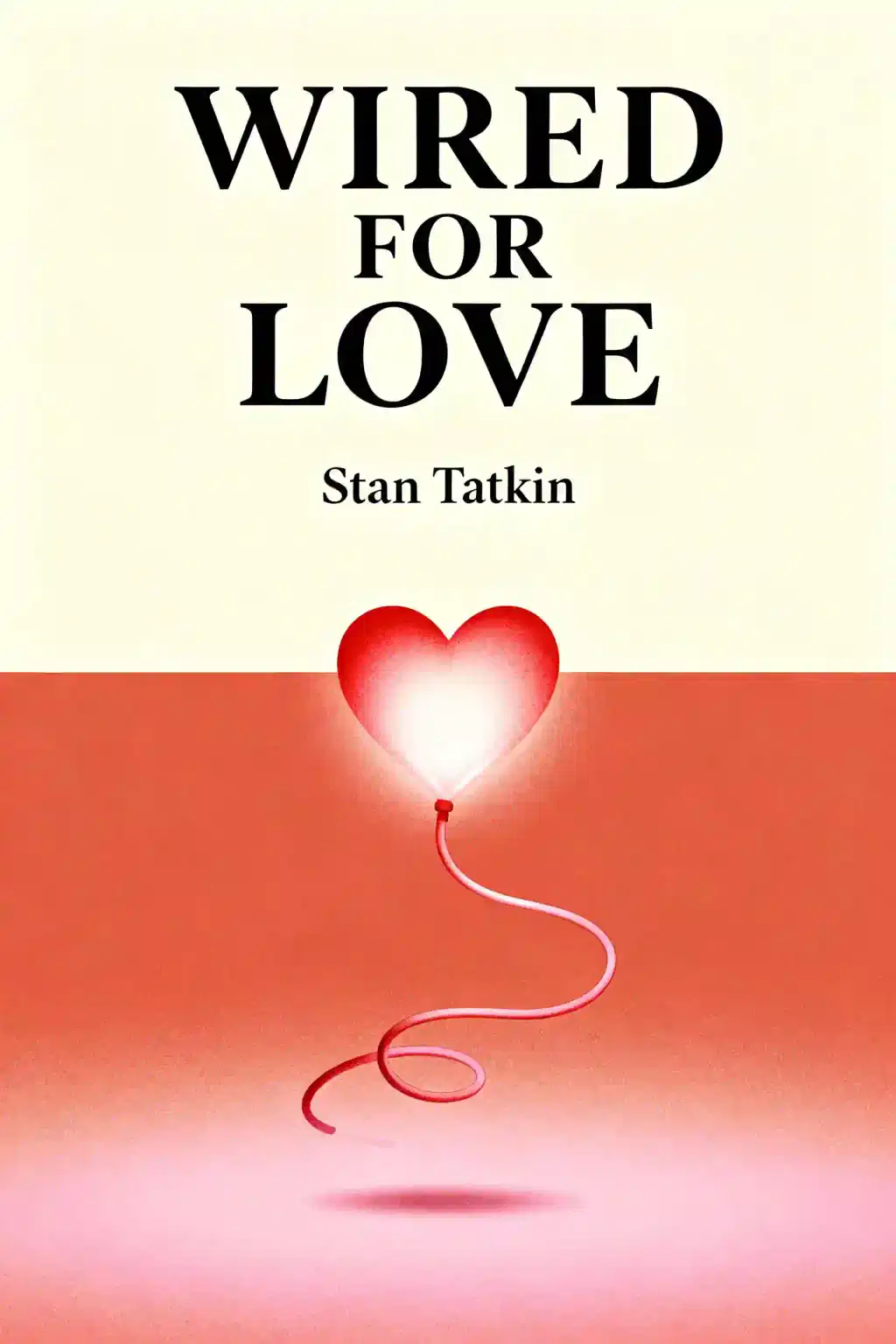
Wired for Love: The Biology of Connection
Arguments often trigger our survival instincts instead of our hearts. Learn how to rewire your brain's response to build a secure 'couple bubble'.

Best quote from Wired for Love: The Biology of Connection
The secret to a lasting, secure partnership isn't found in finding the 'perfect' person, but in understanding the biological machinery under the hood of your relationship and seeing your partner as a nervous system that you have the power to soothe, protect, and inspire.
Generated with BeFreed
An audio lesson about the book Wired for Love, covering its key ideas and takeaways.


Frequently Asked Questions
The couple bubble is a protective mental and emotional membrane that partners create to ensure both people feel completely safe and secure. It is a mutual pact that prioritizes the relationship above outside stressors and the individual need to be right. By establishing this sanctuary, partners reduce the energy wasted on scanning for threats or fearing abandonment, allowing their nervous systems to relax and their best selves to emerge.
The "primitives" are the survival-focused parts of the brain, like the amygdala, which trigger a "fight, flight, or freeze" response during conflict. When these take over, a rational conversation can quickly turn into an emotional war. The "ambassadors" are the evolved, social parts of the brain responsible for empathy and logic. To have a healthy relationship, partners must learn to soothe their primitives—using deep breaths or soft eye contact—to invite the ambassadors back into the room.
Based on childhood experiences, people generally fall into three categories: Anchors, Islands, or Waves. Anchors are comfortable with closeness and are quick to repair issues. Islands value self-reliance and may seek emotional distance or space as a survival mechanism. Waves seek constant connection but often fear they are "too much" or will never be truly secure. Understanding these styles helps partners view frustrating behaviors as biological wiring rather than personal attacks.
Launching and landing rituals are consistent habits practiced during daily transitions, such as waking up, going to bed, or reuniting after work. These moments are critical for resetting the nervous system and maintaining connection. Examples include spending a few minutes eye-gazing before sleep, sharing a "welcome home" embrace until both bodies relax, or ensuring partners go to bed at the same time to prevent feelings of abandonment.
A "third" is any person, hobby, or habit—such as an in-law, a child, or a demanding job—that intrudes on the couple's connection. To protect the bubble, partners must present a united front and ensure neither person ever feels like a "third wheel." This involves prioritizing communication with each other before outsiders and integrating outside interests into the relationship rather than letting them create private compartments or wedges.
From Columbia University alumni built in San Francisco
"Instead of endless scrolling, I just hit play on BeFreed. It saves me so much time."


"I never knew where to start with nonfiction—BeFreed’s book lists turned into podcasts gave me a clear path."


"Perfect balance between learning and entertainment. Finished ‘Thinking, Fast and Slow’ on my commute this week."
"Crazy how much I learned while walking the dog. BeFreed = small habits → big gains."
"Reading used to feel like a chore. Now it’s just part of my lifestyle."

"Feels effortless compared to reading. I’ve finished 6 books this month already."
"BeFreed turned my guilty doomscrolling into something that feels productive and inspiring."

"BeFreed turned my commute into learning time. 20-min podcasts are perfect for finishing books I never had time for."
"BeFreed replaced my podcast queue. Imagine Spotify for books — that’s it. 🙌"

"It is great for me to learn something from the book without reading it."
"The themed book list podcasts help me connect ideas across authors—like a guided audio journey."
"Makes me feel smarter every time before going to work"
From Columbia University alumni built in San Francisco
"Instead of endless scrolling, I just hit play on BeFreed. It saves me so much time."
"I never knew where to start with nonfiction—BeFreed’s book lists turned into podcasts gave me a clear path."
"Perfect balance between learning and entertainment. Finished ‘Thinking, Fast and Slow’ on my commute this week."
"Crazy how much I learned while walking the dog. BeFreed = small habits → big gains."
"Reading used to feel like a chore. Now it’s just part of my lifestyle."
"Feels effortless compared to reading. I’ve finished 6 books this month already."
"BeFreed turned my guilty doomscrolling into something that feels productive and inspiring."
"BeFreed turned my commute into learning time. 20-min podcasts are perfect for finishing books I never had time for."
"BeFreed replaced my podcast queue. Imagine Spotify for books — that’s it. 🙌"
"It is great for me to learn something from the book without reading it."
"The themed book list podcasts help me connect ideas across authors—like a guided audio journey."
"Makes me feel smarter every time before going to work"
"Instead of endless scrolling, I just hit play on BeFreed. It saves me so much time."
"I never knew where to start with nonfiction—BeFreed’s book lists turned into podcasts gave me a clear path."
"Perfect balance between learning and entertainment. Finished ‘Thinking, Fast and Slow’ on my commute this week."
"Crazy how much I learned while walking the dog. BeFreed = small habits → big gains."
"Reading used to feel like a chore. Now it’s just part of my lifestyle."
"Feels effortless compared to reading. I’ve finished 6 books this month already."
"BeFreed turned my guilty doomscrolling into something that feels productive and inspiring."
"BeFreed turned my commute into learning time. 20-min podcasts are perfect for finishing books I never had time for."
"BeFreed replaced my podcast queue. Imagine Spotify for books — that’s it. 🙌"
"It is great for me to learn something from the book without reading it."
"The themed book list podcasts help me connect ideas across authors—like a guided audio journey."
"Makes me feel smarter every time before going to work"
"Instead of endless scrolling, I just hit play on BeFreed. It saves me so much time."
"I never knew where to start with nonfiction—BeFreed’s book lists turned into podcasts gave me a clear path."
"Perfect balance between learning and entertainment. Finished ‘Thinking, Fast and Slow’ on my commute this week."
"Crazy how much I learned while walking the dog. BeFreed = small habits → big gains."
"Reading used to feel like a chore. Now it’s just part of my lifestyle."
"Feels effortless compared to reading. I’ve finished 6 books this month already."
"BeFreed turned my guilty doomscrolling into something that feels productive and inspiring."
"BeFreed turned my commute into learning time. 20-min podcasts are perfect for finishing books I never had time for."
"BeFreed replaced my podcast queue. Imagine Spotify for books — that’s it. 🙌"
"It is great for me to learn something from the book without reading it."
"The themed book list podcasts help me connect ideas across authors—like a guided audio journey."
"Makes me feel smarter every time before going to work"