Why We Love: The Biology of Human Bonds
Is love a poetic mystery or an evolutionary bribe? Discover how neurochemistry and ancient survival needs drive our deepest relationships and health.
Best quote from Why We Love: The Biology of Human Bonds
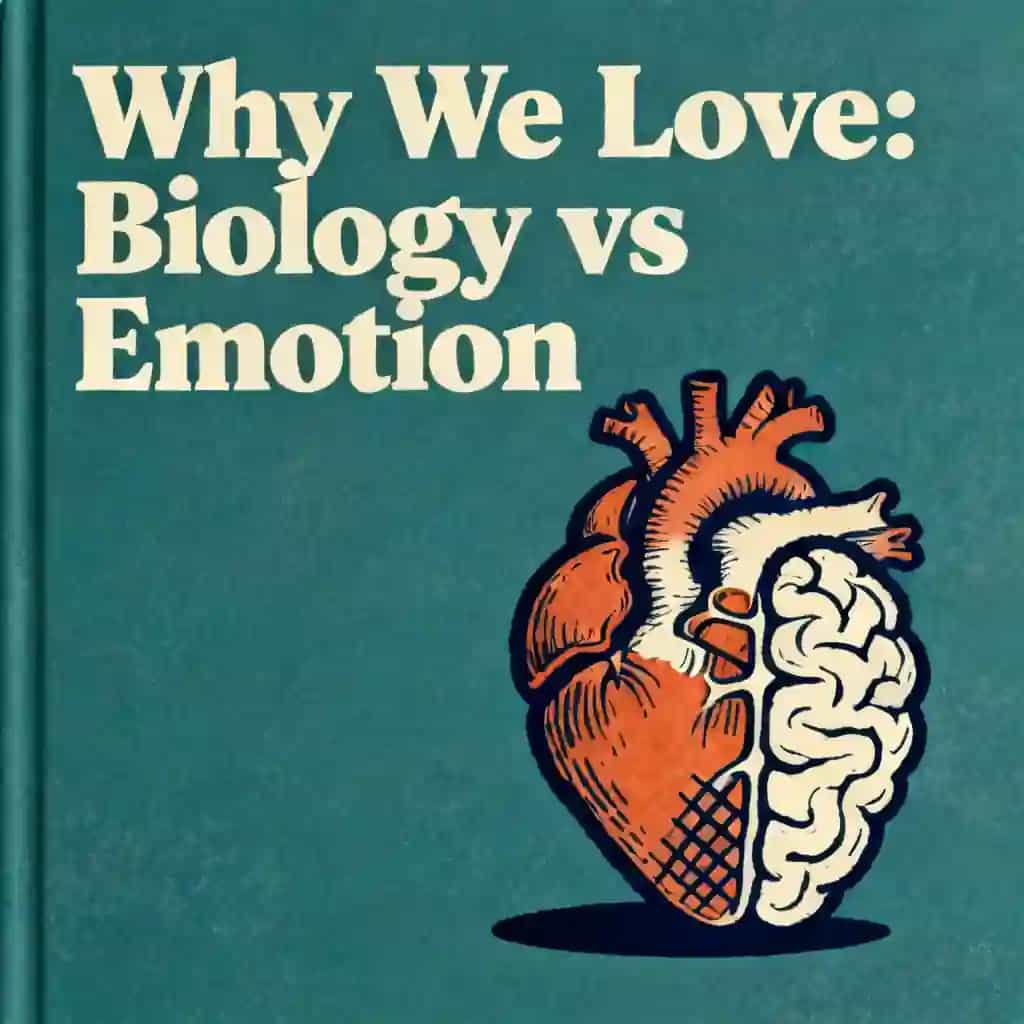
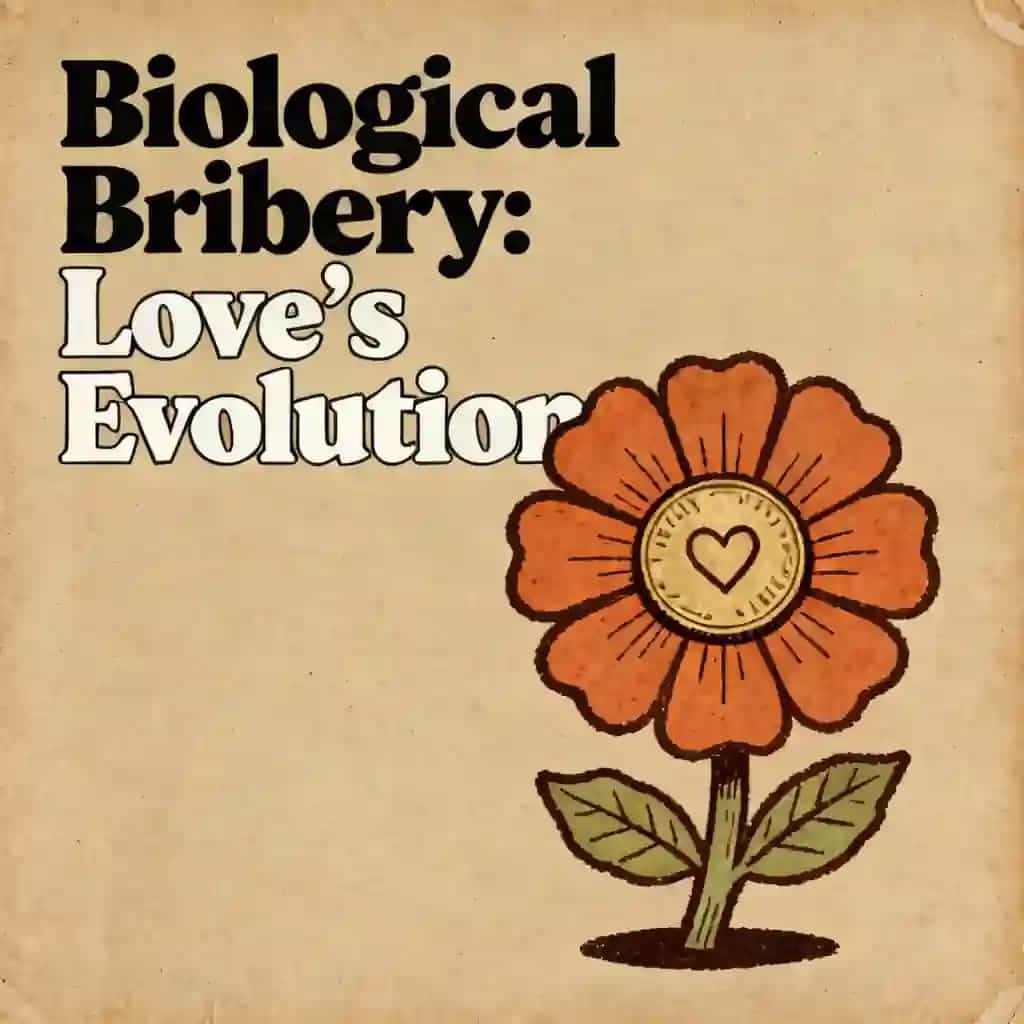
Love is actually an evolutionary trick, a complex cocktail of neurochemicals designed to bribe you into forming the very relationships that ensure your survival and the continuation of our species.
Generated with BeFreed
An audio lesson about the book Why We Love, covering its key ideas and takeaways.


Frequently Asked Questions
Love is considered a form of biological bribery because evolution uses a cocktail of neurochemicals to reward humans for forming the relationships necessary for survival. Because human infants are born developmentally premature and helpless, they require years of intensive care that no single person can provide alone. To ensure that parents and communities invest the necessary time and resources into offspring, the brain releases chemicals like oxytocin, dopamine, and beta-endorphins, turning a survival necessity into a pleasurable and addictive experience.
The initial "spark" of love is primarily driven by oxytocin and dopamine. Oxytocin lowers social anxiety and builds trust, while dopamine acts as a "hormone of vigor" that drives the obsession and pursuit of a partner. However, these chemicals do not sustain long-term relationships. Enduring bonds are maintained by beta-endorphin, the body’s natural painkiller. This chemical acts as a "long-term glue" that creates a sense of safety and warmth, and it is released through physical touch and shared activities like laughing, singing, or exercising together.
The way an individual experiences love as an adult is largely a reflection of their "attachment style," which is formed around eighteen months of age. Because the human brain is unfinished at birth, the responsiveness of a caregiver actually shapes the physical structure of a child's social brain. If a parent is soothing and responsive, the child typically develops a "secure" attachment. If care is inconsistent or absent, the child may develop "insecure" styles—such as being preoccupied, avoidant, or fearful—which create deeply ingrained patterns for how they handle intimacy and abandonment later in life.
Dunbar’s Number refers to the cognitive limit of the number of people with whom a human can maintain stable social relationships. The brain lacks the "bandwidth" to maintain meaningful connections with more than about 150 people. This structure is hierarchical: most people have a core group of four to five individuals who receive about 40% of their social time. These circles then expand to 15, then 45, and finally the limit of 150. Maintaining these circles is a biological necessity, as social capital is a major predictor of health and longevity.
While Western culture often prioritizes romantic love, research suggests that friendships and "chosen families" are equally vital and often more significant factors in overall health and life satisfaction. Friendships make up the majority of our social networks and provide a unique form of intimacy that is actively chosen rather than biologically mandated. Furthermore, the same chemicals that bond romantic partners—such as beta-endorphin—are also present in deep platonic friendships and the bonds people form with their pets.
From Columbia University alumni built in San Francisco
"Instead of endless scrolling, I just hit play on BeFreed. It saves me so much time."


"I never knew where to start with nonfiction—BeFreed’s book lists turned into podcasts gave me a clear path."


"Perfect balance between learning and entertainment. Finished ‘Thinking, Fast and Slow’ on my commute this week."
"Crazy how much I learned while walking the dog. BeFreed = small habits → big gains."
"Reading used to feel like a chore. Now it’s just part of my lifestyle."

"Feels effortless compared to reading. I’ve finished 6 books this month already."
"BeFreed turned my guilty doomscrolling into something that feels productive and inspiring."

"BeFreed turned my commute into learning time. 20-min podcasts are perfect for finishing books I never had time for."
"BeFreed replaced my podcast queue. Imagine Spotify for books — that’s it. 🙌"

"It is great for me to learn something from the book without reading it."
"The themed book list podcasts help me connect ideas across authors—like a guided audio journey."
"Makes me feel smarter every time before going to work"
From Columbia University alumni built in San Francisco
"Instead of endless scrolling, I just hit play on BeFreed. It saves me so much time."
"I never knew where to start with nonfiction—BeFreed’s book lists turned into podcasts gave me a clear path."
"Perfect balance between learning and entertainment. Finished ‘Thinking, Fast and Slow’ on my commute this week."
"Crazy how much I learned while walking the dog. BeFreed = small habits → big gains."
"Reading used to feel like a chore. Now it’s just part of my lifestyle."
"Feels effortless compared to reading. I’ve finished 6 books this month already."
"BeFreed turned my guilty doomscrolling into something that feels productive and inspiring."
"BeFreed turned my commute into learning time. 20-min podcasts are perfect for finishing books I never had time for."
"BeFreed replaced my podcast queue. Imagine Spotify for books — that’s it. 🙌"
"It is great for me to learn something from the book without reading it."
"The themed book list podcasts help me connect ideas across authors—like a guided audio journey."
"Makes me feel smarter every time before going to work"
"Instead of endless scrolling, I just hit play on BeFreed. It saves me so much time."
"I never knew where to start with nonfiction—BeFreed’s book lists turned into podcasts gave me a clear path."
"Perfect balance between learning and entertainment. Finished ‘Thinking, Fast and Slow’ on my commute this week."
"Crazy how much I learned while walking the dog. BeFreed = small habits → big gains."
"Reading used to feel like a chore. Now it’s just part of my lifestyle."
"Feels effortless compared to reading. I’ve finished 6 books this month already."
"BeFreed turned my guilty doomscrolling into something that feels productive and inspiring."
"BeFreed turned my commute into learning time. 20-min podcasts are perfect for finishing books I never had time for."
"BeFreed replaced my podcast queue. Imagine Spotify for books — that’s it. 🙌"
"It is great for me to learn something from the book without reading it."
"The themed book list podcasts help me connect ideas across authors—like a guided audio journey."
"Makes me feel smarter every time before going to work"
"Instead of endless scrolling, I just hit play on BeFreed. It saves me so much time."
"I never knew where to start with nonfiction—BeFreed’s book lists turned into podcasts gave me a clear path."
"Perfect balance between learning and entertainment. Finished ‘Thinking, Fast and Slow’ on my commute this week."
"Crazy how much I learned while walking the dog. BeFreed = small habits → big gains."
"Reading used to feel like a chore. Now it’s just part of my lifestyle."
"Feels effortless compared to reading. I’ve finished 6 books this month already."
"BeFreed turned my guilty doomscrolling into something that feels productive and inspiring."
"BeFreed turned my commute into learning time. 20-min podcasts are perfect for finishing books I never had time for."
"BeFreed replaced my podcast queue. Imagine Spotify for books — that’s it. 🙌"
"It is great for me to learn something from the book without reading it."
"The themed book list podcasts help me connect ideas across authors—like a guided audio journey."
"Makes me feel smarter every time before going to work"