Why the world is safer than you think
Global violence is dropping while energy abundance grows. Learn why the 'math of hope' suggests we are heading toward a century of plenty, not collapse.

Best quote from Why the world is safer than you think
The most dangerous thing in the world isn't a lack of resources—it's a lack of hope. A story of decline breeds paralysis, but a story of possibility is what mobilizes effort and gets people to build the future.
Generated by Pneu
What could go right?

Frequently Asked Questions
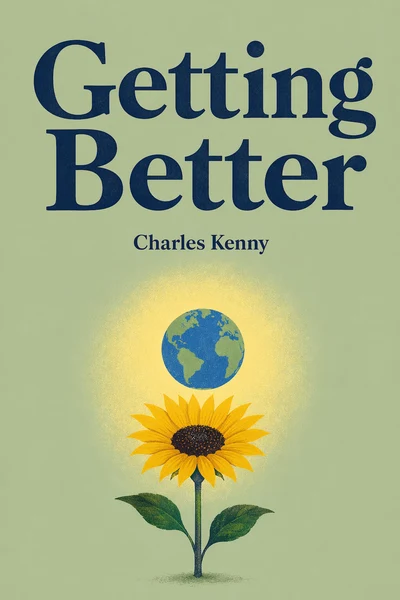
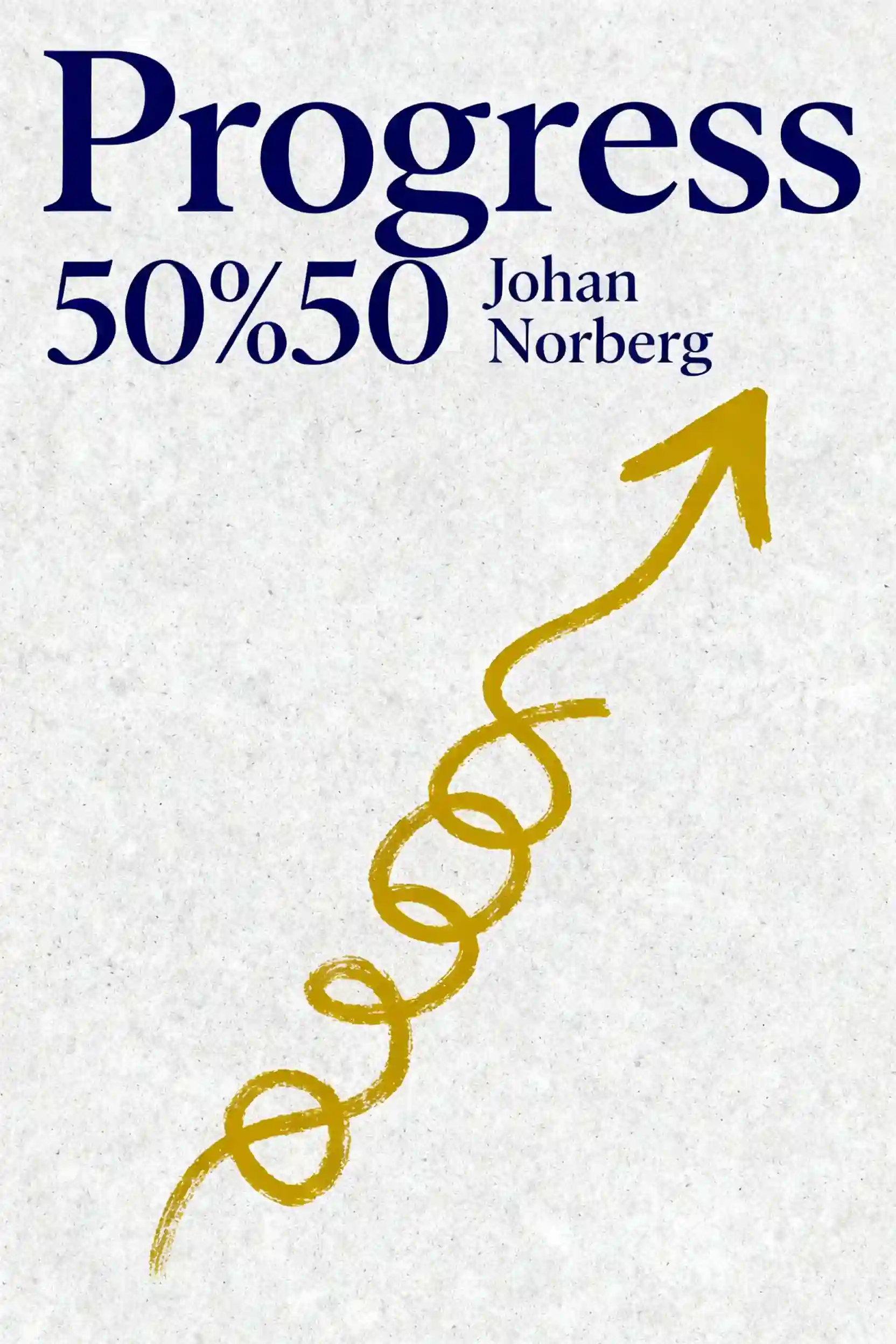
The Swiss Standard is a vision proposed by researchers where the poorest person on Earth by the year 2100 lives as well as the average person in Switzerland does today, which equates to a GDP per capita of approximately $82,000. According to feasibility stress tests, the Earth has enough physical resources to support a population of 12 billion people at this level of prosperity. To achieve this, the global economy would need to grow at an annual rate of 2.6%, which is only slightly higher than the 2.3% average growth rate the world has maintained over the last twenty-five years.
To reach the 2100 goals, the world will require two to three times more total energy and thirty times more clean electricity than is used today. This transition relies on a "portfolio of power" including solar energy, which is currently seeing a massive "supercycle" of growth, alongside advanced battery storage and emerging technologies like nuclear fusion. The script notes that this scale of growth is historically possible, citing China's 25-fold expansion of electricity generation over the last forty years as a blueprint for rapid deployment.
Yes, data suggests that the world can provide plentiful, protein-rich diets for 12 billion people without cutting down more forests by focusing on "intelligent abundance" and yield increases. Global food production has already outpaced population growth over the last sixty years, and meeting future needs requires an annual yield increase of 0.2% to 1.3%, which is lower than the rates achieved since the 1960s. This progress is driven by precision farming, biotechnology like CRISPR-edited crops, and the development of lab-grown meats that decouple food production from a heavy environmental footprint.
Despite common narratives of decline, there is significant evidence of a "rewilding renaissance" and successful conservation. In Europe, species like bison and wolves are making major comebacks, and "no-take" marine reserves have shown a 670% increase in fish biomass compared to unprotected areas. Additionally, international cooperation such as the "30 by 30" goal and the Global Plastics Treaty demonstrate a shift toward a circular economy where humanity acts as a steward of the "Blue Commons" rather than just a consumer of resources.
From Columbia University alumni built in San Francisco
"Instead of endless scrolling, I just hit play on BeFreed. It saves me so much time."


"I never knew where to start with nonfiction—BeFreed’s book lists turned into podcasts gave me a clear path."


"Perfect balance between learning and entertainment. Finished ‘Thinking, Fast and Slow’ on my commute this week."
"Crazy how much I learned while walking the dog. BeFreed = small habits → big gains."
"Reading used to feel like a chore. Now it’s just part of my lifestyle."

"Feels effortless compared to reading. I’ve finished 6 books this month already."
"BeFreed turned my guilty doomscrolling into something that feels productive and inspiring."

"BeFreed turned my commute into learning time. 20-min podcasts are perfect for finishing books I never had time for."
"BeFreed replaced my podcast queue. Imagine Spotify for books — that’s it. 🙌"

"It is great for me to learn something from the book without reading it."
"The themed book list podcasts help me connect ideas across authors—like a guided audio journey."
"Makes me feel smarter every time before going to work"
 Ask ChatGPT
 Ask Claude
From Columbia University alumni built in San Francisco
"Instead of endless scrolling, I just hit play on BeFreed. It saves me so much time."
"I never knew where to start with nonfiction—BeFreed’s book lists turned into podcasts gave me a clear path."
"Perfect balance between learning and entertainment. Finished ‘Thinking, Fast and Slow’ on my commute this week."
"Crazy how much I learned while walking the dog. BeFreed = small habits → big gains."
"Reading used to feel like a chore. Now it’s just part of my lifestyle."
"Feels effortless compared to reading. I’ve finished 6 books this month already."
"BeFreed turned my guilty doomscrolling into something that feels productive and inspiring."
"BeFreed turned my commute into learning time. 20-min podcasts are perfect for finishing books I never had time for."
"BeFreed replaced my podcast queue. Imagine Spotify for books — that’s it. 🙌"
"It is great for me to learn something from the book without reading it."
"The themed book list podcasts help me connect ideas across authors—like a guided audio journey."
"Makes me feel smarter every time before going to work"
"Instead of endless scrolling, I just hit play on BeFreed. It saves me so much time."
"I never knew where to start with nonfiction—BeFreed’s book lists turned into podcasts gave me a clear path."
"Perfect balance between learning and entertainment. Finished ‘Thinking, Fast and Slow’ on my commute this week."
"Crazy how much I learned while walking the dog. BeFreed = small habits → big gains."
"Reading used to feel like a chore. Now it’s just part of my lifestyle."
"Feels effortless compared to reading. I’ve finished 6 books this month already."
"BeFreed turned my guilty doomscrolling into something that feels productive and inspiring."
"BeFreed turned my commute into learning time. 20-min podcasts are perfect for finishing books I never had time for."
"BeFreed replaced my podcast queue. Imagine Spotify for books — that’s it. 🙌"
"It is great for me to learn something from the book without reading it."
"The themed book list podcasts help me connect ideas across authors—like a guided audio journey."
"Makes me feel smarter every time before going to work"
"Instead of endless scrolling, I just hit play on BeFreed. It saves me so much time."
"I never knew where to start with nonfiction—BeFreed’s book lists turned into podcasts gave me a clear path."
"Perfect balance between learning and entertainment. Finished ‘Thinking, Fast and Slow’ on my commute this week."
"Crazy how much I learned while walking the dog. BeFreed = small habits → big gains."
"Reading used to feel like a chore. Now it’s just part of my lifestyle."
"Feels effortless compared to reading. I’ve finished 6 books this month already."
"BeFreed turned my guilty doomscrolling into something that feels productive and inspiring."
"BeFreed turned my commute into learning time. 20-min podcasts are perfect for finishing books I never had time for."
"BeFreed replaced my podcast queue. Imagine Spotify for books — that’s it. 🙌"
"It is great for me to learn something from the book without reading it."
"The themed book list podcasts help me connect ideas across authors—like a guided audio journey."
"Makes me feel smarter every time before going to work"