BeFreed
    Categories>When You Trigger Your Partner's Emotional Flashbacks

    When You Trigger Your Partner's Emotional Flashbacks

    31 min
    |
    |
    Apr 7, 2026

    Navigate the complex emotions when you accidentally trigger your loved one's trauma response. Learn practical strategies for self-regulation, taking responsibility without shame, and supporting healing together.

    When You Trigger Your Partner's Emotional Flashbacks

    This audio lesson was created by a BeFreed community member

    Input question

    How to handle emotional flashbacks when you are the cause of the emotional flashback

    Host voices
    Lenaplay
    Eliplay
    Knowledge sources
    Navigating Emotional Flashbacks in Relationships: Healing Together
    link
    https://neurolaunch.com/emotional-flashbacks-relationship/
    What to Do When Your Trauma is Triggered: A Guide to Managing ...
    link
    https://saluscounseling.com/what-to-do-when-your-trauma-is-triggered-a-guide-to-managing-emotional-flashbacks/
    How to Deal With Trauma Triggers in a Relationship?
    link
    https://wellmanpsychology.com/mindbodyblog/2025/8/13/how-to-deal-with-trauma-triggers-in-a-relationship
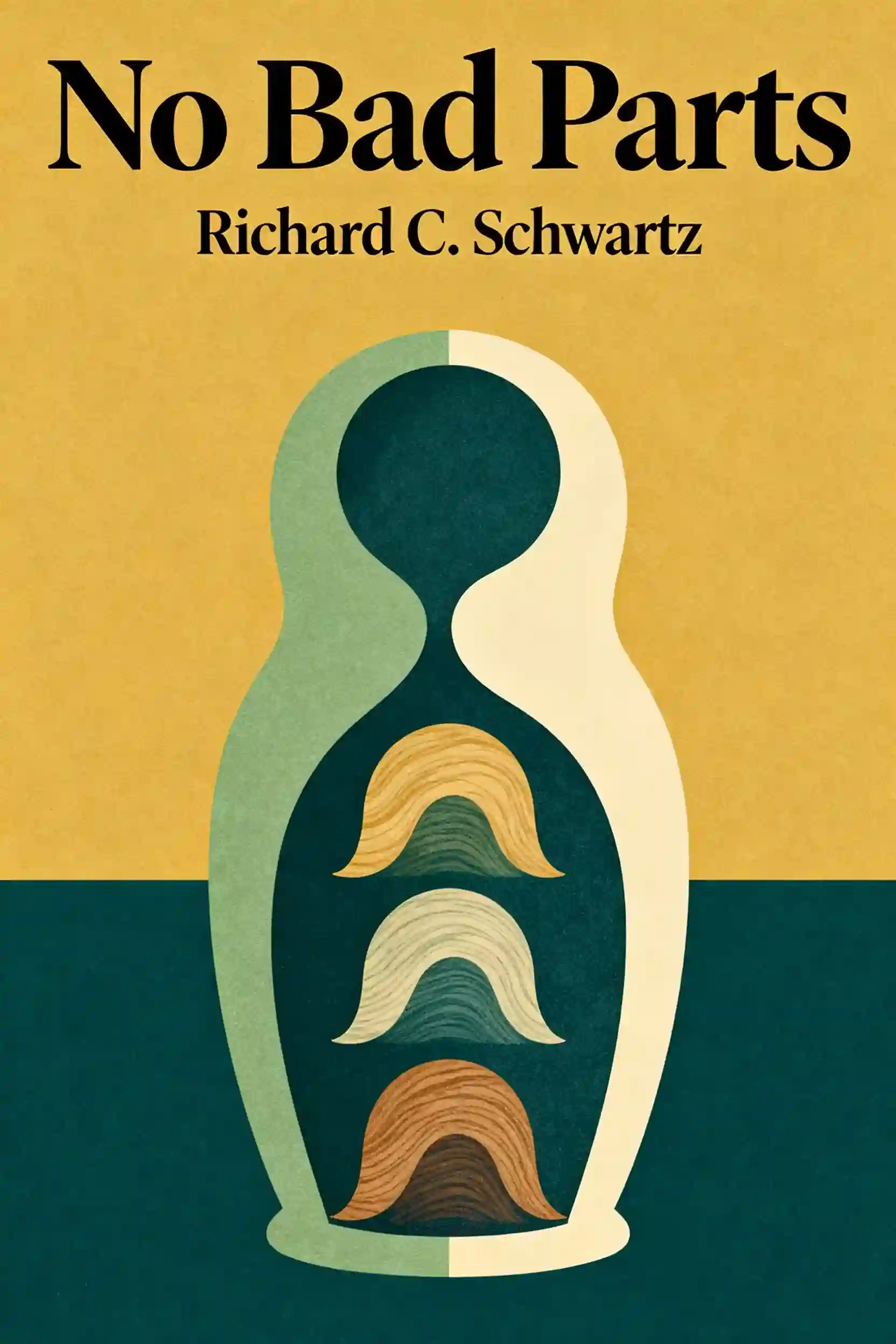
    No Bad Parts
    How to Be the Love You Seek
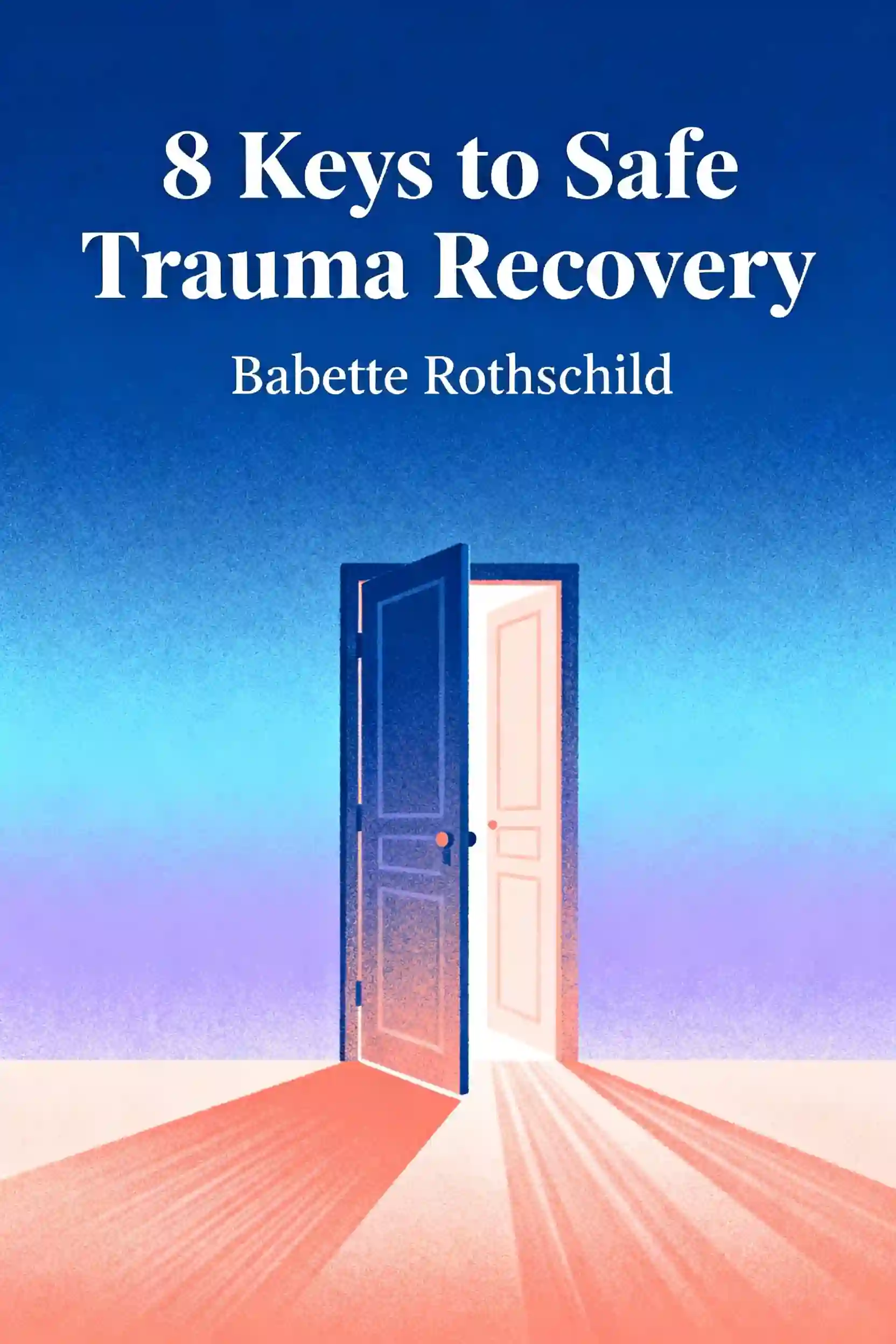
    8 keys to safe trauma recovery

    Discover more

    Heal trauma for better bonds

    Heal trauma for better bonds

    LEARNING PLAN

    Heal trauma for better bonds

    This learning plan is essential for anyone whose past experiences—whether childhood wounds, past relationships, or other traumas—continue to impact their ability to form healthy, secure connections. It's particularly valuable for those struggling with relationship anxiety, emotional avoidance, or repeating unhealthy patterns, offering a science-backed roadmap from understanding trauma's effects to building the secure, intimate relationships they deserve.

    2 h 23 m•4 Sections
    Heal trauma to regain control

    Heal trauma to regain control

    LEARNING PLAN

    Heal trauma to regain control

    This learning plan is essential for anyone struggling with the lasting effects of trauma who feels stuck in survival mode or disconnected from their body. It's particularly valuable for those who've tried traditional therapy but still experience triggers, hypervigilance, or emotional numbness, offering a comprehensive approach that addresses trauma where it lives—in the nervous system and body.

    2 h 31 m•4 Sections
    Healing from childhood trauma

    Healing from childhood trauma

    LEARNING PLAN

    Healing from childhood trauma

    This learning plan is designed for anyone whose early experiences continue to impact their emotional well-being, relationships, and sense of safety in the world. Whether you struggle with anxiety, hypervigilance, relationship patterns, or feeling stuck in survival mode, this comprehensive approach combines neuroscience-based understanding with practical healing tools to help you reclaim your life from the effects of childhood trauma.

    2 h 1 m•4 Sections
    Communication with a defensive partner

    Communication with a defensive partner

    LEARNING PLAN

    Communication with a defensive partner

    Defensive communication can create painful cycles that erode trust and intimacy in relationships. This learning plan helps anyone struggling with a defensive partner to understand underlying triggers, develop crucial emotional safety skills, and transform conflict patterns into opportunities for deeper connection.

    1 h 52 m•4 Sections
    Intimacy

    Intimacy

    LEARNING PLAN

    Intimacy

    Modern relationships often struggle due to unresolved attachment styles and a lack of emotional tools. This plan is designed for individuals and couples seeking to move beyond surface-level interaction into profound, lasting connection by mastering the mechanics of vulnerability.

    3 h 23 m•4 Sections
    Prioritize partner's pleasure and safety

    Prioritize partner's pleasure and safety

    LEARNING PLAN

    Prioritize partner's pleasure and safety

    This learning plan is designed for individuals seeking to deepen their emotional and physical connection with their partner. It provides a comprehensive roadmap for anyone looking to replace guesswork with communication skills, safety protocols, and evidence-based pleasure techniques.

    2 h 43 m•4 Sections
    Win back ex, find love & manage emotions

    Win back ex, find love & manage emotions

    LEARNING PLAN

    Win back ex, find love & manage emotions

    This plan is essential for individuals navigating the complexities of heartbreak or seeking to improve their romantic dynamics through psychological insights. It is designed for anyone wanting to transform emotional pain into self-mastery while learning the practical communication skills needed for secure attachment.

    3 h 50 m•4 Sections
    How to change emotionally

    How to change emotionally

    LEARNING PLAN

    How to change emotionally

    This plan is essential for anyone feeling stuck in repetitive emotional cycles or reactive behaviors. It provides a comprehensive roadmap for individuals seeking to heal past wounds and build the psychological resilience needed for lasting personal change.

    3 h 6 m•5 Sections

    From Columbia University alumni built in San Francisco

    BeFreed Brings Together A Global Community Of 1,000,000 Curious Minds
    See more on how BeFreed is discussed across the web

    "Instead of endless scrolling, I just hit play on BeFreed. It saves me so much time."

    @Moemenn
    platform
    star
    star
    star
    star
    star

    "I never knew where to start with nonfiction—BeFreed’s book lists turned into podcasts gave me a clear path."

    @Chloe, Solo founder, LA
    platform
    comments
    12
    likes
    117

    "Perfect balance between learning and entertainment. Finished ‘Thinking, Fast and Slow’ on my commute this week."

    @Raaaaaachelw
    platform
    star
    star
    star
    star
    star

    "Crazy how much I learned while walking the dog. BeFreed = small habits → big gains."

    @Matt, YC alum
    platform
    comments
    12
    likes
    108

    "Reading used to feel like a chore. Now it’s just part of my lifestyle."

    @Erin, Investment Banking Associate , NYC
    platform
    comments
    254
    likes
    17

    "Feels effortless compared to reading. I’ve finished 6 books this month already."

    @djmikemoore
    platform
    star
    star
    star
    star
    star

    "BeFreed turned my guilty doomscrolling into something that feels productive and inspiring."

    @Pitiful
    platform
    comments
    96
    likes
    4.5K

    "BeFreed turned my commute into learning time. 20-min podcasts are perfect for finishing books I never had time for."

    @SofiaP
    platform
    star
    star
    star
    star
    star

    "BeFreed replaced my podcast queue. Imagine Spotify for books — that’s it. 🙌"

    @Jaded_Falcon
    platform
    comments
    201
    thumbsUp
    16

    "It is great for me to learn something from the book without reading it."

    @OojasSalunke
    platform
    star
    star
    star
    star
    star

    "The themed book list podcasts help me connect ideas across authors—like a guided audio journey."

    @Leo, Law Student, UPenn
    platform
    comments
    37
    likes
    483

    "Makes me feel smarter every time before going to work"

    @Cashflowbubu
    platform
    star
    star
    star
    star
    star

    From Columbia University alumni built in San Francisco

    BeFreed Brings Together A Global Community Of 1,000,000 Curious Minds
    See more on how BeFreed is discussed across the web

    "Instead of endless scrolling, I just hit play on BeFreed. It saves me so much time."

    @Moemenn
    platform
    star
    star
    star
    star
    star

    "I never knew where to start with nonfiction—BeFreed’s book lists turned into podcasts gave me a clear path."

    @Chloe, Solo founder, LA
    platform
    comments
    12
    likes
    117

    "Perfect balance between learning and entertainment. Finished ‘Thinking, Fast and Slow’ on my commute this week."

    @Raaaaaachelw
    platform
    star
    star
    star
    star
    star

    "Crazy how much I learned while walking the dog. BeFreed = small habits → big gains."

    @Matt, YC alum
    platform
    comments
    12
    likes
    108

    "Reading used to feel like a chore. Now it’s just part of my lifestyle."

    @Erin, Investment Banking Associate , NYC
    platform
    comments
    254
    likes
    17

    "Feels effortless compared to reading. I’ve finished 6 books this month already."

    @djmikemoore
    platform
    star
    star
    star
    star
    star

    "BeFreed turned my guilty doomscrolling into something that feels productive and inspiring."

    @Pitiful
    platform
    comments
    96
    likes
    4.5K

    "BeFreed turned my commute into learning time. 20-min podcasts are perfect for finishing books I never had time for."

    @SofiaP
    platform
    star
    star
    star
    star
    star

    "BeFreed replaced my podcast queue. Imagine Spotify for books — that’s it. 🙌"

    @Jaded_Falcon
    platform
    comments
    201
    thumbsUp
    16

    "It is great for me to learn something from the book without reading it."

    @OojasSalunke
    platform
    star
    star
    star
    star
    star

    "The themed book list podcasts help me connect ideas across authors—like a guided audio journey."

    @Leo, Law Student, UPenn
    platform
    comments
    37
    likes
    483

    "Makes me feel smarter every time before going to work"

    @Cashflowbubu
    platform
    star
    star
    star
    star
    star

    "Instead of endless scrolling, I just hit play on BeFreed. It saves me so much time."

    @Moemenn
    platform
    star
    star
    star
    star
    star

    "I never knew where to start with nonfiction—BeFreed’s book lists turned into podcasts gave me a clear path."

    @Chloe, Solo founder, LA
    platform
    comments
    12
    likes
    117

    "Perfect balance between learning and entertainment. Finished ‘Thinking, Fast and Slow’ on my commute this week."

    @Raaaaaachelw
    platform
    star
    star
    star
    star
    star

    "Crazy how much I learned while walking the dog. BeFreed = small habits → big gains."

    @Matt, YC alum
    platform
    comments
    12
    likes
    108

    "Reading used to feel like a chore. Now it’s just part of my lifestyle."

    @Erin, Investment Banking Associate , NYC
    platform
    comments
    254
    likes
    17

    "Feels effortless compared to reading. I’ve finished 6 books this month already."

    @djmikemoore
    platform
    star
    star
    star
    star
    star

    "BeFreed turned my guilty doomscrolling into something that feels productive and inspiring."

    @Pitiful
    platform
    comments
    96
    likes
    4.5K

    "BeFreed turned my commute into learning time. 20-min podcasts are perfect for finishing books I never had time for."

    @SofiaP
    platform
    star
    star
    star
    star
    star

    "BeFreed replaced my podcast queue. Imagine Spotify for books — that’s it. 🙌"

    @Jaded_Falcon
    platform
    comments
    201
    thumbsUp
    16

    "It is great for me to learn something from the book without reading it."

    @OojasSalunke
    platform
    star
    star
    star
    star
    star

    "The themed book list podcasts help me connect ideas across authors—like a guided audio journey."

    @Leo, Law Student, UPenn
    platform
    comments
    37
    likes
    483

    "Makes me feel smarter every time before going to work"

    @Cashflowbubu
    platform
    star
    star
    star
    star
    star

    "Instead of endless scrolling, I just hit play on BeFreed. It saves me so much time."

    @Moemenn
    platform
    star
    star
    star
    star
    star

    "I never knew where to start with nonfiction—BeFreed’s book lists turned into podcasts gave me a clear path."

    @Chloe, Solo founder, LA
    platform
    comments
    12
    likes
    117

    "Perfect balance between learning and entertainment. Finished ‘Thinking, Fast and Slow’ on my commute this week."

    @Raaaaaachelw
    platform
    star
    star
    star
    star
    star

    "Crazy how much I learned while walking the dog. BeFreed = small habits → big gains."

    @Matt, YC alum
    platform
    comments
    12
    likes
    108

    "Reading used to feel like a chore. Now it’s just part of my lifestyle."

    @Erin, Investment Banking Associate , NYC
    platform
    comments
    254
    likes
    17

    "Feels effortless compared to reading. I’ve finished 6 books this month already."

    @djmikemoore
    platform
    star
    star
    star
    star
    star

    "BeFreed turned my guilty doomscrolling into something that feels productive and inspiring."

    @Pitiful
    platform
    comments
    96
    likes
    4.5K

    "BeFreed turned my commute into learning time. 20-min podcasts are perfect for finishing books I never had time for."

    @SofiaP
    platform
    star
    star
    star
    star
    star

    "BeFreed replaced my podcast queue. Imagine Spotify for books — that’s it. 🙌"

    @Jaded_Falcon
    platform
    comments
    201
    thumbsUp
    16

    "It is great for me to learn something from the book without reading it."

    @OojasSalunke
    platform
    star
    star
    star
    star
    star

    "The themed book list podcasts help me connect ideas across authors—like a guided audio journey."

    @Leo, Law Student, UPenn
    platform
    comments
    37
    likes
    483

    "Makes me feel smarter every time before going to work"

    @Cashflowbubu
    platform
    star
    star
    star
    star
    star
    1.5K Ratings4.7
    Start your learning journey, now
    BeFreed App
    BeFreed

    Learn Anything, Personalized

    DiscordLinkedIn
    Featured book summaries
    Crucial ConversationsThe Perfect MarriageInto the WildNever Split the DifferenceAttachedGood to GreatSay Nothing
    Trending categories
    Self HelpCommunication SkillRelationshipMindfulnessPhilosophyInspirationProductivity
    Celebrities' reading list
    Elon MuskCharlie KirkBill GatesSteve JobsAndrew HubermanJoe RoganJordan Peterson
    Award winning collection
    Pulitzer PrizeNational Book AwardGoodreads Choice AwardsNobel Prize in LiteratureNew York TimesCaldecott MedalNebula Award
    Featured Topics
    ManagementAmerican HistoryWarTradingStoicismAnxietySex
    Best books by Year
    2025 Best Non Fiction Books2024 Best Non Fiction Books2023 Best Non Fiction Books
    Featured authors
    Chimamanda Ngozi AdichieGeorge OrwellO. J. SimpsonBarbara O'NeillWinston ChurchillCharlie Kirk
    BeFreed vs other apps
    BeFreed vs. Other Book Summary AppsBeFreed vs. ElevenReaderBeFreed vs. ReadwiseBeFreed vs. Anki
    Learning tools
    Knowledge VisualizerAI Podcast Generator
    Information
    About Usarrow
    Pricingarrow
    FAQarrow
    Blogarrow
    Careerarrow
    Partnershipsarrow
    Ambassador Programarrow
    Directoryarrow
    BeFreed
    Try now
    © 2026 BeFreed
    Term of UsePrivacy Policy
    BeFreed

    Learn Anything, Personalized

    DiscordLinkedIn
    Featured book summaries
    Crucial ConversationsThe Perfect MarriageInto the WildNever Split the DifferenceAttachedGood to GreatSay Nothing
    Trending categories
    Self HelpCommunication SkillRelationshipMindfulnessPhilosophyInspirationProductivity
    Celebrities' reading list
    Elon MuskCharlie KirkBill GatesSteve JobsAndrew HubermanJoe RoganJordan Peterson
    Award winning collection
    Pulitzer PrizeNational Book AwardGoodreads Choice AwardsNobel Prize in LiteratureNew York TimesCaldecott MedalNebula Award
    Featured Topics
    ManagementAmerican HistoryWarTradingStoicismAnxietySex
    Best books by Year
    2025 Best Non Fiction Books2024 Best Non Fiction Books2023 Best Non Fiction Books
    Learning tools
    Knowledge VisualizerAI Podcast Generator
    Featured authors
    Chimamanda Ngozi AdichieGeorge OrwellO. J. SimpsonBarbara O'NeillWinston ChurchillCharlie Kirk
    BeFreed vs other apps
    BeFreed vs. Other Book Summary AppsBeFreed vs. ElevenReaderBeFreed vs. ReadwiseBeFreed vs. Anki
    Information
    About Usarrow
    Pricingarrow
    FAQarrow
    Blogarrow
    Careerarrow
    Partnershipsarrow
    Ambassador Programarrow
    Directoryarrow
    BeFreed
    Try now
    © 2026 BeFreed
    Term of UsePrivacy Policy

    Key Takeaways

    1

    Opening & Welcome

    0:00

    Lena: Hey everyone, welcome back to another personalized episode from BeFreed-I'm Lena, and I'm genuinely excited to dive into today's topic with you all.

    0:09

    Eli: And I'm Eli! You know, Lena, this is one of those conversations that I think is going to really resonate with our listeners because we're tackling something that's both deeply personal and surprisingly common-how to handle emotional flashbacks when you might actually be the one triggering them in your partner or loved ones.

    0:25

    Lena: Exactly, Eli. It's this really complex dynamic that doesn't get talked about enough. I mean, we hear a lot about supporting someone through their trauma responses, but what happens when you realize your words or actions are what set off that emotional flashback? How do you navigate that without falling into shame or defensiveness?

    2

    Topic Introduction & Source Material Setup

    0:44

    Lena: So before we dive deep, let's set the stage here. We've been exploring some incredible resources that really shed light on this whole area-everything from understanding what emotional flashbacks actually are to practical strategies for healing together.

    1:00

    Eli: Right! And I have to say, reading through "Navigating Emotional Flashbacks in Relationships" really opened my eyes to how these experiences can transform even the most loving partnerships into what they call "minefields of triggers and turmoil." It's such a vivid way to describe it, isn't it?

    1:15

    Lena: It really is. And what's fascinating is how these flashbacks are different from what most people think of as flashbacks. We're not talking about visual memories playing like movies-these are sudden, intense surges of emotions and bodily sensations that catapult someone back to painful moments from their past.

    1:33

    Eli: Exactly! And "What to Do When Your Trauma is Triggered" breaks this down beautifully. A trauma trigger can be anything-a smell, a sound, a tone of voice, even a situation that reminds someone of their trauma. When that happens, their brain reacts as if the original trauma is happening right now, even when they're completely safe.

    1:51

    Lena: Which brings us to the heart of today's question-what do you do when you're the one who accidentally activated that trigger? I was just reading about this in "How to Deal With Trauma Triggers in a Relationship," and they make this crucial point that even in safe, supportive relationships, unresolved past trauma can cause reactions that feel overwhelming and confusing for everyone involved.

    2:12

    Eli: And that's where it gets really complex, right? Because as the person who might have caused the trigger, you're dealing with your own emotional response-maybe guilt, confusion, defensiveness-while also trying to support your partner through their flashback.

    3

    Understanding the Landscape of Emotional Flashbacks

    2:26

    Lena: Let's start by really understanding what we're dealing with here. Eli, when someone experiences an emotional flashback, what's actually happening in their system?

    2:35

    Eli: Oh, this is where the research gets really fascinating! So unlike those dramatic flashback scenes we see in movies, emotional flashbacks are primarily about overwhelming emotions, bodily sensations, and thought patterns that echo earlier painful experiences. The person might suddenly feel as vulnerable and helpless as they did during the original traumatic event, even though the present circumstances don't warrant that intense reaction.

    2:58

    Lena: Right, and what really struck me from the material is how these responses often feel completely involuntary. Someone might even be aware that their response seems disproportionate, but they feel powerless to control it in the moment.

    3:10

    Eli: Absolutely! And here's what's really important for our listeners to understand-when you're in a relationship with someone and you accidentally trigger a flashback, you're witnessing their nervous system reacting as if danger is happening right now. Their brain is prioritizing survival over rational assessment of the current situation.

    3:27

    Lena: Which explains why something as simple as a tone of voice or even being busy or distracted can suddenly trigger intense feelings of abandonment or fear. The person isn't being dramatic or oversensitive-their system is genuinely responding to a perceived threat based on past experiences.

    3:43

    Eli: Exactly. And "No Bad Parts" really illuminates this beautifully with the concept that we all contain various "parts" that interact like members of an inner family. When someone has a flashback, it's often because a wounded "exile" part has been activated, bringing all that old pain into the present moment.

    3:59

    Lena: That's such a helpful framework, isn't it? Because it helps us understand that the person having the flashback isn't choosing to react this way-it's a protective part of them that's trying to prevent re-experiencing that original hurt.

    4

    The Complex Role of Being the Trigger

    4:11

    Lena: Now, let's get into the really challenging part-what happens when you realize you're the one who set off that emotional flashback? Eli, I imagine this brings up a whole cascade of reactions for the person who caused the trigger.

    4:27

    Eli: Oh, absolutely, Lena. This is where things get incredibly complex emotionally. You might feel guilt-"How could I hurt someone I love?"-or confusion-"I didn't mean anything by what I said"-or even defensiveness-"That's not what I meant at all!" All of these are completely natural responses.

    4:44

    Lena: And what I found really insightful in the research is that often the person who triggered the flashback is dealing with their own emotional dysregulation. You're suddenly faced with your partner's intense reaction, and your own nervous system might go into fight, flight, freeze, or fawn mode.

    1:00

    Eli: Right! "How to Be the Love You Seek" talks about this beautifully-how our nervous systems constantly communicate through both visible and invisible signals. So when your partner goes into a flashback, you're picking up on their distress signals, which can activate your own stress response.

    5:15

    Lena: Which creates this really challenging cycle, doesn't it? Your partner is in a flashback, you're feeling guilty or defensive about causing it, and now you're both dysregulated. It's like two people trying to help each other while they're both drowning.

    5:28

    Eli: That's such a perfect analogy, Lena. And this is where understanding co-regulation becomes absolutely crucial. The material emphasizes that you can't effectively support someone else through their emotional state if you're not regulated yourself first.

    5:42

    Lena: So what does that look like practically? If I've just said something that triggered my partner's flashback, and I'm feeling that surge of guilt or defensiveness, what's my first step?

    5:52

    Eli: Well, according to "8 Keys to Safe Trauma Recovery," the first step is actually recognizing what's happening in your own body. Are you feeling that racing heart? The clenched jaw? That collapsing energy? Those are signals that your nervous system is activated, and you need to regulate yourself before you can be truly helpful.

    5

    Immediate Response Strategies When You've Caused a Trigger

    6:10

    Lena: Okay, so let's get really practical here. I've just said something-maybe it was the tone of my voice, maybe it was a comment that reminded my partner of past criticism-and I can see they're having a flashback. What's my immediate response?

    6:24

    Eli: This is where the guidance from "What to Do When Your Trauma is Triggered" becomes invaluable. The first thing is to recognize what's happening. Your partner isn't just being difficult or overreacting-they're experiencing a genuine trauma response where their brain is reacting as if the original trauma is happening again.

    6:41

    Lena: And I imagine the temptation is to either get defensive-"That's not what I meant!"-or to immediately try to fix it-"Calm down, it's okay!" But neither of those responses is actually helpful, right?

    1:33

    Eli: Exactly! Those responses, while understandable, can actually make things worse. Getting defensive puts you in opposition to your partner when they need your support. And telling someone to calm down during a flashback is like telling someone having a heart attack to just relax-it doesn't address what's actually happening in their nervous system.

    7:09

    Lena: So what does help? What should that immediate response look like?

    7:13

    Eli: The research emphasizes staying calm and present yourself first. Remember, your steady presence can actually help ground your partner. Take a deep breath, regulate your own nervous system, and then offer reassurance of safety and present reality.

    7:26

    Lena: I love how "Navigating Emotional Flashbacks in Relationships" suggests specific phrases that can be helpful: "I'm here for you. You're safe now" or "What you're feeling is valid. It's a memory, not the present reality."

    7:39

    Eli: Yes! And notice how those phrases don't dismiss the experience or try to logic someone out of their flashback. They acknowledge the validity of what they're feeling while gently orienting them back to the present moment.

    7:49

    Lena: What about asking what they need? Is that helpful in the moment, or is that too much to process when someone's in a flashback?

    7:55

    Eli: That's a great question, and the answer seems to be that it depends on how intense the flashback is. Sometimes a simple "How can I support you right now?" or "Would you like some space, or would you prefer I stay close?" can be helpful. But if someone is really deep in a flashback, they might not be able to access that information.

    6

    Understanding Your Partner's Internal Landscape

    8:12

    Lena: You know, Eli, one thing that really struck me from "No Bad Parts" is this idea that when someone's having a flashback, we're essentially meeting a wounded part of them that's been activated. Can you talk about what that means for how we understand what's happening?

    8:25

    Eli: Absolutely, Lena. This framework is so helpful because it helps us see that the person having the flashback isn't choosing to be difficult. There's a part of them-what the Internal Family Systems model calls an "exile"-that carries the pain and memories from past trauma. When this part gets triggered, it's like a younger version of your partner suddenly takes over.

    8:44

    Lena: Right, so if my partner was criticized harshly as a child, and I say something in a certain tone, I might be activating that young part that still carries all that pain and fear from childhood.

    1:33

    Eli: Exactly! And what's fascinating is that there are also "protector" parts that immediately jump into action when an exile gets triggered. These might show up as withdrawal, anger, people-pleasing, or intellectualizing-all attempts to manage the overwhelming emotions.

    9:09

    Lena: So when I see my partner suddenly shut down or lash out after I've said something, they're not necessarily reacting to me in this moment-they're reacting from a much younger place that's trying to protect itself.

    9:20

    Eli: That's right. And "How to Be the Love You Seek" emphasizes that our nervous systems are constantly scanning for safety or threat. For someone with trauma history, certain triggers can instantly shift them into a threat detection mode, even when they're objectively safe with someone who loves them.

    9:34

    Lena: This is where developing what the material calls "somatic markers" becomes so important, isn't it? Learning to read those bodily sensations that signal when someone is moving into a triggered state.

    7:39

    Eli: Yes! And this applies to both people in the relationship. As the person who might cause triggers, you can learn to notice your partner's early warning signs-changes in breathing, posture, facial expression-that might indicate they're starting to feel activated.

    7

    Navigating Your Own Emotional Response

    9:58

    Lena: Let's talk about something that I think is really important but often gets overlooked-managing your own emotional response when you realize you've triggered your partner. Because let's be honest, Eli, it can bring up a lot of difficult feelings.

    4:27

    Eli: Oh, absolutely, Lena. And this is where the wisdom from "8 Keys to Safe Trauma Recovery" becomes really valuable. The material emphasizes that your body stores experiences and emotions, and suddenly being faced with your partner's intense pain can activate your own trauma responses.

    10:28

    Lena: Right, because maybe you're someone who grew up walking on eggshells around a volatile parent, and now seeing your partner's emotional intensity triggers your own freeze response. Or maybe you have your own history of being blamed or criticized, so you immediately go into defensive mode.

    1:33

    Eli: Exactly! And what's really important to understand is that these responses are normal and understandable. The key is recognizing them and taking responsibility for regulating yourself rather than expecting your partner to manage your emotions while they're in their own crisis.

    10:58

    Lena: So what does that self-regulation look like in practice? If I'm feeling that surge of guilt or defensiveness, what are my options?

    11:05

    Eli: Well, the material suggests several approaches. First, you can use grounding techniques-that 5-4-3-2-1 method where you name five things you can see, four things you can touch, three things you can hear, and so on. This helps bring your nervous system back to the present moment.

    11:20

    Lena: And deep breathing, right? I know it sounds simple, but when you're in that activated state, consciously slowing down your breathing can actually shift your entire nervous system.

    3:10

    Eli: Absolutely! And sometimes you might need to take a brief break to regulate yourself. You could say something like, "I can see you're really hurting right now, and I want to support you. I'm going to take a few minutes to collect myself so I can be fully present for you."

    11:42

    Lena: I love that because it's taking responsibility without abandoning your partner. You're not making them responsible for managing your emotional state, but you're also not disappearing when they need support.

    1:00

    Eli: Right! And "How to Be the Love You Seek" talks about this concept of emotional safety-the confidence that even when disconnection occurs, you'll find your way back to each other. Taking a brief break to regulate can actually demonstrate that commitment to repair and reconnection.

    8

    The Art of Taking Responsibility Without Shame

    12:07

    Lena: This brings us to something really crucial-how do you take responsibility for triggering your partner without falling into shame or self-attack? Because I imagine there's a fine line between healthy accountability and destructive self-blame.

    12:21

    Eli: That's such an important distinction, Lena. The research from "8 Keys to Safe Trauma Recovery" talks about how shame is different from other emotions-it doesn't get discharged through crying or physical activity. Instead, it dissipates through understanding and acknowledgment from supportive others.

    12:36

    Lena: So when you've triggered your partner, falling into shame about it actually doesn't help anyone. It just adds another layer of emotional complexity to an already difficult situation.

    1:33

    Eli: Exactly! And shame often makes us want to defend ourselves or minimize what happened, which can be really harmful. Instead, the goal is what we might call "clean responsibility"-acknowledging your impact without making it about your character or worth as a person.

    13:01

    Lena: Can you give us an example of what that might sound like?

    13:03

    Eli: Sure! Instead of "I'm such a terrible person for hurting you" or "I didn't mean it that way, so it's not my fault," you might say something like, "I can see that what I said really activated something painful for you. That wasn't my intention, but I take responsibility for the impact of my words."

    13:18

    Lena: I love that because it acknowledges the impact without getting lost in intentions or self-blame. It keeps the focus on your partner's experience while still owning your part.

    1:00

    Eli: Right! And "Navigating Emotional Flashbacks in Relationships" emphasizes that this kind of accountability actually builds trust over time. When your partner sees that you can acknowledge your impact without getting defensive or falling apart, it creates safety in the relationship.

    13:41

    Lena: And it models emotional regulation, doesn't it? You're showing that it's possible to feel bad about causing harm without being overwhelmed by guilt or shame.

    13:50

    Eli: Absolutely. And sometimes you might need to process your own feelings about it later-maybe with a friend, therapist, or in your own journaling. The key is not making your partner responsible for managing your guilt while they're dealing with their own trauma response.

    9

    Supporting Your Partner Through Their Flashback

    14:03

    Lena: Okay, so we've regulated ourselves, we've taken clean responsibility-now how do we actually support our partner through their flashback? What does effective support look like when you're the one who caused the trigger?

    6:24

    Eli: This is where the guidance from "What to Do When Your Trauma is Triggered" becomes really practical. The first thing to remember is that during a flashback, your partner's brain is perceiving the trauma as happening right now. So your job is to help them recognize that it's a memory, not current reality.

    14:31

    Lena: And that requires a lot of patience, doesn't it? Because you can't just logic someone out of a flashback by explaining that they're safe now.

    14:38

    Eli: Exactly, Lena. The material emphasizes that this is about gentle, consistent reality orientation. You might say things like, "You're here with me in our living room. It's 2024. You're safe right now." But you say it calmly and repeatedly, not as if you're trying to convince them.

    14:54

    Lena: What about physical comfort? Is it helpful to touch or hold someone during a flashback, or can that make things worse?

    15:00

    Eli: That's a really important question, and the answer is that it depends entirely on the person and the nature of their trauma. For some people, gentle physical contact can be grounding and reassuring. For others, especially if their trauma involved physical or sexual abuse, touch during a flashback can actually intensify the experience.

    15:17

    Lena: So how do you know what's helpful?

    15:19

    Eli: The key is asking and following their lead. You might say, "Would physical contact be helpful right now, or would you prefer space?" And then really honor whatever they say, even if it changes from moment to moment.

    15:30

    Lena: That makes sense. And I imagine this is where knowing your partner's specific triggers and preferences becomes really important over time.

    3:10

    Eli: Absolutely! "How to Deal With Trauma Triggers in a Relationship" talks about how couples can work together to identify patterns-what specific things tend to trigger flashbacks, what kinds of support are most helpful, what makes things worse.

    15:49

    Lena: And this isn't just about the person with trauma doing all the work, right? It's about both partners becoming students of each other's nervous systems and triggers.

    1:00

    Eli: Right! Because the person who's more likely to cause triggers also needs to develop awareness of their own patterns-maybe you tend to use a certain tone when you're stressed, or you withdraw in ways that activate abandonment fears.

    10

    Grounding Techniques You Can Practice Together

    16:08

    Lena: Let's get really practical here, Eli. What are some specific grounding techniques that couples can use together when one partner is having a flashback?

    2:35

    Eli: Oh, this is where the research gets really actionable, Lena. "What to Do When Your Trauma is Triggered" offers several techniques that can be adapted for couples. One of the most effective is that 5-4-3-2-1 technique we mentioned earlier, but you can guide your partner through it.

    16:30

    Lena: So instead of them trying to do it alone while they're dysregulated, you can be their anchor to the present moment?

    1:33

    Eli: Exactly! You might say, "Can you tell me five things you can see right now?" and then wait patiently for their response. Then move to four things they can touch, three things they can hear, and so on. Your calm presence helps regulate their nervous system.

    16:49

    Lena: What about breathing techniques? Can those be done together?

    3:10

    Eli: Absolutely! Synchronized breathing can be incredibly powerful. You can model slow, deep breathing and invite your partner to breathe with you. The research shows that when we're in close physical proximity, our nervous systems naturally try to sync up, so your regulated breathing can actually help regulate theirs.

    17:08

    Lena: That's fascinating! So it's not just about the technique itself, but about the co-regulation that happens between two people.

    1:00

    Eli: Right! "How to Be the Love You Seek" talks about how our hearts emit electromagnetic fields that can be detected up to five feet away. When you're in a state of heart coherence-when your brain, heart, and emotions are aligned-you're literally broadcasting safety signals that your partner's nervous system can pick up on.

    17:29

    Lena: So staying calm and centered isn't just good for you-it's actually a form of support for your partner.

    1:33

    Eli: Exactly! And sometimes the most powerful thing you can do is just be a calm, steady presence. You don't have to fix anything or make the flashback go away. You just need to be there, regulated and present, while they move through it.

    17:47

    Lena: What about movement? I know some of the material talks about how trauma can get stuck in the body.

    7:39

    Eli: Yes! "8 Keys to Safe Trauma Recovery" emphasizes that gentle movement can be really helpful for discharging the activation from a flashback. This might be as simple as walking together, or doing some gentle stretching, or even just shifting positions.

    18:05

    Lena: But again, this would be following their lead, right? Not insisting on movement if they're not ready for it.

    13:50

    Eli: Absolutely. You might offer options: "Would it feel good to take a walk, or would you prefer to stay here? Would some gentle movement help, or do you need to be still right now?" The key is offering choices rather than directives.

    11

    Long-term Healing and Pattern Recognition

    18:21

    Lena: So we've talked about immediate responses, but let's zoom out to the bigger picture. How do couples work together on the long-term healing process, especially when one partner is frequently triggering the other's flashbacks?

    18:35

    Eli: This is where the wisdom from "No Bad Parts" becomes really transformative, Lena. The goal isn't to eliminate all triggers-that's neither realistic nor necessary. Instead, it's about developing what they call "Self-leadership," where both partners can stay centered and curious even when difficult emotions arise.

    18:54

    Lena: What does that look like practically? How do you develop that capacity to stay centered when your partner is having a flashback that you caused?

    19:02

    Eli: Well, it starts with understanding that your partner's flashback isn't really about you, even if you triggered it. It's about old wounds that are seeking healing. When you can hold that perspective, you're less likely to take their reaction personally or get defensive.

    19:15

    Lena: Right, because if I understand that my partner's intense reaction to my tone of voice is really about their critical parent from childhood, I can respond with compassion rather than defensiveness.

    1:33

    Eli: Exactly! And "Navigating Emotional Flashbacks in Relationships" talks about how couples can work together to map out these patterns. Maybe you notice that your partner tends to have flashbacks when they're already stressed from work, or when you're both tired, or around certain topics.

    19:41

    Lena: So it's like becoming detectives of your own relationship patterns.

    19:45

    Eli: I love that analogy! And it's important that this detective work happens when you're both calm and regulated, not in the middle of a crisis. You might have regular check-ins where you explore questions like, "What happened in our interaction yesterday that led to that flashback?" or "What could we do differently next time?"

    20:01

    Lena: And I imagine this requires a lot of curiosity and non-judgment from both partners.

    13:50

    Eli: Absolutely. The person who tends to cause triggers needs to be willing to examine their own patterns without getting defensive. And the person who has flashbacks needs to be willing to share information about their internal experience without blame.

    20:18

    Lena: What about professional help? When do couples need to bring in outside support for this process?

    20:24

    Eli: "How to Deal With Trauma Triggers in a Relationship" suggests that if flashbacks are significantly impacting the relationship or either partner's daily functioning, it's time to consider professional help. This could be individual trauma therapy, couples counseling, or specialized approaches like EMDR.

    20:39

    Lena: And it's not a sign of failure to seek help, right? It's actually a sign of commitment to the relationship and to healing.

    1:33

    Eli: Exactly! Sometimes you need someone outside the system to help you see patterns you can't see from the inside, or to provide tools and perspectives that you wouldn't discover on your own.

    12

    Creating Safety Through Repair and Reconnection

    20:55

    Lena: One thing that really stands out to me from all this material is the importance of repair. It's not about never triggering your partner-it's about what you do afterward. Can you talk about what effective repair looks like?

    21:08

    Eli: Oh, this is so crucial, Lena. "How to Be the Love You Seek" emphasizes that emotional safety in relationships comes from the confidence that even when disconnection occurs, you'll find your way back to each other. It's not about perfection-it's about consistent repair.

    21:22

    Lena: So what does that repair process look like when you've triggered your partner's flashback?

    21:27

    Eli: Well, it starts with timing. You can't do effective repair while your partner is still in the middle of a flashback. You have to wait until they're regulated enough to actually receive your communication.

    21:36

    Lena: Right, because trying to repair while they're still dysregulated might just trigger them more.

    1:33

    Eli: Exactly! Once they're more regulated, repair might sound like, "I've been thinking about what happened earlier. I can see that my words really activated something painful for you. I want to understand better so I can be more aware in the future."

    21:53

    Lena: I notice that doesn't include defending your intentions or explaining what you really meant.

    1:00

    Eli: Right! Effective repair is about acknowledging impact, not defending intentions. It's about curiosity and responsibility rather than explanation and justification.

    22:07

    Lena: And what about making changes going forward? How do you ensure that the same triggers don't keep happening?

    22:12

    Eli: This is where the pattern recognition work we talked about becomes so important. Maybe you discover that you tend to use a harsh tone when you're stressed, and that tone reminds your partner of their critical parent. The repair might include a commitment to notice your stress earlier and communicate differently.

    22:27

    Lena: So it's not just saying sorry-it's actually changing behavior patterns.

    1:33

    Eli: Exactly! And "Navigating Emotional Flashbacks in Relationships" talks about how this kind of behavioral change, done consistently over time, can actually help heal old wounds. When your partner experiences you responding differently than their original trauma source, it can create new neural pathways.

    22:47

    Lena: That's beautiful-the idea that healthy relationships can actually be healing for past trauma.

    22:52

    Eli: It really is. And it requires both partners to be committed to growth and awareness. The person who causes triggers needs to be willing to examine and change their patterns, and the person with trauma needs to be willing to recognize and communicate about their triggers.

    13

    Working with Professional Support

    23:06

    Lena: Let's talk about when and how to involve professional help in this process. I imagine there are times when couples need more support than they can provide for each other.

    8:25

    Eli: Absolutely, Lena. And "8 Keys to Safe Trauma Recovery" makes a really important point-sometimes the most loving thing you can do is recognize the limits of what you can provide and seek professional support.

    23:26

    Lena: What are some signs that it might be time to bring in professional help?

    23:29

    Eli: Well, if the flashbacks are happening frequently and significantly impacting daily life, that's definitely a sign. Or if you find yourselves stuck in the same patterns despite your best efforts to change them. Sometimes you need an outside perspective to see what you can't see from inside the relationship.

    23:44

    Lena: What about when the person triggering the flashbacks is also struggling with their own trauma responses? That seems like it could get really complex.

    23:51

    Eli: Oh, absolutely. And this is actually really common-trauma survivors often find each other, so you might have two people with their own trauma histories trying to navigate each other's triggers. In those cases, both individual therapy and couples work can be incredibly valuable.

    24:05

    Lena: What should people look for in a therapist for this kind of work?

    20:24

    Eli: "How to Deal With Trauma Triggers in a Relationship" emphasizes that the relationship with the therapist is more important than any specific method. You want someone who understands trauma, who can help both partners feel safe and understood, and who won't take sides or blame anyone.

    24:22

    Lena: And I imagine it's important to find someone who understands that both partners are doing their best with the resources they have.

    1:33

    Eli: Exactly! The best trauma-informed therapists approach this work from a place of curiosity and compassion, recognizing that everyone's responses make sense given their history and current resources.

    24:37

    Lena: What about different therapeutic approaches? Are there specific methods that are particularly helpful for couples dealing with emotional flashbacks?

    24:44

    Eli: There are several approaches that can be really helpful. EMDR can be powerful for processing the underlying trauma that creates the flashbacks. Internal Family Systems therapy can help both partners understand and work with their different "parts." And approaches like Emotionally Focused Therapy can help couples create more secure attachment patterns.

    25:01

    Lena: But the key is finding what works for your specific situation and relationship, right?

    13:50

    Eli: Absolutely. And sometimes it's a combination of approaches-maybe individual trauma therapy for the person with flashbacks, plus couples work to improve communication and create safety in the relationship.

    14

    Practical Applications & Listener Takeaways

    25:17

    Lena: Alright, Eli, let's bring this all together with some concrete takeaways for our listeners. If someone is listening to this and recognizing that they sometimes trigger their partner's emotional flashbacks, what are the most important things they can start doing right away?

    25:30

    Eli: Great question, Lena. I think the first thing is developing what we might call "trigger awareness"-really paying attention to your partner's responses and starting to notice patterns. What situations, words, or tones tend to activate them? This isn't about walking on eggshells, but about developing conscious awareness.

    25:47

    Lena: Right, and along with that, developing your own self-regulation skills. Because as we've talked about, you can't effectively support someone else if you're dysregulated yourself.

    3:10

    Eli: Absolutely! Start practicing those grounding techniques we discussed-deep breathing, the 5-4-3-2-1 method, mindfulness of your own body sensations. Make these tools automatic so you can access them when you need them most.

    26:09

    Lena: What about communication? How can someone get better at responding helpfully when they realize they've triggered their partner?

    26:15

    Eli: Practice taking responsibility without defensiveness or shame. Work on phrases like, "I can see that what I said activated something painful for you" or "That wasn't my intention, but I take responsibility for the impact." And then really listen to understand rather than listening to defend.

    26:30

    Lena: And for our listeners who experience flashbacks themselves, what are some key takeaways?

    26:35

    Eli: I think one of the most important things is recognizing that your flashbacks aren't your fault, and they're not a sign of weakness. They're normal responses to abnormal experiences. But also recognizing that healing is possible, and that your partner can be part of that healing process if they're willing to learn and grow with you.

    26:50

    Lena: What about communication from the other side? How can someone who experiences flashbacks help their partner understand what's helpful and what's not?

    26:58

    Eli: When you're regulated and calm, try to share information about your experience. Help your partner understand what your flashbacks feel like, what tends to trigger them, what kinds of support are helpful, and what makes things worse. The more information you can share, the better equipped they are to support you.

    27:12

    Lena: And I think it's important to emphasize that this is ongoing work, right? It's not something you figure out once and then you're done.

    14:38

    Eli: Exactly, Lena. Relationships are living systems, and healing is an ongoing process. You'll keep learning about each other, discovering new patterns, and developing new skills. The goal isn't perfection-it's progress and connection.

    27:30

    Lena: What about for couples who are just starting to recognize these patterns? Where should they begin?

    27:34

    Eli: Start with curiosity and compassion-both for yourself and your partner. Begin having conversations when you're both calm about what you're noticing in your relationship patterns. And consider it an adventure in getting to know each other more deeply rather than a problem to be solved.

    27:47

    Lena: I love that reframe. And remember, everyone listening, that seeking professional help isn't a sign of failure-it's a sign of commitment to your relationship and your healing.

    3:10

    Eli: Absolutely! And to our listeners, remember that the fact that you're listening to this conversation shows that you care about doing better. That caring itself is a huge part of creating safety and healing in your relationships.

    15

    Wrap-up & Closing Reflection

    28:08

    Lena: So as we bring this conversation to a close, Eli, I'm struck by how this whole topic really challenges some common assumptions about relationships and trauma. We're not talking about avoiding all triggers or never causing pain to someone we love-we're talking about how to respond with wisdom and compassion when those inevitable moments happen.

    28:29

    Eli: That's so beautifully put, Lena. And I think what's most hopeful about all of this research is the recognition that relationships can actually be healing spaces. When someone experiences you responding differently than their original trauma source-with curiosity instead of defensiveness, with responsibility instead of blame-it can literally create new neural pathways.

    28:48

    Lena: Right, so instead of relationships being places where old wounds get reopened, they can become places where old wounds get healed. But that requires both partners to be committed to awareness, growth, and repair.

    29:01

    Eli: And it requires us to expand our understanding of what love looks like in action. Love isn't just the warm, fuzzy feelings-it's also the willingness to examine our own patterns, to take responsibility for our impact, and to stay curious and compassionate even when things get difficult.

    29:15

    Lena: You know, what really strikes me is how this work benefits everyone, not just the person with trauma. When you develop the capacity to stay regulated during conflict, to respond with curiosity instead of defensiveness, to take responsibility without shame-these are skills that transform every relationship in your life.

    3:10

    Eli: Absolutely! And it models emotional maturity for anyone watching-children, friends, family members. When you can navigate triggers and flashbacks with wisdom and compassion, you're contributing to a more emotionally intelligent world.

    29:44

    Lena: And I think there's something really empowering about understanding that you don't have to be perfect to be helpful. You don't have to never trigger your partner's flashbacks-you just have to be willing to learn, grow, and repair when you do.

    29:56

    Eli: That's such an important point, Lena. Because perfectionism often gets in the way of genuine connection and healing. When you can embrace the messiness of being human while still taking responsibility for your impact, that's when real intimacy becomes possible.

    30:08

    Lena: So to everyone listening, whether you're someone who sometimes triggers flashbacks, someone who experiences them, or both-remember that this is all part of the beautiful, complex work of loving and being loved. Your willingness to engage with these difficult topics is already a form of love in action.

    30:26

    Eli: And remember that healing happens in relationship. You don't have to figure this out alone. Whether it's with your partner, with friends, with a therapist, or with supportive communities, healing is fundamentally a collaborative process.

    30:37

    Lena: The fact that you're here, listening to this conversation, tells us that you're committed to doing this work with consciousness and care. And that commitment itself is transformative, not just for you, but for everyone whose life you touch.

    30:50

    Eli: So stay curious, stay compassionate, and remember that every moment of awareness, every act of repair, every choice to respond with love instead of reactivity-all of these contribute to healing, both in your own relationships and in our collective human experience.

    31:04

    Lena: And on that note, keep those questions coming, stay curious about your own patterns and responses, and remember that the path to healing is walked one conscious step at a time. Until next time, everyone-take care of yourselves and each other.

    31:17

    Eli: Thanks for joining us today, and remember-there are no bad parts, only parts that need understanding, compassion, and sometimes a little help finding their way back to love.

    More like this

    podcast cover
    DBT Made SimpleThe Dialectical Behavior Therapy Skills WorkbookCognitive Behavioral Therapy Made SimpleComplex Borderline Personality Disorder
    29 sources
    Handling Triggers Before You Say Something You Regret
    If your emotions feel like an explosion, it’s not a character flaw. Learn how to use the STOP protocol to retrain your reactions and save your relationships.
    36 min
    podcast cover
    How to Support a Partner During Trauma Healing - Khiron Clinics10 Tips for Supporting Your Partner With PTSD  (While Taking Care of Yourself at the Same Time)source 3source 4
    6 sources
    Supporting Your Partner Through Trauma Therapy
    A comprehensive guide for partners navigating trauma recovery together. Learn what to expect, how to provide meaningful support, and maintain your own well-being while witnessing healing.
    24 min
    podcast cover
    source 1source 2source 3source 4
    6 sources
    When Your Partner Can't Let Go
    Exploring why some spouses struggle to release past hurts even after their partner has genuinely grown and changed, plus practical strategies for creating emotional safety and healing together.
    18 min
    podcast cover
    POWERYou Can Thrive After Narcissistic AbuseToxic ParentsMen who hate women & the women who love them
    20 sources
    Healing from a Trauma Bond and Emotional Whiplash
    Recovering from a volatile relationship is a physiological process. Learn why your brain gets hooked on the cycle and how to reclaim your identity.
    29 min
    podcast cover
    POWER: Surviving and Thriving After Narcissistic Abuse: A Collection of Essays on Malignant Narcissism and Recovery from Emotional AbuseComplex Borderline Personality DisorderStop Walking on EggshellsIt's My Life Now
    18 sources
    Supporting Your CPTSD Partner: A Love Guide
    Navigate the invisible maze of loving someone with complex PTSD. Learn to create safety, understand triggers, and heal together while protecting your own wellbeing.
    23 min
    podcast cover
    source 1Supporting an Avoidant Partner: How to Help Them Open Up Emotionally - On Attachmentsource 3Feel Like Your Partner Is Closed Off? 7 Steps To Encourage Them To Open Up
    6 sources
    When Your Partner Can't Be Vulnerable
    Explore why emotional walls exist and how to create safety for deeper intimacy. Learn attachment-based strategies to build trust without forcing vulnerability in your relationship.
    9 min
    book cover
    Waking the tiger
    Peter A. Levine & Ann Frederick
    Healing trauma through instinctual body awareness and natural healing processes.
    8 min
    book cover
    Trauma and Recovery
    Judith Lewis Herman
    Groundbreaking trauma framework reshaping psychology's approach to human suffering
    9 min