The Narcissist and Perpetual Victim: Exploring Personality Archetypes
Explore the complex dynamics between narcissism and perpetual victim syndrome. Uncover the hidden patterns of emotional abuse and the truth behind these archetypes.

Best quote from The Narcissist and Perpetual Victim: Exploring Personality Archetypes
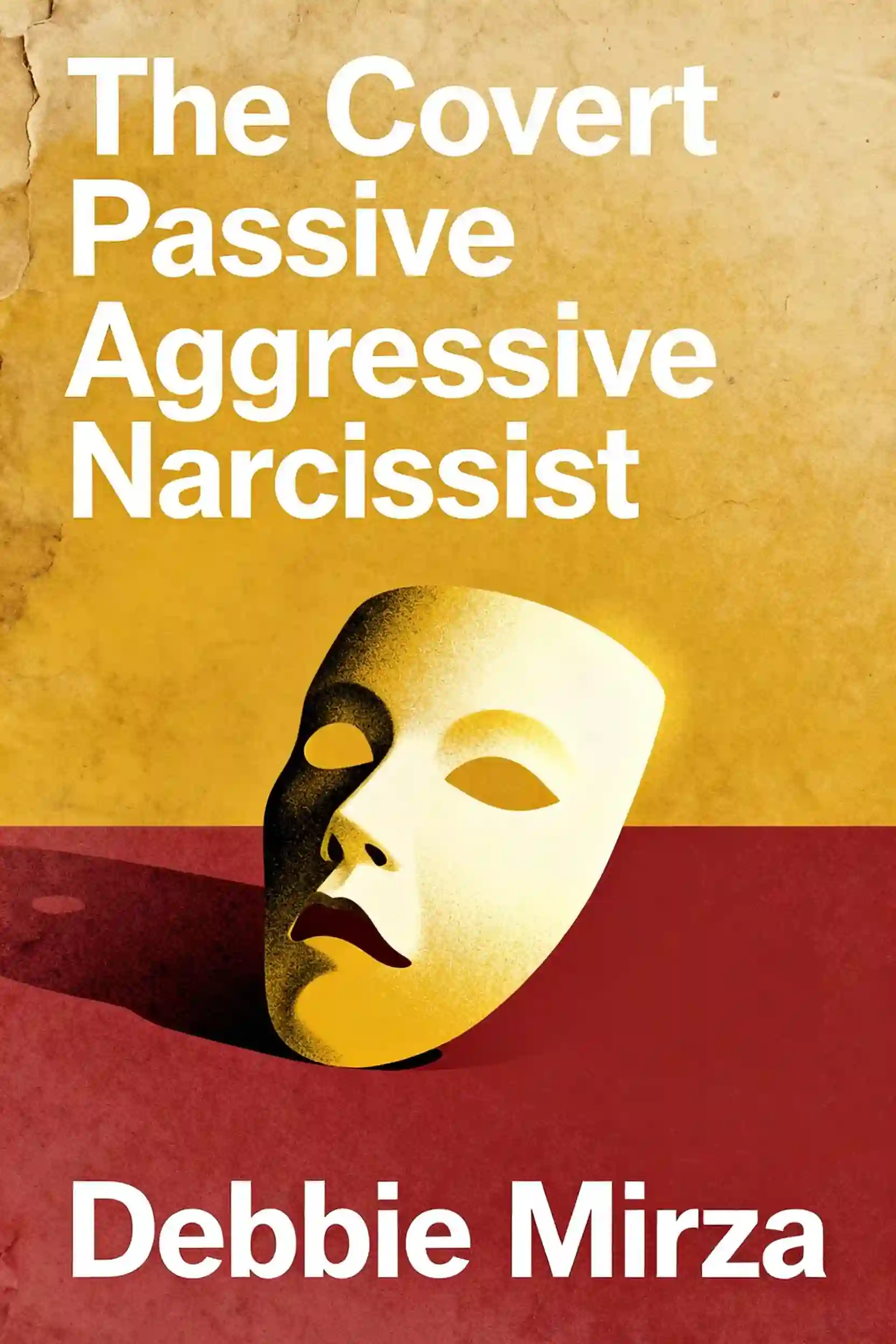
The narcissist isn't always the loudest person in the room—sometimes they’re the quietest, using sighs and tears to control the emotional center of gravity.
Generated by Ben Pegg
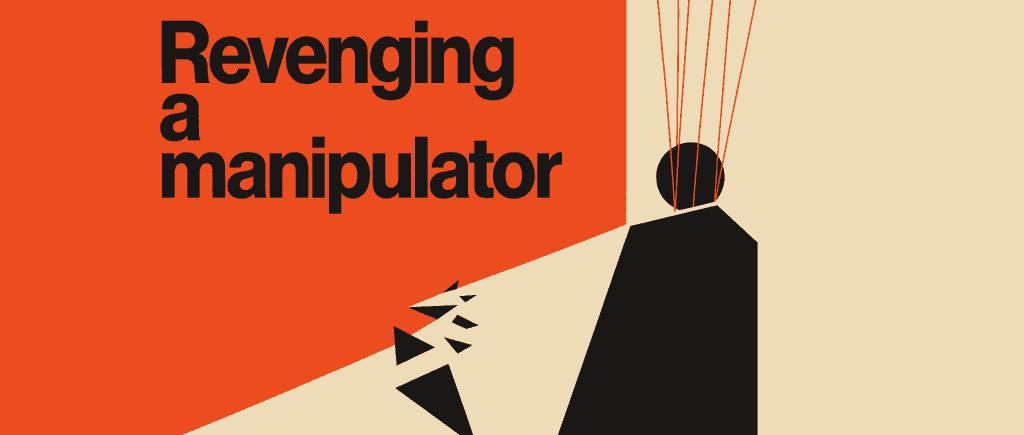
Everyone knows about the narcissist, there patterns of psychological and emotional abuse. But is there a personality disorder where someone seeks to make themselves a victim? What is under the mask of victim and narcissist abuser? What’s the untold story of the perpetual victim who won’t stop abuse? What’s the story of the narcissist who doesn’t know they are an abuser? What’s on the other sides of these two archetypes and personalities? Is the narcissist always the villain?


Frequently Asked Questions
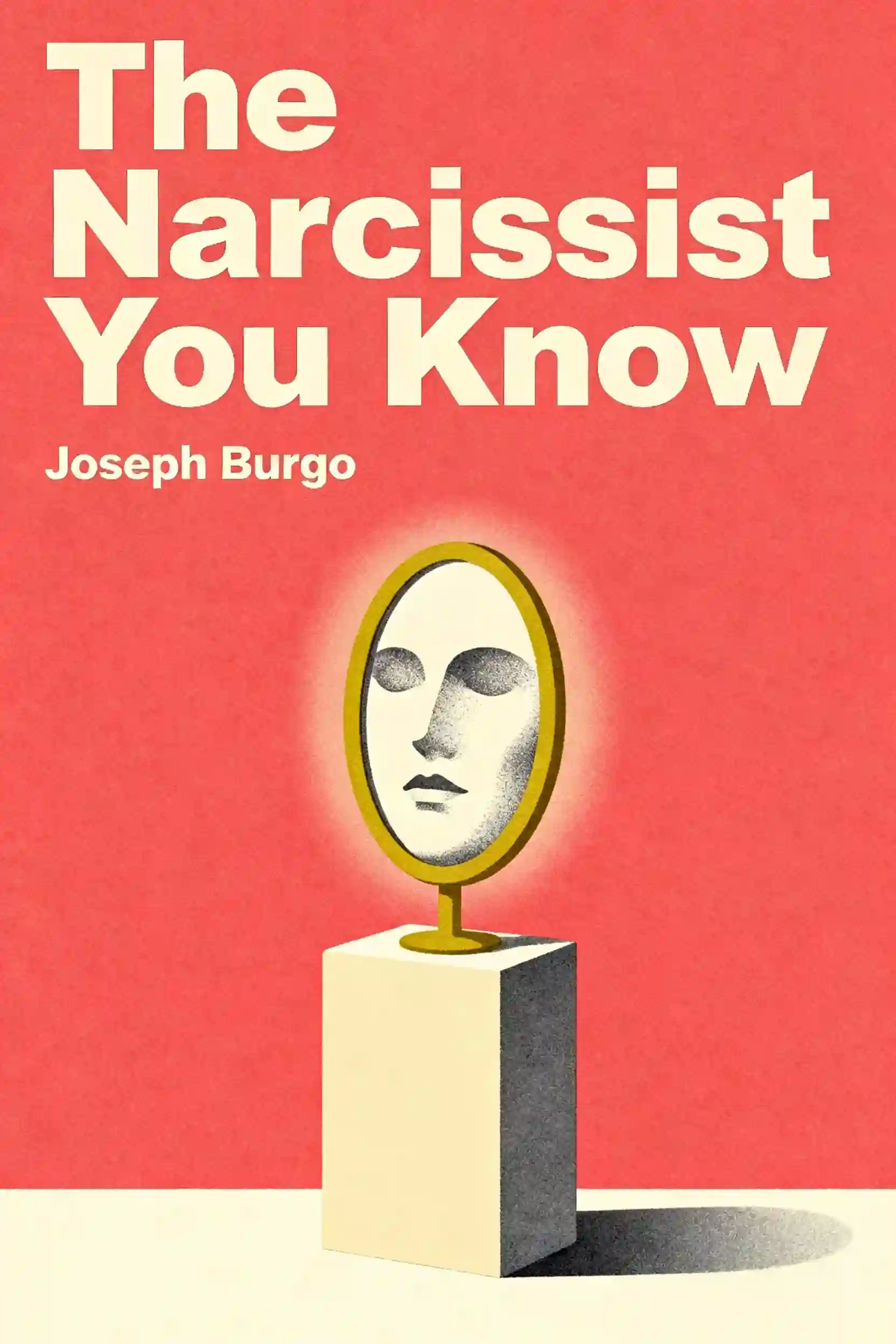
The relationship between narcissism and the perpetual victim archetype often involves a complex cycle of emotional abuse patterns. While narcissism is frequently identified by a need for admiration and lack of empathy, the perpetual victim syndrome involves a personality disorder where an individual consistently seeks to frame themselves as the injured party. Understanding what lies under the mask of both archetypes helps reveal the untold story of how these personalities interact, often blurring the lines between who is the abuser and who is the victim in psychological dynamics.
Yes, it is possible for a narcissist to be unaware that they are an abuser. Within various personality disorders, individuals may develop defensive mechanisms that shield them from recognizing their own psychological abuse patterns. By exploring these personality archetypes, we can see how a narcissist might view their actions as justified or necessary, rather than harmful. This lack of self-awareness is a key component of the narcissist vs victim archetype, where the individual may genuinely believe they are the one being mistreated.
Perpetual victim syndrome is characterized by a consistent victim mentality where an individual refuses to take responsibility for their actions, instead blaming others for their circumstances. In the context of emotional abuse, this can become a tool for manipulation. Unlike the traditional view of a narcissist as the sole villain, the perpetual victim may use their perceived suffering to exert control or continue a cycle of abuse. This archetype challenges our standard understanding of psychological abuse by showing how victimhood can be weaponized within a relationship.
While narcissism is often associated with being the primary antagonist, exploring these personality archetypes reveals a more nuanced reality. The 'villain' label can be complicated when a perpetual victim uses their status to inflict emotional harm or when a narcissist acts out of deep-seated psychological patterns they don't fully understand. By looking at what is on the other side of these personalities, we find that both the narcissist and the perpetual victim can contribute to toxic cycles, making it essential to look beyond simple labels to understand the true nature of the abuse.
From Columbia University alumni built in San Francisco
"Instead of endless scrolling, I just hit play on BeFreed. It saves me so much time."


"I never knew where to start with nonfiction—BeFreed’s book lists turned into podcasts gave me a clear path."


"Perfect balance between learning and entertainment. Finished ‘Thinking, Fast and Slow’ on my commute this week."
"Crazy how much I learned while walking the dog. BeFreed = small habits → big gains."
"Reading used to feel like a chore. Now it’s just part of my lifestyle."

"Feels effortless compared to reading. I’ve finished 6 books this month already."
"BeFreed turned my guilty doomscrolling into something that feels productive and inspiring."

"BeFreed turned my commute into learning time. 20-min podcasts are perfect for finishing books I never had time for."
"BeFreed replaced my podcast queue. Imagine Spotify for books — that’s it. 🙌"

"It is great for me to learn something from the book without reading it."
"The themed book list podcasts help me connect ideas across authors—like a guided audio journey."
"Makes me feel smarter every time before going to work"
From Columbia University alumni built in San Francisco
"Instead of endless scrolling, I just hit play on BeFreed. It saves me so much time."
"I never knew where to start with nonfiction—BeFreed’s book lists turned into podcasts gave me a clear path."
"Perfect balance between learning and entertainment. Finished ‘Thinking, Fast and Slow’ on my commute this week."
"Crazy how much I learned while walking the dog. BeFreed = small habits → big gains."
"Reading used to feel like a chore. Now it’s just part of my lifestyle."
"Feels effortless compared to reading. I’ve finished 6 books this month already."
"BeFreed turned my guilty doomscrolling into something that feels productive and inspiring."
"BeFreed turned my commute into learning time. 20-min podcasts are perfect for finishing books I never had time for."
"BeFreed replaced my podcast queue. Imagine Spotify for books — that’s it. 🙌"
"It is great for me to learn something from the book without reading it."
"The themed book list podcasts help me connect ideas across authors—like a guided audio journey."
"Makes me feel smarter every time before going to work"
"Instead of endless scrolling, I just hit play on BeFreed. It saves me so much time."
"I never knew where to start with nonfiction—BeFreed’s book lists turned into podcasts gave me a clear path."
"Perfect balance between learning and entertainment. Finished ‘Thinking, Fast and Slow’ on my commute this week."
"Crazy how much I learned while walking the dog. BeFreed = small habits → big gains."
"Reading used to feel like a chore. Now it’s just part of my lifestyle."
"Feels effortless compared to reading. I’ve finished 6 books this month already."
"BeFreed turned my guilty doomscrolling into something that feels productive and inspiring."
"BeFreed turned my commute into learning time. 20-min podcasts are perfect for finishing books I never had time for."
"BeFreed replaced my podcast queue. Imagine Spotify for books — that’s it. 🙌"
"It is great for me to learn something from the book without reading it."
"The themed book list podcasts help me connect ideas across authors—like a guided audio journey."
"Makes me feel smarter every time before going to work"
"Instead of endless scrolling, I just hit play on BeFreed. It saves me so much time."
"I never knew where to start with nonfiction—BeFreed’s book lists turned into podcasts gave me a clear path."
"Perfect balance between learning and entertainment. Finished ‘Thinking, Fast and Slow’ on my commute this week."
"Crazy how much I learned while walking the dog. BeFreed = small habits → big gains."
"Reading used to feel like a chore. Now it’s just part of my lifestyle."
"Feels effortless compared to reading. I’ve finished 6 books this month already."
"BeFreed turned my guilty doomscrolling into something that feels productive and inspiring."
"BeFreed turned my commute into learning time. 20-min podcasts are perfect for finishing books I never had time for."
"BeFreed replaced my podcast queue. Imagine Spotify for books — that’s it. 🙌"
"It is great for me to learn something from the book without reading it."
"The themed book list podcasts help me connect ideas across authors—like a guided audio journey."
"Makes me feel smarter every time before going to work"