When History Repeats: 1929, 2008, and Today's Crisis Patterns

1929 Economic Downturn Historical Comparison: episode overview
This BeFreed audio episode explores the 1929 economic downturn historical comparison, examining how the events of the 1930s contrasted with the 2008 financial crisis. By looking at past-tense historical evidence, listeners can understand the distinct origins, severity, and institutional responses of these two major economic events. This guide is designed purely for educational purposes and does not constitute financial advice.
Create Your Podcast in a Click
Generated by Joe Kremer
Input question
Create me a podcast on the similarities of the 1929 crash and the 2008 crash and tie it to what we are seeing today
Host voices

What you'll learn about the 1929 economic downturn historical comparison
- 1
Opening & Welcome
 00:0000:00
Lena: Hey everyone, welcome back to your personalized podcast from BeFreed! I'm Lena, and I'm here with my co-host Eli, and we are absolutely thrilled to dive into something that's been on everyone's mind lately-the eerie similarities between financial crashes across history. Eli: That's right, Lena! And wow, what a topic we have today. We're going to explore how the 1929 crash mirrors the 2008 financial crisis, and then-here's where it gets really fascinating-we'll connect those patterns to what we're witnessing in today's economic landscape. It's like watching history unfold in real time! Lena: Exactly! And you know what's wild? The more we dig into this, the more we realize that financial crises follow these almost predictable patterns. It's both terrifying and enlightening at the same time.
- 2
Topic Introduction & Source Material Setup
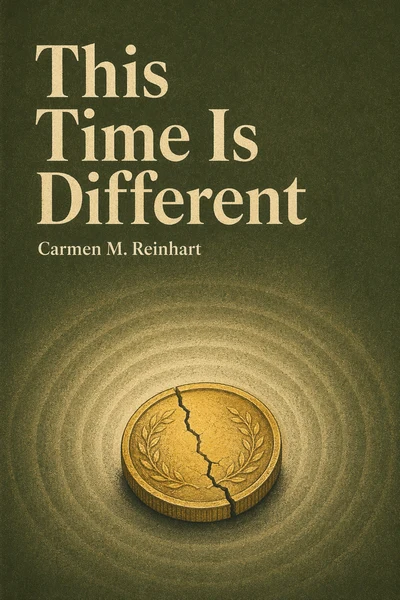
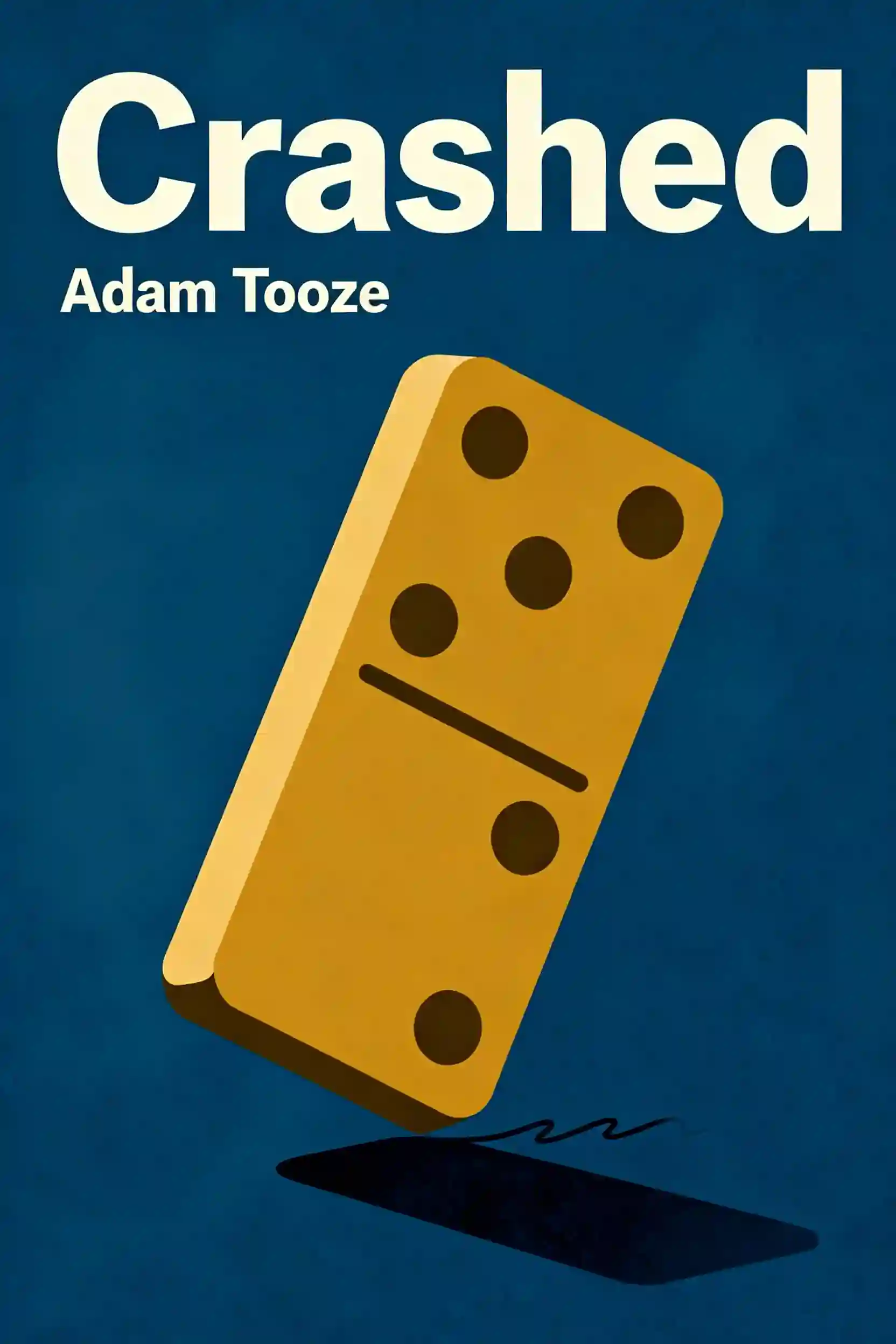
Eli: So let's set the stage here. I was just reading "This Time Is Different" by Reinhart and Rogoff, and they make this incredible point about how those four words-"this time is different"-have led to more financial losses than any other phrase in history. Lena: Oh, that's such a powerful observation! And it connects perfectly with what we see in "Crashed" and the comparative analyses we've been studying. Both the 1929 and 2008 crises were preceded by this dangerous belief that somehow, the rules had changed. Eli: Right! And what's fascinating is that when you look at the decades leading up to both crashes, you see these remarkably similar patterns. The 1920s and the 2000s both had rapid growth without major contractions, increased liquidity, and-here's the kicker-a generalized decrease in risk premiums. People genuinely believed they'd figured out how to manage risk! Lena: It's like that Warren Buffett quote from "Crashed"-"Only when the tide goes out do you discover who's been swimming naked." Both eras had this false sense of security, didn't they?
- 3
The Dangerous Mindset and Historical Patterns
Eli: Absolutely! And you know what's really striking? In both periods, you had these young, powerful central banks that people thought had everything under control. The Federal Reserve in the 1920s was relatively new, and then in the 2000s, everyone was putting so much faith in institutions like the European Central Bank. Lena: That's such a crucial point, Eli. The research shows that both decades were characterized by unsuccessful attempts to control market speculation. It's like watching the same movie play out decades apart! Eli: Exactly! And speaking of movies playing out, let's talk about the banking systems. In both 1929 and 2008, you had fundamental flaws in the banking structure. The 1920s had this "unit banking" system, while 2008 had the "too-big-to-fail" problem. Different symptoms, same disease! Lena: And the real estate component-oh my goodness! Both periods saw massive real estate booms. In the 1920s, it was about commercial banks getting heavily involved in real estate financing for the first time. In the 2000s, we had the subprime mortgage explosion. The players changed, but the game remained the same.
- Chapter 4
Debt, Inequality, and the Credit Band-Aid
**Lena:** You know what really gets me, Eli? It's how debt played such a central role in both crises. The comparative analysis shows that households and financial institutions in both eras took on these massive debt burdens during the good times. **Eli:** Yes! And this connects beautifully to what Rajan discusses in "Fault Lines." He talks about how growing inequality in the lead-up to 2008 was masked by this expansion of credit-particularly housing credit. It was like putting a band-aid on a gaping wound. **Lena:** That's such a vivid way to put it! So instead of addressing the real problem-the widening education gap and wage stagnation-politicians just made it easier for people to borrow. And you know what? We saw something similar in the 1920s with the expansion of consumer credit. **Eli:** Absolutely! Both periods had this dangerous combination of technological innovation in finance and misaligned incentives. In the 1920s, it was the rise of investment trusts and holding companies. In the 2000s, it was securitization and complex derivatives. Financial innovation without proper risk management-it's a recipe for disaster! **Lena:** And the inequality aspect is so important. Both eras saw this concentration of wealth at the top while the middle class struggled. The only difference was how they dealt with it-the 1920s through stock market speculation, the 2000s through housing debt.
Chapter 5Global Interconnectedness and Systemic Risk
**Eli:** Now here's where it gets really interesting for our listeners today. Both the 1929 and 2008 crises had these massive international dimensions. The world was deeply interconnected, and when things went wrong, the contagion spread like wildfire. **Lena:** Right! And the research on global imbalances is fascinating. Just like how export-led countries today are accumulating massive reserves, you had similar dynamics in both historical periods. Countries were essentially self-insuring against financial crises, but that created its own set of problems. **Eli:** Exactly! And both crises were triggered by the failure of major American financial institutions that could have been avoided. In 1929, you had bank failures that spiraled out of control. In 2008, Lehman Brothers was the domino that started the collapse. **Lena:** What's terrifying is how quickly things unraveled once confidence was lost. The speed of crisis unfolding-whether it was the stock market crash of 1929 or the credit freeze of 2008-shows how fragile these systems really are.
Chapter 6Policy Responses and Lessons Learned
**Lena:** But here's where the stories diverge dramatically, Eli. The policy responses were completely different, and that made all the difference in outcomes. **Eli:** Oh, absolutely! The 1929 crisis was characterized by this prolonged inaction. Policymakers basically stood by and watched the economy collapse. But in 2008, the response was swift and aggressive-quantitative easing, bank bailouts, coordinated international action. **Lena:** And that's why we didn't see a repeat of the Great Depression, right? The research shows that while the 2008 response prevented immediate catastrophe, it may have just deferred the adjustment process rather than solving the underlying problems. **Eli:** That's such a crucial insight! Because when you look at what's happening today-the bank failures we saw in 2023, the ongoing issues with regional banks, the continued wealth inequality-it's like we're still dealing with the aftershocks of problems that were never fully addressed. **Lena:** And the "fault lines" that Rajan identified are still there! The education gap, the global imbalances, the financial sector's misaligned incentives. We patched over the cracks without fixing the foundation.
Chapter 7Connecting to Today's Economic Environment
**Eli:** So let's talk about 2023 and beyond, because this is where everything we've discussed becomes incredibly relevant. The current economic environment has some striking similarities to both previous crises, but also some key differences. **Lena:** Right! The 2023 banking issues weren't caused by a housing bubble like 2008, but by rapid interest rate hikes creating liquidity problems for regional banks. It's a different trigger, but the underlying vulnerabilities-the interconnectedness, the systemic risks-they're all still there. **Eli:** And here's what's really concerning-we're seeing technological developments that weren't present in either 1929 or 2008. Cryptocurrencies, fintech platforms, digital banking-these have created new risks that we're still learning to understand. **Lena:** Plus, the geopolitical landscape is so different now. The analysis shows that while 2008 was primarily centered in the U.S. and Europe, today's crises have more global implications. China's rise as an economic power, ongoing trade tensions, the pandemic's lingering effects-it's a much more complex web. **Eli:** And the inequality issue? It's arguably worse now than it was before either previous crisis. The policy responses to 2008 may have prevented a depression, but they also contributed to asset price inflation that benefited the wealthy while leaving many others behind.
Chapter 8Wrap-up & Closing Reflection
**Lena:** So as we wrap things up, I think the key takeaway for our listeners is this: financial crises are indeed inevitable, as Reinhart and Rogoff argue, but understanding these patterns can help us prepare better. **Eli:** Absolutely! The similarities between 1929, 2008, and today's environment aren't just academic curiosities-they're warnings. The same fault lines keep appearing: excessive debt, inequality, financial innovation without proper oversight, and that dangerous "this time is different" mindset. **Lena:** What gives me hope, though, is that we're having these conversations. The more we understand these patterns, the better equipped we are to recognize the warning signs and push for the kind of structural reforms that address root causes rather than just symptoms. **Eli:** That's exactly right. Whether it's reforming education systems, creating better safety nets, addressing global imbalances, or fixing financial sector incentives-the solutions are out there. We just need the political will to implement them before the next crisis hits. **Lena:** And on that note, we want to encourage everyone listening to stay curious, keep asking the tough questions about our economic systems, and remember that understanding history isn't just about the past-it's about building a more resilient future. Thanks for joining us on this journey through financial history! **Eli:** Until next time, keep those critical thinking caps on, and remember-when someone says "this time is different," that's probably when you should start paying the closest attention!
What people search for about the 1929 economic downturn historical comparison
When exploring historical economic crises, listeners frequently ask how the 1929 downturn affected the global economy and how it measured up against the 2008 recession. Common points of interest include the severity of gross domestic product (GDP) contractions, the causes behind the 2008 liquidity crisis, and the timeline of recovery for both historical events.
A historical guide to the 1929 economic downturn and 2008
A factual 1929 economic downturn historical comparison reveals significant differences in both scale and origin between the two crises. Between 1929 and 1932, worldwide GDP fell by an estimated 15 percent, with the United States experiencing a 30 percent contraction and severe deflation. In contrast, the 2008 financial crisis began as a liquidity issue that climaxed with the bankruptcy of major financial institutions. While 2008 was a deep and protracted recession, the overall economic contraction did not reach the severity of the 1920s crash. Please note that this historical comparison is educational; historical parallels cannot establish present or future outcomes, and this information is not a guide to portfolio decisions.
Best quote from When History Repeats: 1929, 2008, and Today's Crisis Patterns
The four words 'this time is different' have led to more financial losses than any other phrase in history. These crises follow predictable patterns of excessive debt, inequality, and financial innovation without proper oversight.
Knowledge sources




FAQ
Following the crash of 1929, the global economy experienced severe deflation. Between 1929 and 1932, worldwide gross domestic product (GDP) fell by an estimated 15 percent, and the U.S. economy saw a 30 percent contraction.
The 1929 downturn is widely considered the most severe economic contraction in modern history, characterized by deep deflation, high unemployment, and a uniquely prolonged recovery period.
Historical data indicates the 1929 downturn was more severe in terms of overall contraction than the 2008 crisis. The 1929 event caused a 30 percent GDP contraction in the U.S., whereas the 2008 recession, while deep and protracted, resulted in a smaller overall economic decline.
From Columbia University alumni built in San Francisco
"Instead of endless scrolling, I just hit play on BeFreed. It saves me so much time."


"I never knew where to start with nonfiction—BeFreed’s book lists turned into podcasts gave me a clear path."


"Perfect balance between learning and entertainment. Finished ‘Thinking, Fast and Slow’ on my commute this week."
"Crazy how much I learned while walking the dog. BeFreed = small habits → big gains."
"Reading used to feel like a chore. Now it’s just part of my lifestyle."

"Feels effortless compared to reading. I’ve finished 6 books this month already."
"BeFreed turned my guilty doomscrolling into something that feels productive and inspiring."

"BeFreed turned my commute into learning time. 20-min podcasts are perfect for finishing books I never had time for."
"BeFreed replaced my podcast queue. Imagine Spotify for books — that’s it. 🙌"

"It is great for me to learn something from the book without reading it."
"The themed book list podcasts help me connect ideas across authors—like a guided audio journey."
"Makes me feel smarter every time before going to work"
From Columbia University alumni built in San Francisco
"Instead of endless scrolling, I just hit play on BeFreed. It saves me so much time."
"I never knew where to start with nonfiction—BeFreed’s book lists turned into podcasts gave me a clear path."
"Perfect balance between learning and entertainment. Finished ‘Thinking, Fast and Slow’ on my commute this week."
"Crazy how much I learned while walking the dog. BeFreed = small habits → big gains."
"Reading used to feel like a chore. Now it’s just part of my lifestyle."
"Feels effortless compared to reading. I’ve finished 6 books this month already."
"BeFreed turned my guilty doomscrolling into something that feels productive and inspiring."
"BeFreed turned my commute into learning time. 20-min podcasts are perfect for finishing books I never had time for."
"BeFreed replaced my podcast queue. Imagine Spotify for books — that’s it. 🙌"
"It is great for me to learn something from the book without reading it."
"The themed book list podcasts help me connect ideas across authors—like a guided audio journey."
"Makes me feel smarter every time before going to work"
"Instead of endless scrolling, I just hit play on BeFreed. It saves me so much time."
"I never knew where to start with nonfiction—BeFreed’s book lists turned into podcasts gave me a clear path."
"Perfect balance between learning and entertainment. Finished ‘Thinking, Fast and Slow’ on my commute this week."
"Crazy how much I learned while walking the dog. BeFreed = small habits → big gains."
"Reading used to feel like a chore. Now it’s just part of my lifestyle."
"Feels effortless compared to reading. I’ve finished 6 books this month already."
"BeFreed turned my guilty doomscrolling into something that feels productive and inspiring."
"BeFreed turned my commute into learning time. 20-min podcasts are perfect for finishing books I never had time for."
"BeFreed replaced my podcast queue. Imagine Spotify for books — that’s it. 🙌"
"It is great for me to learn something from the book without reading it."
"The themed book list podcasts help me connect ideas across authors—like a guided audio journey."
"Makes me feel smarter every time before going to work"
"Instead of endless scrolling, I just hit play on BeFreed. It saves me so much time."
"I never knew where to start with nonfiction—BeFreed’s book lists turned into podcasts gave me a clear path."
"Perfect balance between learning and entertainment. Finished ‘Thinking, Fast and Slow’ on my commute this week."
"Crazy how much I learned while walking the dog. BeFreed = small habits → big gains."
"Reading used to feel like a chore. Now it’s just part of my lifestyle."
"Feels effortless compared to reading. I’ve finished 6 books this month already."
"BeFreed turned my guilty doomscrolling into something that feels productive and inspiring."
"BeFreed turned my commute into learning time. 20-min podcasts are perfect for finishing books I never had time for."
"BeFreed replaced my podcast queue. Imagine Spotify for books — that’s it. 🙌"
"It is great for me to learn something from the book without reading it."
"The themed book list podcasts help me connect ideas across authors—like a guided audio journey."
"Makes me feel smarter every time before going to work"