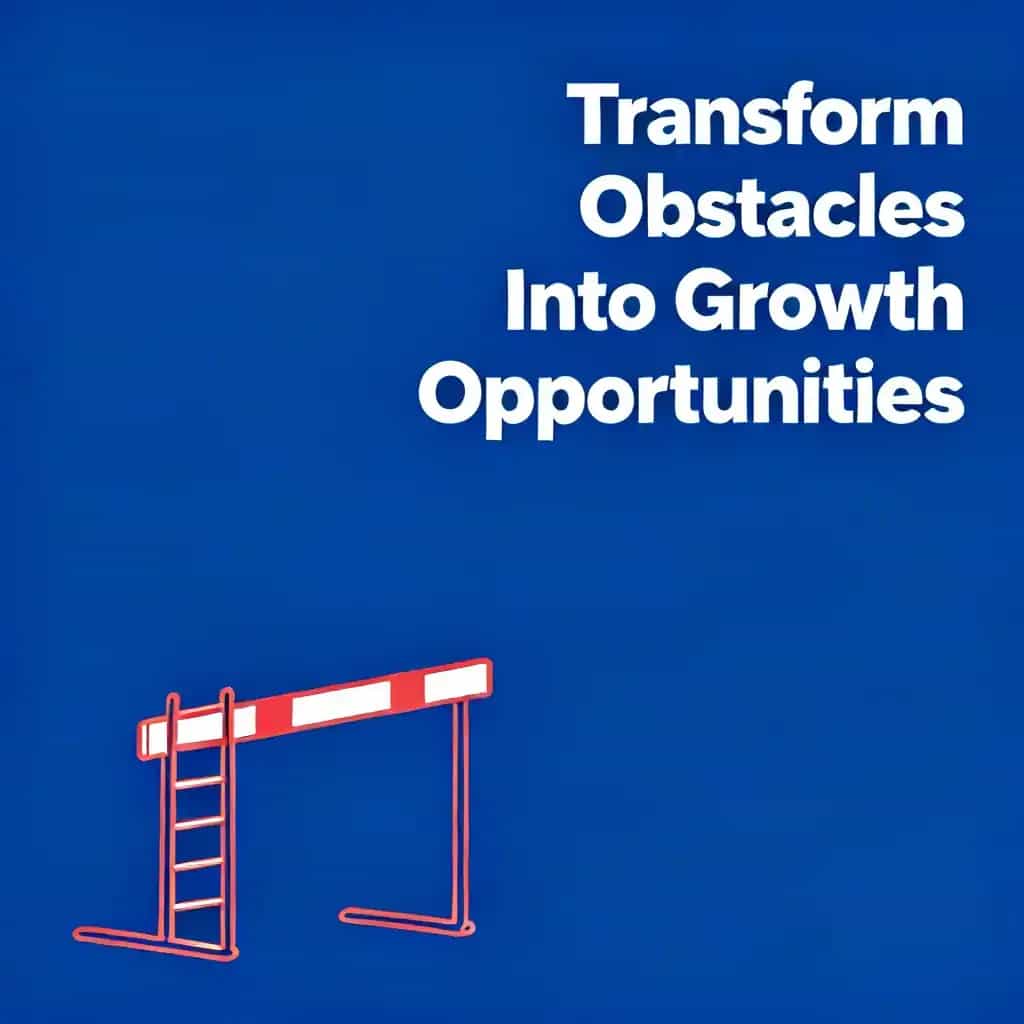
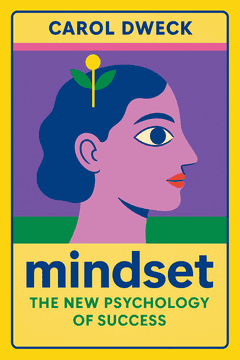
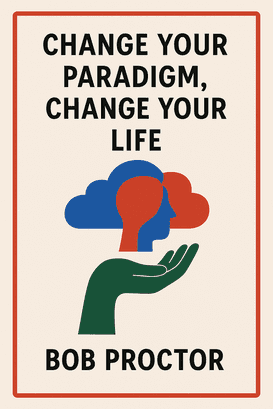
Unlock Growth Through Ambitious Challenges
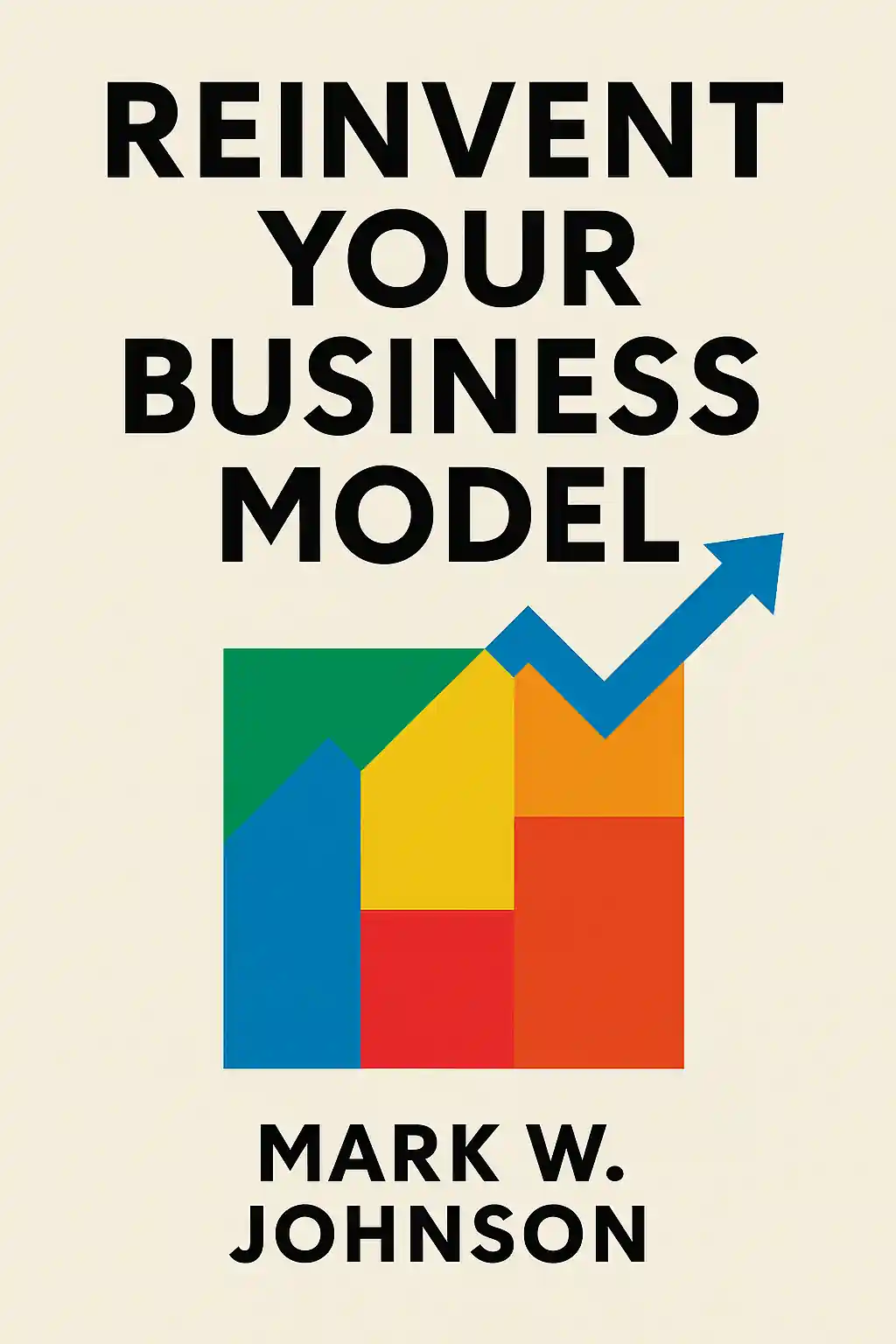
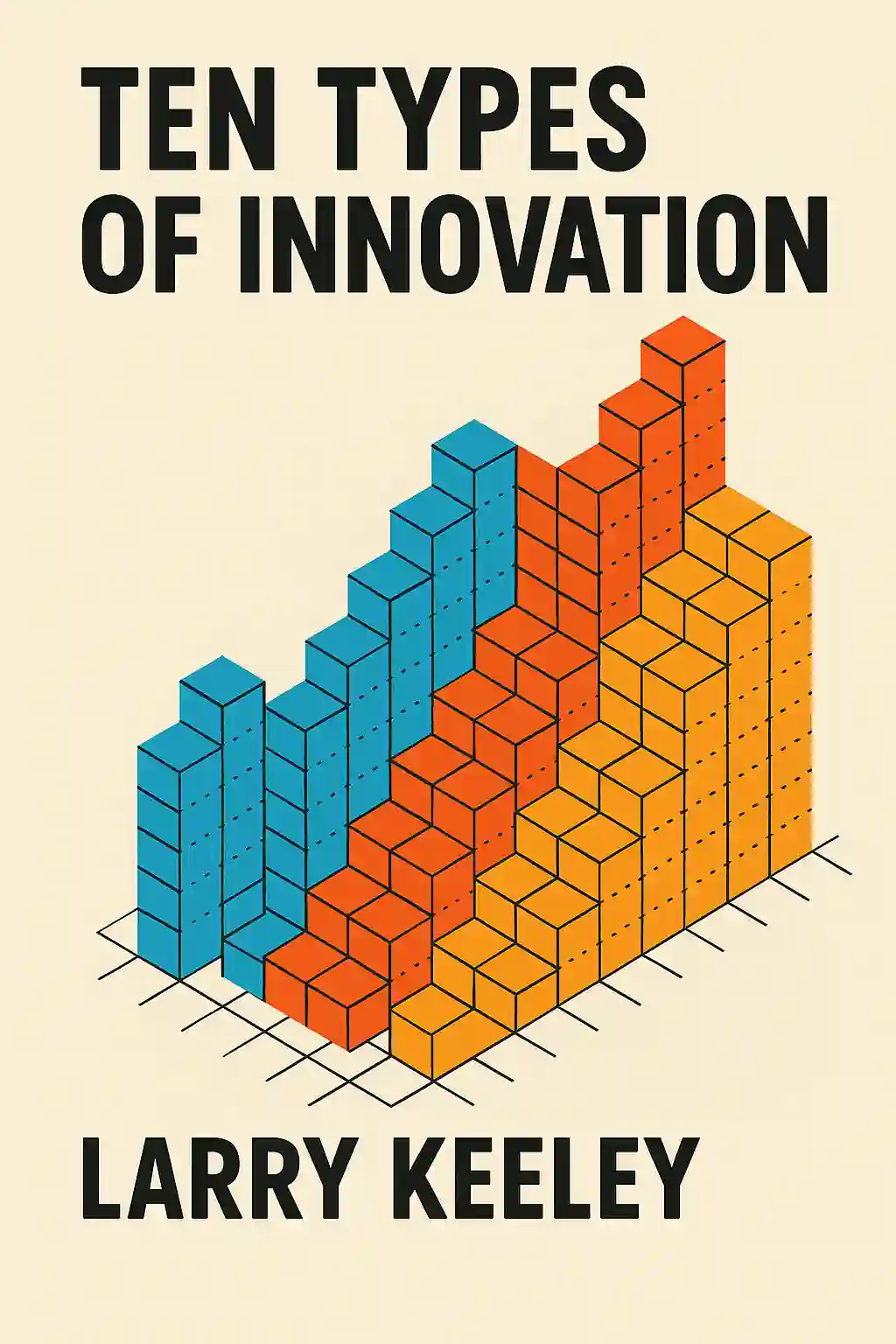
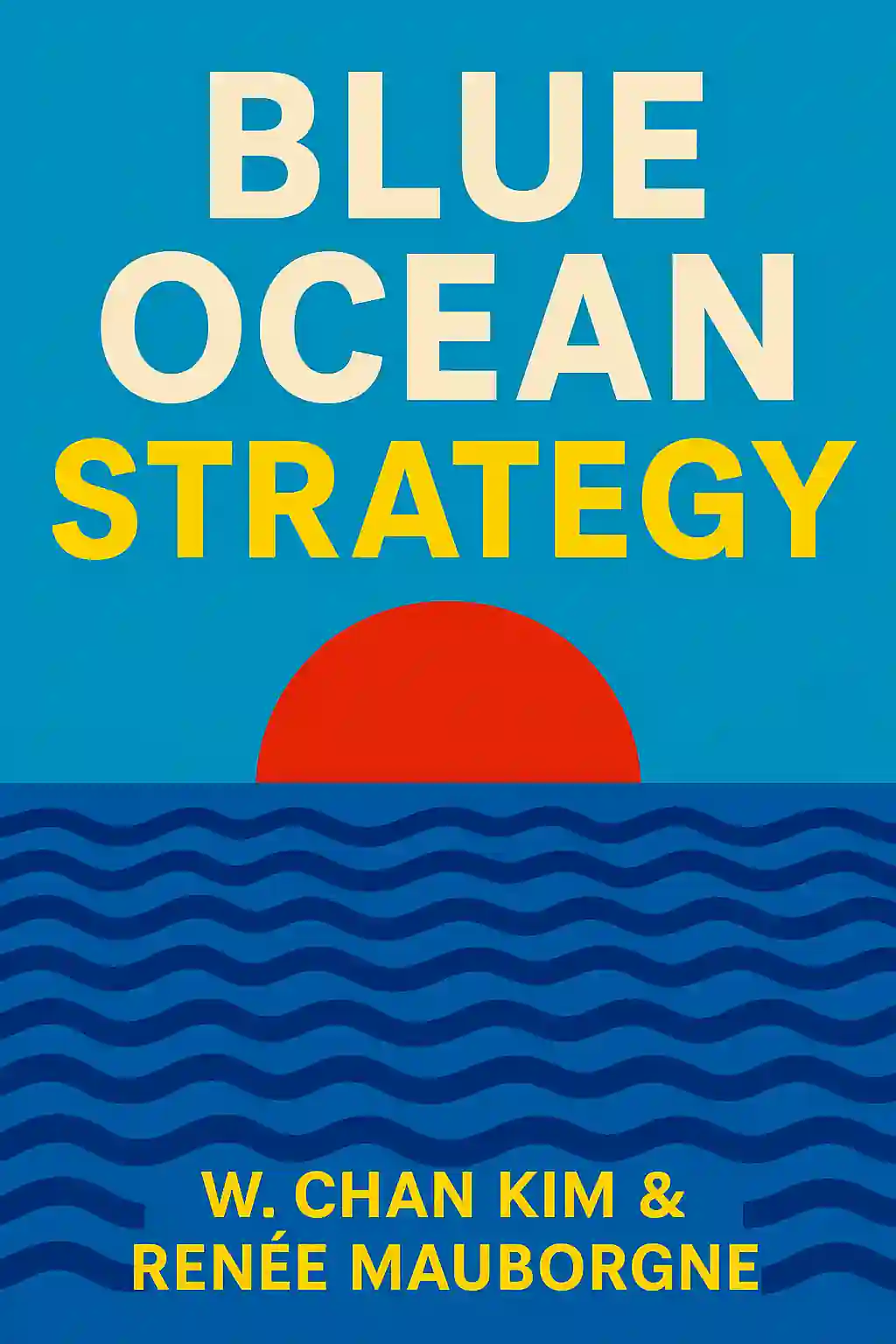
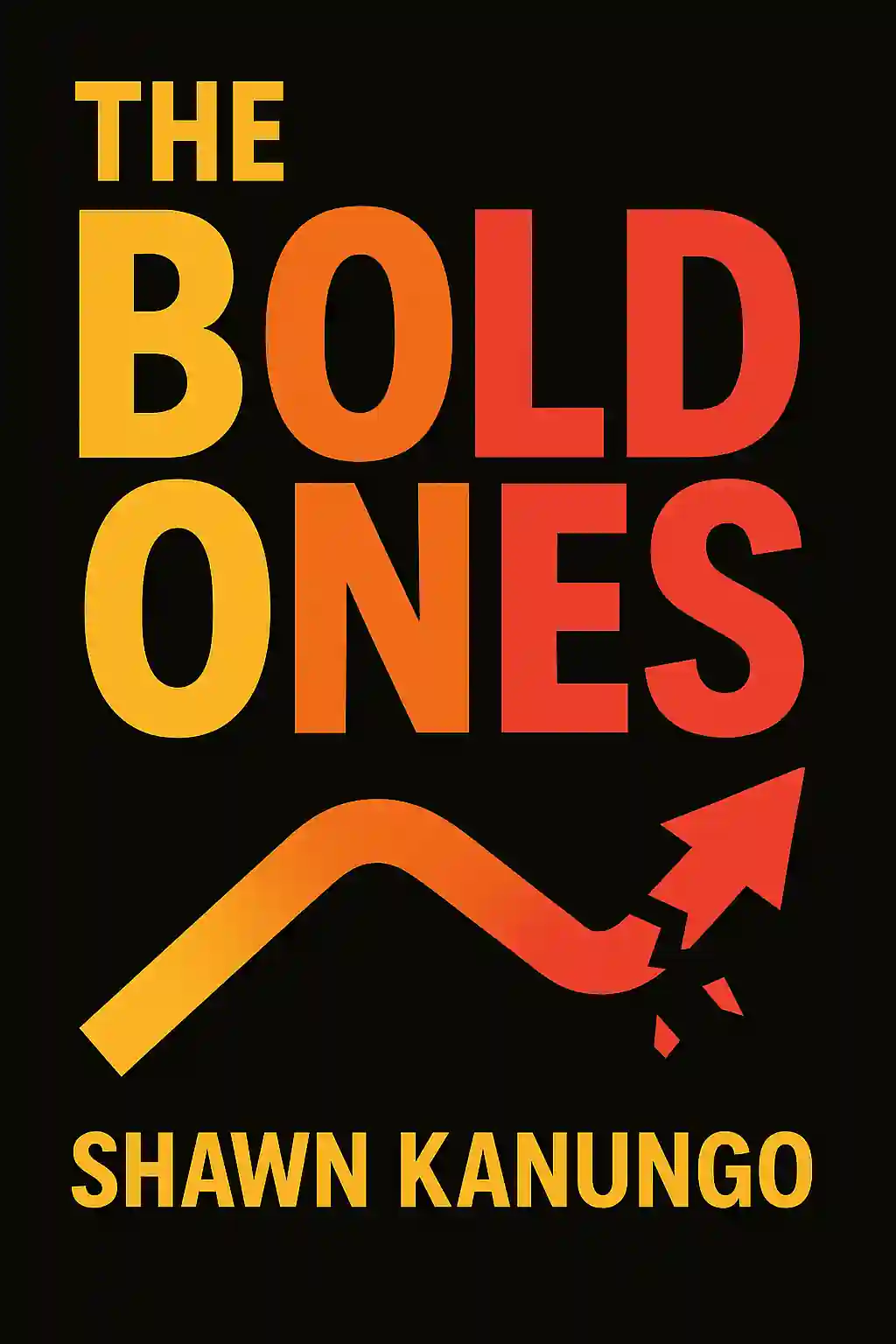
Jackson and Eli dissect revolutionary business frameworks to expose how ambitious challenges create breakthrough growth. If you're not questioning every assumption about your business model after this, you're not paying attention!

Best quote from Unlock Growth Through Ambitious Challenges
The biggest growth opportunities come from challenging everything we think we know; disruption always begins as something that looks hilarious, fringe, or almost pathetic before it becomes a new market reality.

This audio lesson was created by a BeFreed community member
unlocking new growth opportunities through ambitious challenges

Discover more

The Billion-Pound Blueprint
This blueprint is essential for ambitious entrepreneurs and executives aiming to transition from a successful model to a market-dominating empire. It provides the strategic roadmap for scaling operations without compromising the core integrity of the business.

The Psychology of Growth
This plan is essential for entrepreneurs and marketers who want to move beyond surface-level tactics and master the science of persuasion. It provides a deep dive into how the human brain makes decisions, making it perfect for anyone looking to increase conversion rates through psychological insight.

Build Your Secure Business Empire
This plan is essential for aspiring entrepreneurs who want to balance rapid growth with rigorous asset protection. It bridges the gap between visionary planning and operational security, making it ideal for founders building a legacy.
The Founder's MBA: Scale and Capital
This program is designed for early-stage founders and entrepreneurs ready to transition from a startup mindset to a scalable enterprise. It bridges the gap between initial product validation and long-term capital strategy, making it essential for anyone seeking to lead a high-growth company.

Capital, Distribution, and the Global Startup Reset
As the venture landscape shifts, founders and investors must move beyond simple product innovation toward strategic capital allocation and distribution moats. This plan is essential for entrepreneurs and growth leaders looking to navigate the 2025 market reset and dominate their respective categories.

From Operator to Strategic Owner
This plan is designed for business owners and founders trapped in daily operations who want to reclaim their time. It provides a structured roadmap to move from being the bottleneck to becoming a strategic leader by building scalable systems.

Command the Boardroom Interview
This learning plan is essential for senior leaders and aspiring executives who need to bridge the gap between technical expertise and boardroom influence. It provides a blueprint for mastering high-stakes interactions where trust and strategic vision are the primary currencies of success.

The Third Path: Ambition and Awakening
This plan is essential for high-achievers who feel trapped between professional drive and the need for inner tranquility. It provides a roadmap for leaders and creatives to pursue excellence without sacrificing their mental well-being or spiritual grounding.
From Columbia University alumni built in San Francisco
"Instead of endless scrolling, I just hit play on BeFreed. It saves me so much time."


"I never knew where to start with nonfiction—BeFreed’s book lists turned into podcasts gave me a clear path."


"Perfect balance between learning and entertainment. Finished ‘Thinking, Fast and Slow’ on my commute this week."
"Crazy how much I learned while walking the dog. BeFreed = small habits → big gains."
"Reading used to feel like a chore. Now it’s just part of my lifestyle."

"Feels effortless compared to reading. I’ve finished 6 books this month already."
"BeFreed turned my guilty doomscrolling into something that feels productive and inspiring."

"BeFreed turned my commute into learning time. 20-min podcasts are perfect for finishing books I never had time for."
"BeFreed replaced my podcast queue. Imagine Spotify for books — that’s it. 🙌"

"It is great for me to learn something from the book without reading it."
"The themed book list podcasts help me connect ideas across authors—like a guided audio journey."
"Makes me feel smarter every time before going to work"
From Columbia University alumni built in San Francisco
"Instead of endless scrolling, I just hit play on BeFreed. It saves me so much time."
"I never knew where to start with nonfiction—BeFreed’s book lists turned into podcasts gave me a clear path."
"Perfect balance between learning and entertainment. Finished ‘Thinking, Fast and Slow’ on my commute this week."
"Crazy how much I learned while walking the dog. BeFreed = small habits → big gains."
"Reading used to feel like a chore. Now it’s just part of my lifestyle."
"Feels effortless compared to reading. I’ve finished 6 books this month already."
"BeFreed turned my guilty doomscrolling into something that feels productive and inspiring."
"BeFreed turned my commute into learning time. 20-min podcasts are perfect for finishing books I never had time for."
"BeFreed replaced my podcast queue. Imagine Spotify for books — that’s it. 🙌"
"It is great for me to learn something from the book without reading it."
"The themed book list podcasts help me connect ideas across authors—like a guided audio journey."
"Makes me feel smarter every time before going to work"
"Instead of endless scrolling, I just hit play on BeFreed. It saves me so much time."
"I never knew where to start with nonfiction—BeFreed’s book lists turned into podcasts gave me a clear path."
"Perfect balance between learning and entertainment. Finished ‘Thinking, Fast and Slow’ on my commute this week."
"Crazy how much I learned while walking the dog. BeFreed = small habits → big gains."
"Reading used to feel like a chore. Now it’s just part of my lifestyle."
"Feels effortless compared to reading. I’ve finished 6 books this month already."
"BeFreed turned my guilty doomscrolling into something that feels productive and inspiring."
"BeFreed turned my commute into learning time. 20-min podcasts are perfect for finishing books I never had time for."
"BeFreed replaced my podcast queue. Imagine Spotify for books — that’s it. 🙌"
"It is great for me to learn something from the book without reading it."
"The themed book list podcasts help me connect ideas across authors—like a guided audio journey."
"Makes me feel smarter every time before going to work"
"Instead of endless scrolling, I just hit play on BeFreed. It saves me so much time."
"I never knew where to start with nonfiction—BeFreed’s book lists turned into podcasts gave me a clear path."
"Perfect balance between learning and entertainment. Finished ‘Thinking, Fast and Slow’ on my commute this week."
"Crazy how much I learned while walking the dog. BeFreed = small habits → big gains."
"Reading used to feel like a chore. Now it’s just part of my lifestyle."
"Feels effortless compared to reading. I’ve finished 6 books this month already."
"BeFreed turned my guilty doomscrolling into something that feels productive and inspiring."
"BeFreed turned my commute into learning time. 20-min podcasts are perfect for finishing books I never had time for."
"BeFreed replaced my podcast queue. Imagine Spotify for books — that’s it. 🙌"
"It is great for me to learn something from the book without reading it."
"The themed book list podcasts help me connect ideas across authors—like a guided audio journey."
"Makes me feel smarter every time before going to work"