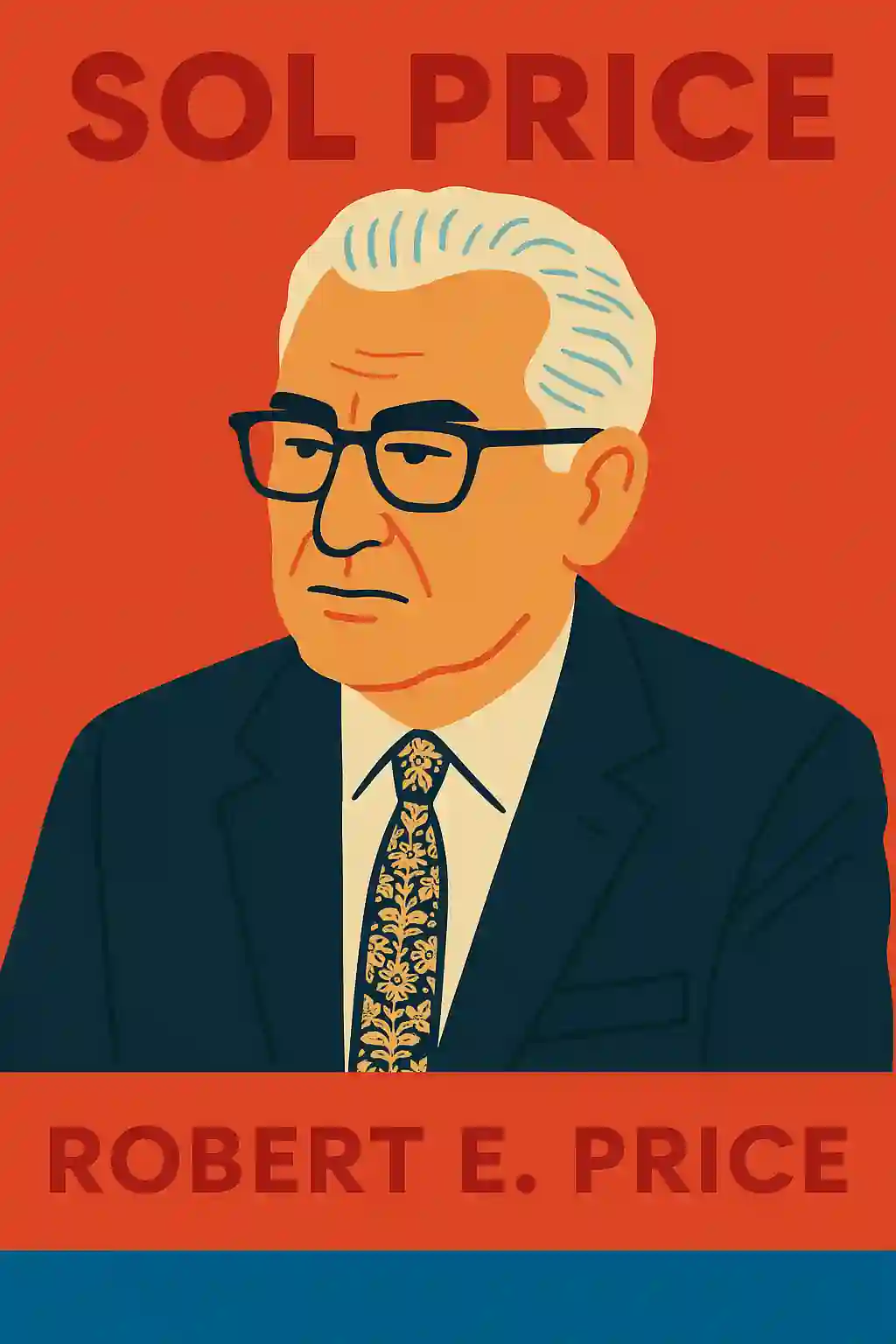
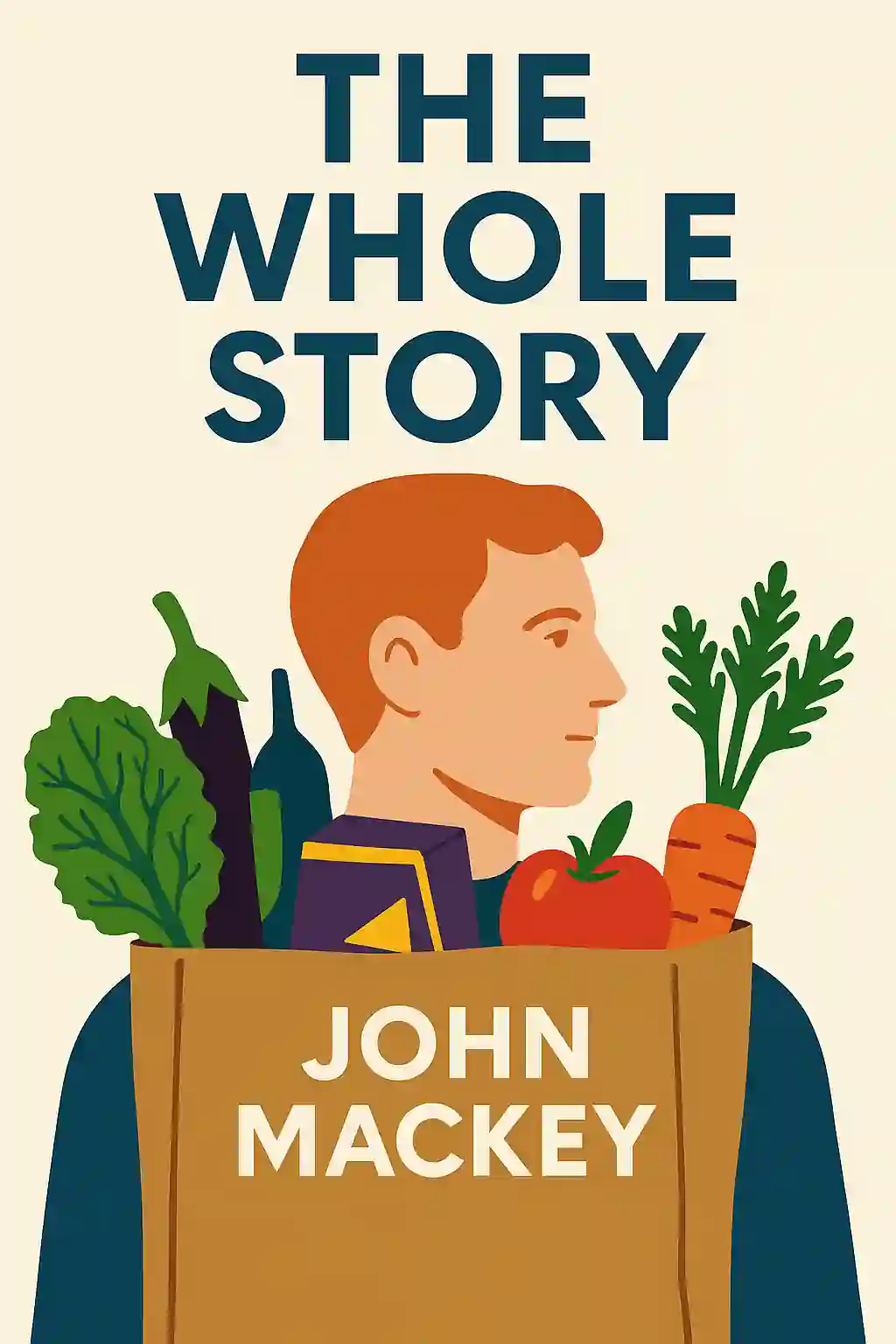
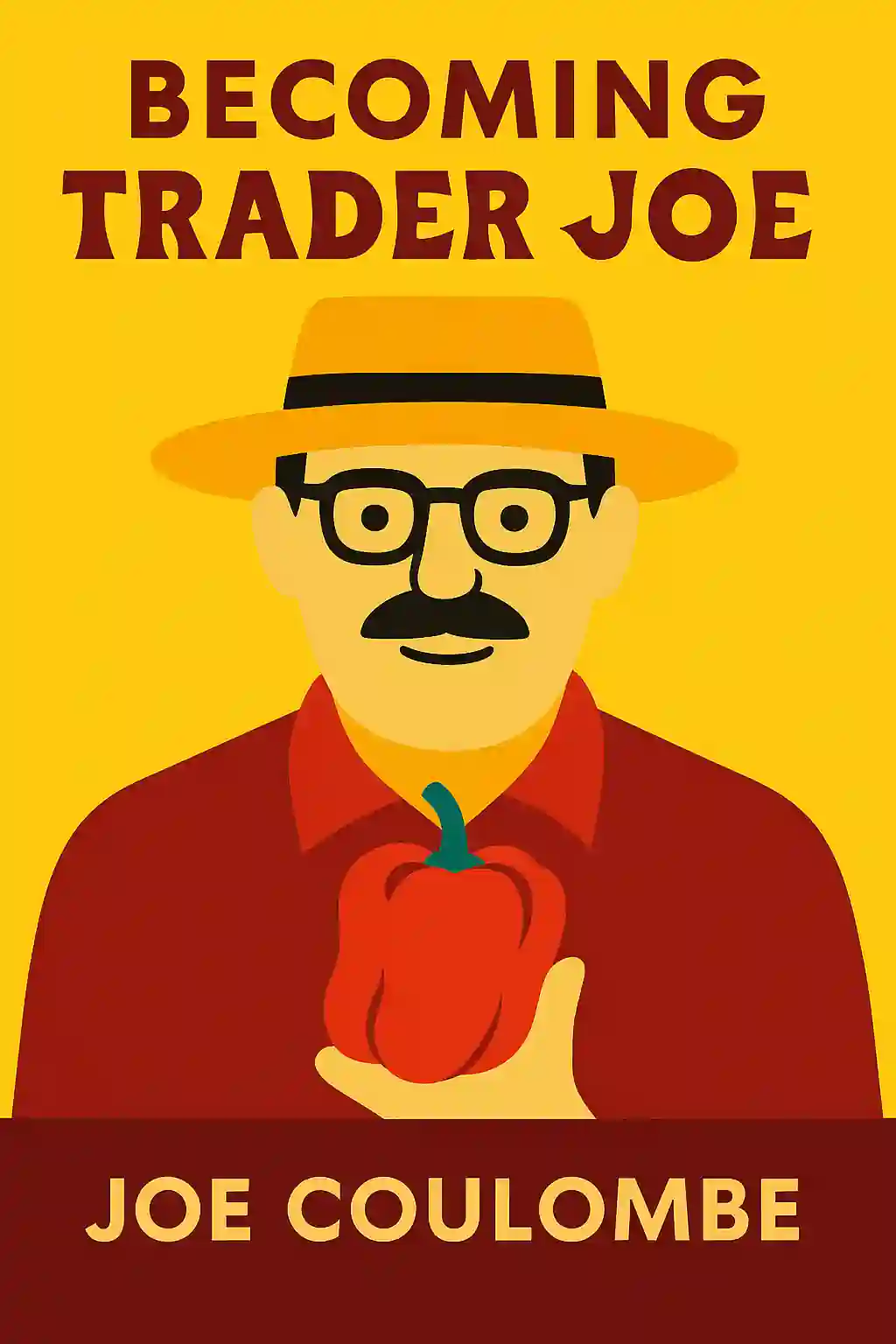
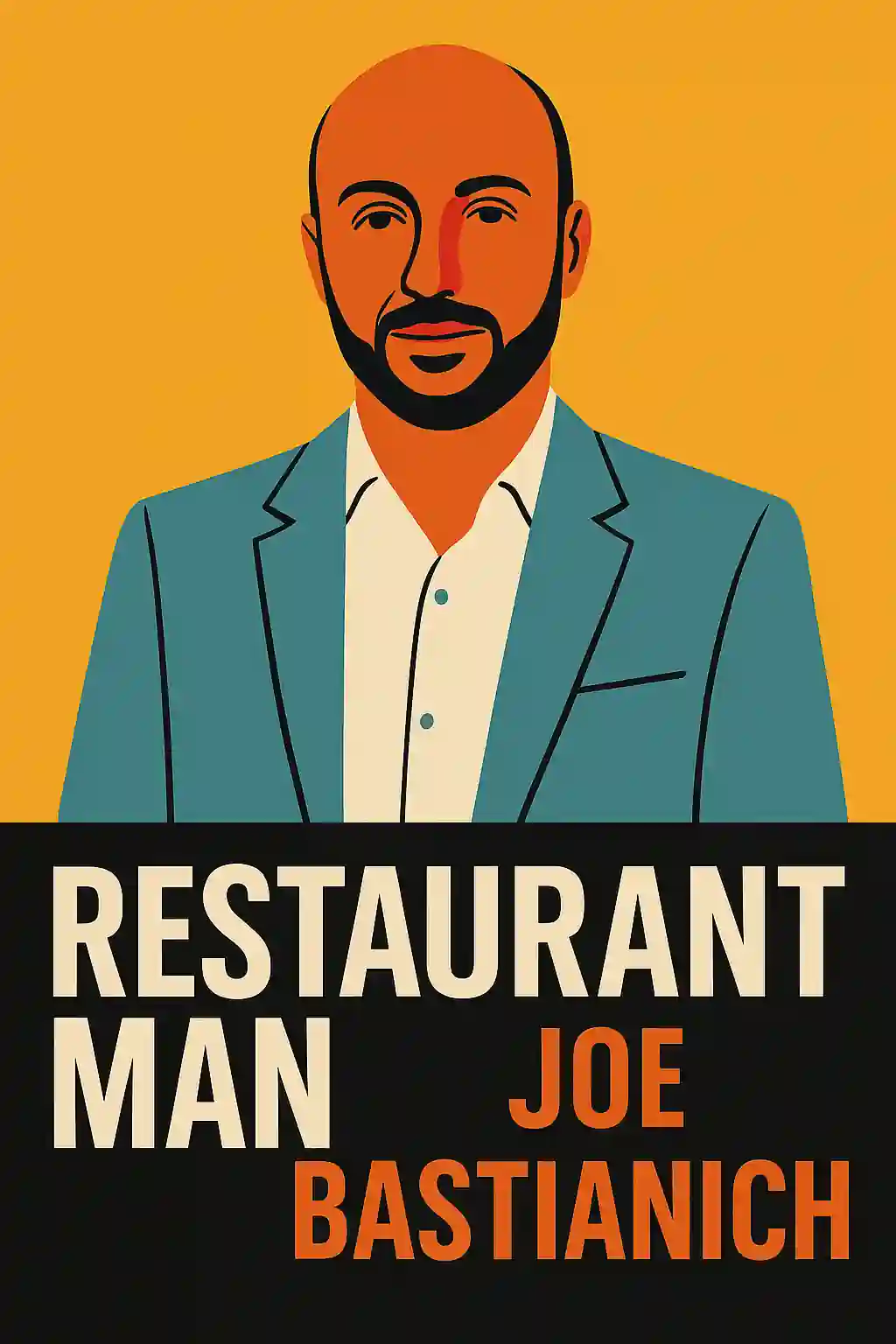
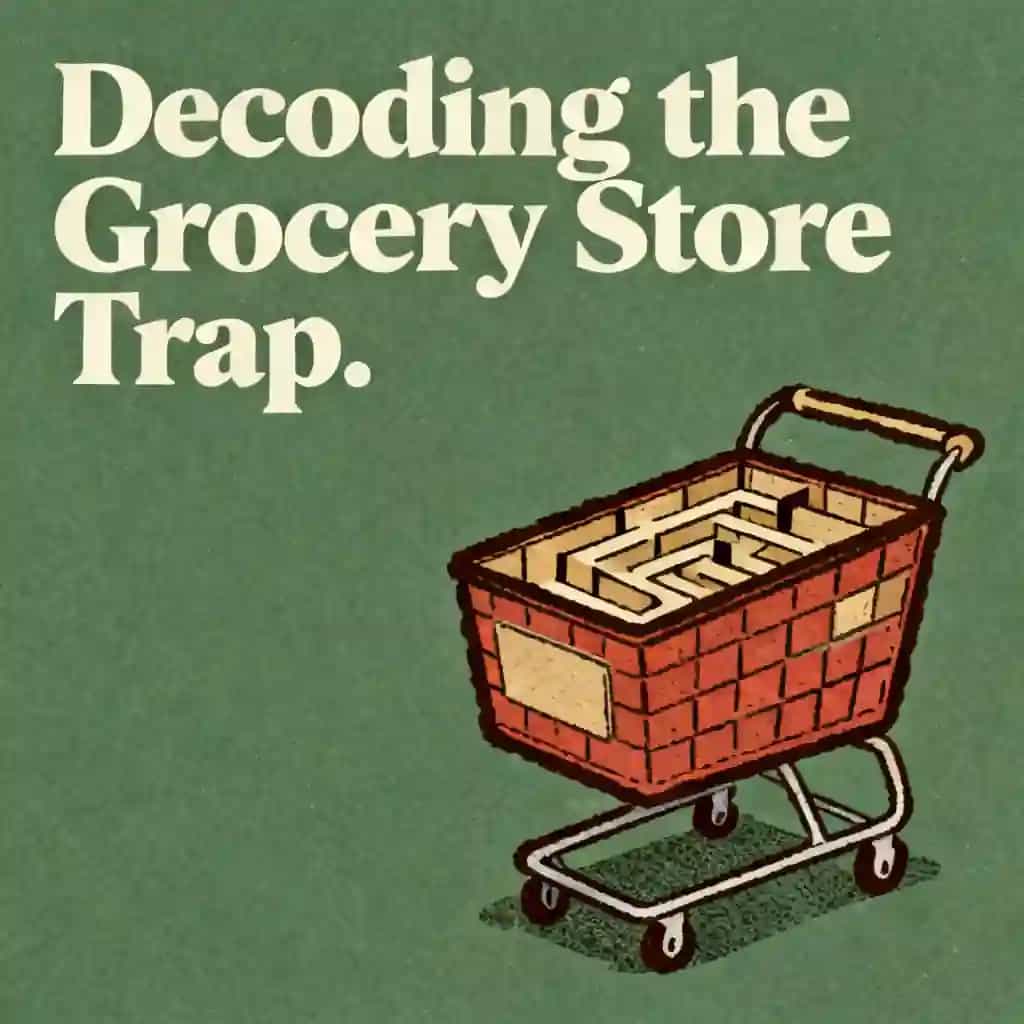
Joe Coulombe couldn't beat 7-Eleven, so he reinvented the grocery store. Learn how Pronto Markets became a tropical treasure hunt for the underpaid.
Best quote from Trader Joe's History: From Convenience to Cult Brand
“
Joe segmented by interest rather than income, betting the future of his company on the 'overeducated and underpaid'—people whose intellectual curiosity and refined tastes far outpaced their bank accounts.
”
J
Generated by Jacob
Input question
The beginning and history of trader joes
Host voices
Eli
Nia
Knowledge sources
Frequently Asked Questions
The founder, Joe Coulombe, specifically designed the store to appeal to a demographic he called the "overeducated and underpaid." This group included people like teachers, librarians, scientists, and musicians who possessed high intellectual curiosity and refined international tastes—often developed through higher education and the rise of affordable air travel—but lived on modest budgets. He aimed to provide sophisticated products, like Brie or imported wines, at prices these customers could actually afford.
Discontinuous buying is a strategy where the company hunts for market "loopholes" rather than maintaining a consistent supply of name-brand products. This involves purchasing overstocks, discontinued lines, or bumper crops from small producers who lack traditional distribution. By buying these limited lots directly and bypassing middlemen, Trader Joe’s can offer premium, "treasure-hunt" items at a fraction of the cost found at traditional supermarkets.
The shift to private labeling, which began with granola in 1972, was driven by a desire for control and cost-efficiency. By putting their own name on products, the company can dictate quality standards—such as excluding artificial preservatives—and avoid paying "slotting fees" to big food conglomerates. This model simplifies logistics and builds brand trust, as customers come to rely on the store's curation rather than outside brand marketing.
Trader Joe’s utilizes a philosophy called "selfish altruism," which involves paying wages significantly higher than the industry average and providing strong benefits to reduce employee turnover. By making the job a viable career, they retain knowledgeable "Crew Members" who are cross-trained in all aspects of the store. This investment in people eliminates the high costs of constant retraining and ensures that staff can authentically engage with customers about the products.
In 1979, Joe Coulombe sold the company to Theo Albrecht, the co-founder of the German discount chain Aldi Nord. While Trader Joe’s and the U.S. Aldi stores are owned by different branches of the same family (Aldi Nord and Aldi Süd, respectively), they operate as entirely separate business entities. Under the Albrechts, Trader Joe’s maintained its unique California culture and management while adopting the family's core operational disciplines of frugality and private-label efficiency.
From Columbia University alumni | built in San Francisco
BeFreed Brings Together A Global Community Of Curious Minds
4.7
avg rating
7.84k+ App Rating
BeFreed Community
Seriously I haven’t even explored this app fully yet but from using it the last few days I am so impressed... BeFreed is on a different level from any other learning app I have used. This makes it ultra engaging and can actually improve your concentration which is great for all the doom scrollers!
@ladyInfinity
I bought BeFreed exactly 23 days ago, and I have used it every single day since. It has completely embedded itself into my daily workflow and learning habit.
@jayallen
The truth is, the app has exceeded all my expectations. I can ask it to generate audio on any topic, whatever it may be, and the result is impressive. My professional field is a specialization in psychotherapy and it is multidisciplinary; however, the answers are very accurate.
@Raguipa
What I appreciate most is how much it's reduced my scrolling – I'm spending less time searching and more time absorbing information. The combination of full audiobooks, podcasts, the learning plans are brilliant.
@colonyofcreatorsNGO
I have been a PhotoReading Accelerated Learning Instructor for the past 24 years... books and reading and learning are my thing, and BeFreed has done a great job in providing an innovative approach to disseminating and delivering information in an easy to consume way.
@BeFreed user
It is not just a book summary app, I have used the 'fun reading' option and it's a much better summary and way to grasp ideas the traditional way, that alone is worth this deal.
@austinakon
I love this app. Used it for several days and I cannot stop listening. Such a great way to start.
@jcrules328
I really like the program; I have already tested it for around one month, and I feel that it's an amazing gem. It works so well because I can use BeFreed to create my own topics, and the voice is so good with unlimited choice of narrations.
@DanielCZ
Seriously I haven’t even explored this app fully yet but from using it the last few days I am so impressed... BeFreed is on a different level from any other learning app I have used. This makes it ultra engaging and can actually improve your concentration which is great for all the doom scrollers!
@ladyInfinity
I bought BeFreed exactly 23 days ago, and I have used it every single day since. It has completely embedded itself into my daily workflow and learning habit.
@jayallen
The truth is, the app has exceeded all my expectations. I can ask it to generate audio on any topic, whatever it may be, and the result is impressive. My professional field is a specialization in psychotherapy and it is multidisciplinary; however, the answers are very accurate.
@Raguipa
What I appreciate most is how much it's reduced my scrolling – I'm spending less time searching and more time absorbing information. The combination of full audiobooks, podcasts, the learning plans are brilliant.
@colonyofcreatorsNGO
I have been a PhotoReading Accelerated Learning Instructor for the past 24 years... books and reading and learning are my thing, and BeFreed has done a great job in providing an innovative approach to disseminating and delivering information in an easy to consume way.
@BeFreed user
It is not just a book summary app, I have used the 'fun reading' option and it's a much better summary and way to grasp ideas the traditional way, that alone is worth this deal.
@austinakon
I love this app. Used it for several days and I cannot stop listening. Such a great way to start.
@jcrules328
I really like the program; I have already tested it for around one month, and I feel that it's an amazing gem. It works so well because I can use BeFreed to create my own topics, and the voice is so good with unlimited choice of narrations.
@DanielCZ
I love the fact that I can get useful, condensed, information and ideas in a 8 - 15 minute podcast style audio. I'm not a general fan of podcasts because of all the fluff, but this cuts through all that.
@BeFreed user
I am finishing up my doctorate, and have to read a lot of unfamiliar material... With BeFreed, you simply enter a prompt, and the app finds source material for you and generates an audio podcast. I find the process in BeFreed to be more streamlined than NotebookLM.
@Brad
I often search YouTube for something to listen to whilst making breakfast, when I'm out walking, commuting, etc, and BeFreed has provided an even more targeted approach, without the adverts and the fluff!
@BeFreed user
The absolute best part about this platform is its versatility. There is literally no subject that is off-topic. It handles whatever you throw at it... It is rare to find an learning tool with zero limitations that actually delivers on its promises.
@jayallen
BeFreed is fantastic. The user-friendly design means I spend less time navigating and more time learning. The mix of audiobooks, podcasts, and learning plans is a genius combo that has completely changed my daily routine.
@BeFreed user
At the start I needed a while to understand how to create podcasts in italian language and boom! It is so great! I can ask to explain every argument and it does so well and so smartly!
@matteo77
BeFreed has become my daily app for audio books tools... What I like the most is the way you put your text and come with an audio that you can listen on the go.
@kotanzu1
I love the fact that I can get useful, condensed, information and ideas in a 8 - 15 minute podcast style audio. I'm not a general fan of podcasts because of all the fluff, but this cuts through all that.
@BeFreed user
I am finishing up my doctorate, and have to read a lot of unfamiliar material... With BeFreed, you simply enter a prompt, and the app finds source material for you and generates an audio podcast. I find the process in BeFreed to be more streamlined than NotebookLM.
@Brad
I often search YouTube for something to listen to whilst making breakfast, when I'm out walking, commuting, etc, and BeFreed has provided an even more targeted approach, without the adverts and the fluff!
@BeFreed user
The absolute best part about this platform is its versatility. There is literally no subject that is off-topic. It handles whatever you throw at it... It is rare to find an learning tool with zero limitations that actually delivers on its promises.
@jayallen
BeFreed is fantastic. The user-friendly design means I spend less time navigating and more time learning. The mix of audiobooks, podcasts, and learning plans is a genius combo that has completely changed my daily routine.
@BeFreed user
At the start I needed a while to understand how to create podcasts in italian language and boom! It is so great! I can ask to explain every argument and it does so well and so smartly!
@matteo77
BeFreed has become my daily app for audio books tools... What I like the most is the way you put your text and come with an audio that you can listen on the go.
Building a cult-favorite food brand is harder than it looks. Learn how breakout labels use packaging and narrative to win before hitting retail shelves.
Explore how your morning coffee connects Ethiopian farmers to Wall Street traders through climate challenges, geopolitical tensions, and ancient trade instincts reshaping modern markets.
Coffee started as an energy snack long before it was a latte. Trace its journey from Ethiopia to your cup and learn how to be a more conscious drinker.