Traction Control: The Physics of Grip and TCS Dynamics
Explore the physics of grip and Traction Control Systems (TCS). Learn how Bosch's automotive intelligence manages chassis dynamics and torque distribution.
Best quote from Traction Control: The Physics of Grip and TCS Dynamics
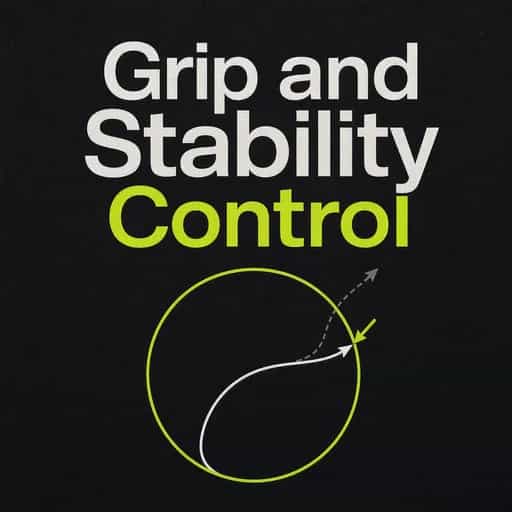
The TCS is designed to keep you at the peak of the mu-slip curve—the point of maximum longitudinal force before lateral stability vanishes. It is a constant balancing act, trying to deliver as much of the driver’s requested torque as possible without crossing the line into instability.
Generated by EPSTARTER
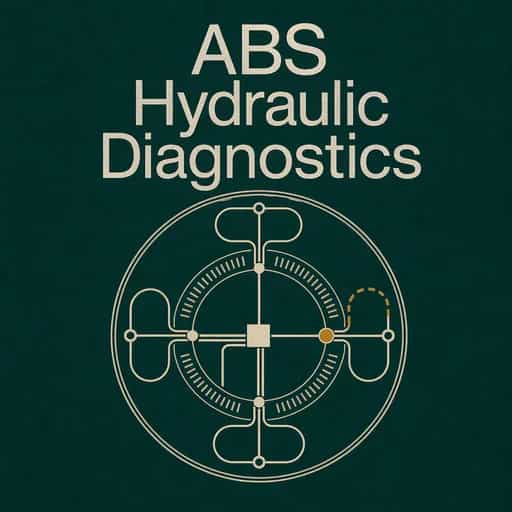
An intermediate-to-advanced automotive technical lesson on Traction Control Systems (TCS) based on EPSTARTER Automotive Intelligence Academy™ Episode 027. Cover how the system detects wheel slip, coordinates intervention (braking, engine/motor torque, AWD distribution), and distinguish between genuine wheelspin and false sensor data (mismatched tires, ABS faults, network communication issues). Focus on the diagnostic workflow: information → decision → intervention → result.






Frequently Asked Questions
A Traction Control System, or TCS, is a sophisticated piece of automotive intelligence designed to manage the delicate interface between a vehicle's tires and the road surface. Originally brought to market by Bosch in 1985, the system acts as a real-time physics engine that intervenes when tires lose their grip. It functions through a diagnostic workflow of information, decision, and intervention to maintain vehicle poise during acceleration, especially on slick surfaces.
TCS is fundamental to modern chassis dynamics by managing torque distribution and friction. For students of vehicle dynamics, the system is more than a safety feature; it is a complex tool that distinguishes between a genuine loss of friction and sensor noise. By precisely controlling how power is delivered to the wheels, the system prevents the engine from spinning freely and ensures the chassis remains stable during a loss of traction.
The physics of grip involves more than a simple speed comparison between wheels. The TCS must account for the 'ghosts' of mechanical faults and sensor noise to accurately identify a slip. As vehicles move toward higher levels of electrification and automation, the math becomes even more critical for precise torque distribution. This complexity ensures the system can intervene effectively without being triggered by false data or minor mechanical inconsistencies.
From Columbia University alumni built in San Francisco
BeFreed Brings Together A Global Community Of Curious Minds


"Instead of endless scrolling, I just hit play on BeFreed. It saves me so much time."


"I never knew where to start with nonfiction—BeFreed’s book lists turned into podcasts gave me a clear path."


"Perfect balance between learning and entertainment. Finished ‘Thinking, Fast and Slow’ on my commute this week."
"Crazy how much I learned while walking the dog. BeFreed = small habits → big gains."
"Reading used to feel like a chore. Now it’s just part of my lifestyle."

"Feels effortless compared to reading. I’ve finished 6 books this month already."
"BeFreed turned my guilty doomscrolling into something that feels productive and inspiring."

"BeFreed turned my commute into learning time. 20-min podcasts are perfect for finishing books I never had time for."
"BeFreed replaced my podcast queue. Imagine Spotify for books — that’s it. 🙌"

"It is great for me to learn something from the book without reading it."
"The themed book list podcasts help me connect ideas across authors—like a guided audio journey."
"Makes me feel smarter every time before going to work"
From Columbia University alumni built in San Francisco
BeFreed Brings Together A Global Community Of Curious Minds
"Instead of endless scrolling, I just hit play on BeFreed. It saves me so much time."
"I never knew where to start with nonfiction—BeFreed’s book lists turned into podcasts gave me a clear path."
"Perfect balance between learning and entertainment. Finished ‘Thinking, Fast and Slow’ on my commute this week."
"Crazy how much I learned while walking the dog. BeFreed = small habits → big gains."
"Reading used to feel like a chore. Now it’s just part of my lifestyle."
"Feels effortless compared to reading. I’ve finished 6 books this month already."
"BeFreed turned my guilty doomscrolling into something that feels productive and inspiring."
"BeFreed turned my commute into learning time. 20-min podcasts are perfect for finishing books I never had time for."
"BeFreed replaced my podcast queue. Imagine Spotify for books — that’s it. 🙌"
"It is great for me to learn something from the book without reading it."
"The themed book list podcasts help me connect ideas across authors—like a guided audio journey."
"Makes me feel smarter every time before going to work"
"Instead of endless scrolling, I just hit play on BeFreed. It saves me so much time."
"I never knew where to start with nonfiction—BeFreed’s book lists turned into podcasts gave me a clear path."
"Perfect balance between learning and entertainment. Finished ‘Thinking, Fast and Slow’ on my commute this week."
"Crazy how much I learned while walking the dog. BeFreed = small habits → big gains."
"Reading used to feel like a chore. Now it’s just part of my lifestyle."
"Feels effortless compared to reading. I’ve finished 6 books this month already."
"BeFreed turned my guilty doomscrolling into something that feels productive and inspiring."
"BeFreed turned my commute into learning time. 20-min podcasts are perfect for finishing books I never had time for."
"BeFreed replaced my podcast queue. Imagine Spotify for books — that’s it. 🙌"
"It is great for me to learn something from the book without reading it."
"The themed book list podcasts help me connect ideas across authors—like a guided audio journey."
"Makes me feel smarter every time before going to work"
"Instead of endless scrolling, I just hit play on BeFreed. It saves me so much time."
"I never knew where to start with nonfiction—BeFreed’s book lists turned into podcasts gave me a clear path."
"Perfect balance between learning and entertainment. Finished ‘Thinking, Fast and Slow’ on my commute this week."
"Crazy how much I learned while walking the dog. BeFreed = small habits → big gains."
"Reading used to feel like a chore. Now it’s just part of my lifestyle."
"Feels effortless compared to reading. I’ve finished 6 books this month already."
"BeFreed turned my guilty doomscrolling into something that feels productive and inspiring."
"BeFreed turned my commute into learning time. 20-min podcasts are perfect for finishing books I never had time for."
"BeFreed replaced my podcast queue. Imagine Spotify for books — that’s it. 🙌"
"It is great for me to learn something from the book without reading it."
"The themed book list podcasts help me connect ideas across authors—like a guided audio journey."
"Makes me feel smarter every time before going to work"