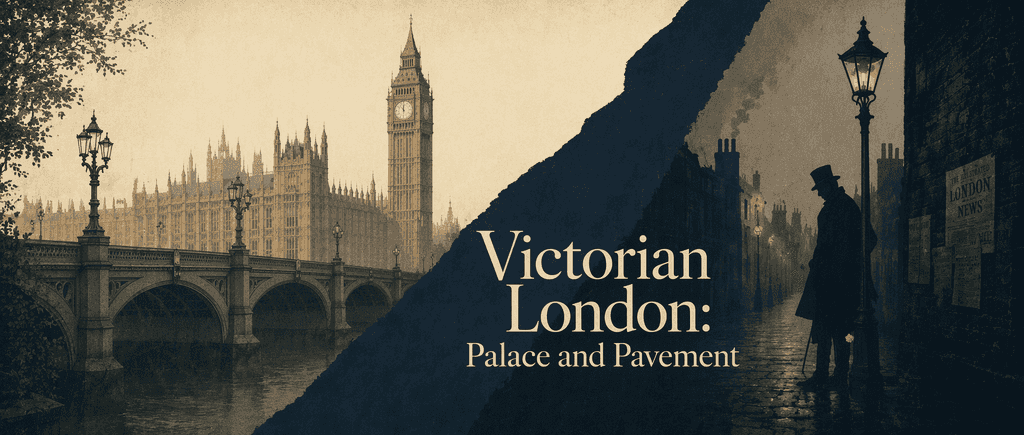
Thomas Hardy’s Fallen Women: Victorian Morality and Tess
Explore how Thomas Hardy used characters like Tess of the d’Urbervilles to challenge Victorian morality and champion the 'New Woman' in this literary analysis.

Best quote from Thomas Hardy’s Fallen Women: Victorian Morality and Tess
Hardy is showing that the Victorian 'ideal of femininity' is actually a trap. If you’re a woman, you’re either an impossible ideal or a discarded 'vice.' There’s no middle ground for being a human.
Generated by Stephen
Why do Thomas Hardy novels paint women on the whole so negatively?




![Women And Sexuality In The Novels Of Thomas Hardy [PDF] [55l4tlq9uh00]](https://d1y2du6z1jfm9e.cloudfront.net/assets/podcast/green.png)

Frequently Asked Questions
While it may seem that Thomas Hardy paints women negatively by putting them through a 'relentless parade of misery,' his intent was actually the opposite. Hardy saw himself as a champion for his female leads, acting as a 'Promethean forerunner' for New Woman fiction. Rather than tearing women down, he used their downward paths to critique the rigid Victorian ideals and institutionalized codes that were crushing real human beings at the time.
Tess of the d’Urbervilles serves as a primary example of how Thomas Hardy challenged the social standards of the late nineteenth century. Through Tess’s series of disasters, Hardy highlights the tension between individual humanity and strict societal expectations. The novel uses what Victorians considered 'vices' or 'flaws' to expose the destructive nature of institutionalized morality, making it a cornerstone of the era's literary critique regarding 'fallen women.'
By describing himself as a 'Promethean forerunner,' Thomas Hardy indicated his role in paving the way for 'New Woman' fiction. He aimed to challenge the status quo of Victorian literature by exposing how rigid morality and social codes negatively impacted women. His work was designed to liberate characters from oppressive societal expectations by showing the tragic consequences of those standards, effectively acting as a precursor to more progressive feminist narratives.
From Columbia University alumni built in San Francisco
"Instead of endless scrolling, I just hit play on BeFreed. It saves me so much time."


"I never knew where to start with nonfiction—BeFreed’s book lists turned into podcasts gave me a clear path."


"Perfect balance between learning and entertainment. Finished ‘Thinking, Fast and Slow’ on my commute this week."
"Crazy how much I learned while walking the dog. BeFreed = small habits → big gains."
"Reading used to feel like a chore. Now it’s just part of my lifestyle."

"Feels effortless compared to reading. I’ve finished 6 books this month already."
"BeFreed turned my guilty doomscrolling into something that feels productive and inspiring."

"BeFreed turned my commute into learning time. 20-min podcasts are perfect for finishing books I never had time for."
"BeFreed replaced my podcast queue. Imagine Spotify for books — that’s it. 🙌"

"It is great for me to learn something from the book without reading it."
"The themed book list podcasts help me connect ideas across authors—like a guided audio journey."
"Makes me feel smarter every time before going to work"
From Columbia University alumni built in San Francisco
"Instead of endless scrolling, I just hit play on BeFreed. It saves me so much time."
"I never knew where to start with nonfiction—BeFreed’s book lists turned into podcasts gave me a clear path."
"Perfect balance between learning and entertainment. Finished ‘Thinking, Fast and Slow’ on my commute this week."
"Crazy how much I learned while walking the dog. BeFreed = small habits → big gains."
"Reading used to feel like a chore. Now it’s just part of my lifestyle."
"Feels effortless compared to reading. I’ve finished 6 books this month already."
"BeFreed turned my guilty doomscrolling into something that feels productive and inspiring."
"BeFreed turned my commute into learning time. 20-min podcasts are perfect for finishing books I never had time for."
"BeFreed replaced my podcast queue. Imagine Spotify for books — that’s it. 🙌"
"It is great for me to learn something from the book without reading it."
"The themed book list podcasts help me connect ideas across authors—like a guided audio journey."
"Makes me feel smarter every time before going to work"
"Instead of endless scrolling, I just hit play on BeFreed. It saves me so much time."
"I never knew where to start with nonfiction—BeFreed’s book lists turned into podcasts gave me a clear path."
"Perfect balance between learning and entertainment. Finished ‘Thinking, Fast and Slow’ on my commute this week."
"Crazy how much I learned while walking the dog. BeFreed = small habits → big gains."
"Reading used to feel like a chore. Now it’s just part of my lifestyle."
"Feels effortless compared to reading. I’ve finished 6 books this month already."
"BeFreed turned my guilty doomscrolling into something that feels productive and inspiring."
"BeFreed turned my commute into learning time. 20-min podcasts are perfect for finishing books I never had time for."
"BeFreed replaced my podcast queue. Imagine Spotify for books — that’s it. 🙌"
"It is great for me to learn something from the book without reading it."
"The themed book list podcasts help me connect ideas across authors—like a guided audio journey."
"Makes me feel smarter every time before going to work"
"Instead of endless scrolling, I just hit play on BeFreed. It saves me so much time."
"I never knew where to start with nonfiction—BeFreed’s book lists turned into podcasts gave me a clear path."
"Perfect balance between learning and entertainment. Finished ‘Thinking, Fast and Slow’ on my commute this week."
"Crazy how much I learned while walking the dog. BeFreed = small habits → big gains."
"Reading used to feel like a chore. Now it’s just part of my lifestyle."
"Feels effortless compared to reading. I’ve finished 6 books this month already."
"BeFreed turned my guilty doomscrolling into something that feels productive and inspiring."
"BeFreed turned my commute into learning time. 20-min podcasts are perfect for finishing books I never had time for."
"BeFreed replaced my podcast queue. Imagine Spotify for books — that’s it. 🙌"
"It is great for me to learn something from the book without reading it."
"The themed book list podcasts help me connect ideas across authors—like a guided audio journey."
"Makes me feel smarter every time before going to work"