Thomas Edison Biography: Life and Inventions of the Wizard of Menlo Park
Explore the life of Thomas Edison, the Wizard of Menlo Park. Learn about his famous inventions, the history of the light bulb, and his impact on American history.

Best quote from Thomas Edison Biography: Life and Inventions of the Wizard of Menlo Park
Edison’s greatest invention wasn't any single device—it was the process of innovation itself. He showed the world that you don't have to wait for a 'lightbulb moment' to strike—you can build a factory to manufacture them.
Generated by Gerardo Valdez
Thomas Edison biography






Frequently Asked Questions
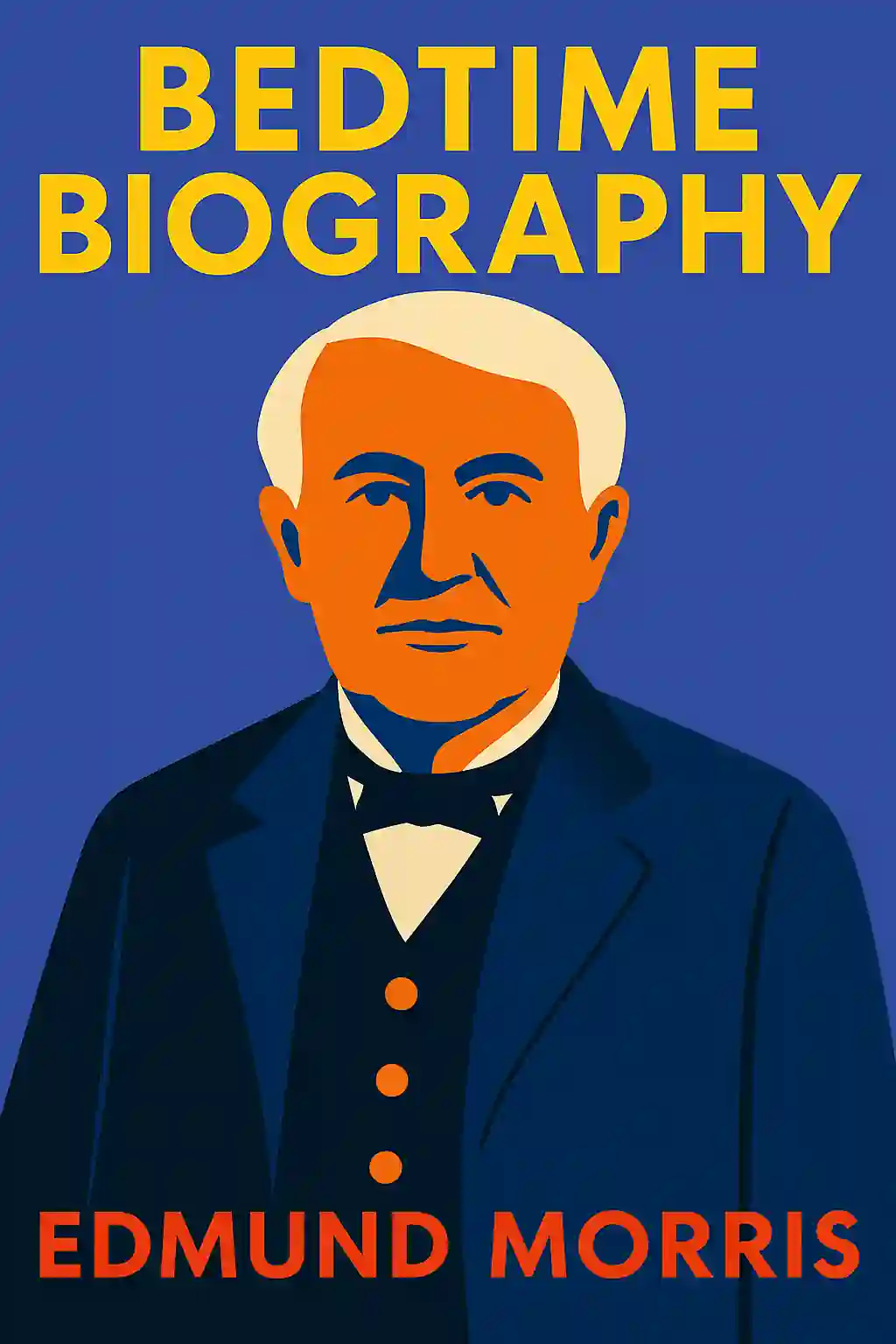
Thomas Edison, famously known as the Wizard of Menlo Park, was one of the most influential American inventors in history. His biography is defined by his development of the first practical incandescent light bulb and his role in founding General Electric. Beyond the light bulb, he held over 1,000 patents, including the phonograph and the motion picture camera, which fundamentally transformed modern industrial society.
Thomas Edison earned the nickname the Wizard of Menlo Park because of the revolutionary nature of the inventions coming out of his New Jersey laboratory. This facility was the first of its kind, functioning as an industrial research lab where Edison and his team perfected the history of the light bulb. The name reflects the public's awe at his ability to turn scientific theories into practical, life-changing technologies.
While many scientists experimented with early electric lights, Thomas Edison is credited with creating the first commercially viable incandescent light bulb. His biography highlights his persistence in testing thousands of materials for a durable filament. By developing a complete electrical distribution system, Edison moved beyond a simple invention to create the infrastructure that allowed General Electric to power homes and businesses across America.
The history of General Electric is inextricably linked to Thomas Edison's early business ventures. In 1889, several of his companies, including the Edison Lamp Company and Edison Machine Works, merged to form the Edison General Electric Company. This entity eventually merged with the Thomson-Houston Electric Company to become the modern General Electric, cementing Edison's legacy as a pioneer of the global electrical industry.
From Columbia University alumni built in San Francisco
"Instead of endless scrolling, I just hit play on BeFreed. It saves me so much time."


"I never knew where to start with nonfiction—BeFreed’s book lists turned into podcasts gave me a clear path."


"Perfect balance between learning and entertainment. Finished ‘Thinking, Fast and Slow’ on my commute this week."
"Crazy how much I learned while walking the dog. BeFreed = small habits → big gains."
"Reading used to feel like a chore. Now it’s just part of my lifestyle."

"Feels effortless compared to reading. I’ve finished 6 books this month already."
"BeFreed turned my guilty doomscrolling into something that feels productive and inspiring."

"BeFreed turned my commute into learning time. 20-min podcasts are perfect for finishing books I never had time for."
"BeFreed replaced my podcast queue. Imagine Spotify for books — that’s it. 🙌"

"It is great for me to learn something from the book without reading it."
"The themed book list podcasts help me connect ideas across authors—like a guided audio journey."
"Makes me feel smarter every time before going to work"
From Columbia University alumni built in San Francisco
"Instead of endless scrolling, I just hit play on BeFreed. It saves me so much time."
"I never knew where to start with nonfiction—BeFreed’s book lists turned into podcasts gave me a clear path."
"Perfect balance between learning and entertainment. Finished ‘Thinking, Fast and Slow’ on my commute this week."
"Crazy how much I learned while walking the dog. BeFreed = small habits → big gains."
"Reading used to feel like a chore. Now it’s just part of my lifestyle."
"Feels effortless compared to reading. I’ve finished 6 books this month already."
"BeFreed turned my guilty doomscrolling into something that feels productive and inspiring."
"BeFreed turned my commute into learning time. 20-min podcasts are perfect for finishing books I never had time for."
"BeFreed replaced my podcast queue. Imagine Spotify for books — that’s it. 🙌"
"It is great for me to learn something from the book without reading it."
"The themed book list podcasts help me connect ideas across authors—like a guided audio journey."
"Makes me feel smarter every time before going to work"
"Instead of endless scrolling, I just hit play on BeFreed. It saves me so much time."
"I never knew where to start with nonfiction—BeFreed’s book lists turned into podcasts gave me a clear path."
"Perfect balance between learning and entertainment. Finished ‘Thinking, Fast and Slow’ on my commute this week."
"Crazy how much I learned while walking the dog. BeFreed = small habits → big gains."
"Reading used to feel like a chore. Now it’s just part of my lifestyle."
"Feels effortless compared to reading. I’ve finished 6 books this month already."
"BeFreed turned my guilty doomscrolling into something that feels productive and inspiring."
"BeFreed turned my commute into learning time. 20-min podcasts are perfect for finishing books I never had time for."
"BeFreed replaced my podcast queue. Imagine Spotify for books — that’s it. 🙌"
"It is great for me to learn something from the book without reading it."
"The themed book list podcasts help me connect ideas across authors—like a guided audio journey."
"Makes me feel smarter every time before going to work"
"Instead of endless scrolling, I just hit play on BeFreed. It saves me so much time."
"I never knew where to start with nonfiction—BeFreed’s book lists turned into podcasts gave me a clear path."
"Perfect balance between learning and entertainment. Finished ‘Thinking, Fast and Slow’ on my commute this week."
"Crazy how much I learned while walking the dog. BeFreed = small habits → big gains."
"Reading used to feel like a chore. Now it’s just part of my lifestyle."
"Feels effortless compared to reading. I’ve finished 6 books this month already."
"BeFreed turned my guilty doomscrolling into something that feels productive and inspiring."
"BeFreed turned my commute into learning time. 20-min podcasts are perfect for finishing books I never had time for."
"BeFreed replaced my podcast queue. Imagine Spotify for books — that’s it. 🙌"
"It is great for me to learn something from the book without reading it."
"The themed book list podcasts help me connect ideas across authors—like a guided audio journey."
"Makes me feel smarter every time before going to work"