The Uses of Enchantment: Why Fairy Tales are Equipment for Living
Explore Bruno Bettelheim's The Uses of Enchantment to see how fairy tales serve as symbolic equipment for living, helping children navigate growth and anxiety.
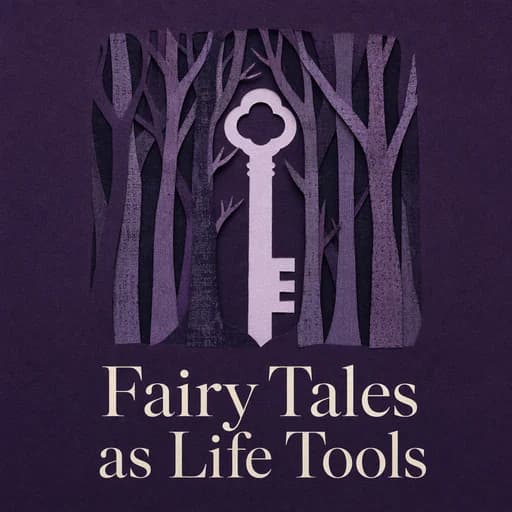
Best quote from The Uses of Enchantment: Why Fairy Tales are Equipment for Living
Fairy tales meet the child where they are, in a world of magic and intense emotion, rather than forcing them to meet us in our world of logic and facts. They provide a symbolic language for anxieties children cannot yet name, acting as a specialized form of equipment for living.
Generated by Rachel
An exploration of Bruno Bettelheim's 'The Uses of Enchantment' focused on how fairy tales aid child development and practical storytelling techniques to help children navigate their inner worlds and growth.






Frequently Asked Questions
In The Uses of Enchantment, psychologist Bruno Bettelheim argues that fairy tales are far more than simple entertainment or outdated relics. He suggests these stories serve as a specialized form of equipment for living, specifically designed to help children navigate the complex inner world of their own growth. By providing a symbolic language for anxieties that children cannot yet name, these tales offer a way to process intense emotions and the terrifying challenges of growing up.
Fairy tales help manage childhood anxiety by meeting children where they are—in a world of magic and intense emotion—rather than forcing them into a world of adult logic. When a child hears a story about a hero conquering a monster or a lost girl in the woods, they are given a framework to face their own fears. These stories succeed where scientific explanations fail because they mirror the child's internal experience and provide a safe way to confront the unknown.
Animistic thinking is a mode of thought where the sun has feelings and the wind can be angry, which mirrors the way a child naturally perceives the world. Bruno Bettelheim believed the 'unrealistic' nature of fairy tales is their greatest strength because it aligns with this animistic perspective. By using this symbolic language, storytelling provides a more effective form of comfort and understanding for a child than facts or logic, which often fail to address their emotional reality.
From Columbia University alumni built in San Francisco
"Instead of endless scrolling, I just hit play on BeFreed. It saves me so much time."


"I never knew where to start with nonfiction—BeFreed’s book lists turned into podcasts gave me a clear path."


"Perfect balance between learning and entertainment. Finished ‘Thinking, Fast and Slow’ on my commute this week."
"Crazy how much I learned while walking the dog. BeFreed = small habits → big gains."
"Reading used to feel like a chore. Now it’s just part of my lifestyle."

"Feels effortless compared to reading. I’ve finished 6 books this month already."
"BeFreed turned my guilty doomscrolling into something that feels productive and inspiring."

"BeFreed turned my commute into learning time. 20-min podcasts are perfect for finishing books I never had time for."
"BeFreed replaced my podcast queue. Imagine Spotify for books — that’s it. 🙌"

"It is great for me to learn something from the book without reading it."
"The themed book list podcasts help me connect ideas across authors—like a guided audio journey."
"Makes me feel smarter every time before going to work"
From Columbia University alumni built in San Francisco
"Instead of endless scrolling, I just hit play on BeFreed. It saves me so much time."
"I never knew where to start with nonfiction—BeFreed’s book lists turned into podcasts gave me a clear path."
"Perfect balance between learning and entertainment. Finished ‘Thinking, Fast and Slow’ on my commute this week."
"Crazy how much I learned while walking the dog. BeFreed = small habits → big gains."
"Reading used to feel like a chore. Now it’s just part of my lifestyle."
"Feels effortless compared to reading. I’ve finished 6 books this month already."
"BeFreed turned my guilty doomscrolling into something that feels productive and inspiring."
"BeFreed turned my commute into learning time. 20-min podcasts are perfect for finishing books I never had time for."
"BeFreed replaced my podcast queue. Imagine Spotify for books — that’s it. 🙌"
"It is great for me to learn something from the book without reading it."
"The themed book list podcasts help me connect ideas across authors—like a guided audio journey."
"Makes me feel smarter every time before going to work"
"Instead of endless scrolling, I just hit play on BeFreed. It saves me so much time."
"I never knew where to start with nonfiction—BeFreed’s book lists turned into podcasts gave me a clear path."
"Perfect balance between learning and entertainment. Finished ‘Thinking, Fast and Slow’ on my commute this week."
"Crazy how much I learned while walking the dog. BeFreed = small habits → big gains."
"Reading used to feel like a chore. Now it’s just part of my lifestyle."
"Feels effortless compared to reading. I’ve finished 6 books this month already."
"BeFreed turned my guilty doomscrolling into something that feels productive and inspiring."
"BeFreed turned my commute into learning time. 20-min podcasts are perfect for finishing books I never had time for."
"BeFreed replaced my podcast queue. Imagine Spotify for books — that’s it. 🙌"
"It is great for me to learn something from the book without reading it."
"The themed book list podcasts help me connect ideas across authors—like a guided audio journey."
"Makes me feel smarter every time before going to work"
"Instead of endless scrolling, I just hit play on BeFreed. It saves me so much time."
"I never knew where to start with nonfiction—BeFreed’s book lists turned into podcasts gave me a clear path."
"Perfect balance between learning and entertainment. Finished ‘Thinking, Fast and Slow’ on my commute this week."
"Crazy how much I learned while walking the dog. BeFreed = small habits → big gains."
"Reading used to feel like a chore. Now it’s just part of my lifestyle."
"Feels effortless compared to reading. I’ve finished 6 books this month already."
"BeFreed turned my guilty doomscrolling into something that feels productive and inspiring."
"BeFreed turned my commute into learning time. 20-min podcasts are perfect for finishing books I never had time for."
"BeFreed replaced my podcast queue. Imagine Spotify for books — that’s it. 🙌"
"It is great for me to learn something from the book without reading it."
"The themed book list podcasts help me connect ideas across authors—like a guided audio journey."
"Makes me feel smarter every time before going to work"