Never Trust Someone Who Let You Down Twice: Lessons in Boundaries
Learn to set healthy boundaries and protect your self-respect. Explore why repeated betrayal is a choice and how to stop others from taking advantage of you.

Best quote from Never Trust Someone Who Let You Down Twice: Lessons in Boundaries
If someone lets you down once, it’s a warning; twice, it’s a lesson; but three times, that’s when they’re just taking advantage of you.
Generated by Anurag
Create a podcast Never trust a person who has let you down more than twice. Once was a warning, twice was a lesson, and anything more than that is simply taking advantage.






Frequently Asked Questions
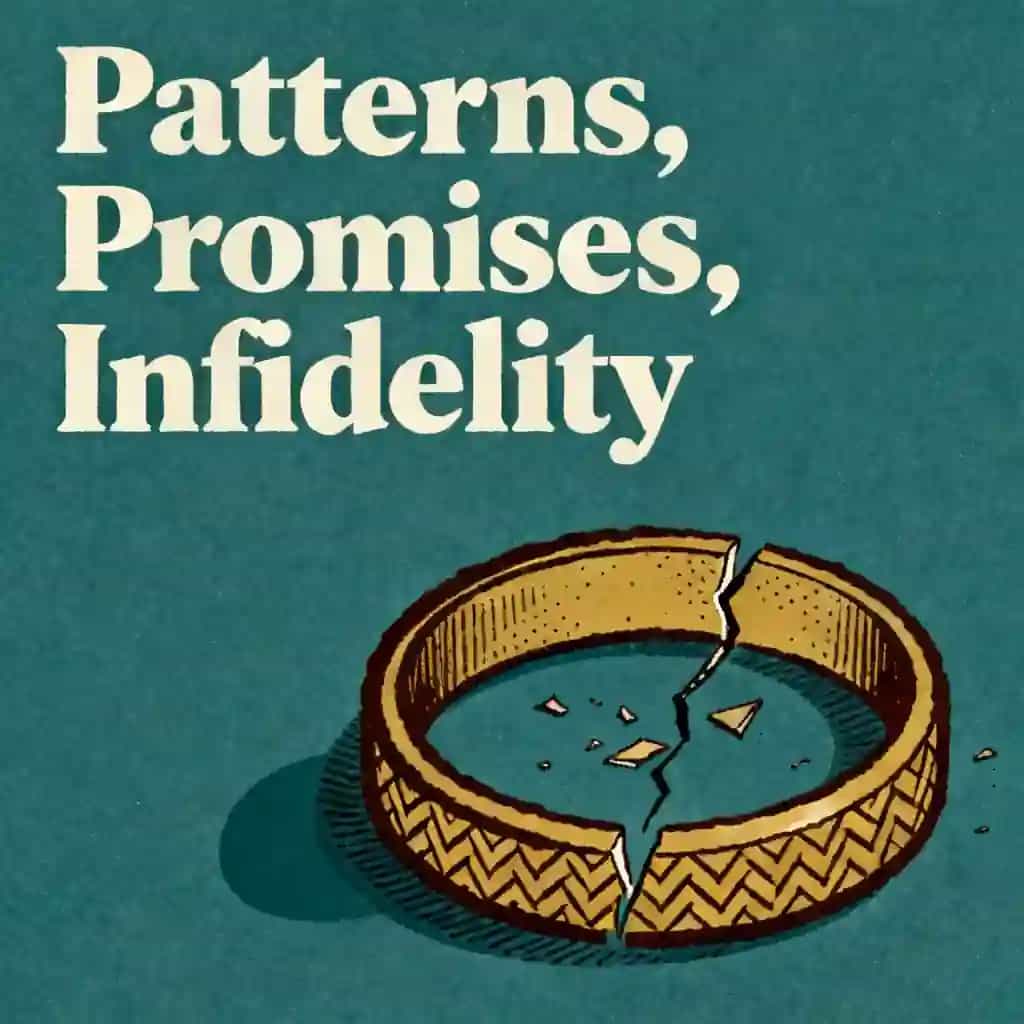
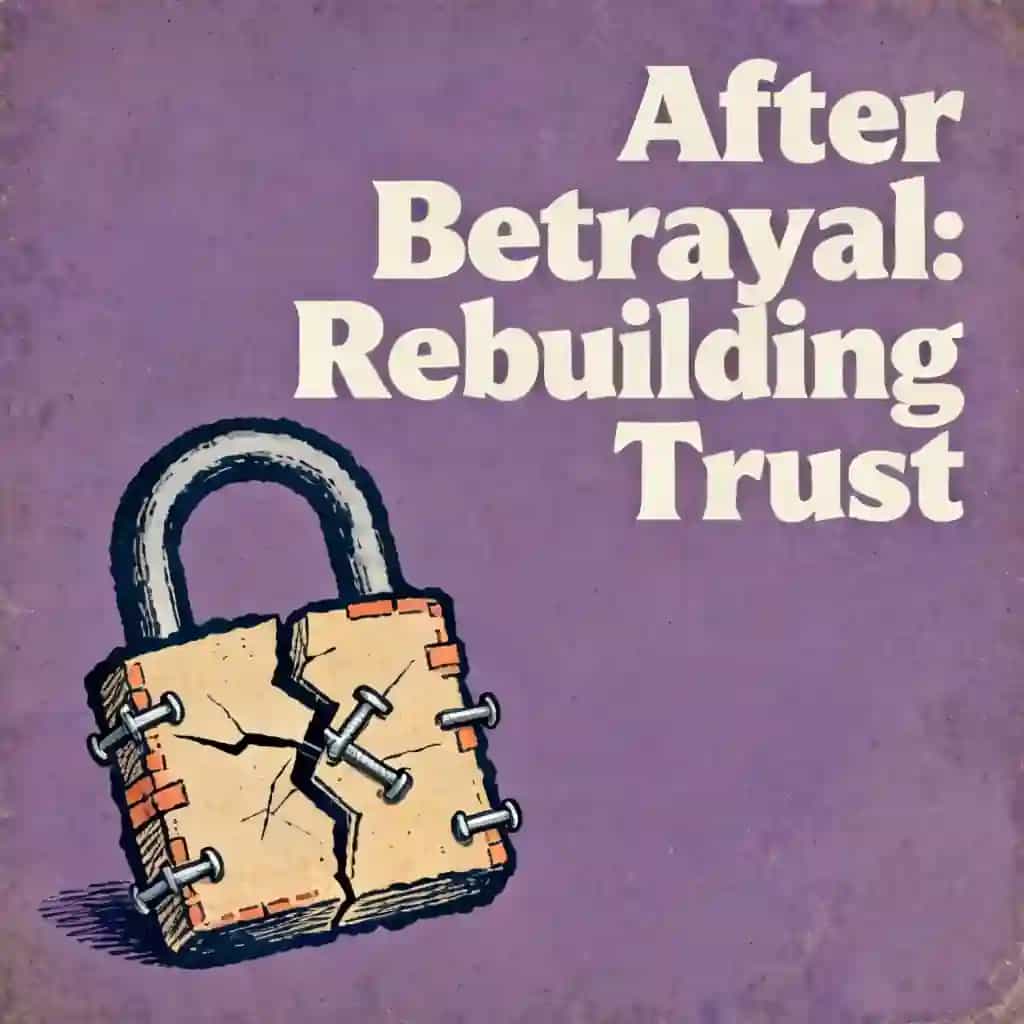
Trusting someone after they let you down once is often seen as a warning, while a second time serves as a valuable lesson about their character. When someone fails you more than twice, it suggests a pattern of behavior rather than a mistake. By setting firm boundaries, you protect your personal growth and ensure that others are not simply taking advantage of your kindness or your willingness to forgive.
Repeated betrayals can erode your self-respect if you allow toxic relationships to continue without consequences. Prioritizing your well-being means recognizing when trust and betrayal have become a cycle. Choosing to walk away or distance yourself from those who consistently fail you is a vital step in personal growth. It reinforces the idea that your time and emotional energy are valuable and should only be shared with those who respect them.
A mistake is typically an isolated incident followed by genuine change, whereas being taken advantage of involves a recurring lack of consideration for your feelings. In the context of relationship lessons, the first instance of broken trust is a warning sign to be cautious. The second instance is a lesson in their reliability. Anything beyond that indicates the person is likely taking advantage of your patience, requiring you to set stronger boundaries.
Setting boundaries begins with acknowledging that you deserve respect and consistency in your relationships. Start by identifying the patterns of broken trust that have caused you pain and communicate your limits clearly. If a person continues to let you down more than twice, the boundary may involve limiting their access to your life. This shift focuses on your self-respect and ensures you are no longer a target for those who refuse to change.
From Columbia University alumni built in San Francisco
"Instead of endless scrolling, I just hit play on BeFreed. It saves me so much time."


"I never knew where to start with nonfiction—BeFreed’s book lists turned into podcasts gave me a clear path."


"Perfect balance between learning and entertainment. Finished ‘Thinking, Fast and Slow’ on my commute this week."
"Crazy how much I learned while walking the dog. BeFreed = small habits → big gains."
"Reading used to feel like a chore. Now it’s just part of my lifestyle."

"Feels effortless compared to reading. I’ve finished 6 books this month already."
"BeFreed turned my guilty doomscrolling into something that feels productive and inspiring."

"BeFreed turned my commute into learning time. 20-min podcasts are perfect for finishing books I never had time for."
"BeFreed replaced my podcast queue. Imagine Spotify for books — that’s it. 🙌"

"It is great for me to learn something from the book without reading it."
"The themed book list podcasts help me connect ideas across authors—like a guided audio journey."
"Makes me feel smarter every time before going to work"
From Columbia University alumni built in San Francisco
"Instead of endless scrolling, I just hit play on BeFreed. It saves me so much time."
"I never knew where to start with nonfiction—BeFreed’s book lists turned into podcasts gave me a clear path."
"Perfect balance between learning and entertainment. Finished ‘Thinking, Fast and Slow’ on my commute this week."
"Crazy how much I learned while walking the dog. BeFreed = small habits → big gains."
"Reading used to feel like a chore. Now it’s just part of my lifestyle."
"Feels effortless compared to reading. I’ve finished 6 books this month already."
"BeFreed turned my guilty doomscrolling into something that feels productive and inspiring."
"BeFreed turned my commute into learning time. 20-min podcasts are perfect for finishing books I never had time for."
"BeFreed replaced my podcast queue. Imagine Spotify for books — that’s it. 🙌"
"It is great for me to learn something from the book without reading it."
"The themed book list podcasts help me connect ideas across authors—like a guided audio journey."
"Makes me feel smarter every time before going to work"
"Instead of endless scrolling, I just hit play on BeFreed. It saves me so much time."
"I never knew where to start with nonfiction—BeFreed’s book lists turned into podcasts gave me a clear path."
"Perfect balance between learning and entertainment. Finished ‘Thinking, Fast and Slow’ on my commute this week."
"Crazy how much I learned while walking the dog. BeFreed = small habits → big gains."
"Reading used to feel like a chore. Now it’s just part of my lifestyle."
"Feels effortless compared to reading. I’ve finished 6 books this month already."
"BeFreed turned my guilty doomscrolling into something that feels productive and inspiring."
"BeFreed turned my commute into learning time. 20-min podcasts are perfect for finishing books I never had time for."
"BeFreed replaced my podcast queue. Imagine Spotify for books — that’s it. 🙌"
"It is great for me to learn something from the book without reading it."
"The themed book list podcasts help me connect ideas across authors—like a guided audio journey."
"Makes me feel smarter every time before going to work"
"Instead of endless scrolling, I just hit play on BeFreed. It saves me so much time."
"I never knew where to start with nonfiction—BeFreed’s book lists turned into podcasts gave me a clear path."
"Perfect balance between learning and entertainment. Finished ‘Thinking, Fast and Slow’ on my commute this week."
"Crazy how much I learned while walking the dog. BeFreed = small habits → big gains."
"Reading used to feel like a chore. Now it’s just part of my lifestyle."
"Feels effortless compared to reading. I’ve finished 6 books this month already."
"BeFreed turned my guilty doomscrolling into something that feels productive and inspiring."
"BeFreed turned my commute into learning time. 20-min podcasts are perfect for finishing books I never had time for."
"BeFreed replaced my podcast queue. Imagine Spotify for books — that’s it. 🙌"
"It is great for me to learn something from the book without reading it."
"The themed book list podcasts help me connect ideas across authors—like a guided audio journey."
"Makes me feel smarter every time before going to work"