The Tech Diffusion Marathon: Jeffrey Ding on Great Power Competition
Explore Jeffrey Ding's theory on why tech diffusion, not just invention, determines global power. Learn how adopting general purpose technologies shapes economies.

Best quote from The Tech Diffusion Marathon: Jeffrey Ding on Great Power Competition
The real game is actually a grueling marathon of adoption. It’s not about who creates the tech first; it’s about who spreads it across their entire economy the fastest.

This audio lesson was created by a BeFreed community member
Give me an overview of the book “Technology and the rise of great powers”. Detail the key concepts, critical insights, arguments made, strength and limitations of this book as well as the practical applications or how to use ideas from this book. In addition give details of how this book was reviewed both negative and positive and give an introduction to any related content sources.




Frequently Asked Questions
In his work, Jeffrey Ding argues that the rise and fall of great powers is determined more by a marathon of adoption than a sprint for invention. While many focus on the 'eureka moment' of creating new technology, Ding suggests that the real competitive advantage comes from how quickly and effectively a nation spreads that technology across its entire economy. This shift in perspective moves the focus from being the first to invent to being the most efficient at widespread implementation.
General Purpose Technologies, or GPTs, are foundational innovations like electricity or the steam engine that have the potential to transform the entire global economy. According to the podcast, 'GPT diffusion' is the process of these technologies being used broadly across various sectors rather than just in isolated leading industries. Ding's thesis posits that these technologies are the true kingmakers in global competition because they provide the foundation upon which the entire economic board sits.
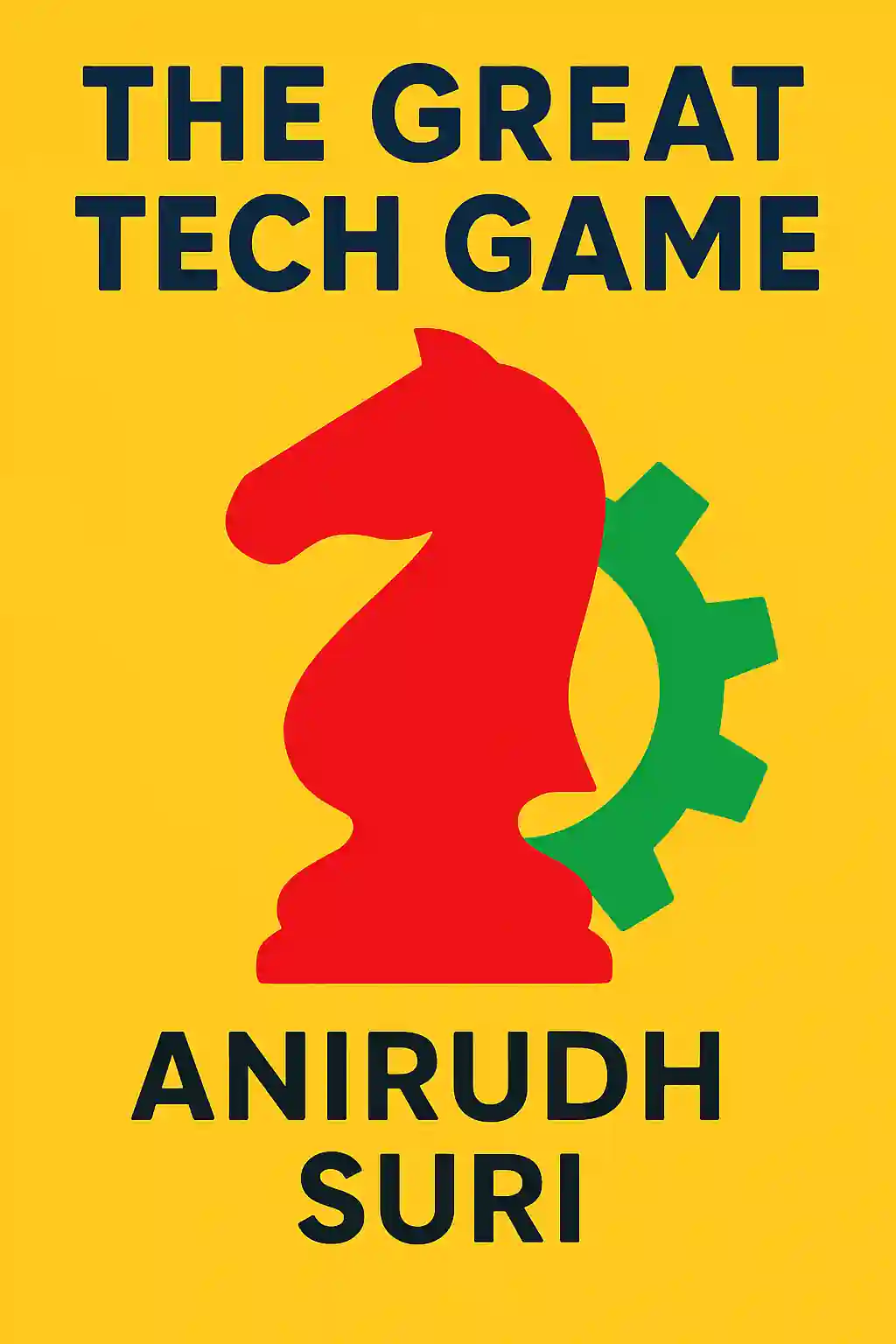
The concept of tech diffusion suggests that we may be looking at the economic scoreboard incorrectly by obsessing over who leads in specific sectors like semiconductors or AI. While headlines focus on the latest invention, the 'Tech Diffusion Marathon' emphasizes that long-term power comes from economic adoption. This means that instead of just watching the 'kings' on the chessboard, policymakers and observers should focus on how deeply a technology is integrated into the broader economic landscape over time.
Discover more

Innovate Like the Top 1%
Innovate Like the Top 1%
In an era of rapid change, the ability to innovate systematically is the only sustainable competitive advantage. This program is designed for ambitious leaders and entrepreneurs who want to move beyond luck and master the repeatable frameworks used by the world's most successful disruptors.

Tech, Entrepreneurship & Innovation Explore
Tech, Entrepreneurship & Innovation Explore
In an era of rapid digital disruption, understanding the intersection of technology and business is essential for long-term success. This plan is designed for aspiring founders and corporate leaders who want to master the journey from technical literacy to scaling innovative, tech-driven organizations.

Explore Innovation, Tech & Productivity
Explore Innovation, Tech & Productivity
In an era of rapid digital transformation, staying competitive requires a blend of creative problem-solving and technical literacy. This plan is designed for professionals and entrepreneurs who want to master emerging tech trends while building the high-performance systems necessary to scale their impact.
Tech, Innovation, History, Politics & Culture
Tech, Innovation, History, Politics & Culture
In an era where technology dictates global power dynamics, understanding the bridge between innovation and policy is essential. This plan is designed for professionals, policymakers, and curious minds who want to master the historical and cultural forces shaping our digital future.

Invest in Tech & Innovation
Invest in Tech & Innovation
As technology continues to reshape the global economy, understanding how to capitalize on disruption is a critical skill for modern investors. This plan is designed for ambitious individuals looking to transition from traditional assets to the high-stakes world of tech and venture capital.

Tech, Business, Growth & Mindset Mastery
Tech, Business, Growth & Mindset Mastery
In an era of rapid digital transformation, success requires a blend of technical fluency, entrepreneurial agility, and mental toughness. This curriculum is designed for aspiring leaders and founders who want to bridge the gap between building software and scaling sustainable organizations.

Mastering Growth, Tech, Science & Society
Mastering Growth, Tech, Science & Society
In an era of rapid technological disruption, understanding the intersection of innovation and social dynamics is essential for future-ready leadership. This plan is designed for strategic thinkers and innovators who want to master systemic complexity and ethically guide technological growth.

Explore Tech, Creativity & Self-Improvement
Explore Tech, Creativity & Self-Improvement
In a rapidly evolving digital landscape, the most successful individuals are those who can bridge the gap between technical fluency and creative execution. This plan is designed for lifelong learners and professionals looking to modernize their skill set by combining AI literacy with systematic innovation and personal habit formation.
From Columbia University alumni built in San Francisco
"Instead of endless scrolling, I just hit play on BeFreed. It saves me so much time."


"I never knew where to start with nonfiction—BeFreed’s book lists turned into podcasts gave me a clear path."


"Perfect balance between learning and entertainment. Finished ‘Thinking, Fast and Slow’ on my commute this week."
"Crazy how much I learned while walking the dog. BeFreed = small habits → big gains."
"Reading used to feel like a chore. Now it’s just part of my lifestyle."

"Feels effortless compared to reading. I’ve finished 6 books this month already."
"BeFreed turned my guilty doomscrolling into something that feels productive and inspiring."

"BeFreed turned my commute into learning time. 20-min podcasts are perfect for finishing books I never had time for."
"BeFreed replaced my podcast queue. Imagine Spotify for books — that’s it. 🙌"

"It is great for me to learn something from the book without reading it."
"The themed book list podcasts help me connect ideas across authors—like a guided audio journey."
"Makes me feel smarter every time before going to work"
From Columbia University alumni built in San Francisco
"Instead of endless scrolling, I just hit play on BeFreed. It saves me so much time."
"I never knew where to start with nonfiction—BeFreed’s book lists turned into podcasts gave me a clear path."
"Perfect balance between learning and entertainment. Finished ‘Thinking, Fast and Slow’ on my commute this week."
"Crazy how much I learned while walking the dog. BeFreed = small habits → big gains."
"Reading used to feel like a chore. Now it’s just part of my lifestyle."
"Feels effortless compared to reading. I’ve finished 6 books this month already."
"BeFreed turned my guilty doomscrolling into something that feels productive and inspiring."
"BeFreed turned my commute into learning time. 20-min podcasts are perfect for finishing books I never had time for."
"BeFreed replaced my podcast queue. Imagine Spotify for books — that’s it. 🙌"
"It is great for me to learn something from the book without reading it."
"The themed book list podcasts help me connect ideas across authors—like a guided audio journey."
"Makes me feel smarter every time before going to work"
"Instead of endless scrolling, I just hit play on BeFreed. It saves me so much time."
"I never knew where to start with nonfiction—BeFreed’s book lists turned into podcasts gave me a clear path."
"Perfect balance between learning and entertainment. Finished ‘Thinking, Fast and Slow’ on my commute this week."
"Crazy how much I learned while walking the dog. BeFreed = small habits → big gains."
"Reading used to feel like a chore. Now it’s just part of my lifestyle."
"Feels effortless compared to reading. I’ve finished 6 books this month already."
"BeFreed turned my guilty doomscrolling into something that feels productive and inspiring."
"BeFreed turned my commute into learning time. 20-min podcasts are perfect for finishing books I never had time for."
"BeFreed replaced my podcast queue. Imagine Spotify for books — that’s it. 🙌"
"It is great for me to learn something from the book without reading it."
"The themed book list podcasts help me connect ideas across authors—like a guided audio journey."
"Makes me feel smarter every time before going to work"
"Instead of endless scrolling, I just hit play on BeFreed. It saves me so much time."
"I never knew where to start with nonfiction—BeFreed’s book lists turned into podcasts gave me a clear path."
"Perfect balance between learning and entertainment. Finished ‘Thinking, Fast and Slow’ on my commute this week."
"Crazy how much I learned while walking the dog. BeFreed = small habits → big gains."
"Reading used to feel like a chore. Now it’s just part of my lifestyle."
"Feels effortless compared to reading. I’ve finished 6 books this month already."
"BeFreed turned my guilty doomscrolling into something that feels productive and inspiring."
"BeFreed turned my commute into learning time. 20-min podcasts are perfect for finishing books I never had time for."
"BeFreed replaced my podcast queue. Imagine Spotify for books — that’s it. 🙌"
"It is great for me to learn something from the book without reading it."
"The themed book list podcasts help me connect ideas across authors—like a guided audio journey."
"Makes me feel smarter every time before going to work"