The Smell of Bias: Reclaiming Worth Against Classism
Explore the psychological roots of why people use insults like odor to enforce social hierarchies and learn how to protect your peace when faced with downward classism and prejudice.

Best quote from The Smell of Bias: Reclaiming Worth Against Classism
Their insults are a reflection of their own shadow—their own unacknowledged fears. Once you stop being the target and start being the observer of their dysfunction, you regain your peace.

This audio lesson was created by a BeFreed community member
Why when I come around ppl and they say you smell like shit or they say mean things why is it that they say things like that they live in good areas but then they see me coming from a bad area and not good money and I’m seen as a mirror. Then he says he’s about to lose it

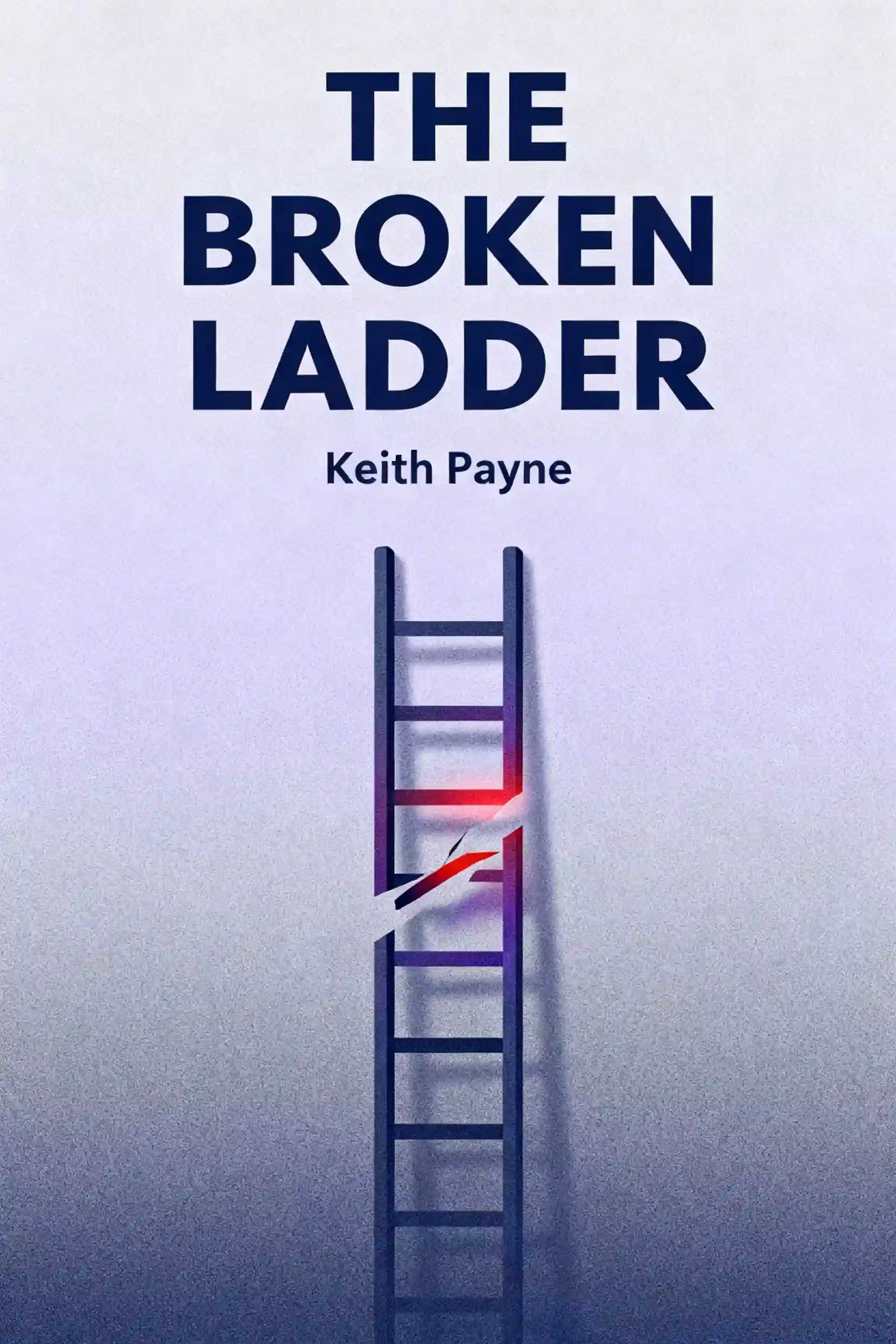
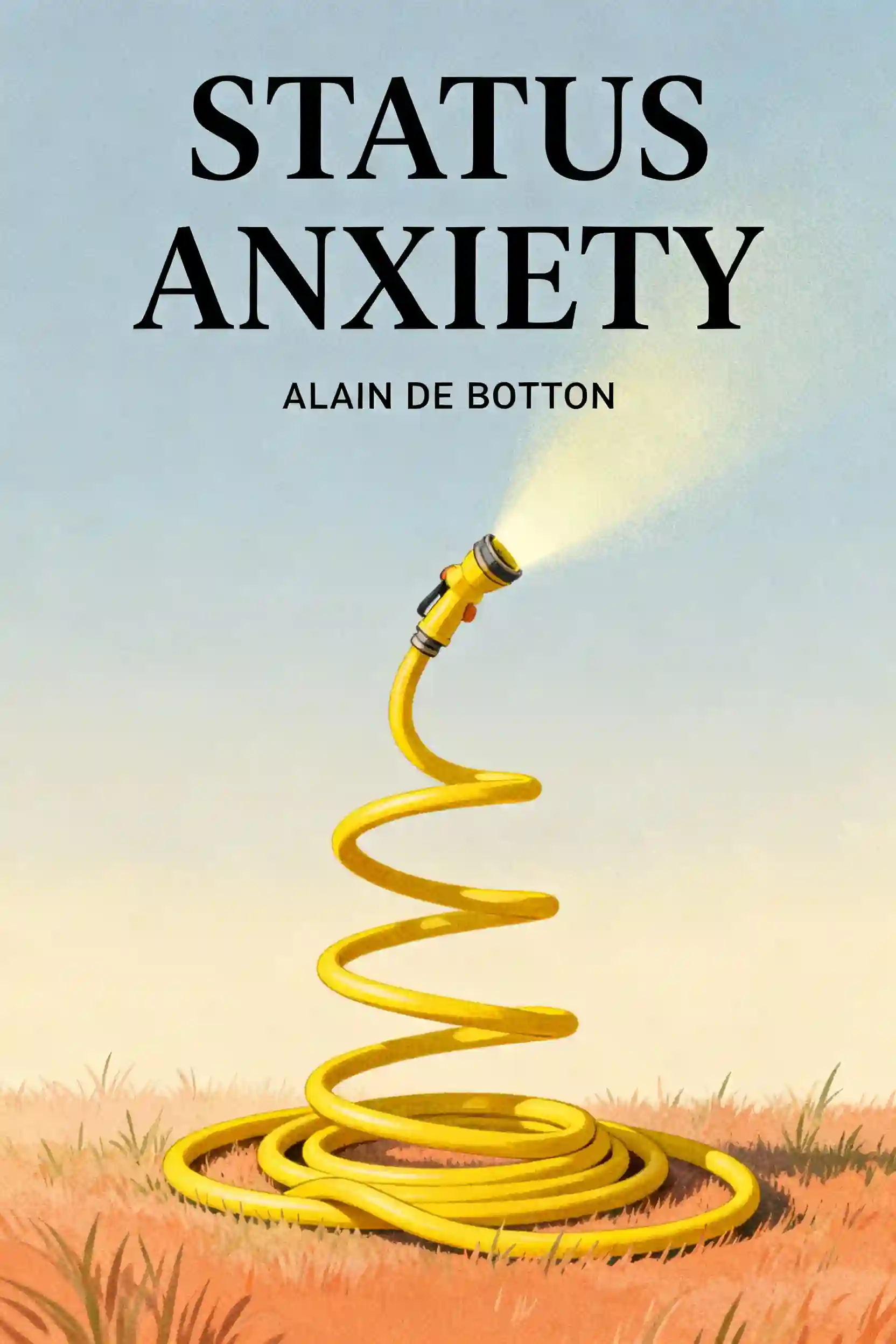

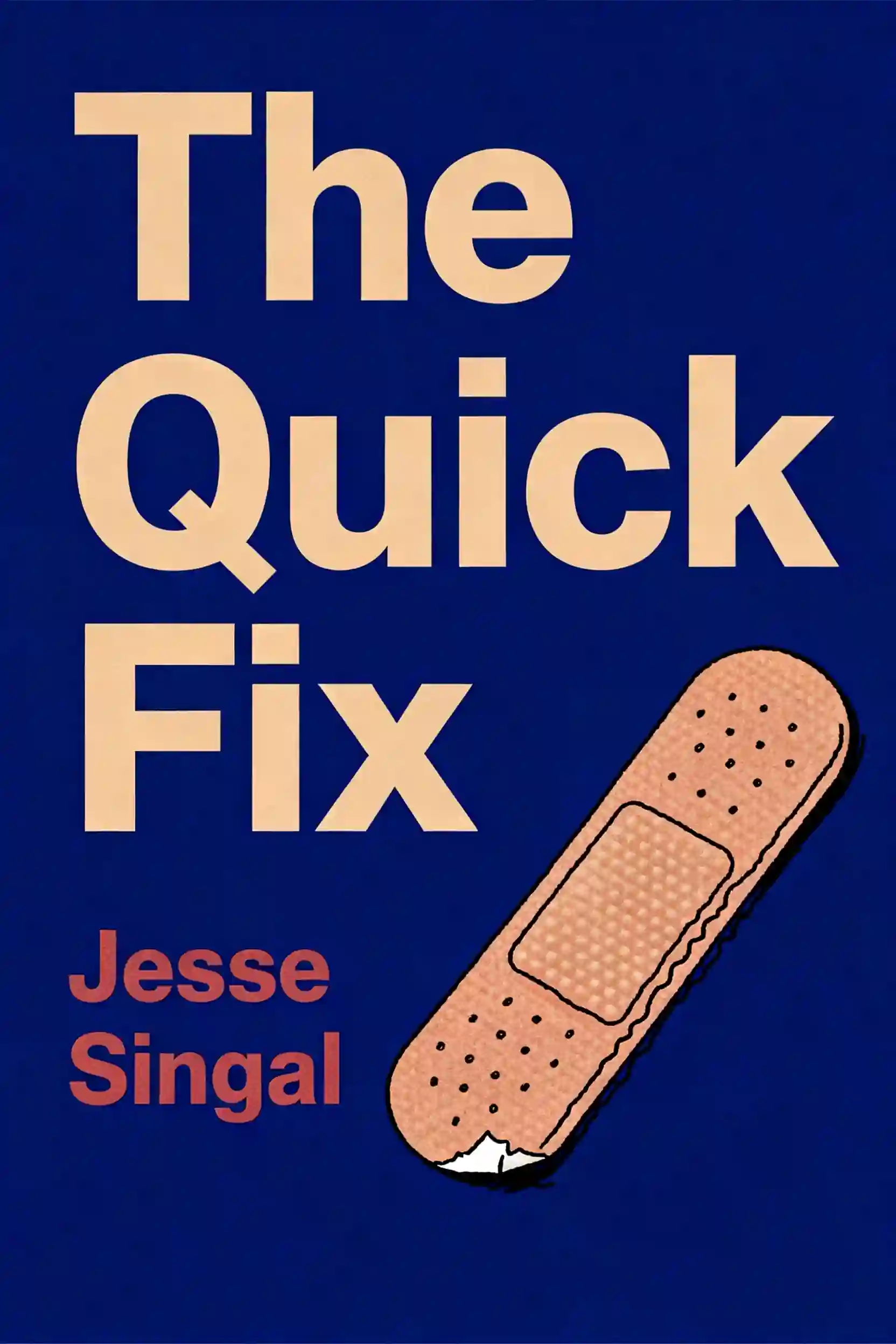
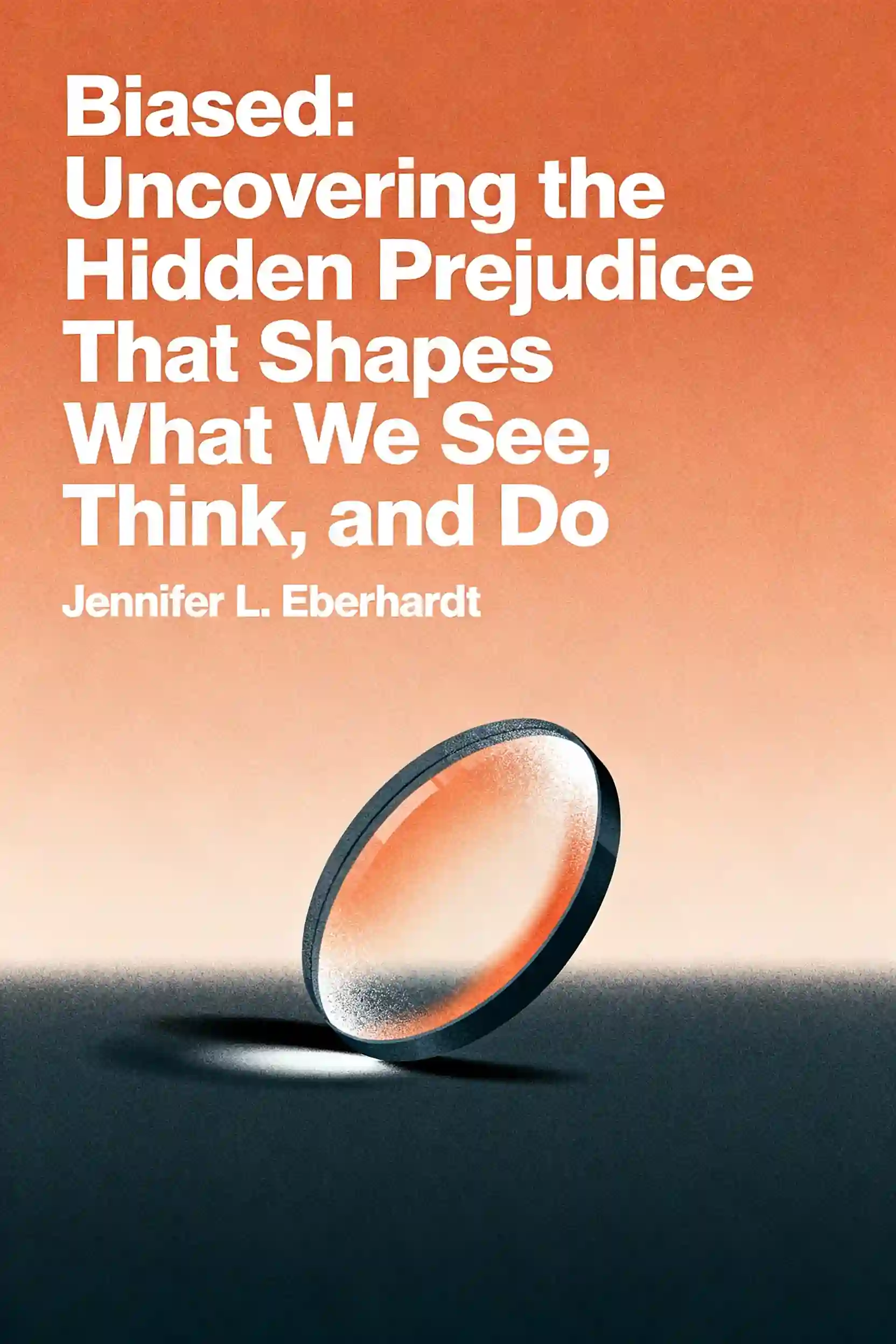
Frequently Asked Questions
Downward classism is a systemic social phenomenon where individuals from higher perceived social status treat those they deem "lower status" as less intelligent, capable, or even "dirty." According to the script, this is often a defense mechanism used by people in "good areas" to justify their own privilege and maintain moral distance. This treatment can lead to a high "allostatic load," which is the physical wear and tear on the body caused by chronic stress, resulting in elevated cortisol levels, anxiety, and significant mental distress.
Research discussed in the script suggests that once people associate someone with a negative odor, they often judge that person’s entire personality as flawed. This is frequently a form of psychological projection where the speaker takes "unacceptable" traits—like being unclean or unproductive—and projects them onto others to feel "pure" or superior. It is a dehumanization tactic used to decide who belongs in a certain social circle and to reinforce the "meritocracy myth," which falsely suggests that financial success is a direct reflection of personal morality.
Internalized classism occurs when a person begins to believe the negative stereotypes and labels projected onto them by society. The script describes this as an "intrapsychic experience" where the individual devalues themselves, leading to feelings of shame and frustration. This is particularly dangerous because it causes the individual to accept a "rigged" social hierarchy as a personal failing, which can lead to a cycle of rumination—repetitive, passive thinking that bridges the gap between a social insult and a mental health breakdown.
The script recommends developing "Social Class and Classism Consciousness," which involves naming the behavior as a "classist script" rather than a personal truth. By externalizing the insult, individuals can recognize that the judgment is a reflection of the speaker's insecurities and "status anxiety." Practical steps include finding "counter-mirrors" (supportive communities that reflect one's true dignity), practicing mindfulness to break the cycle of rumination, and rejecting the "meritocracy myth" by acknowledging that wealth is often systemic rather than a result of individual character.
Discover more

Build self-respect & handle work power plays
This learning plan is essential for professionals who feel undervalued, struggle with boundary-setting, or find themselves outmaneuvered by office politics. It's particularly valuable for those who want to advance their careers without compromising their integrity, and for anyone dealing with difficult colleagues or toxic workplace dynamics that erode their confidence and peace of mind.

Neutralize Social Pressure with Poise
In an age of constant external judgment, maintaining emotional autonomy is a critical skill for professional and personal success. This plan is designed for individuals who want to stop people-pleasing and start navigating social friction with calm, calculated confidence.

Dismantle Blame and Tribalism
In an increasingly polarized world, understanding the mechanics of group bias is essential for effective leadership and conflict resolution. This plan is ideal for professionals and community leaders looking to foster objectivity and accountability within their teams.

Learn from basic to dark psychology
This curriculum is essential for anyone seeking to navigate complex social dynamics and safeguard their mental well-being. It is particularly beneficial for professionals, leaders, and individuals looking to distinguish between ethical influence and predatory manipulation.

Sociology of Power and Resistance
This plan is essential for anyone seeking to understand the invisible forces that shape social hierarchy and economic inequality. It is ideal for activists, sociologists, and citizens who want to transition from passive observation to active resistance against systemic control.

The Hidden Logic of Taste
This plan is essential for anyone looking to understand the sociological forces that dictate our preferences and social standing. It is particularly valuable for marketers, designers, and students of culture who want to decode the relationship between identity and consumption.

Master Body Language & Influence Classmates
In high-pressure social environments like school, nonverbal cues often speak louder than words. This plan is designed for students who want to boost their social status and leadership potential by mastering the art of silent communication and ethical persuasion.

Self confidence and self worth
This learning plan is essential for anyone struggling with imposter syndrome, chronic self-doubt, or a harsh inner critic. It provides a science-backed roadmap to transition from fragile self-esteem to a resilient sense of worth based on authenticity rather than external validation.
From Columbia University alumni built in San Francisco
"Instead of endless scrolling, I just hit play on BeFreed. It saves me so much time."


"I never knew where to start with nonfiction—BeFreed’s book lists turned into podcasts gave me a clear path."


"Perfect balance between learning and entertainment. Finished ‘Thinking, Fast and Slow’ on my commute this week."
"Crazy how much I learned while walking the dog. BeFreed = small habits → big gains."
"Reading used to feel like a chore. Now it’s just part of my lifestyle."

"Feels effortless compared to reading. I’ve finished 6 books this month already."
"BeFreed turned my guilty doomscrolling into something that feels productive and inspiring."

"BeFreed turned my commute into learning time. 20-min podcasts are perfect for finishing books I never had time for."
"BeFreed replaced my podcast queue. Imagine Spotify for books — that’s it. 🙌"

"It is great for me to learn something from the book without reading it."
"The themed book list podcasts help me connect ideas across authors—like a guided audio journey."
"Makes me feel smarter every time before going to work"
From Columbia University alumni built in San Francisco
"Instead of endless scrolling, I just hit play on BeFreed. It saves me so much time."
"I never knew where to start with nonfiction—BeFreed’s book lists turned into podcasts gave me a clear path."
"Perfect balance between learning and entertainment. Finished ‘Thinking, Fast and Slow’ on my commute this week."
"Crazy how much I learned while walking the dog. BeFreed = small habits → big gains."
"Reading used to feel like a chore. Now it’s just part of my lifestyle."
"Feels effortless compared to reading. I’ve finished 6 books this month already."
"BeFreed turned my guilty doomscrolling into something that feels productive and inspiring."
"BeFreed turned my commute into learning time. 20-min podcasts are perfect for finishing books I never had time for."
"BeFreed replaced my podcast queue. Imagine Spotify for books — that’s it. 🙌"
"It is great for me to learn something from the book without reading it."
"The themed book list podcasts help me connect ideas across authors—like a guided audio journey."
"Makes me feel smarter every time before going to work"
"Instead of endless scrolling, I just hit play on BeFreed. It saves me so much time."
"I never knew where to start with nonfiction—BeFreed’s book lists turned into podcasts gave me a clear path."
"Perfect balance between learning and entertainment. Finished ‘Thinking, Fast and Slow’ on my commute this week."
"Crazy how much I learned while walking the dog. BeFreed = small habits → big gains."
"Reading used to feel like a chore. Now it’s just part of my lifestyle."
"Feels effortless compared to reading. I’ve finished 6 books this month already."
"BeFreed turned my guilty doomscrolling into something that feels productive and inspiring."
"BeFreed turned my commute into learning time. 20-min podcasts are perfect for finishing books I never had time for."
"BeFreed replaced my podcast queue. Imagine Spotify for books — that’s it. 🙌"
"It is great for me to learn something from the book without reading it."
"The themed book list podcasts help me connect ideas across authors—like a guided audio journey."
"Makes me feel smarter every time before going to work"
"Instead of endless scrolling, I just hit play on BeFreed. It saves me so much time."
"I never knew where to start with nonfiction—BeFreed’s book lists turned into podcasts gave me a clear path."
"Perfect balance between learning and entertainment. Finished ‘Thinking, Fast and Slow’ on my commute this week."
"Crazy how much I learned while walking the dog. BeFreed = small habits → big gains."
"Reading used to feel like a chore. Now it’s just part of my lifestyle."
"Feels effortless compared to reading. I’ve finished 6 books this month already."
"BeFreed turned my guilty doomscrolling into something that feels productive and inspiring."
"BeFreed turned my commute into learning time. 20-min podcasts are perfect for finishing books I never had time for."
"BeFreed replaced my podcast queue. Imagine Spotify for books — that’s it. 🙌"
"It is great for me to learn something from the book without reading it."
"The themed book list podcasts help me connect ideas across authors—like a guided audio journey."
"Makes me feel smarter every time before going to work"