The Silent Language: Mastering Body Language
Learn to decode the hidden signals people send before they even speak. This episode explores the science of non-verbal cues, from microexpressions to the 'honest' movements of the feet.

Best quote from The Silent Language: Mastering Body Language
Because the limbic system is involuntary, it’s much harder to fake than speech. That’s why, when the words and the body language don't match, you should almost always trust the body.
Generated by angela
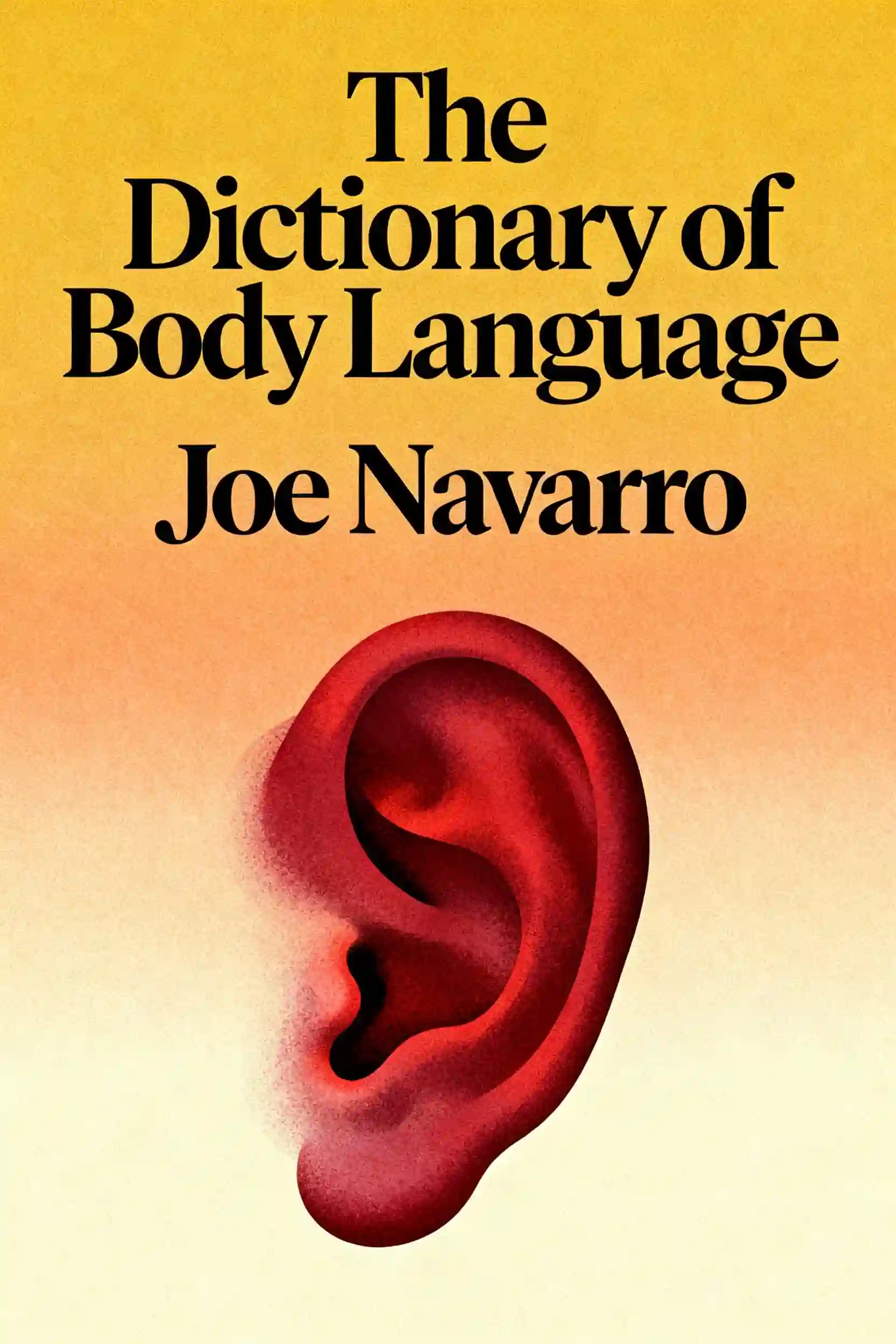
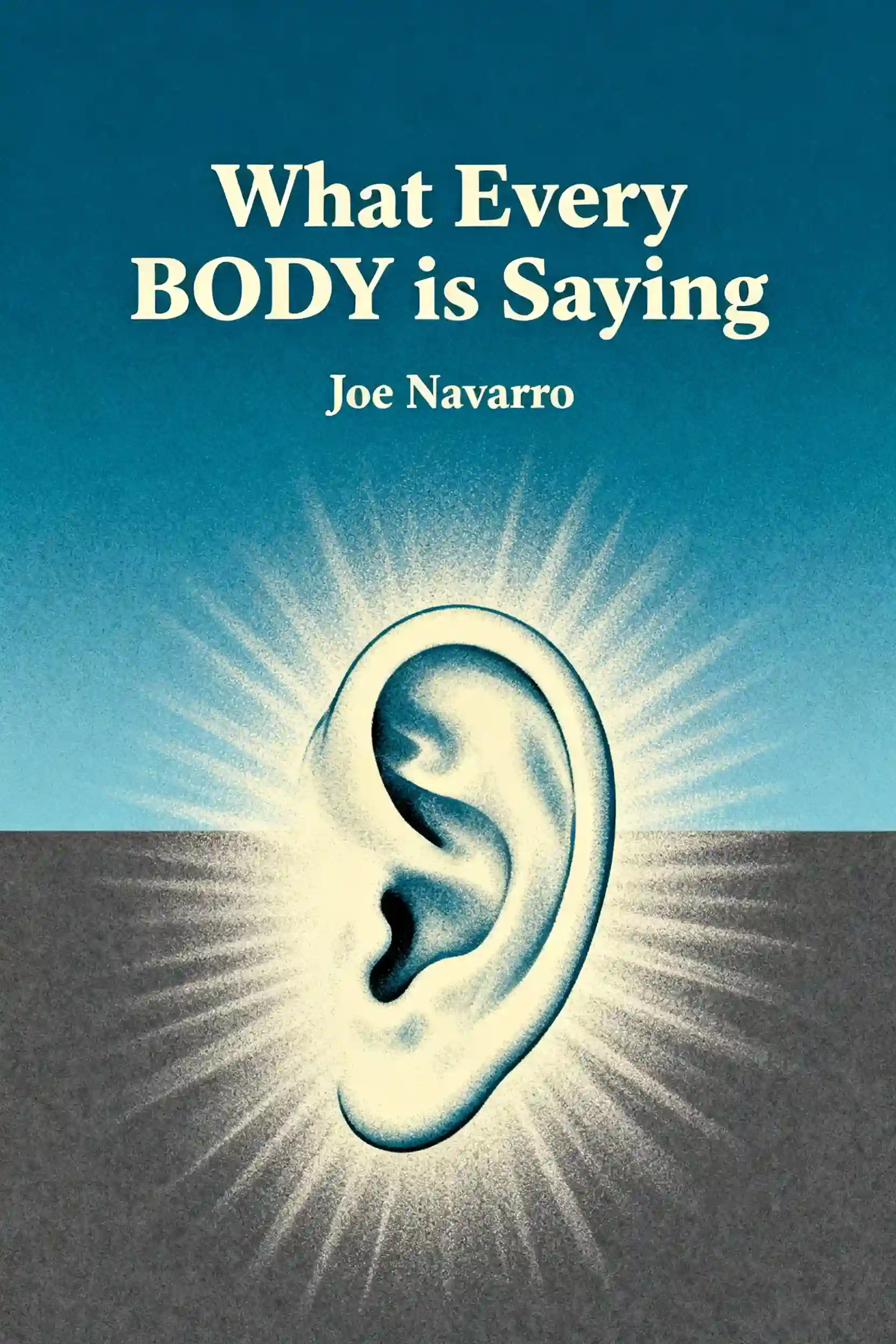
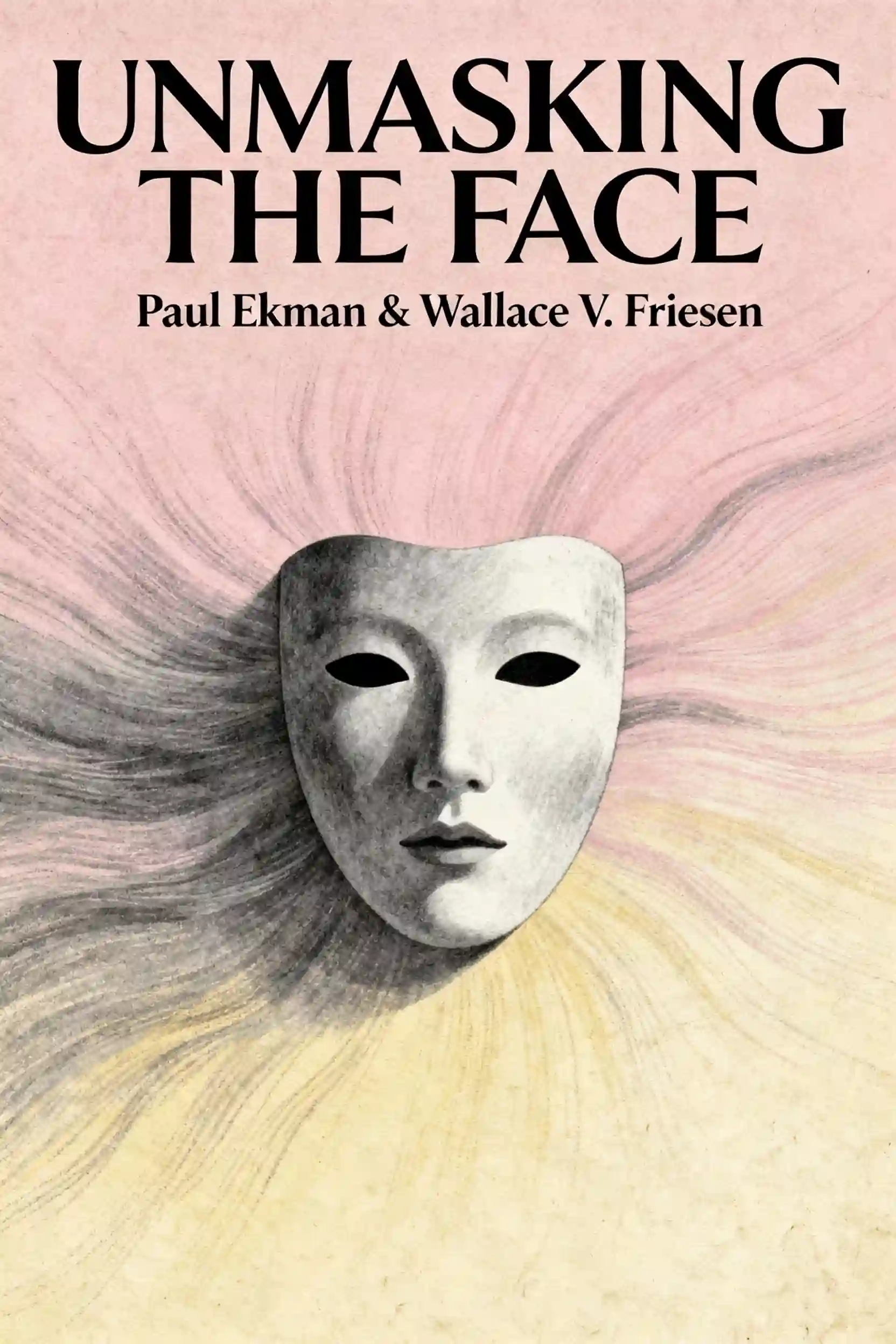
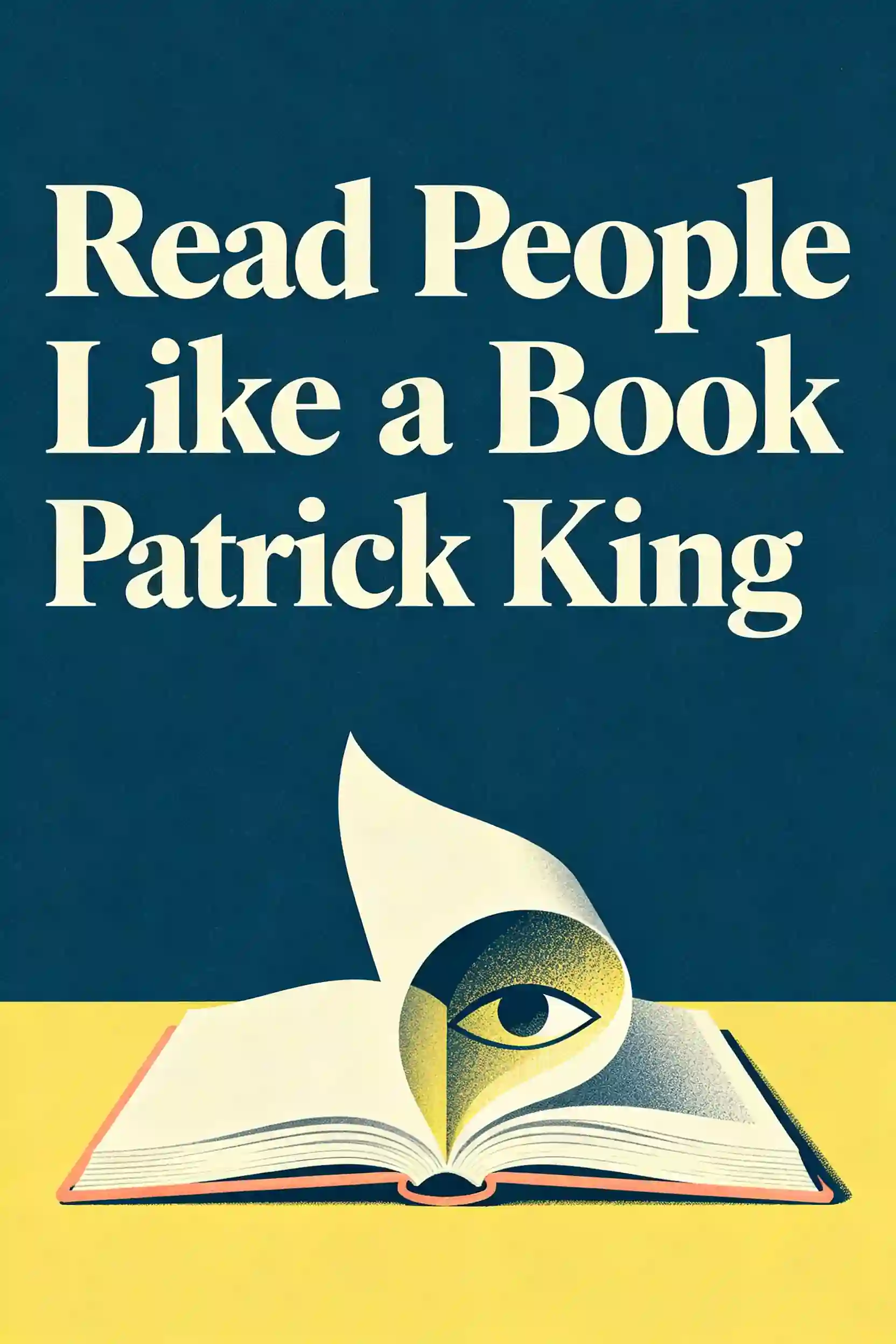
Read read better body language

Frequently Asked Questions
According to the script, feet and legs are the most honest because they are governed by the limbic system, the "honest brain" responsible for survival. Evolutionarily, our legs were the primary tools for escaping danger, causing them to react to our environment long before our conscious mind can intervene. While humans are trained from childhood to mask their facial expressions, we rarely think to manipulate our feet, which act as a "secret compass" by pointing toward what we like or angling toward an exit when we want to leave.
A cluster is a group of nonverbal signals that happen together, which Miles compares to reading a full sentence rather than a single word. Relying on one gesture in isolation—such as crossed arms—can lead to "gotcha" style errors because that gesture might simply be a reaction to a cold room. To accurately interpret someone's emotional state, you must look for a combination of movements, such as a difficult question followed by crossed arms, throat clearing, and shifting feet, all while considering the specific context of the situation.
A genuine emotional response, known as a "Duchenne smile," involves more than just the mouth; it specifically requires the muscles around the eyes. In a true smile, the cheeks push upward and "crow’s feet" wrinkles appear at the corners of the eyes. Because the muscles around the eyes are much harder to control voluntarily than those around the mouth, a "polite" or fake smile will often leave the eyes looking flat or "dead."
Pacifying behaviors are physical actions we take to calm ourselves down when the limbic system processes stress or discomfort. These movements, such as stroking the neck, rubbing the forehead, or fidgeting with jewelry, stimulate nerve endings that release calming chemicals in the brain. While these "nervous leaks" help the individual manage their internal tension, they serve as a clear signal to observers that the person is feeling anxious, insecure, or overwhelmed.
A baseline is a person's "normal" behavior when the stakes are low and they are relaxed. To establish a baseline, you should observe a person during the first few minutes of an interaction—such as during light small talk—to see how they naturally sit, move their hands, and maintain eye contact. Once you know their unique quirks, you can look for deviations from that baseline, such as a normally still person suddenly bouncing their leg, which indicates a shift in their comfort level or emotional state.
From Columbia University alumni built in San Francisco
"Instead of endless scrolling, I just hit play on BeFreed. It saves me so much time."


"I never knew where to start with nonfiction—BeFreed’s book lists turned into podcasts gave me a clear path."


"Perfect balance between learning and entertainment. Finished ‘Thinking, Fast and Slow’ on my commute this week."
"Crazy how much I learned while walking the dog. BeFreed = small habits → big gains."
"Reading used to feel like a chore. Now it’s just part of my lifestyle."

"Feels effortless compared to reading. I’ve finished 6 books this month already."
"BeFreed turned my guilty doomscrolling into something that feels productive and inspiring."

"BeFreed turned my commute into learning time. 20-min podcasts are perfect for finishing books I never had time for."
"BeFreed replaced my podcast queue. Imagine Spotify for books — that’s it. 🙌"

"It is great for me to learn something from the book without reading it."
"The themed book list podcasts help me connect ideas across authors—like a guided audio journey."
"Makes me feel smarter every time before going to work"
From Columbia University alumni built in San Francisco
"Instead of endless scrolling, I just hit play on BeFreed. It saves me so much time."
"I never knew where to start with nonfiction—BeFreed’s book lists turned into podcasts gave me a clear path."
"Perfect balance between learning and entertainment. Finished ‘Thinking, Fast and Slow’ on my commute this week."
"Crazy how much I learned while walking the dog. BeFreed = small habits → big gains."
"Reading used to feel like a chore. Now it’s just part of my lifestyle."
"Feels effortless compared to reading. I’ve finished 6 books this month already."
"BeFreed turned my guilty doomscrolling into something that feels productive and inspiring."
"BeFreed turned my commute into learning time. 20-min podcasts are perfect for finishing books I never had time for."
"BeFreed replaced my podcast queue. Imagine Spotify for books — that’s it. 🙌"
"It is great for me to learn something from the book without reading it."
"The themed book list podcasts help me connect ideas across authors—like a guided audio journey."
"Makes me feel smarter every time before going to work"
"Instead of endless scrolling, I just hit play on BeFreed. It saves me so much time."
"I never knew where to start with nonfiction—BeFreed’s book lists turned into podcasts gave me a clear path."
"Perfect balance between learning and entertainment. Finished ‘Thinking, Fast and Slow’ on my commute this week."
"Crazy how much I learned while walking the dog. BeFreed = small habits → big gains."
"Reading used to feel like a chore. Now it’s just part of my lifestyle."
"Feels effortless compared to reading. I’ve finished 6 books this month already."
"BeFreed turned my guilty doomscrolling into something that feels productive and inspiring."
"BeFreed turned my commute into learning time. 20-min podcasts are perfect for finishing books I never had time for."
"BeFreed replaced my podcast queue. Imagine Spotify for books — that’s it. 🙌"
"It is great for me to learn something from the book without reading it."
"The themed book list podcasts help me connect ideas across authors—like a guided audio journey."
"Makes me feel smarter every time before going to work"
"Instead of endless scrolling, I just hit play on BeFreed. It saves me so much time."
"I never knew where to start with nonfiction—BeFreed’s book lists turned into podcasts gave me a clear path."
"Perfect balance between learning and entertainment. Finished ‘Thinking, Fast and Slow’ on my commute this week."
"Crazy how much I learned while walking the dog. BeFreed = small habits → big gains."
"Reading used to feel like a chore. Now it’s just part of my lifestyle."
"Feels effortless compared to reading. I’ve finished 6 books this month already."
"BeFreed turned my guilty doomscrolling into something that feels productive and inspiring."
"BeFreed turned my commute into learning time. 20-min podcasts are perfect for finishing books I never had time for."
"BeFreed replaced my podcast queue. Imagine Spotify for books — that’s it. 🙌"
"It is great for me to learn something from the book without reading it."
"The themed book list podcasts help me connect ideas across authors—like a guided audio journey."
"Makes me feel smarter every time before going to work"