The Science of Self: From Biology to Behavior
Explore the evolution of psychology from early philosophy to modern neuroscience. Learn how social synchronization, cognitive shifts, and mindfulness shape our complex identities and mental resilience.

Best quote from The Science of Self: From Biology to Behavior
People are disturbed not by things, but by the view which they take of them. It’s not about the structure of the self; it’s about the process of how we relate to our experiences.
Generated by DEVILX99
Psychology


Frequently Asked Questions
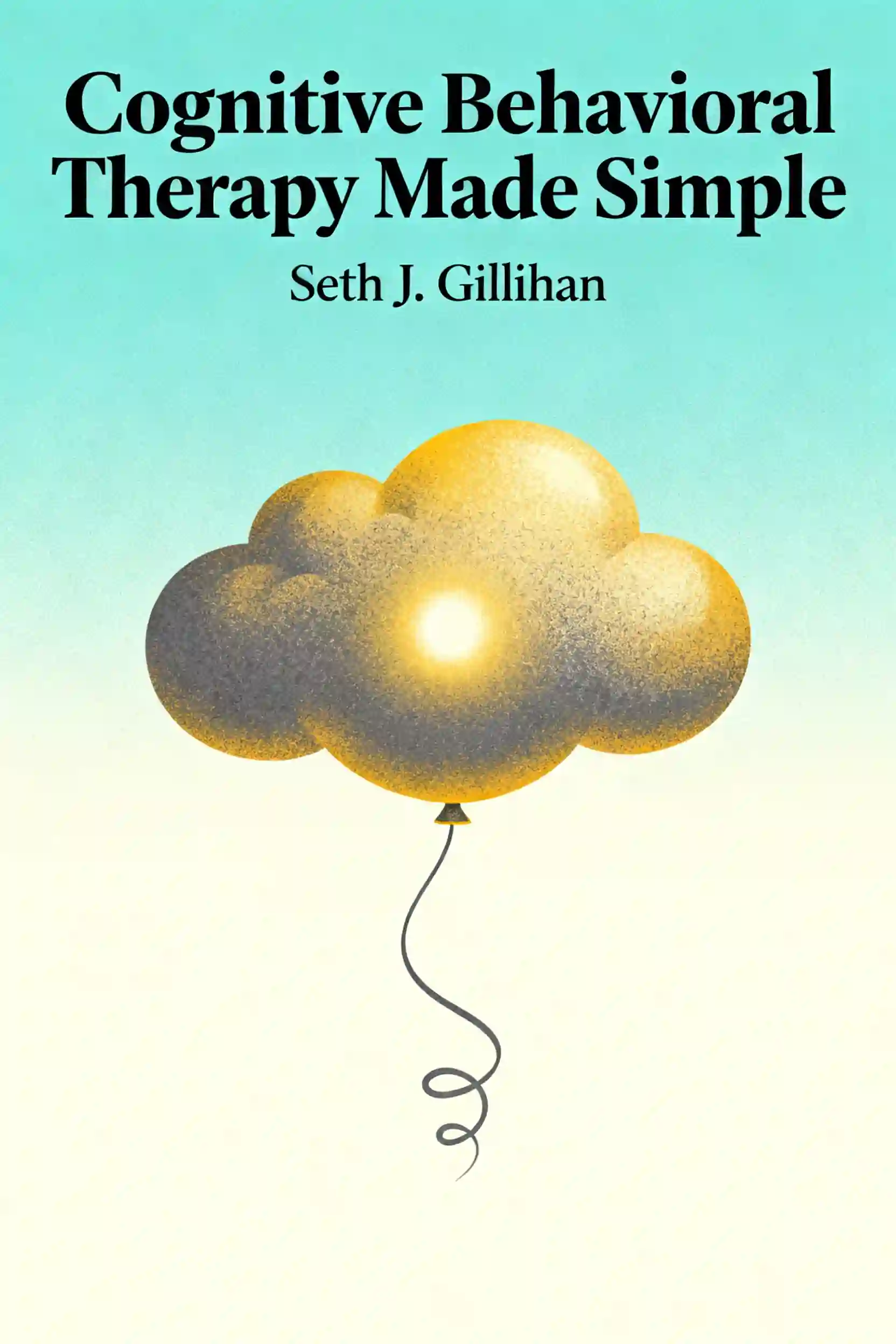
The first wave, behaviorism, focused strictly on observable actions and environmental conditioning, treating the mind as a "black box." The second wave, the cognitive revolution, opened that box to address internal "software" like thoughts, beliefs, and schemas, aiming to "fix" faulty logic. The third wave shifted the focus from changing the content of thoughts to changing our relationship with them, emphasizing mindfulness, acceptance, and psychological flexibility rather than symptom removal.
While both are second-wave therapies, they have different clinical styles and philosophies. Aaron Beck’s Cognitive Therapy is collaborative and empirical, encouraging patients to treat their thoughts as "hypotheses" to be tested against real-world evidence. Albert Ellis’s REBT is more confrontational, focusing on identifying and disputing "irrational beliefs" and "demandingness" (the idea that life must go a certain way), ultimately aiming for unconditional self-acceptance.
Behavioral activation is a technique based on the idea that action must often precede motivation. Instead of waiting to "feel like" doing something, individuals schedule small activities that provide a sense of mastery or pleasure. Research has shown that for many people, simply changing behavior in this way can be just as effective as complex cognitive restructuring, as it helps break the cycle of withdrawal and provides the brain with positive reinforcement.
Yes, the script highlights that CBT has been successfully adapted for various conditions. For example, CBT for Insomnia (CBT-I) is now considered a first-line treatment, using stimulus control to reset sleep cycles. For psychosis, CBT doesn't necessarily "cure" hallucinations but helps patients manage them through behavioral experiments and mindfulness, giving them more agency over their lives.
Cognitive distortions are biased ways of processing information, such as "all-or-nothing thinking" or "catastrophizing." To identify them, the script suggests "self-monitoring" by using a thought record. When you experience a sudden negative shift in mood, you stop to record the specific "automatic thought" that occurred and then evaluate the evidence for and against it to see if the thought is a factual reality or a distorted interpretation.
From Columbia University alumni built in San Francisco
"Instead of endless scrolling, I just hit play on BeFreed. It saves me so much time."


"I never knew where to start with nonfiction—BeFreed’s book lists turned into podcasts gave me a clear path."


"Perfect balance between learning and entertainment. Finished ‘Thinking, Fast and Slow’ on my commute this week."
"Crazy how much I learned while walking the dog. BeFreed = small habits → big gains."
"Reading used to feel like a chore. Now it’s just part of my lifestyle."

"Feels effortless compared to reading. I’ve finished 6 books this month already."
"BeFreed turned my guilty doomscrolling into something that feels productive and inspiring."

"BeFreed turned my commute into learning time. 20-min podcasts are perfect for finishing books I never had time for."
"BeFreed replaced my podcast queue. Imagine Spotify for books — that’s it. 🙌"

"It is great for me to learn something from the book without reading it."
"The themed book list podcasts help me connect ideas across authors—like a guided audio journey."
"Makes me feel smarter every time before going to work"
From Columbia University alumni built in San Francisco
"Instead of endless scrolling, I just hit play on BeFreed. It saves me so much time."
"I never knew where to start with nonfiction—BeFreed’s book lists turned into podcasts gave me a clear path."
"Perfect balance between learning and entertainment. Finished ‘Thinking, Fast and Slow’ on my commute this week."
"Crazy how much I learned while walking the dog. BeFreed = small habits → big gains."
"Reading used to feel like a chore. Now it’s just part of my lifestyle."
"Feels effortless compared to reading. I’ve finished 6 books this month already."
"BeFreed turned my guilty doomscrolling into something that feels productive and inspiring."
"BeFreed turned my commute into learning time. 20-min podcasts are perfect for finishing books I never had time for."
"BeFreed replaced my podcast queue. Imagine Spotify for books — that’s it. 🙌"
"It is great for me to learn something from the book without reading it."
"The themed book list podcasts help me connect ideas across authors—like a guided audio journey."
"Makes me feel smarter every time before going to work"
"Instead of endless scrolling, I just hit play on BeFreed. It saves me so much time."
"I never knew where to start with nonfiction—BeFreed’s book lists turned into podcasts gave me a clear path."
"Perfect balance between learning and entertainment. Finished ‘Thinking, Fast and Slow’ on my commute this week."
"Crazy how much I learned while walking the dog. BeFreed = small habits → big gains."
"Reading used to feel like a chore. Now it’s just part of my lifestyle."
"Feels effortless compared to reading. I’ve finished 6 books this month already."
"BeFreed turned my guilty doomscrolling into something that feels productive and inspiring."
"BeFreed turned my commute into learning time. 20-min podcasts are perfect for finishing books I never had time for."
"BeFreed replaced my podcast queue. Imagine Spotify for books — that’s it. 🙌"
"It is great for me to learn something from the book without reading it."
"The themed book list podcasts help me connect ideas across authors—like a guided audio journey."
"Makes me feel smarter every time before going to work"
"Instead of endless scrolling, I just hit play on BeFreed. It saves me so much time."
"I never knew where to start with nonfiction—BeFreed’s book lists turned into podcasts gave me a clear path."
"Perfect balance between learning and entertainment. Finished ‘Thinking, Fast and Slow’ on my commute this week."
"Crazy how much I learned while walking the dog. BeFreed = small habits → big gains."
"Reading used to feel like a chore. Now it’s just part of my lifestyle."
"Feels effortless compared to reading. I’ve finished 6 books this month already."
"BeFreed turned my guilty doomscrolling into something that feels productive and inspiring."
"BeFreed turned my commute into learning time. 20-min podcasts are perfect for finishing books I never had time for."
"BeFreed replaced my podcast queue. Imagine Spotify for books — that’s it. 🙌"
"It is great for me to learn something from the book without reading it."
"The themed book list podcasts help me connect ideas across authors—like a guided audio journey."
"Makes me feel smarter every time before going to work"