The Science and Mystery of Psychic Energy
Explore the fascinating divide between ancient traditions and modern science as we investigate telepathy, quantum entanglement, and the unseen forces that shape our reality.

Best quote from The Science and Mystery of Psychic Energy
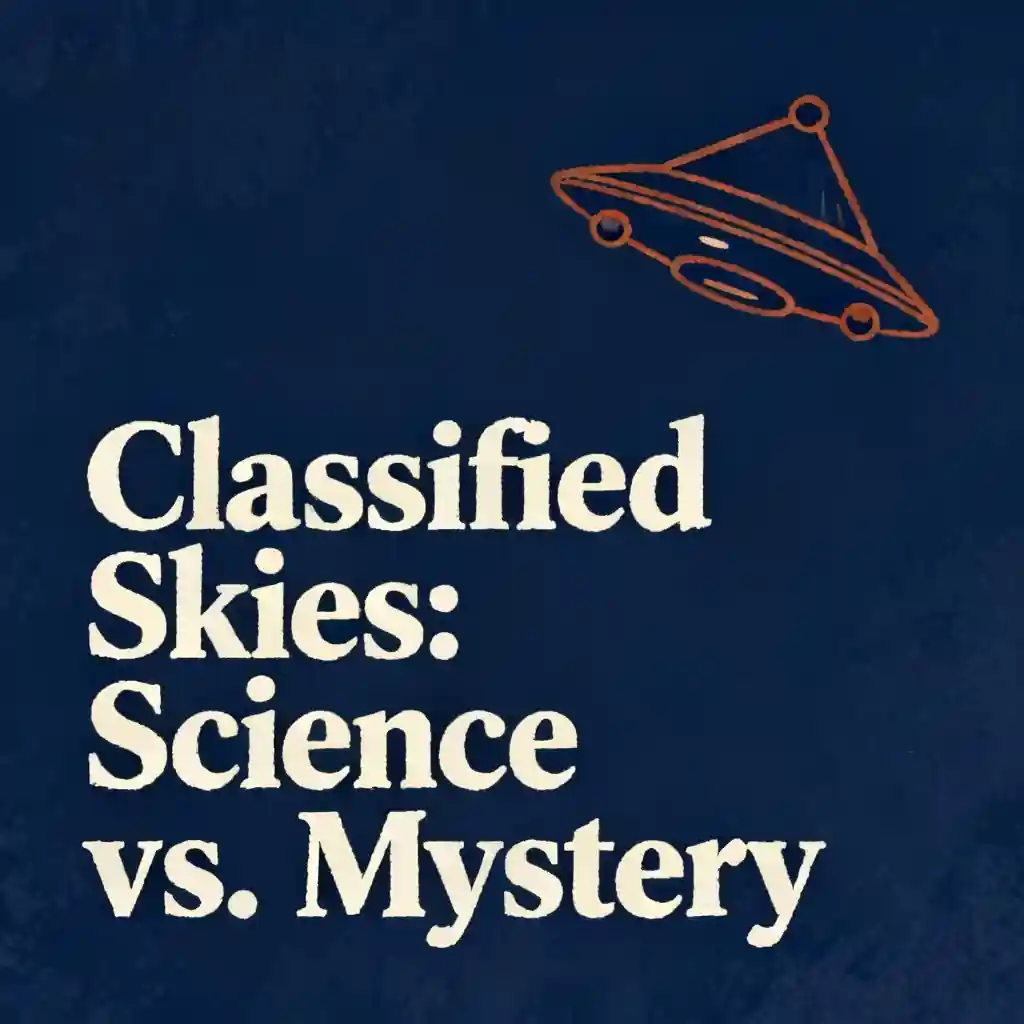
The decision lens is really about how you weigh evidence: do you trust the cumulative statistical anomalies, or do you trust the established laws of physics that haven't failed us yet in other areas?
Generated by Manda
Learning about psychic energy, unexplained phenomena and the unknown.

Frequently Asked Questions
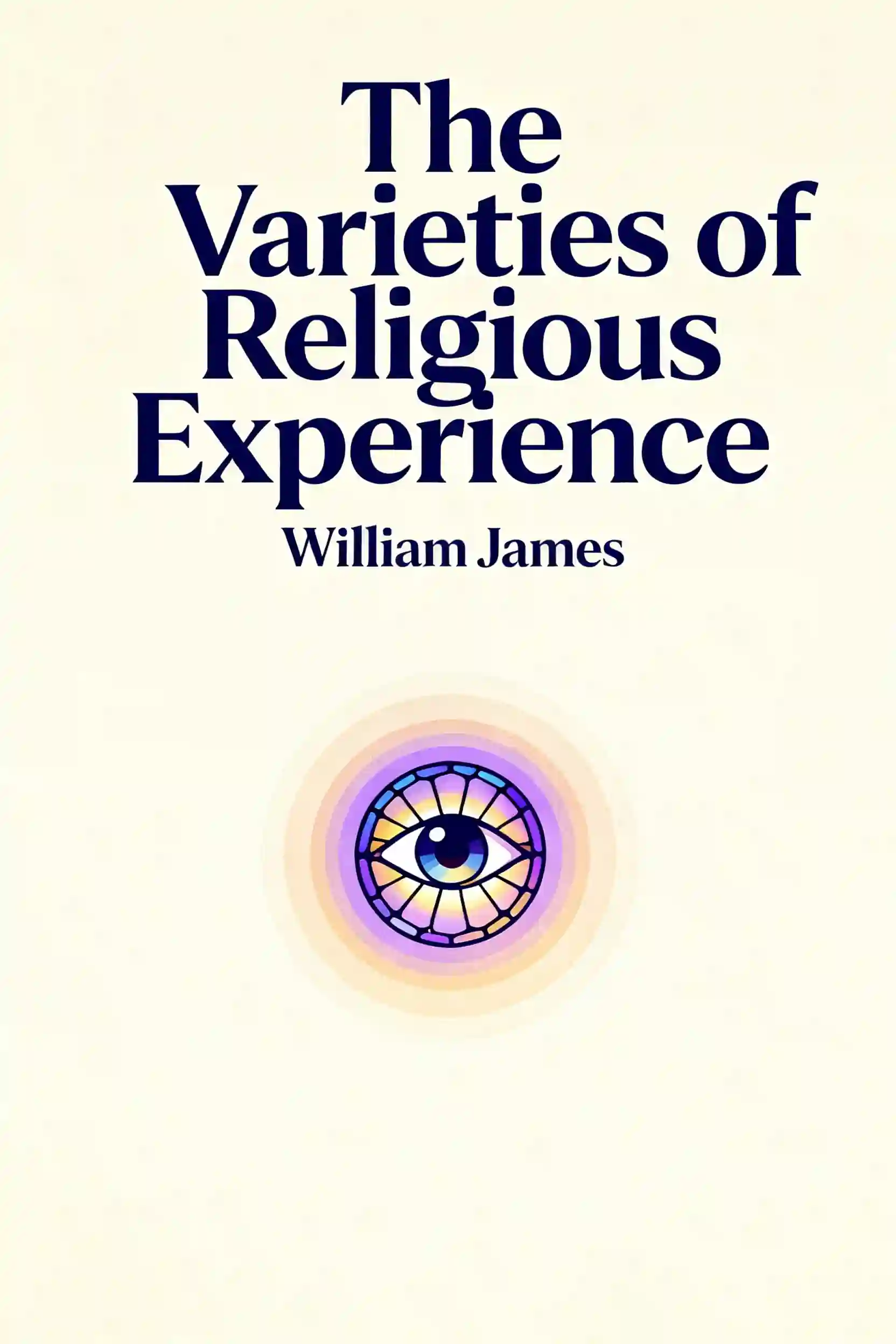
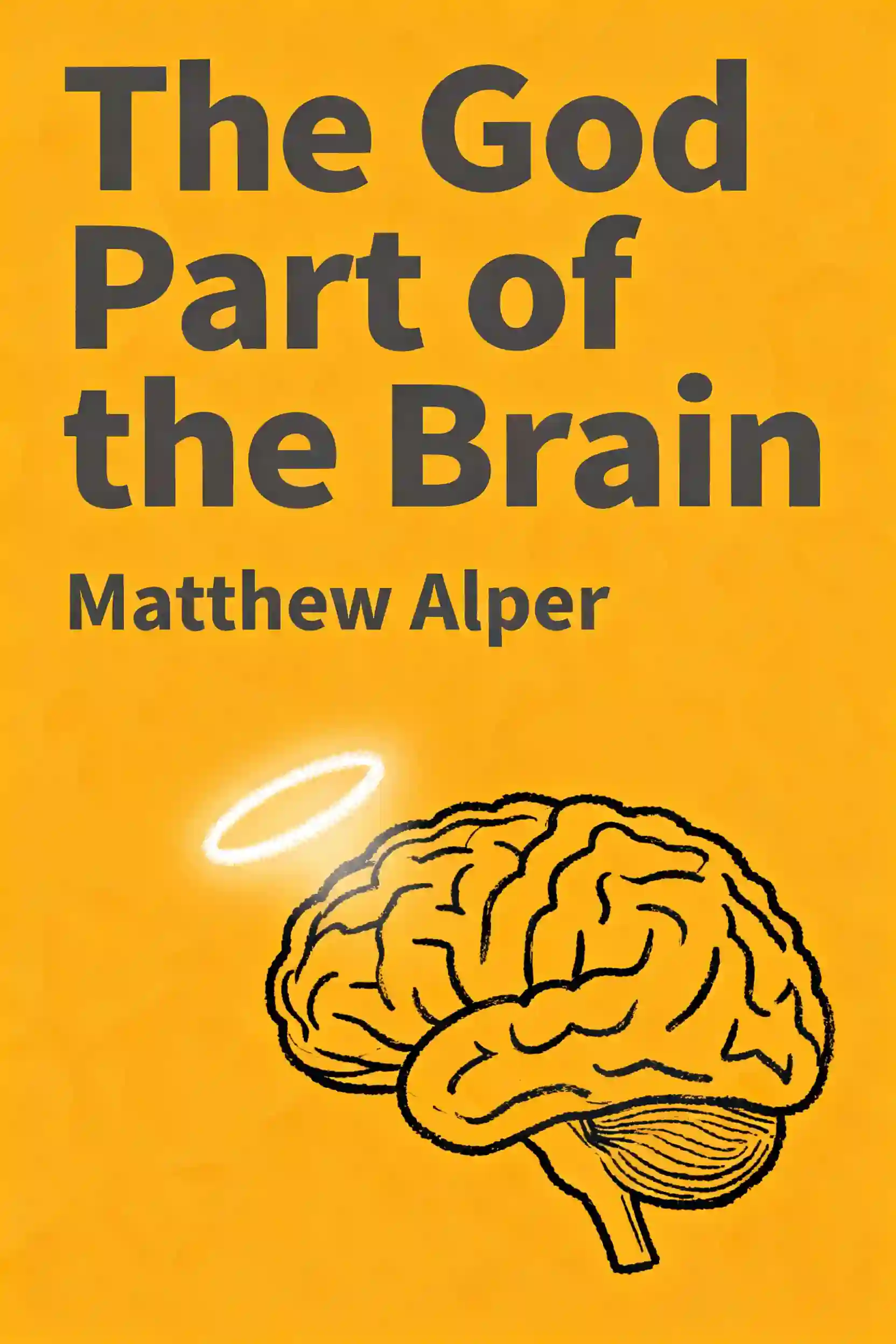
The filter theory, famously proposed by William James, suggests that the brain does not actually create consciousness but rather acts as a "reducer" or a prism. According to this view, the brain filters a vast, universal field of information down to a narrow stream of data necessary for physical survival, such as avoiding danger or finding food. Proponents of this theory argue that certain conditions, such as meditation, near-death experiences, or even brain trauma, can "open the valve," allowing an individual to perceive psychic information or "non-local" connections that are usually blocked out.
Researchers like Edwin May and Etzel Cardeña suggest that if psychic energy (or "psi") exists, its mechanism might be found in quantum mechanics, specifically through a concept called "non-locality." This refers to the way particles can remain entangled and mirror each other instantly across any distance. While some scientists argue the brain is too "warm and wet" for these delicate quantum states to survive, others believe evolution may have found a way to exploit these physical laws to allow for "Anomalous Cognition," where information is not limited by the standard constraints of space and time.
Proposed by James Carpenter, the "First Sight" theory posits that psychic ability is not a rare superpower but a continuous, unconscious biological function. It acts like a background radar that processes subtle informational gradients to guide us toward benefits and away from threats before our conscious mind is even aware of them. This is supported by "presentiment" studies, which show that a person’s physiological markers, such as heart rate or skin conductance, often react to an emotional stimulus several seconds before the stimulus actually occurs.
The primary challenge in parapsychology is the lack of consistent replication. While meta-analyses of thousands of studies show statistical anomalies that are billions-to-one against chance, individual results often vanish when experimental controls are tightened. Skeptics point to "sensory leakage," where subjects pick up on subtle physical cues, and the "file drawer problem," where only successful experiments are published. Additionally, some theorists suggest that psi may be a "pragmatic" or "jealous" phenomenon that inherently weakens or becomes "noisy" the more directly it is observed, making it difficult to capture using traditional scientific methods.
Sigmund Freud and Carl Jung had a fundamental disagreement regarding the nature of mental energy. Freud viewed psychic energy as "libido," a finite internal resource primarily driven by sexual impulses that could be "bound" by neuroses or used for logical thinking. In contrast, Jung expanded this definition to a universal "life force" that connects the individual to a "collective unconscious." While Freud focused on the internal "wiring" of the individual mind, Jung’s perspective was more akin to a "wi-fi" system that connects all human experience through shared symbols and non-local fields.
From Columbia University alumni built in San Francisco
"Instead of endless scrolling, I just hit play on BeFreed. It saves me so much time."


"I never knew where to start with nonfiction—BeFreed’s book lists turned into podcasts gave me a clear path."


"Perfect balance between learning and entertainment. Finished ‘Thinking, Fast and Slow’ on my commute this week."
"Crazy how much I learned while walking the dog. BeFreed = small habits → big gains."
"Reading used to feel like a chore. Now it’s just part of my lifestyle."

"Feels effortless compared to reading. I’ve finished 6 books this month already."
"BeFreed turned my guilty doomscrolling into something that feels productive and inspiring."

"BeFreed turned my commute into learning time. 20-min podcasts are perfect for finishing books I never had time for."
"BeFreed replaced my podcast queue. Imagine Spotify for books — that’s it. 🙌"

"It is great for me to learn something from the book without reading it."
"The themed book list podcasts help me connect ideas across authors—like a guided audio journey."
"Makes me feel smarter every time before going to work"
From Columbia University alumni built in San Francisco
"Instead of endless scrolling, I just hit play on BeFreed. It saves me so much time."
"I never knew where to start with nonfiction—BeFreed’s book lists turned into podcasts gave me a clear path."
"Perfect balance between learning and entertainment. Finished ‘Thinking, Fast and Slow’ on my commute this week."
"Crazy how much I learned while walking the dog. BeFreed = small habits → big gains."
"Reading used to feel like a chore. Now it’s just part of my lifestyle."
"Feels effortless compared to reading. I’ve finished 6 books this month already."
"BeFreed turned my guilty doomscrolling into something that feels productive and inspiring."
"BeFreed turned my commute into learning time. 20-min podcasts are perfect for finishing books I never had time for."
"BeFreed replaced my podcast queue. Imagine Spotify for books — that’s it. 🙌"
"It is great for me to learn something from the book without reading it."
"The themed book list podcasts help me connect ideas across authors—like a guided audio journey."
"Makes me feel smarter every time before going to work"
"Instead of endless scrolling, I just hit play on BeFreed. It saves me so much time."
"I never knew where to start with nonfiction—BeFreed’s book lists turned into podcasts gave me a clear path."
"Perfect balance between learning and entertainment. Finished ‘Thinking, Fast and Slow’ on my commute this week."
"Crazy how much I learned while walking the dog. BeFreed = small habits → big gains."
"Reading used to feel like a chore. Now it’s just part of my lifestyle."
"Feels effortless compared to reading. I’ve finished 6 books this month already."
"BeFreed turned my guilty doomscrolling into something that feels productive and inspiring."
"BeFreed turned my commute into learning time. 20-min podcasts are perfect for finishing books I never had time for."
"BeFreed replaced my podcast queue. Imagine Spotify for books — that’s it. 🙌"
"It is great for me to learn something from the book without reading it."
"The themed book list podcasts help me connect ideas across authors—like a guided audio journey."
"Makes me feel smarter every time before going to work"
"Instead of endless scrolling, I just hit play on BeFreed. It saves me so much time."
"I never knew where to start with nonfiction—BeFreed’s book lists turned into podcasts gave me a clear path."
"Perfect balance between learning and entertainment. Finished ‘Thinking, Fast and Slow’ on my commute this week."
"Crazy how much I learned while walking the dog. BeFreed = small habits → big gains."
"Reading used to feel like a chore. Now it’s just part of my lifestyle."
"Feels effortless compared to reading. I’ve finished 6 books this month already."
"BeFreed turned my guilty doomscrolling into something that feels productive and inspiring."
"BeFreed turned my commute into learning time. 20-min podcasts are perfect for finishing books I never had time for."
"BeFreed replaced my podcast queue. Imagine Spotify for books — that’s it. 🙌"
"It is great for me to learn something from the book without reading it."
"The themed book list podcasts help me connect ideas across authors—like a guided audio journey."
"Makes me feel smarter every time before going to work"