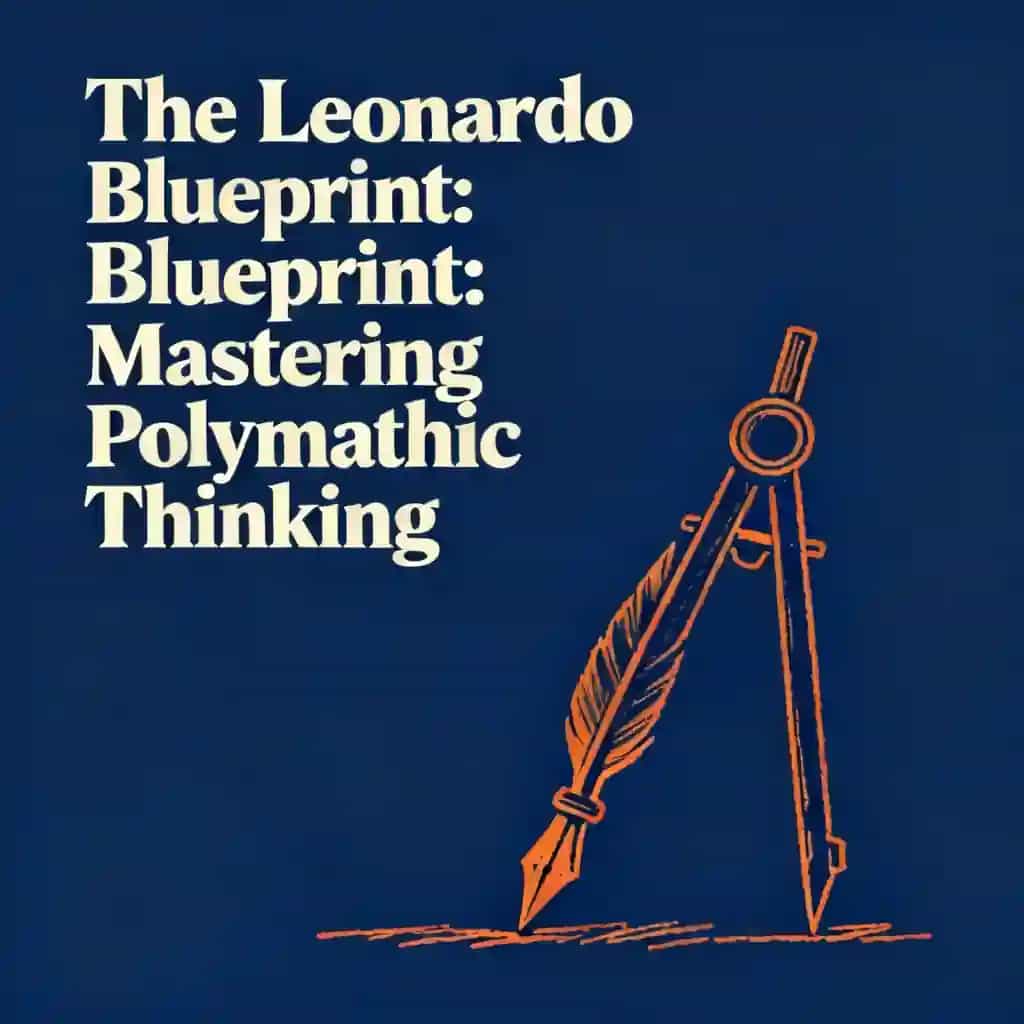
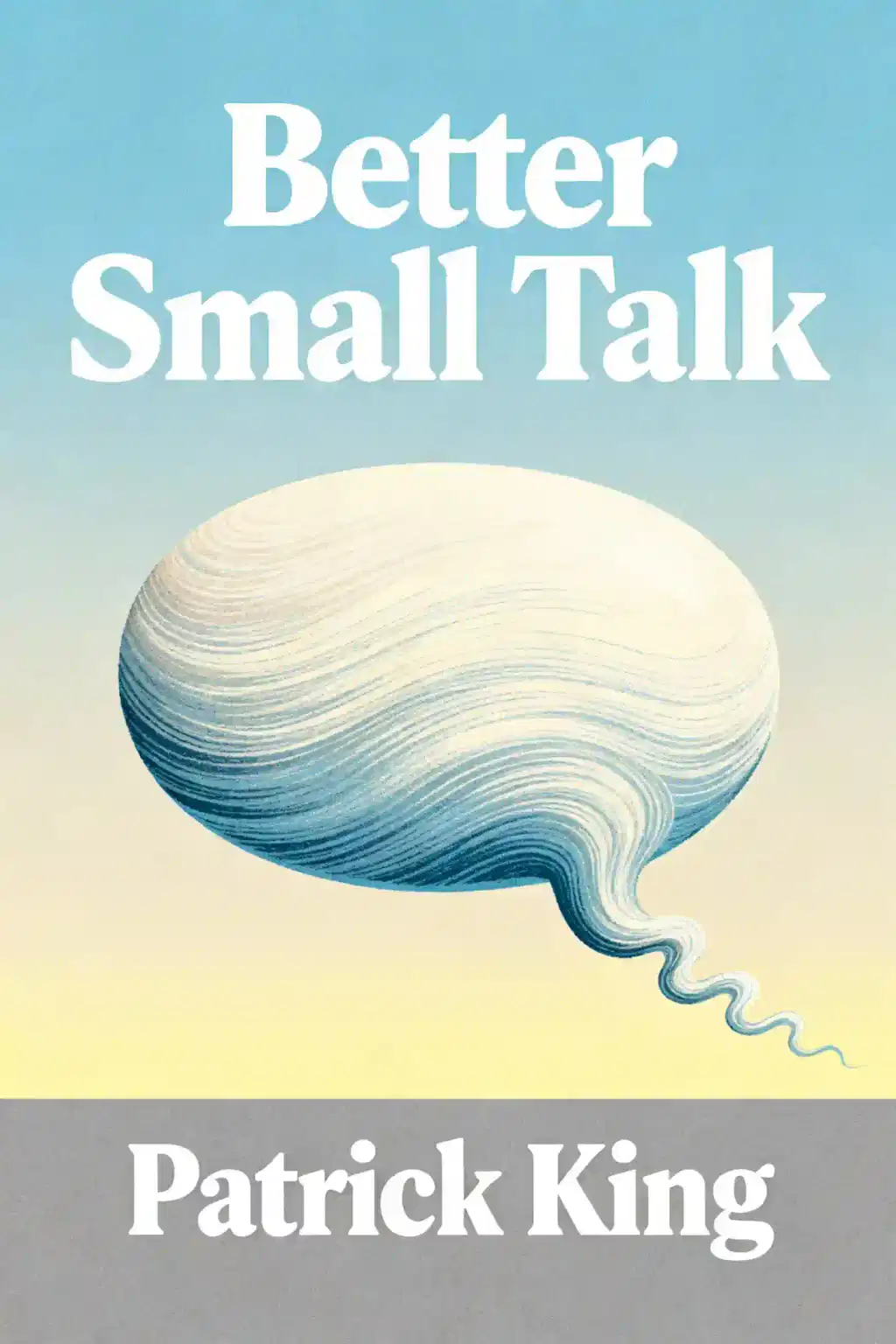
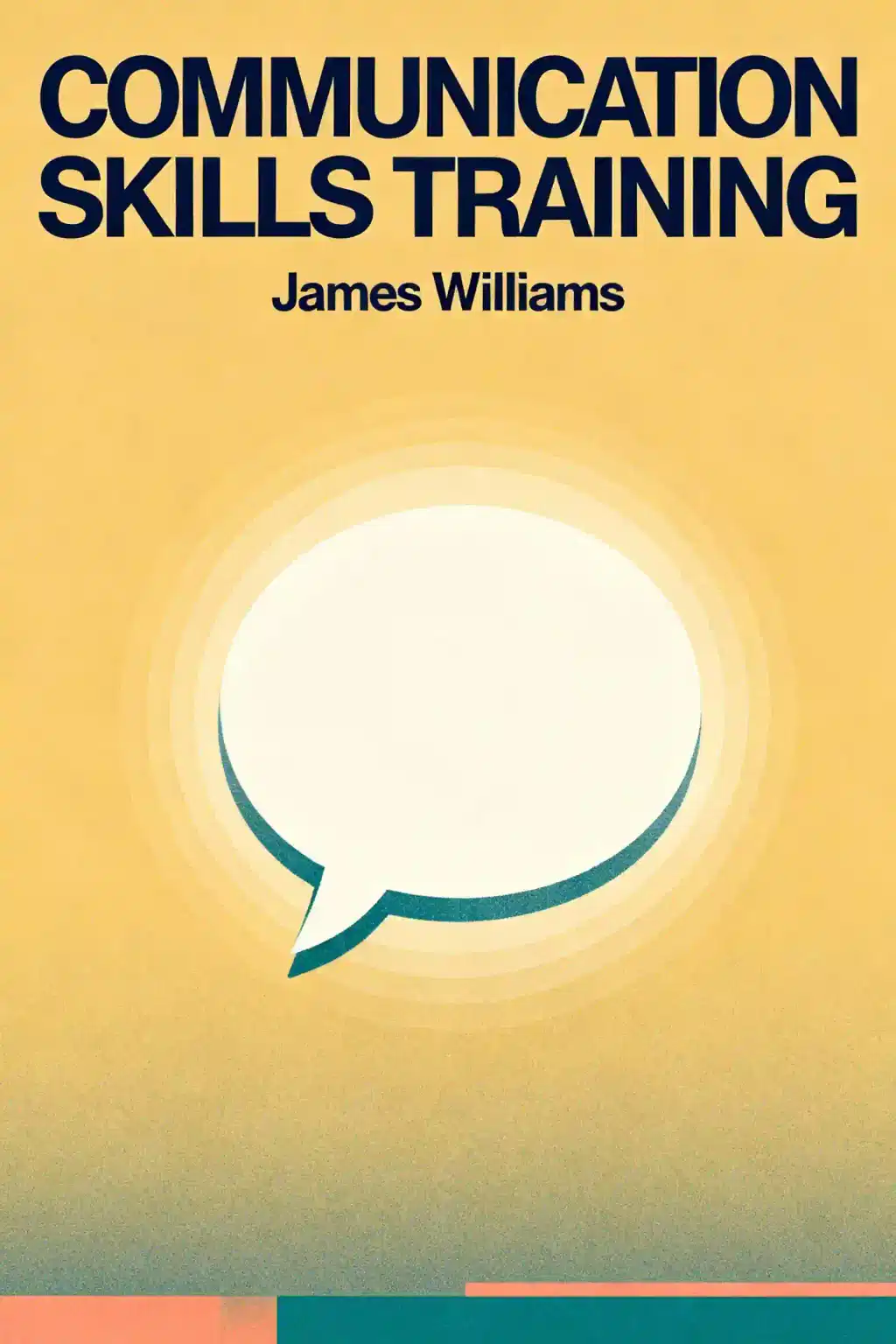
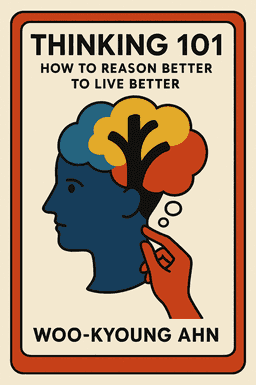
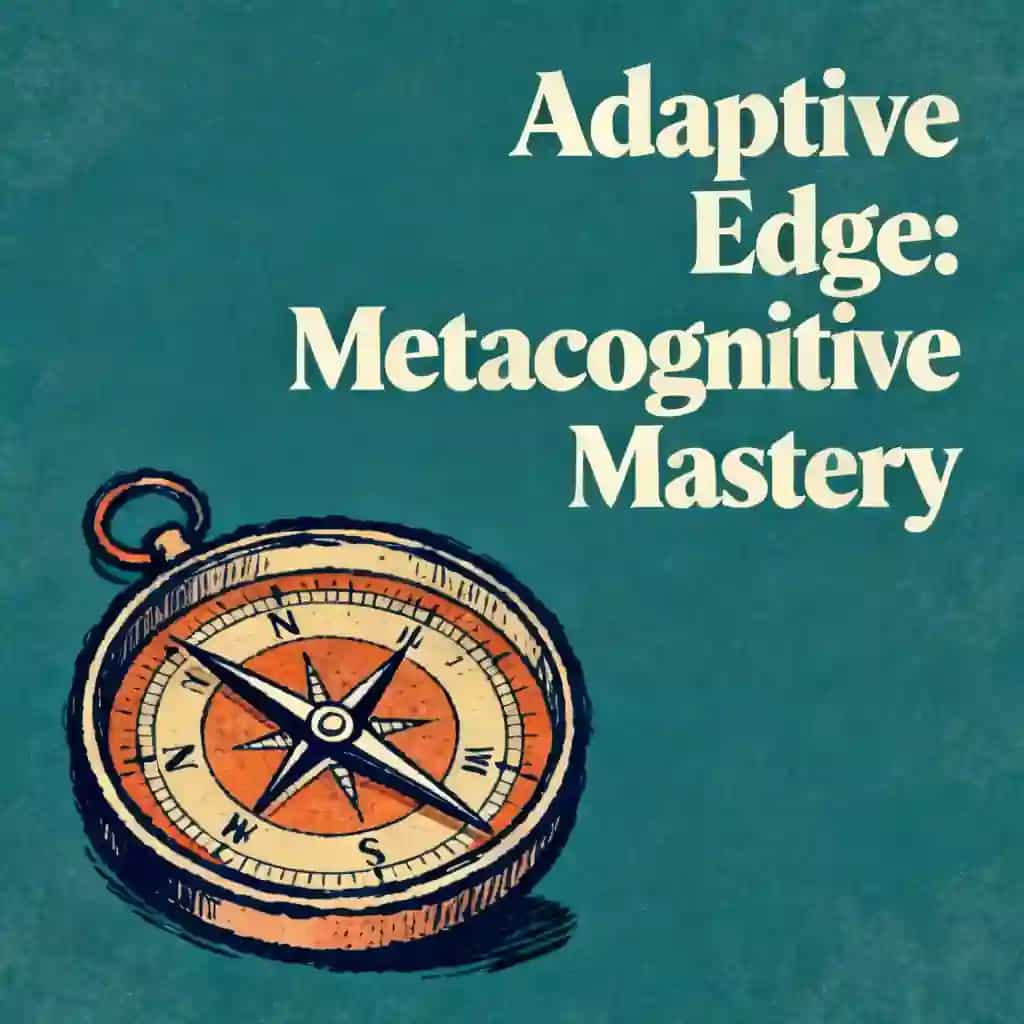
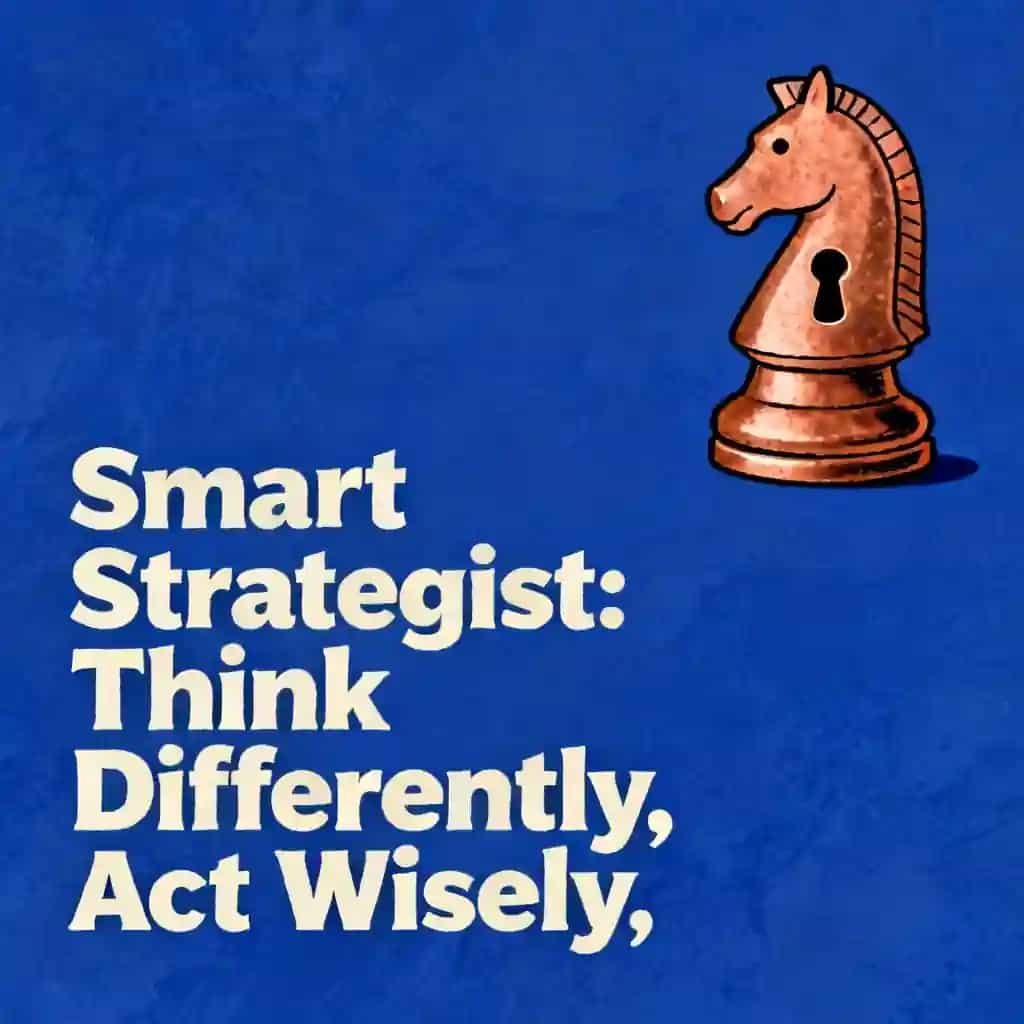
The Renaissance Learner: Merging Logic and Street Smarts
Discover how to bridge neuroscience and social intelligence to master both academic exams and real-world challenges. Learn to sharpen your pattern recognition and build a practical toolkit for balanced brilliance.

Best quote from The Renaissance Learner: Merging Logic and Street Smarts
Being street smart is essentially having a highly tuned salience network that allows you to filter out the noise and zero in on the details that actually matter in a chaotic environment.
Generated by Hunter
I want something interesting that will make me more smarter academically and street smart

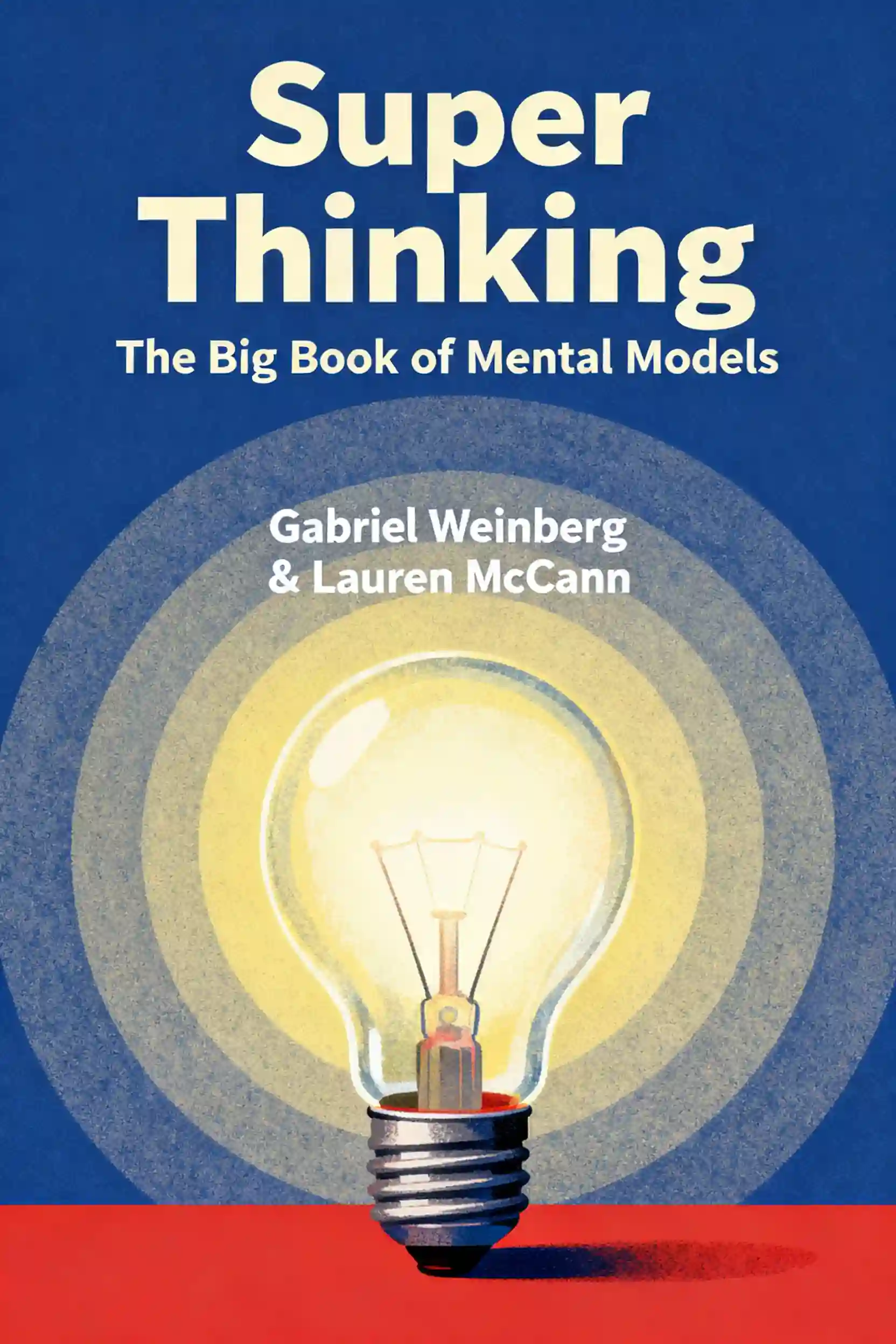
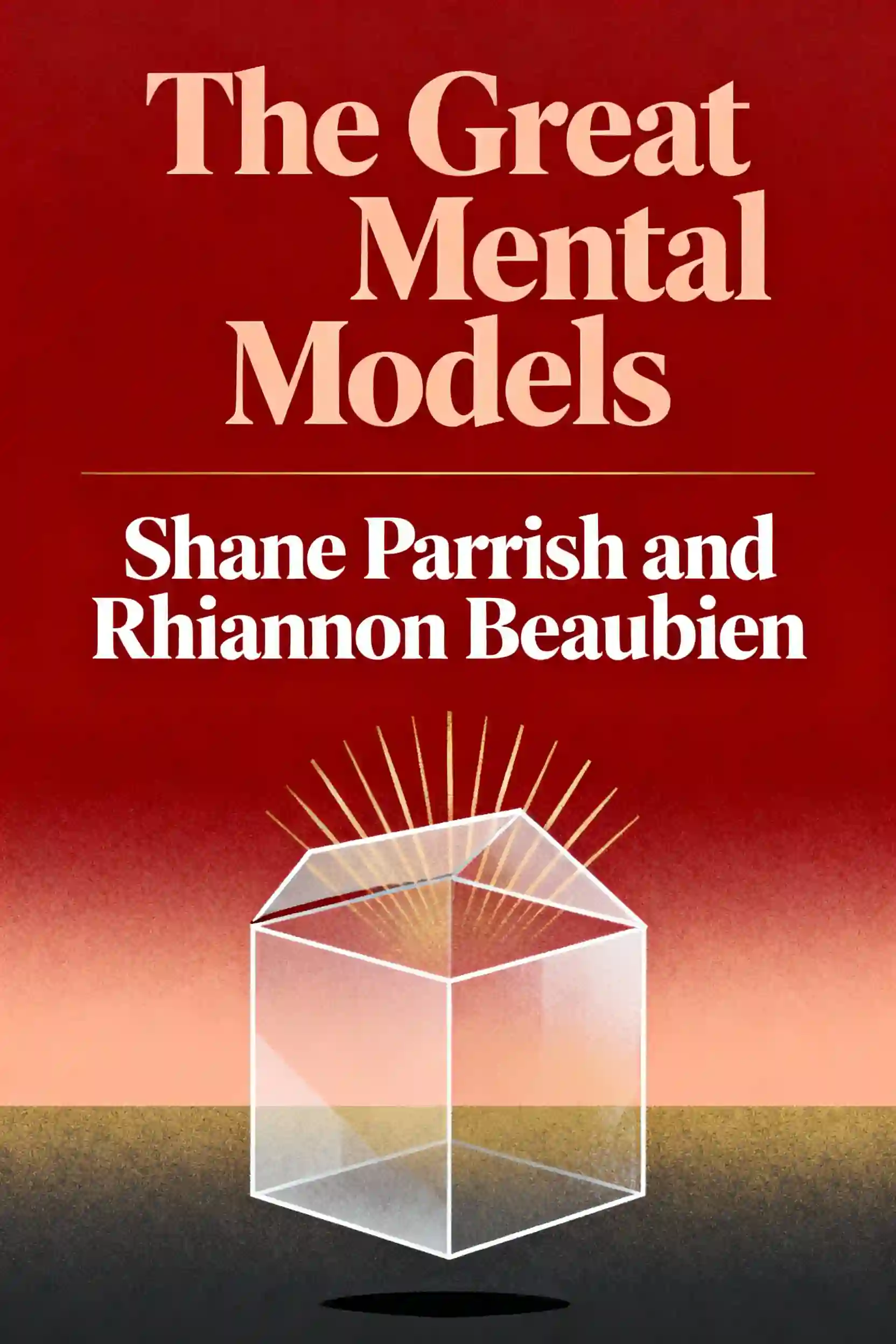

Frequently Asked Questions
Academic intelligence, or "book smarts," typically involves solving well-defined problems that have a single correct answer, often found in a classroom or textbook. In contrast, practical intelligence, often called "street smarts," is the ability to solve "ill-defined" real-world problems that are messy and may have multiple solutions. It relies heavily on "tacit knowledge," which is the unwritten "know-how" gained through experience that is difficult to put into words, such as reading social cues or understanding the unwritten rules of a workplace.
This framework, based on Robert Sternberg’s triarchic theory, offers three ways to interact with your environment. Adaptation involves changing yourself to fit your surroundings, such as learning a new company's culture. Shaping is the process of changing the environment to better suit your needs, like introducing a new tool to make a team more efficient. Selection is the highest level of self-awareness, where you recognize that an environment is a poor fit for your goals and choose to leave it entirely for a new path.
The salience network is a regulatory hub in the brain that detects and assigns value to information from the world around you. Being street smart essentially means having a highly tuned salience network that can filter out noise and zero in on the most important details in a chaotic environment, such as a person's tone of voice or body language. During adolescence and early adulthood, the brain undergoes "cross-network coupling," which helps integrate this social and emotional information with the "central executive" network responsible for planning and decision-making.
Active Balancing is the process of managing the natural tensions between different life orientations, such as the desire for achievement versus the need for social relationships, or the craving for stability versus the urge for growth. Rather than choosing one side, you acknowledge the tension as a signal for growth and intentionally recalibrate when you lean too far in one direction. This dynamic habit helps build a "coherent self" and psychological resilience, ensuring you aren't overly reliant on just one set of tools or environments.
A Second Brain is an external digital system used to store valued ideas, notes, and creative work, effectively "outsourcing" your memory. By using a digital repository to capture and distill information, you free up your biological brain to focus on processing, creative thinking, and practical application rather than just storage. This system supports "compounding knowledge," allowing you to look back at past experiences and insights to inform your current decision-making and real-world problem-solving.
From Columbia University alumni built in San Francisco
"Instead of endless scrolling, I just hit play on BeFreed. It saves me so much time."


"I never knew where to start with nonfiction—BeFreed’s book lists turned into podcasts gave me a clear path."


"Perfect balance between learning and entertainment. Finished ‘Thinking, Fast and Slow’ on my commute this week."
"Crazy how much I learned while walking the dog. BeFreed = small habits → big gains."
"Reading used to feel like a chore. Now it’s just part of my lifestyle."

"Feels effortless compared to reading. I’ve finished 6 books this month already."
"BeFreed turned my guilty doomscrolling into something that feels productive and inspiring."

"BeFreed turned my commute into learning time. 20-min podcasts are perfect for finishing books I never had time for."
"BeFreed replaced my podcast queue. Imagine Spotify for books — that’s it. 🙌"

"It is great for me to learn something from the book without reading it."
"The themed book list podcasts help me connect ideas across authors—like a guided audio journey."
"Makes me feel smarter every time before going to work"
From Columbia University alumni built in San Francisco
"Instead of endless scrolling, I just hit play on BeFreed. It saves me so much time."
"I never knew where to start with nonfiction—BeFreed’s book lists turned into podcasts gave me a clear path."
"Perfect balance between learning and entertainment. Finished ‘Thinking, Fast and Slow’ on my commute this week."
"Crazy how much I learned while walking the dog. BeFreed = small habits → big gains."
"Reading used to feel like a chore. Now it’s just part of my lifestyle."
"Feels effortless compared to reading. I’ve finished 6 books this month already."
"BeFreed turned my guilty doomscrolling into something that feels productive and inspiring."
"BeFreed turned my commute into learning time. 20-min podcasts are perfect for finishing books I never had time for."
"BeFreed replaced my podcast queue. Imagine Spotify for books — that’s it. 🙌"
"It is great for me to learn something from the book without reading it."
"The themed book list podcasts help me connect ideas across authors—like a guided audio journey."
"Makes me feel smarter every time before going to work"
"Instead of endless scrolling, I just hit play on BeFreed. It saves me so much time."
"I never knew where to start with nonfiction—BeFreed’s book lists turned into podcasts gave me a clear path."
"Perfect balance between learning and entertainment. Finished ‘Thinking, Fast and Slow’ on my commute this week."
"Crazy how much I learned while walking the dog. BeFreed = small habits → big gains."
"Reading used to feel like a chore. Now it’s just part of my lifestyle."
"Feels effortless compared to reading. I’ve finished 6 books this month already."
"BeFreed turned my guilty doomscrolling into something that feels productive and inspiring."
"BeFreed turned my commute into learning time. 20-min podcasts are perfect for finishing books I never had time for."
"BeFreed replaced my podcast queue. Imagine Spotify for books — that’s it. 🙌"
"It is great for me to learn something from the book without reading it."
"The themed book list podcasts help me connect ideas across authors—like a guided audio journey."
"Makes me feel smarter every time before going to work"
"Instead of endless scrolling, I just hit play on BeFreed. It saves me so much time."
"I never knew where to start with nonfiction—BeFreed’s book lists turned into podcasts gave me a clear path."
"Perfect balance between learning and entertainment. Finished ‘Thinking, Fast and Slow’ on my commute this week."
"Crazy how much I learned while walking the dog. BeFreed = small habits → big gains."
"Reading used to feel like a chore. Now it’s just part of my lifestyle."
"Feels effortless compared to reading. I’ve finished 6 books this month already."
"BeFreed turned my guilty doomscrolling into something that feels productive and inspiring."
"BeFreed turned my commute into learning time. 20-min podcasts are perfect for finishing books I never had time for."
"BeFreed replaced my podcast queue. Imagine Spotify for books — that’s it. 🙌"
"It is great for me to learn something from the book without reading it."
"The themed book list podcasts help me connect ideas across authors—like a guided audio journey."
"Makes me feel smarter every time before going to work"