How to Become More Motivated and Disciplined: Practical Strategies
Learn practical strategies for building self-discipline and staying motivated. Discover habit formation and productivity tips to fuel your personal growth today.

Best quote from How to Become More Motivated and Disciplined: Practical Strategies
The people who actually get things done aren't necessarily more inspired than you—they’ve just realized that the feeling follows the action, not the other way around.
Generated by Erica
I want to learn how to become more motivated and disciplined

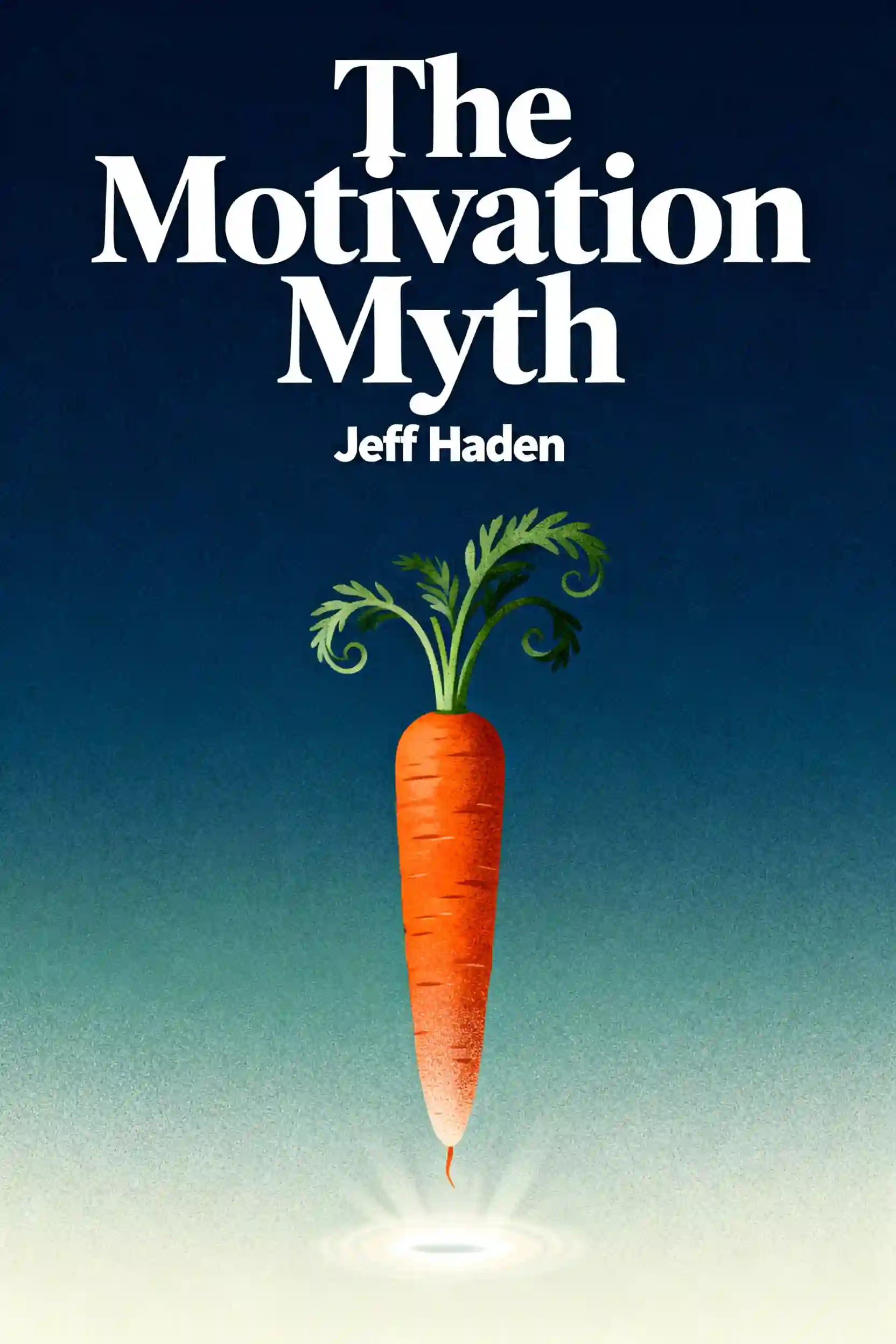
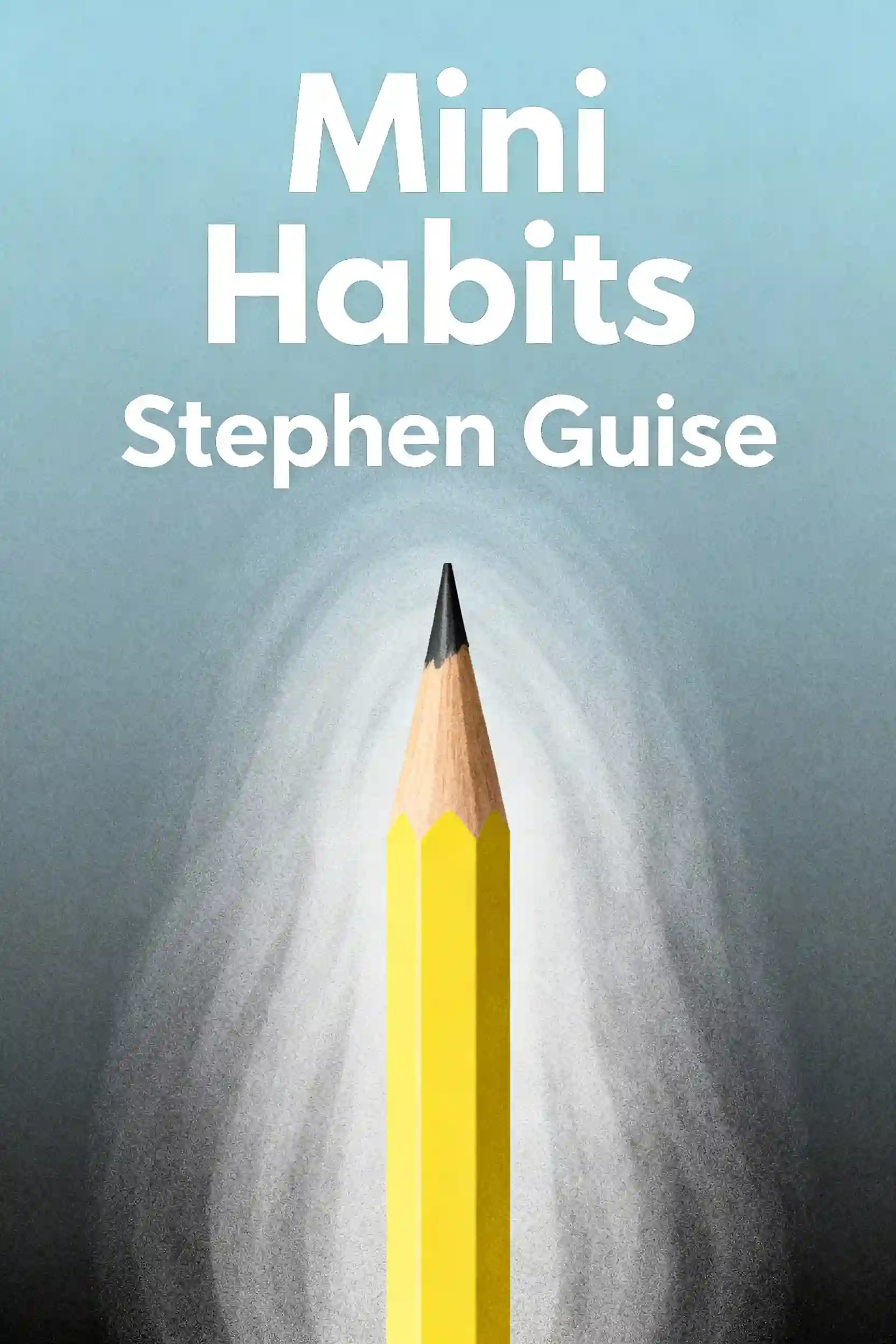




Frequently Asked Questions
Building self-discipline begins with small, manageable changes to your daily routine rather than an overnight overhaul. Focus on habit formation by setting clear, achievable goals and holding yourself accountable to them every day. By consistently practicing these small actions, you strengthen your willpower and create a foundation for long-term personal growth and productivity. Remember that discipline is like a muscle that grows stronger with regular exercise and persistence.
Motivation is the initial spark or feeling that drives you to start a task, but it can be fleeting and unreliable. In contrast, self-discipline is the ability to follow through on your commitments even when you don't feel motivated. While motivation gets you going, building discipline ensures you stay consistent over time. Mastering both allows you to utilize productivity tips effectively, ensuring that your progress doesn't stall when your initial enthusiasm fades.
To stay on track, implement practical productivity tips such as time-blocking your schedule and removing common distractions from your environment. Breaking large projects into smaller, actionable steps makes them less overwhelming and easier to tackle with discipline. Additionally, tracking your progress through habit formation apps or journals can provide the visual feedback needed to maintain momentum. These strategies help bridge the gap between wanting to be productive and actually achieving your personal growth goals.
Habit formation is the cornerstone of long-term success because it turns difficult tasks into automatic behaviors. When you automate your positive actions, you rely less on fleeting motivation and more on established routines. This shift reduces decision fatigue and makes it easier to maintain self-discipline throughout the day. By focusing on building healthy habits, you create a sustainable path toward personal growth that persists long after the initial excitement of a new goal has worn off.
From Columbia University alumni built in San Francisco
"Instead of endless scrolling, I just hit play on BeFreed. It saves me so much time."


"I never knew where to start with nonfiction—BeFreed’s book lists turned into podcasts gave me a clear path."


"Perfect balance between learning and entertainment. Finished ‘Thinking, Fast and Slow’ on my commute this week."
"Crazy how much I learned while walking the dog. BeFreed = small habits → big gains."
"Reading used to feel like a chore. Now it’s just part of my lifestyle."

"Feels effortless compared to reading. I’ve finished 6 books this month already."
"BeFreed turned my guilty doomscrolling into something that feels productive and inspiring."

"BeFreed turned my commute into learning time. 20-min podcasts are perfect for finishing books I never had time for."
"BeFreed replaced my podcast queue. Imagine Spotify for books — that’s it. 🙌"

"It is great for me to learn something from the book without reading it."
"The themed book list podcasts help me connect ideas across authors—like a guided audio journey."
"Makes me feel smarter every time before going to work"
From Columbia University alumni built in San Francisco
"Instead of endless scrolling, I just hit play on BeFreed. It saves me so much time."
"I never knew where to start with nonfiction—BeFreed’s book lists turned into podcasts gave me a clear path."
"Perfect balance between learning and entertainment. Finished ‘Thinking, Fast and Slow’ on my commute this week."
"Crazy how much I learned while walking the dog. BeFreed = small habits → big gains."
"Reading used to feel like a chore. Now it’s just part of my lifestyle."
"Feels effortless compared to reading. I’ve finished 6 books this month already."
"BeFreed turned my guilty doomscrolling into something that feels productive and inspiring."
"BeFreed turned my commute into learning time. 20-min podcasts are perfect for finishing books I never had time for."
"BeFreed replaced my podcast queue. Imagine Spotify for books — that’s it. 🙌"
"It is great for me to learn something from the book without reading it."
"The themed book list podcasts help me connect ideas across authors—like a guided audio journey."
"Makes me feel smarter every time before going to work"
"Instead of endless scrolling, I just hit play on BeFreed. It saves me so much time."
"I never knew where to start with nonfiction—BeFreed’s book lists turned into podcasts gave me a clear path."
"Perfect balance between learning and entertainment. Finished ‘Thinking, Fast and Slow’ on my commute this week."
"Crazy how much I learned while walking the dog. BeFreed = small habits → big gains."
"Reading used to feel like a chore. Now it’s just part of my lifestyle."
"Feels effortless compared to reading. I’ve finished 6 books this month already."
"BeFreed turned my guilty doomscrolling into something that feels productive and inspiring."
"BeFreed turned my commute into learning time. 20-min podcasts are perfect for finishing books I never had time for."
"BeFreed replaced my podcast queue. Imagine Spotify for books — that’s it. 🙌"
"It is great for me to learn something from the book without reading it."
"The themed book list podcasts help me connect ideas across authors—like a guided audio journey."
"Makes me feel smarter every time before going to work"
"Instead of endless scrolling, I just hit play on BeFreed. It saves me so much time."
"I never knew where to start with nonfiction—BeFreed’s book lists turned into podcasts gave me a clear path."
"Perfect balance between learning and entertainment. Finished ‘Thinking, Fast and Slow’ on my commute this week."
"Crazy how much I learned while walking the dog. BeFreed = small habits → big gains."
"Reading used to feel like a chore. Now it’s just part of my lifestyle."
"Feels effortless compared to reading. I’ve finished 6 books this month already."
"BeFreed turned my guilty doomscrolling into something that feels productive and inspiring."
"BeFreed turned my commute into learning time. 20-min podcasts are perfect for finishing books I never had time for."
"BeFreed replaced my podcast queue. Imagine Spotify for books — that’s it. 🙌"
"It is great for me to learn something from the book without reading it."
"The themed book list podcasts help me connect ideas across authors—like a guided audio journey."
"Makes me feel smarter every time before going to work"