The Moral Hygiene of Modern Leadership
Discover the psychological balance between task-oriented performance and human-centered influence. Learn how to navigate ethical dilemmas and master the relational skills needed to thrive as a new manager.

Best quote from The Moral Hygiene of Modern Leadership
Leadership is the difference between influence and authority. Authority is 'do this because I’m the boss,' but influence is 'I understand what motivates you, and I’m framing this in a way that resonates with your values.'
Generated by Adri
Relationship, leadership skills and communication skills, work ethic and boss skills psychology philosophy skills

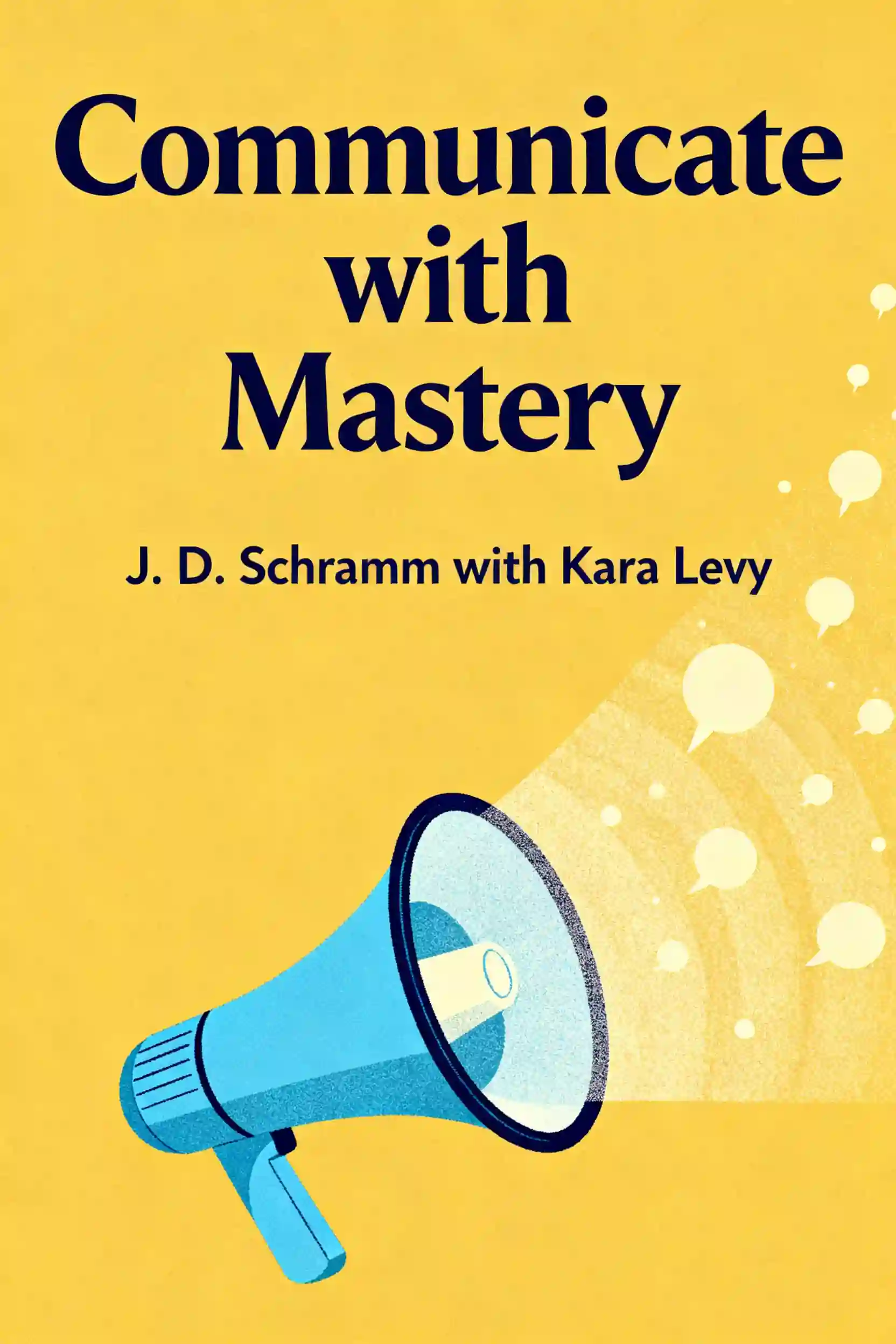
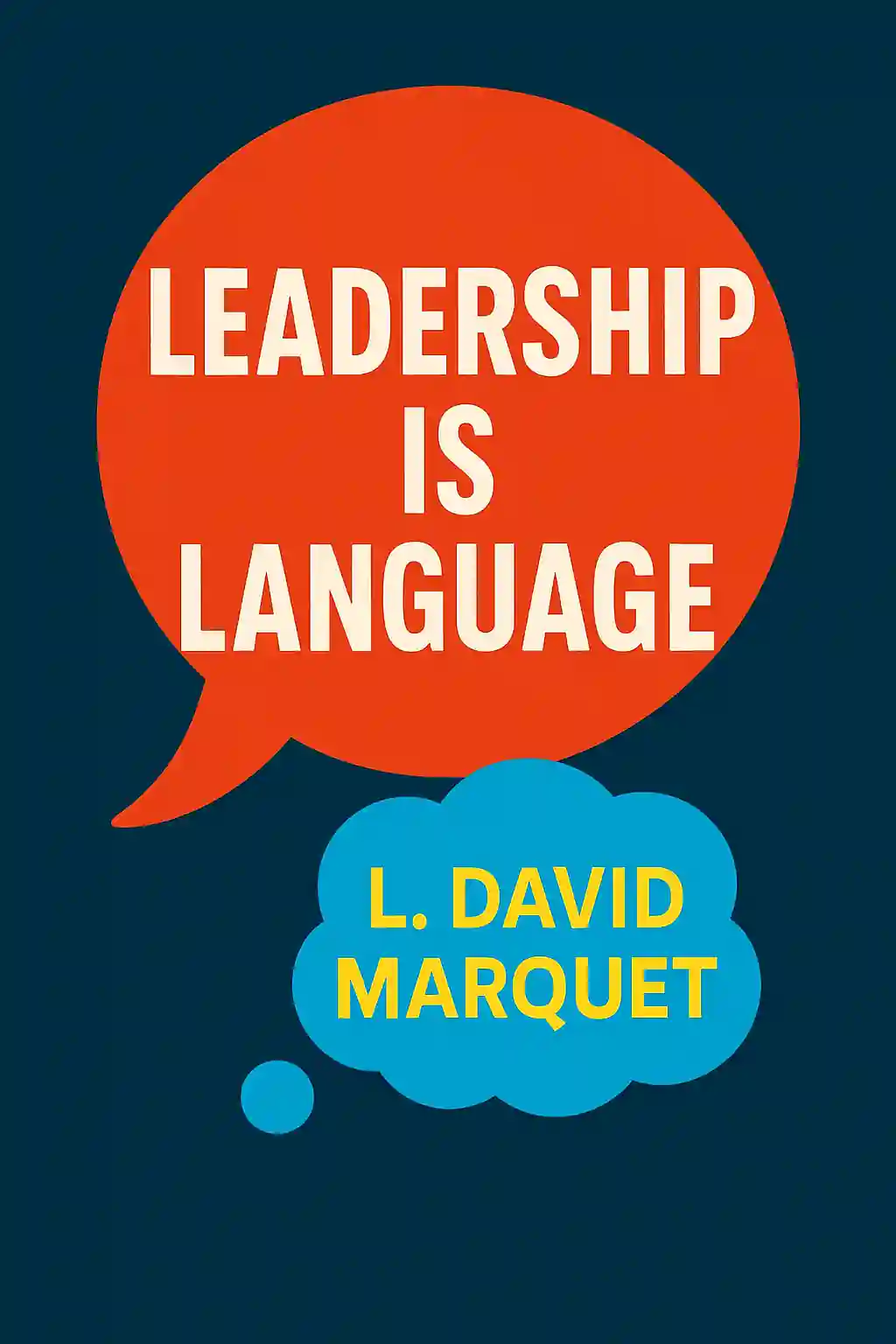

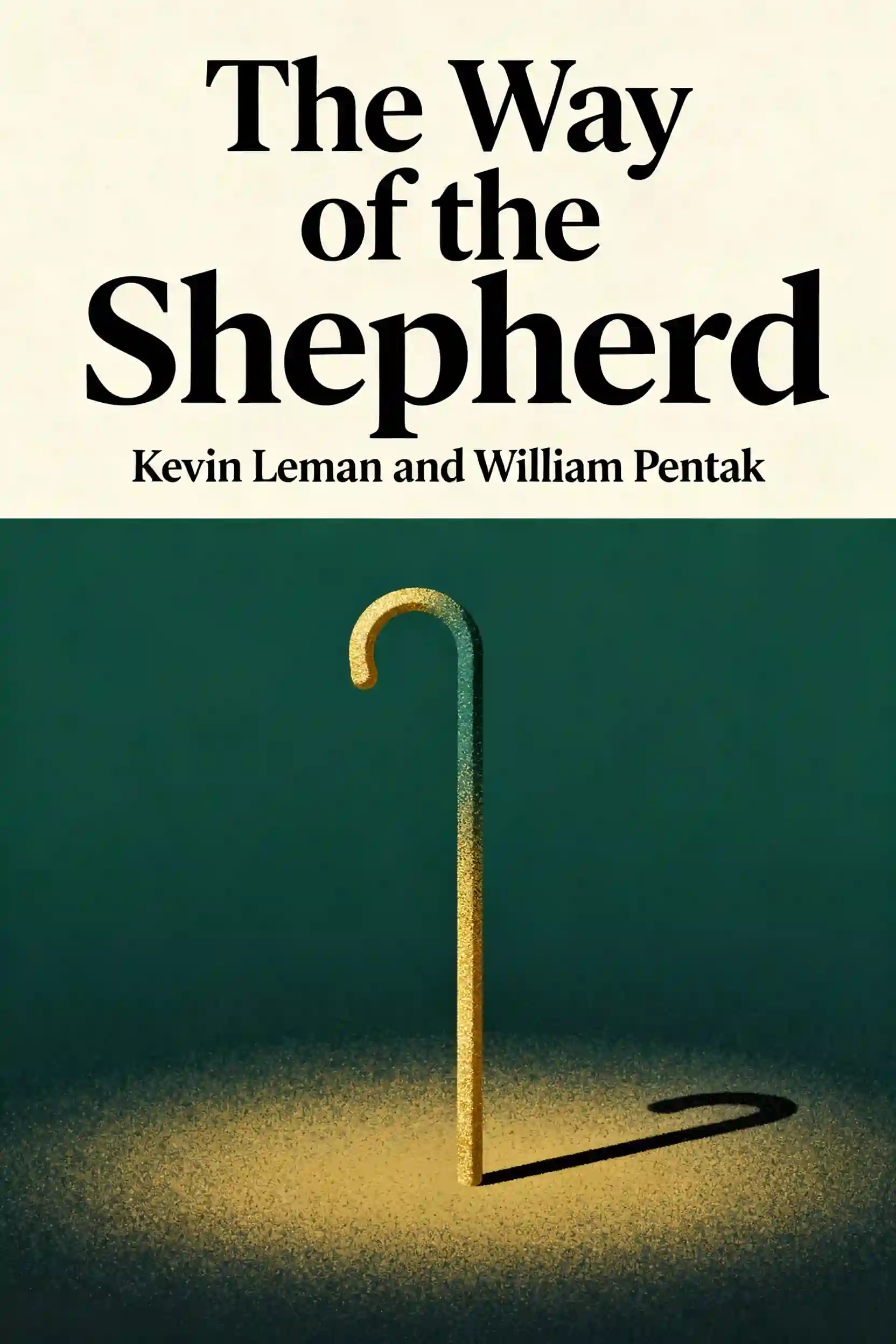
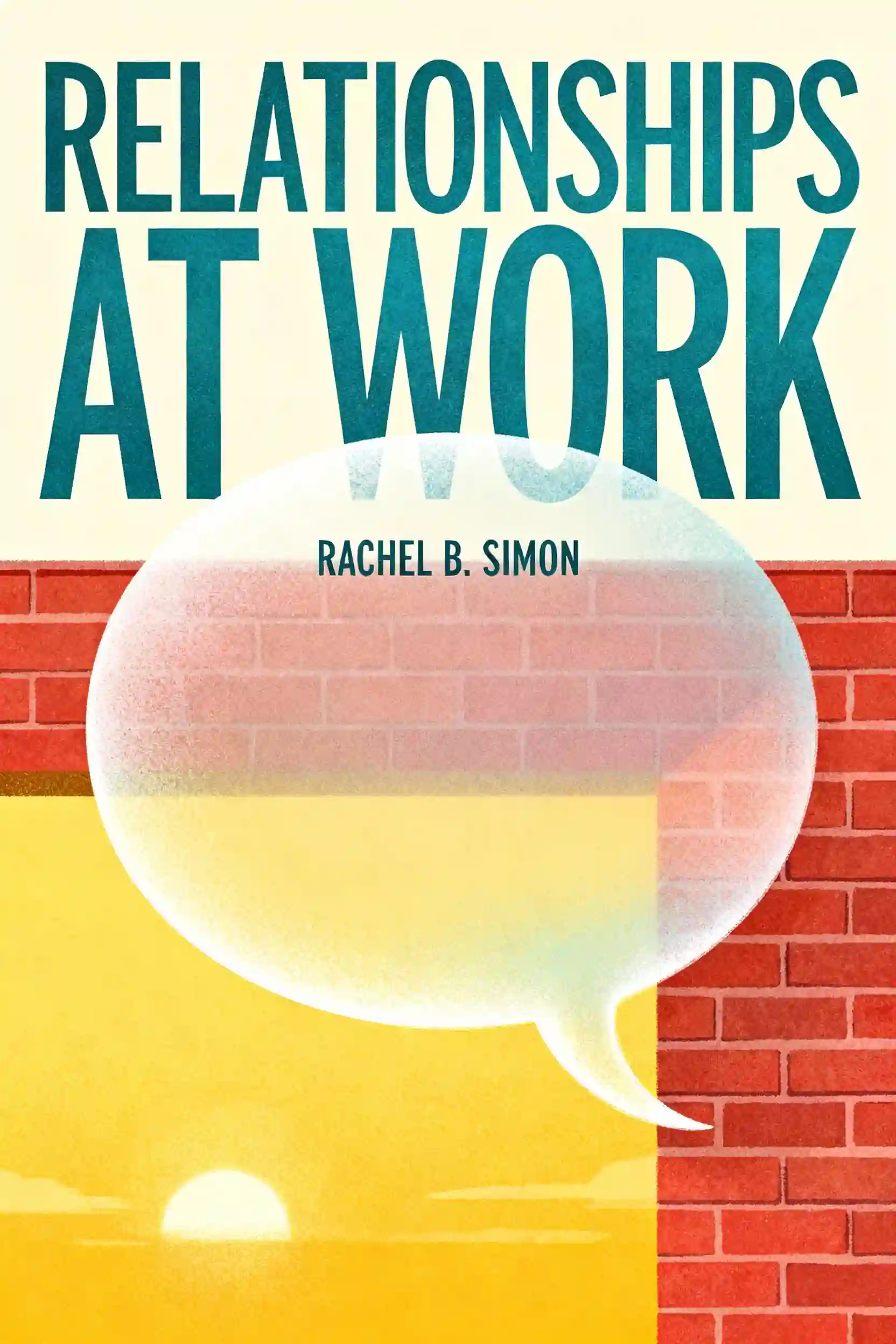
Frequently Asked Questions
Moral hygiene refers to the daily practice of maintaining ethical health and psychological flexibility within a leadership role. It involves balancing the "task-oriented" requirements of a job, such as meeting performance standards, with "relationship-oriented" duties, such as genuinely caring for the people behind the work. It suggests that ethical leadership is not a one-time achievement but a continuous process of checking blind spots, practicing self-awareness, and aligning one's actions with core values like honesty and compassion.
Self-Other Agreement is the gap between how a leader perceives their own behavior and how their team actually sees them. Research indicates that "perceptual alignment" is a major predictor of employee well-being; when a leader’s self-assessment matches the team's experience, it creates a sense of predictability and trust. Conversely, leaders who overestimate their emotional intelligence create a "Job Demand" for employees, who must then expend extra energy "managing up" and navigating the disconnect between the boss's self-image and reality.
The DiSC model serves as a tool for behavioral awareness, helping leaders understand the "default settings" of their team members. By recognizing whether an employee values directness and results (Dominance) or cooperation and support (Steadiness), a leader can "flex" their communication style to meet that person's needs. This reduces miscommunication and shifts the dynamic from using formal authority to building genuine influence, which leads to commitment rather than just grudging compliance.
These represent two different lenses for navigating complex leadership decisions where there is no clear right answer. A Deontological approach focuses on following established rules, duties, and obligations regardless of the specific outcome. In contrast, a Teleological approach is outcome-oriented, focusing on the "greatest good" or the final results of a decision. Ethical leaders often weigh these perspectives alongside Virtue Theory, which prioritizes having the character to do the right thing even when it is financially or organizationally painful.
Psychological safety is an environment where team members feel safe to take risks, speak up, and admit mistakes without fear of punishment or embarrassment. It is considered the "holy grail" of high-performing teams because it fosters innovation and learning. Leaders can cultivate this by moving from a "know-it-all" to a "learn-it-all" mindset, practicing active listening, and showing vulnerability through "unanticipated apologies" when they make mistakes.
From Columbia University alumni built in San Francisco
"Instead of endless scrolling, I just hit play on BeFreed. It saves me so much time."


"I never knew where to start with nonfiction—BeFreed’s book lists turned into podcasts gave me a clear path."


"Perfect balance between learning and entertainment. Finished ‘Thinking, Fast and Slow’ on my commute this week."
"Crazy how much I learned while walking the dog. BeFreed = small habits → big gains."
"Reading used to feel like a chore. Now it’s just part of my lifestyle."

"Feels effortless compared to reading. I’ve finished 6 books this month already."
"BeFreed turned my guilty doomscrolling into something that feels productive and inspiring."

"BeFreed turned my commute into learning time. 20-min podcasts are perfect for finishing books I never had time for."
"BeFreed replaced my podcast queue. Imagine Spotify for books — that’s it. 🙌"

"It is great for me to learn something from the book without reading it."
"The themed book list podcasts help me connect ideas across authors—like a guided audio journey."
"Makes me feel smarter every time before going to work"
From Columbia University alumni built in San Francisco
"Instead of endless scrolling, I just hit play on BeFreed. It saves me so much time."
"I never knew where to start with nonfiction—BeFreed’s book lists turned into podcasts gave me a clear path."
"Perfect balance between learning and entertainment. Finished ‘Thinking, Fast and Slow’ on my commute this week."
"Crazy how much I learned while walking the dog. BeFreed = small habits → big gains."
"Reading used to feel like a chore. Now it’s just part of my lifestyle."
"Feels effortless compared to reading. I’ve finished 6 books this month already."
"BeFreed turned my guilty doomscrolling into something that feels productive and inspiring."
"BeFreed turned my commute into learning time. 20-min podcasts are perfect for finishing books I never had time for."
"BeFreed replaced my podcast queue. Imagine Spotify for books — that’s it. 🙌"
"It is great for me to learn something from the book without reading it."
"The themed book list podcasts help me connect ideas across authors—like a guided audio journey."
"Makes me feel smarter every time before going to work"
"Instead of endless scrolling, I just hit play on BeFreed. It saves me so much time."
"I never knew where to start with nonfiction—BeFreed’s book lists turned into podcasts gave me a clear path."
"Perfect balance between learning and entertainment. Finished ‘Thinking, Fast and Slow’ on my commute this week."
"Crazy how much I learned while walking the dog. BeFreed = small habits → big gains."
"Reading used to feel like a chore. Now it’s just part of my lifestyle."
"Feels effortless compared to reading. I’ve finished 6 books this month already."
"BeFreed turned my guilty doomscrolling into something that feels productive and inspiring."
"BeFreed turned my commute into learning time. 20-min podcasts are perfect for finishing books I never had time for."
"BeFreed replaced my podcast queue. Imagine Spotify for books — that’s it. 🙌"
"It is great for me to learn something from the book without reading it."
"The themed book list podcasts help me connect ideas across authors—like a guided audio journey."
"Makes me feel smarter every time before going to work"
"Instead of endless scrolling, I just hit play on BeFreed. It saves me so much time."
"I never knew where to start with nonfiction—BeFreed’s book lists turned into podcasts gave me a clear path."
"Perfect balance between learning and entertainment. Finished ‘Thinking, Fast and Slow’ on my commute this week."
"Crazy how much I learned while walking the dog. BeFreed = small habits → big gains."
"Reading used to feel like a chore. Now it’s just part of my lifestyle."
"Feels effortless compared to reading. I’ve finished 6 books this month already."
"BeFreed turned my guilty doomscrolling into something that feels productive and inspiring."
"BeFreed turned my commute into learning time. 20-min podcasts are perfect for finishing books I never had time for."
"BeFreed replaced my podcast queue. Imagine Spotify for books — that’s it. 🙌"
"It is great for me to learn something from the book without reading it."
"The themed book list podcasts help me connect ideas across authors—like a guided audio journey."
"Makes me feel smarter every time before going to work"