The Internal Family: Mapping Sub-Personalities with IFS
Explore Internal Family Systems (IFS) to map your sub-personalities. Learn how viewing your mind as distinct parts can boost self-acceptance and empathy.

Best quote from The Internal Family: Mapping Sub-Personalities with IFS
The shift from 'I am' to 'I have' is the foundation of self-compassion. Once you stop seeing yourself as a single, flawed unit and start seeing these 'parts,' you realize that even your most destructive behaviors are actually coming from protectors desperately trying to keep you safe.

This audio lesson was created by a BeFreed community member
This lesson is part of the learning plan: 'The Science of Self-Acceptance'. Lesson topic: The Internal Family: Mapping Your Sub-Personalities Overview: Struggling with self-acceptance? By identifying your 'protectors' and 'exiles,' you can transform vague emotions into clear, manageable relationships. Key insights to cover in order: 1. The mind is naturally composed of multiple 'parts' or sub-personalities, each with its own unique temperament and history. 2. Internal Family Systems (IFS) categorizes these parts into 'protectors' who manage your world and 'exiles' who carry past pain. 3. Self-acceptance becomes significantly easier when you relate to specific sub-personalities rather than trying to accept vague, overwhelming feelings. Listener profile: - Learning goal: develop self love and acceptance - Background knowledge: I have read self help books related to self love practices. - Guidance: Build on existing self help knowledge with practical exercises and deeper psychological frameworks for self acceptance. Tailor examples, pacing, and depth to this listener. Avoid analogies or references that assume knowledge outside this listener's profile.





Frequently Asked Questions
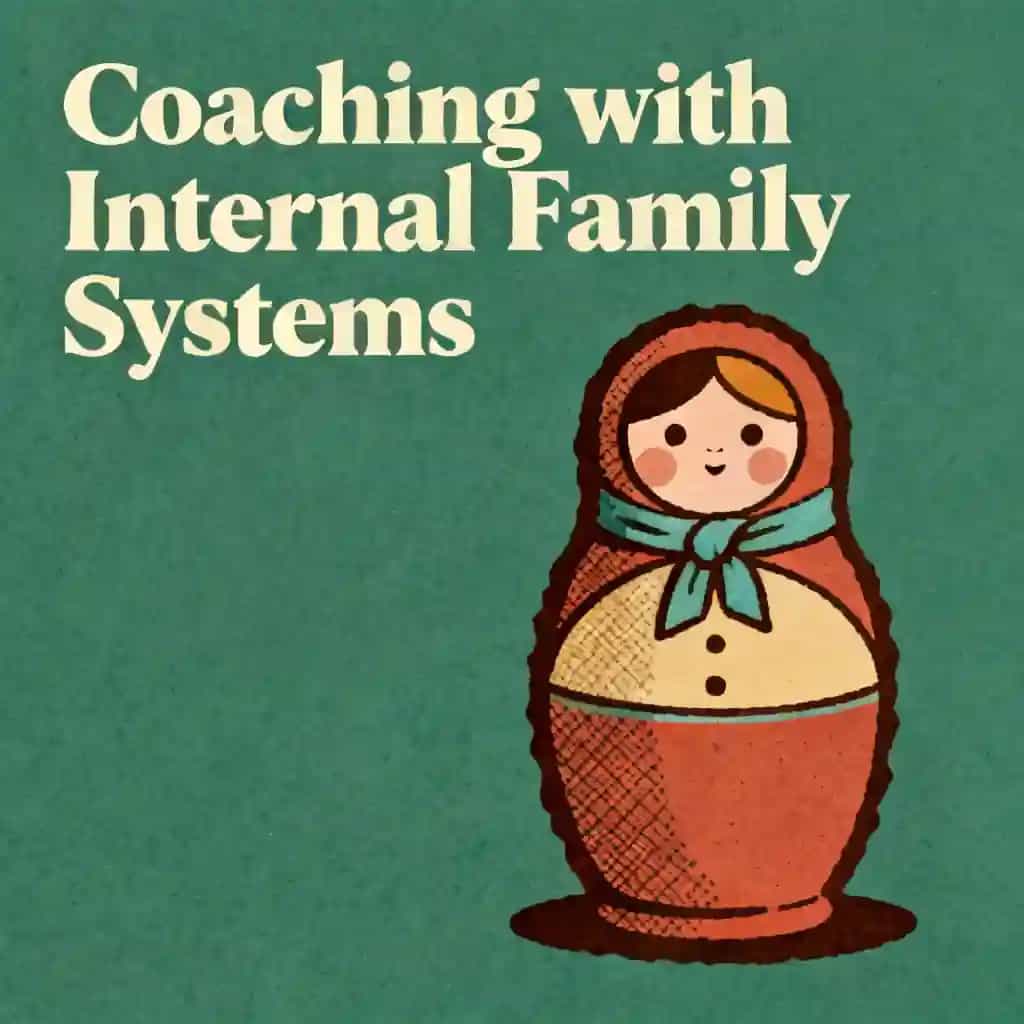
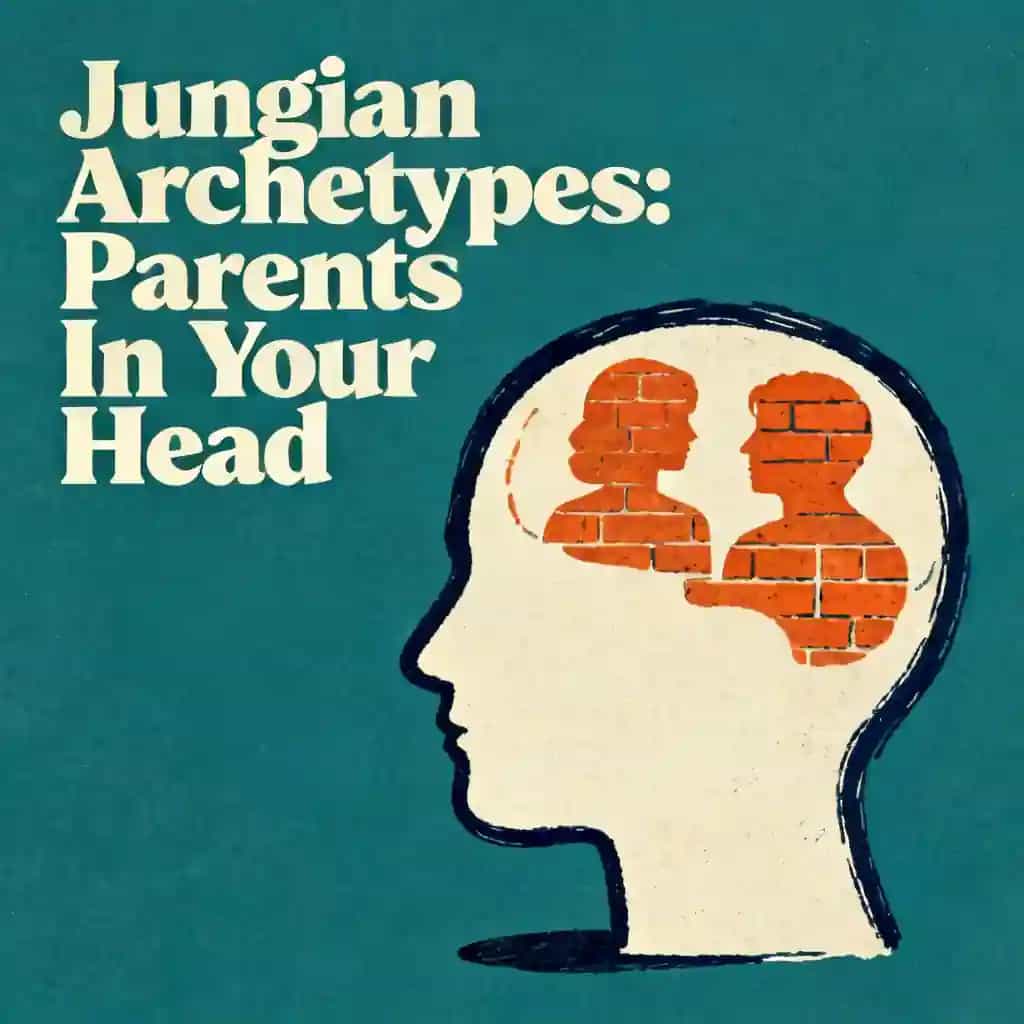
Internal Family Systems, or IFS, is a breakthrough concept suggesting that the human mind is not a single, solid unit but is naturally composed of multiple sub-personalities or parts. Instead of viewing yourself as a flawed individual, IFS helps you see these distinct mental parts as a family living under one roof. This perspective shift allows you to understand that specific traits or memories are held by different parts rather than defining your entire identity.
Mapping your sub-personalities helps move away from a vague sense of being 'bad' or 'stressed' toward a clearer understanding of your internal landscape. For example, a harsh inner critic is viewed as a specific sub-personality trying to do a job rather than being your core identity. By relating to these specific parts instead of trying to accept a blurry soup of emotions, you unlock the secret to genuine self-love and self-acceptance.
Yes, research indicates that learning to view your own mental states as distinct parts acts like exercise for your empathy muscles. When you develop the ability to take this perspective on yourself, you actually become better at understanding other people as well. This process of mapping sub-personalities through Internal Family Systems enhances your overall emotional intelligence and makes it easier to relate to the complex internal lives of those around you.
Discover more

Ifs no bad part
Ifs no bad part
This learning plan is essential for individuals seeking to resolve internal conflict and heal from past trauma through the Internal Family Systems (IFS) framework. It is ideal for anyone struggling with a harsh inner critic or those wanting to transition from self-rejection to compassionate Self-leadership.

Knowing my self
Knowing my self
In an era of constant distraction, understanding one's internal landscape is essential for emotional resilience and personal growth. This plan is designed for individuals seeking to transition from reactive living to a life of conscious, value-driven authenticity.

Self, Love, Relationships & Human Psychology
Self, Love, Relationships & Human Psychology
Understanding the intersection of internal psychology and external relationships is essential for navigating modern life. This plan is ideal for individuals seeking to improve their emotional intelligence, master the mechanics of human connection, and drive lasting personal transformation.
Align intimacy needs and personal identities
Align intimacy needs and personal identities
This plan is designed for individuals seeking to bridge the gap between their private sense of self and their romantic life. It is ideal for anyone feeling disconnected in relationships or struggling with repetitive attachment patterns that hinder authentic intimacy.
Shift Identity, Self-Image & Communication
Shift Identity, Self-Image & Communication
This plan is essential for professionals and individuals feeling held back by old labels or social anxiety. It provides a psychological roadmap for anyone looking to reinvent their public persona and master the art of high-stakes interpersonal influence.
Move through constant self-doubt patterns
Move through constant self-doubt patterns
This plan is essential for professionals and creatives who feel held back by persistent imposter syndrome or a harsh inner critic. It provides a structured path to transition from paralyzing hesitation to decisive action by building emotional resilience and self-compassion.
i struggle with emotional availability
i struggle with emotional availability
This plan is designed for individuals who feel disconnected or guarded in their personal relationships despite a desire for closeness. It provides a structured roadmap to move from self-protection to authentic vulnerability by addressing the root causes of emotional distance.

More introspection and self reflection
More introspection and self reflection
In an increasingly distracted world, the ability to look inward is a vital skill for personal growth and emotional intelligence. This plan is designed for individuals seeking to move beyond surface-level habits into deep psychological integration and conscious mastery of their inner lives.
From Columbia University alumni built in San Francisco
"Instead of endless scrolling, I just hit play on BeFreed. It saves me so much time."


"I never knew where to start with nonfiction—BeFreed’s book lists turned into podcasts gave me a clear path."


"Perfect balance between learning and entertainment. Finished ‘Thinking, Fast and Slow’ on my commute this week."
"Crazy how much I learned while walking the dog. BeFreed = small habits → big gains."
"Reading used to feel like a chore. Now it’s just part of my lifestyle."

"Feels effortless compared to reading. I’ve finished 6 books this month already."
"BeFreed turned my guilty doomscrolling into something that feels productive and inspiring."

"BeFreed turned my commute into learning time. 20-min podcasts are perfect for finishing books I never had time for."
"BeFreed replaced my podcast queue. Imagine Spotify for books — that’s it. 🙌"

"It is great for me to learn something from the book without reading it."
"The themed book list podcasts help me connect ideas across authors—like a guided audio journey."
"Makes me feel smarter every time before going to work"
From Columbia University alumni built in San Francisco
"Instead of endless scrolling, I just hit play on BeFreed. It saves me so much time."
"I never knew where to start with nonfiction—BeFreed’s book lists turned into podcasts gave me a clear path."
"Perfect balance between learning and entertainment. Finished ‘Thinking, Fast and Slow’ on my commute this week."
"Crazy how much I learned while walking the dog. BeFreed = small habits → big gains."
"Reading used to feel like a chore. Now it’s just part of my lifestyle."
"Feels effortless compared to reading. I’ve finished 6 books this month already."
"BeFreed turned my guilty doomscrolling into something that feels productive and inspiring."
"BeFreed turned my commute into learning time. 20-min podcasts are perfect for finishing books I never had time for."
"BeFreed replaced my podcast queue. Imagine Spotify for books — that’s it. 🙌"
"It is great for me to learn something from the book without reading it."
"The themed book list podcasts help me connect ideas across authors—like a guided audio journey."
"Makes me feel smarter every time before going to work"
"Instead of endless scrolling, I just hit play on BeFreed. It saves me so much time."
"I never knew where to start with nonfiction—BeFreed’s book lists turned into podcasts gave me a clear path."
"Perfect balance between learning and entertainment. Finished ‘Thinking, Fast and Slow’ on my commute this week."
"Crazy how much I learned while walking the dog. BeFreed = small habits → big gains."
"Reading used to feel like a chore. Now it’s just part of my lifestyle."
"Feels effortless compared to reading. I’ve finished 6 books this month already."
"BeFreed turned my guilty doomscrolling into something that feels productive and inspiring."
"BeFreed turned my commute into learning time. 20-min podcasts are perfect for finishing books I never had time for."
"BeFreed replaced my podcast queue. Imagine Spotify for books — that’s it. 🙌"
"It is great for me to learn something from the book without reading it."
"The themed book list podcasts help me connect ideas across authors—like a guided audio journey."
"Makes me feel smarter every time before going to work"
"Instead of endless scrolling, I just hit play on BeFreed. It saves me so much time."
"I never knew where to start with nonfiction—BeFreed’s book lists turned into podcasts gave me a clear path."
"Perfect balance between learning and entertainment. Finished ‘Thinking, Fast and Slow’ on my commute this week."
"Crazy how much I learned while walking the dog. BeFreed = small habits → big gains."
"Reading used to feel like a chore. Now it’s just part of my lifestyle."
"Feels effortless compared to reading. I’ve finished 6 books this month already."
"BeFreed turned my guilty doomscrolling into something that feels productive and inspiring."
"BeFreed turned my commute into learning time. 20-min podcasts are perfect for finishing books I never had time for."
"BeFreed replaced my podcast queue. Imagine Spotify for books — that’s it. 🙌"
"It is great for me to learn something from the book without reading it."
"The themed book list podcasts help me connect ideas across authors—like a guided audio journey."
"Makes me feel smarter every time before going to work"