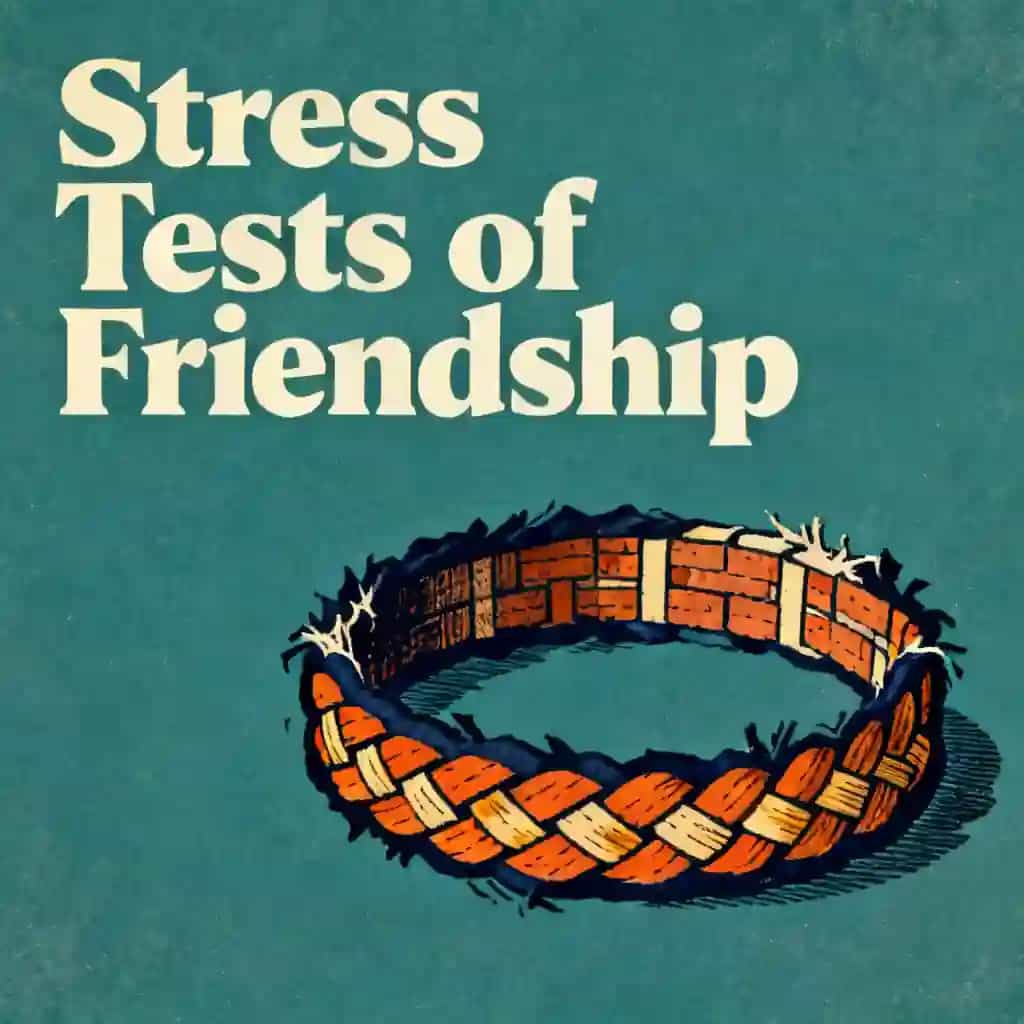
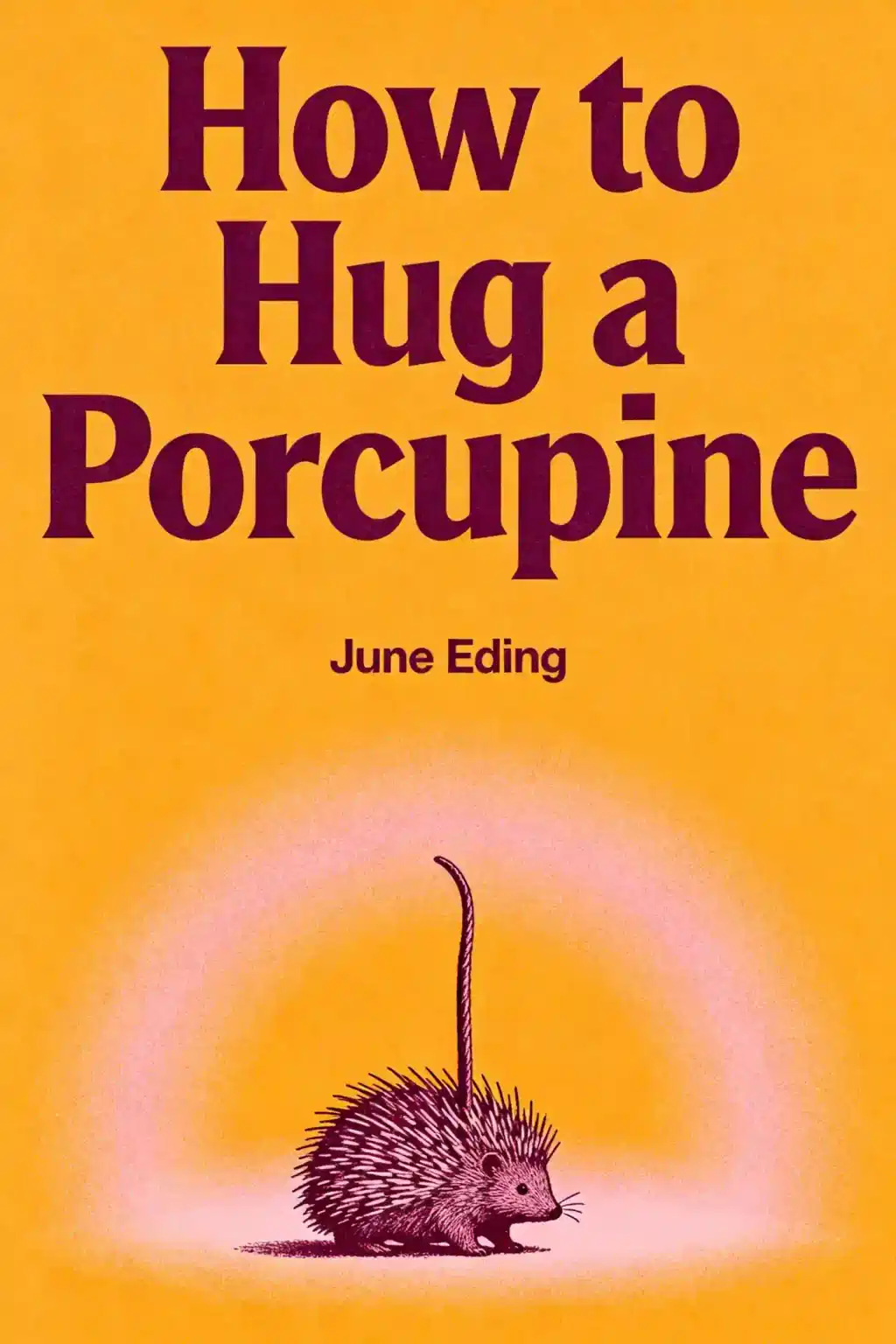
The Hidden Scoreboard in Friendships: Social Comparison Theory
Explore the psychology of competitive friendships and Social Comparison Theory. Learn why friends may feel threatened by your success and how to spot the hidden scoreboard.

Best quote from The Hidden Scoreboard in Friendships: Social Comparison Theory
A solid friendship should be able to survive uneven seasons where one person is thriving and the other isn't. If they can only be around you when you're struggling, that's not a friend; that's someone who likes the view from above you.
Generated by Stephanie
How do you deal with friends that act like they are in competition with you, and always try to be better than you. They try to always make themselves the center of attention and steal the spot light even if you’re getting attention. it makes you feel like you have to hide things from them or not be your true self.






Frequently Asked Questions
The hidden scoreboard refers to a dynamic where a friendship becomes a secret competition. Instead of celebrating your wins, a friend might view your success as their personal loss, keeping a running tally of achievements. This often results in you feeling the need to dim your light or hide your accomplishments to keep the peace, as your joy is perceived as a direct hit to their ego.
Social Comparison Theory is the innate psychological drive to assess our own value by looking at the people around us. In the context of friendship, this can turn toxic if a friend constantly measures their worth against your milestones. Research indicates that people often feel threatened when someone close to them excels in an area they personally value, leading to a sense of competition rather than support.
Feeling smaller after sharing success often happens when a friend uses Social Comparison Theory to evaluate your news. Instead of cheering for you, they may react in a way that 'vacuum-seals' your joy into a tiny box because they feel threatened by your achievement. This ego threat occurs because your success highlights an area where they feel they are falling behind on the hidden scoreboard of the relationship.
While Social Comparison Theory suggests that comparing ourselves to others is a natural human drive, it becomes problematic when it creates a competitive friendship. When a friend views your 'bright balloon of joy' as something to pop, the relationship is no longer a safe space. Understanding the psychology behind these ego threats can help you identify if a friend is truly cheering for you or just checking to see if you are still behind them.
From Columbia University alumni built in San Francisco
"Instead of endless scrolling, I just hit play on BeFreed. It saves me so much time."


"I never knew where to start with nonfiction—BeFreed’s book lists turned into podcasts gave me a clear path."


"Perfect balance between learning and entertainment. Finished ‘Thinking, Fast and Slow’ on my commute this week."
"Crazy how much I learned while walking the dog. BeFreed = small habits → big gains."
"Reading used to feel like a chore. Now it’s just part of my lifestyle."

"Feels effortless compared to reading. I’ve finished 6 books this month already."
"BeFreed turned my guilty doomscrolling into something that feels productive and inspiring."

"BeFreed turned my commute into learning time. 20-min podcasts are perfect for finishing books I never had time for."
"BeFreed replaced my podcast queue. Imagine Spotify for books — that’s it. 🙌"

"It is great for me to learn something from the book without reading it."
"The themed book list podcasts help me connect ideas across authors—like a guided audio journey."
"Makes me feel smarter every time before going to work"
From Columbia University alumni built in San Francisco
"Instead of endless scrolling, I just hit play on BeFreed. It saves me so much time."
"I never knew where to start with nonfiction—BeFreed’s book lists turned into podcasts gave me a clear path."
"Perfect balance between learning and entertainment. Finished ‘Thinking, Fast and Slow’ on my commute this week."
"Crazy how much I learned while walking the dog. BeFreed = small habits → big gains."
"Reading used to feel like a chore. Now it’s just part of my lifestyle."
"Feels effortless compared to reading. I’ve finished 6 books this month already."
"BeFreed turned my guilty doomscrolling into something that feels productive and inspiring."
"BeFreed turned my commute into learning time. 20-min podcasts are perfect for finishing books I never had time for."
"BeFreed replaced my podcast queue. Imagine Spotify for books — that’s it. 🙌"
"It is great for me to learn something from the book without reading it."
"The themed book list podcasts help me connect ideas across authors—like a guided audio journey."
"Makes me feel smarter every time before going to work"
"Instead of endless scrolling, I just hit play on BeFreed. It saves me so much time."
"I never knew where to start with nonfiction—BeFreed’s book lists turned into podcasts gave me a clear path."
"Perfect balance between learning and entertainment. Finished ‘Thinking, Fast and Slow’ on my commute this week."
"Crazy how much I learned while walking the dog. BeFreed = small habits → big gains."
"Reading used to feel like a chore. Now it’s just part of my lifestyle."
"Feels effortless compared to reading. I’ve finished 6 books this month already."
"BeFreed turned my guilty doomscrolling into something that feels productive and inspiring."
"BeFreed turned my commute into learning time. 20-min podcasts are perfect for finishing books I never had time for."
"BeFreed replaced my podcast queue. Imagine Spotify for books — that’s it. 🙌"
"It is great for me to learn something from the book without reading it."
"The themed book list podcasts help me connect ideas across authors—like a guided audio journey."
"Makes me feel smarter every time before going to work"
"Instead of endless scrolling, I just hit play on BeFreed. It saves me so much time."
"I never knew where to start with nonfiction—BeFreed’s book lists turned into podcasts gave me a clear path."
"Perfect balance between learning and entertainment. Finished ‘Thinking, Fast and Slow’ on my commute this week."
"Crazy how much I learned while walking the dog. BeFreed = small habits → big gains."
"Reading used to feel like a chore. Now it’s just part of my lifestyle."
"Feels effortless compared to reading. I’ve finished 6 books this month already."
"BeFreed turned my guilty doomscrolling into something that feels productive and inspiring."
"BeFreed turned my commute into learning time. 20-min podcasts are perfect for finishing books I never had time for."
"BeFreed replaced my podcast queue. Imagine Spotify for books — that’s it. 🙌"
"It is great for me to learn something from the book without reading it."
"The themed book list podcasts help me connect ideas across authors—like a guided audio journey."
"Makes me feel smarter every time before going to work"