
The Hidden Risks of Modern Economic Theory
Explore the critical counterpoints to monetary sovereignty, from the 'money illusion' to the structural limitations of institutional plumbing and inflation risks.
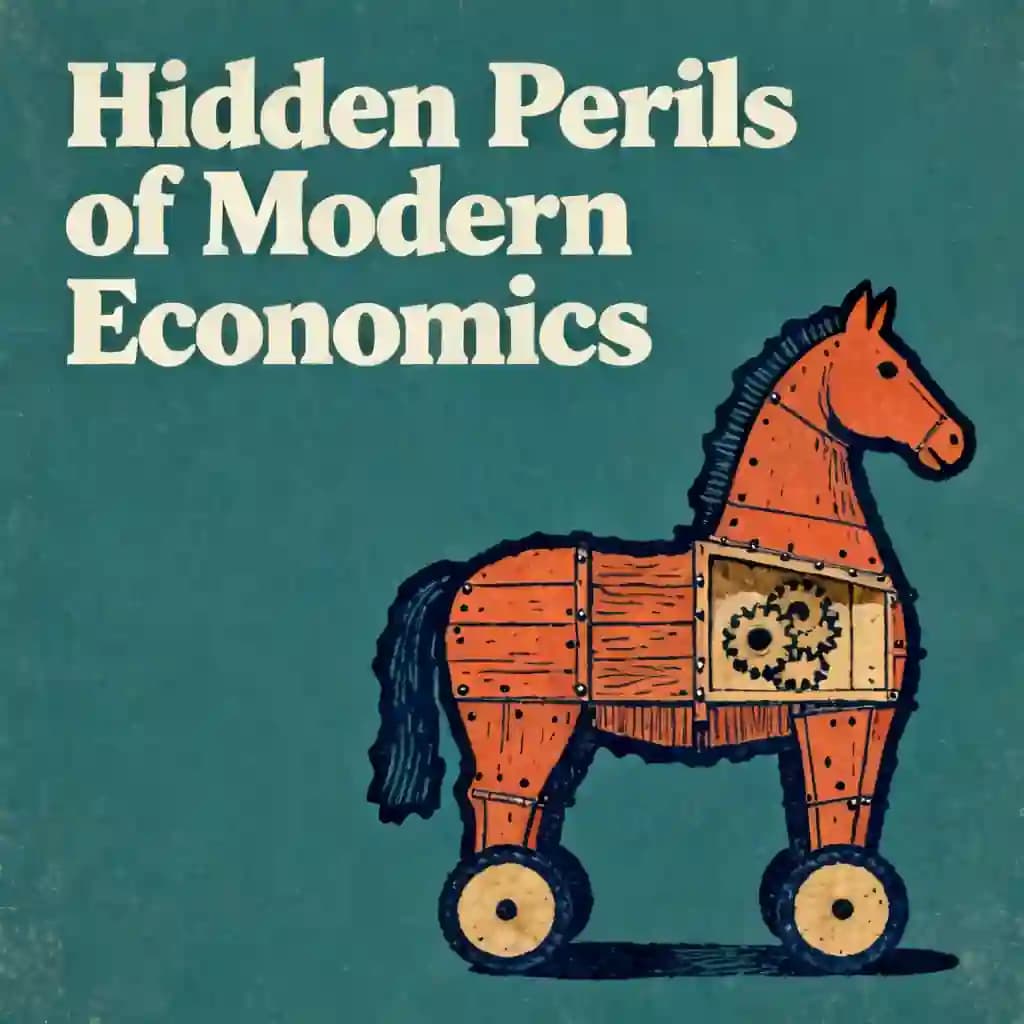
Best quote from The Hidden Risks of Modern Economic Theory
The theory reminds us that we have more power than we think to shape our economy, but the critics remind us that power always comes with responsibility—and very real constraints. Even if the money is 'created,' the labor and the materials are being taken from somewhere else.
Generated by Rick
I just read a story on modern economic theory. Can you tell me the counter points to it

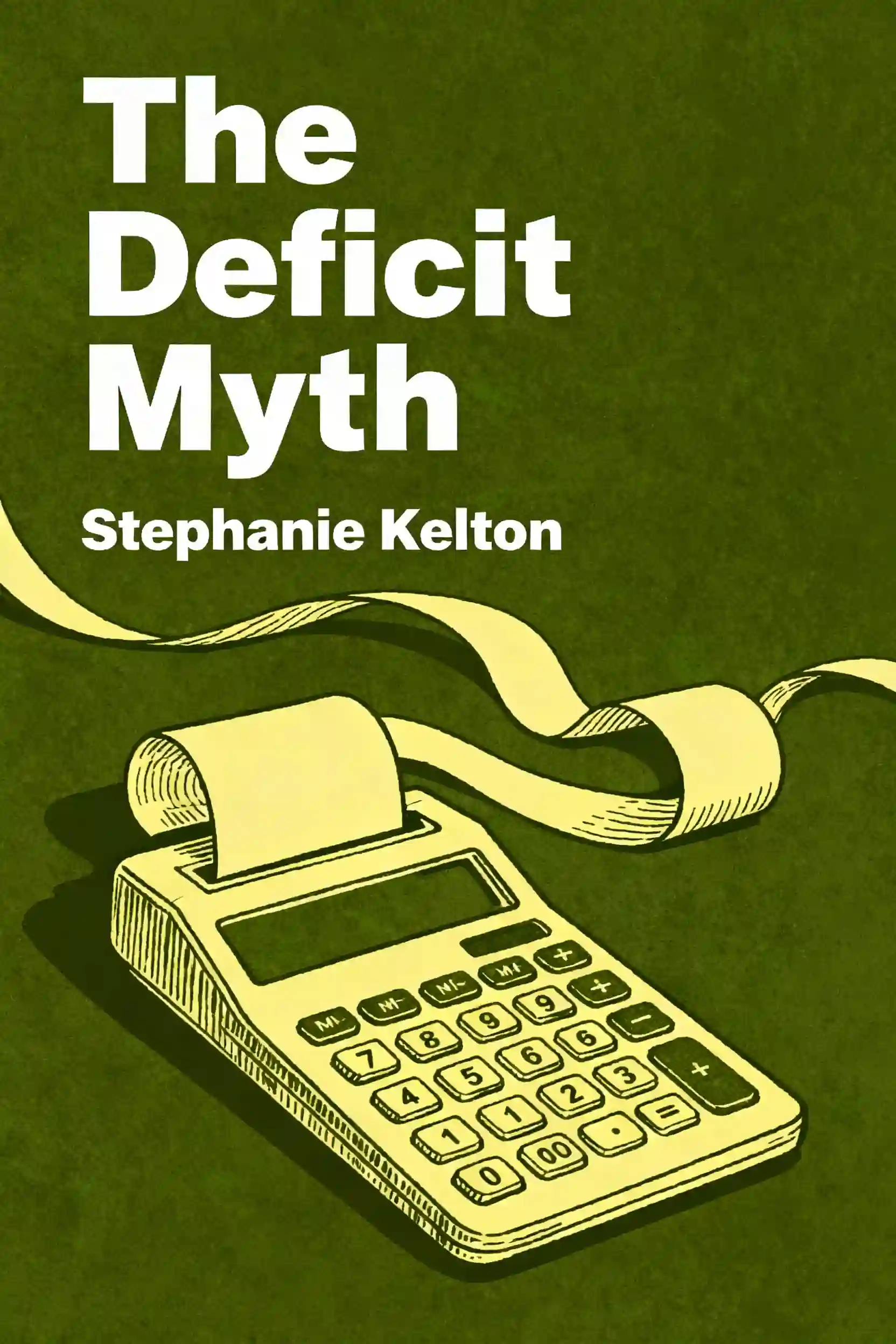
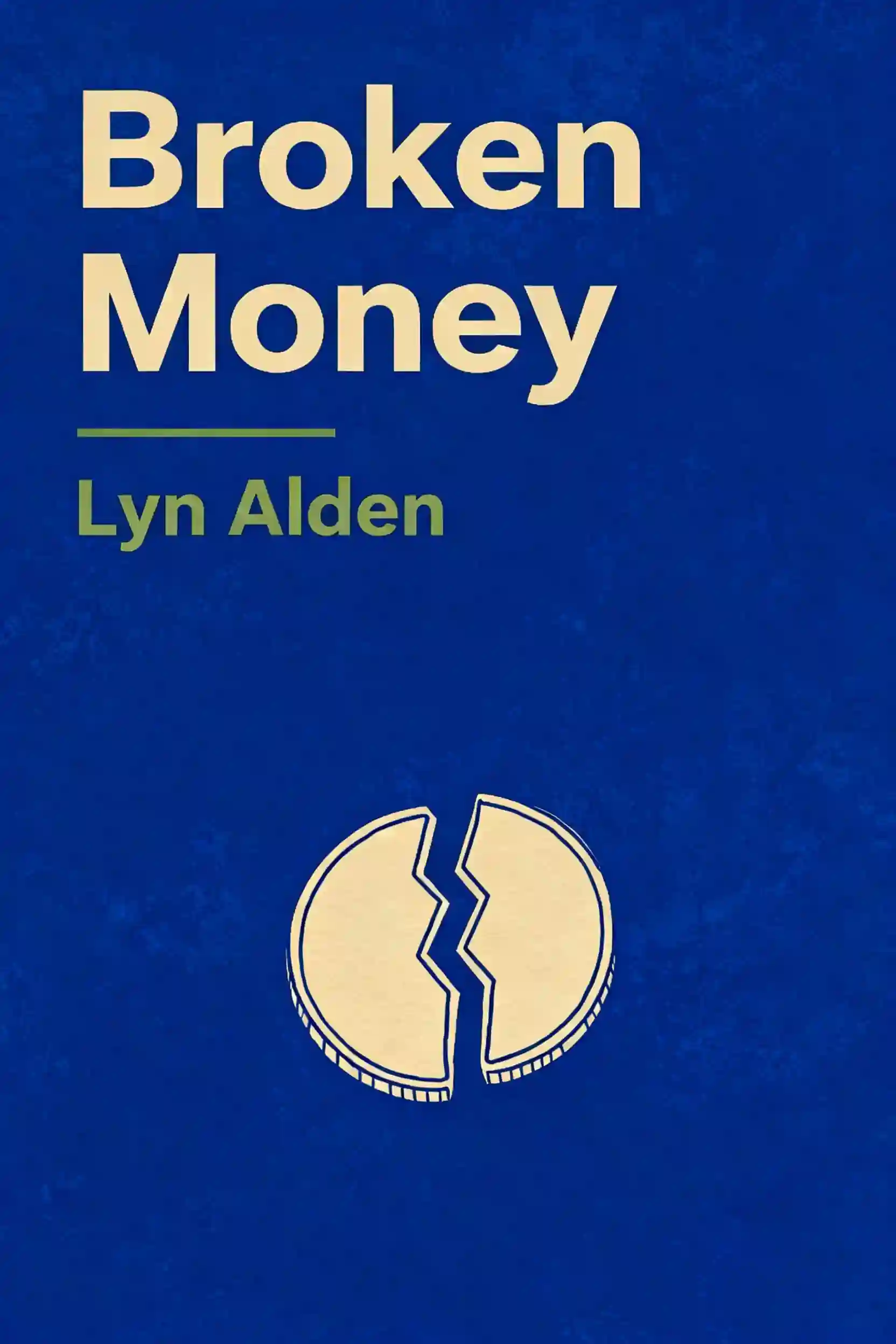
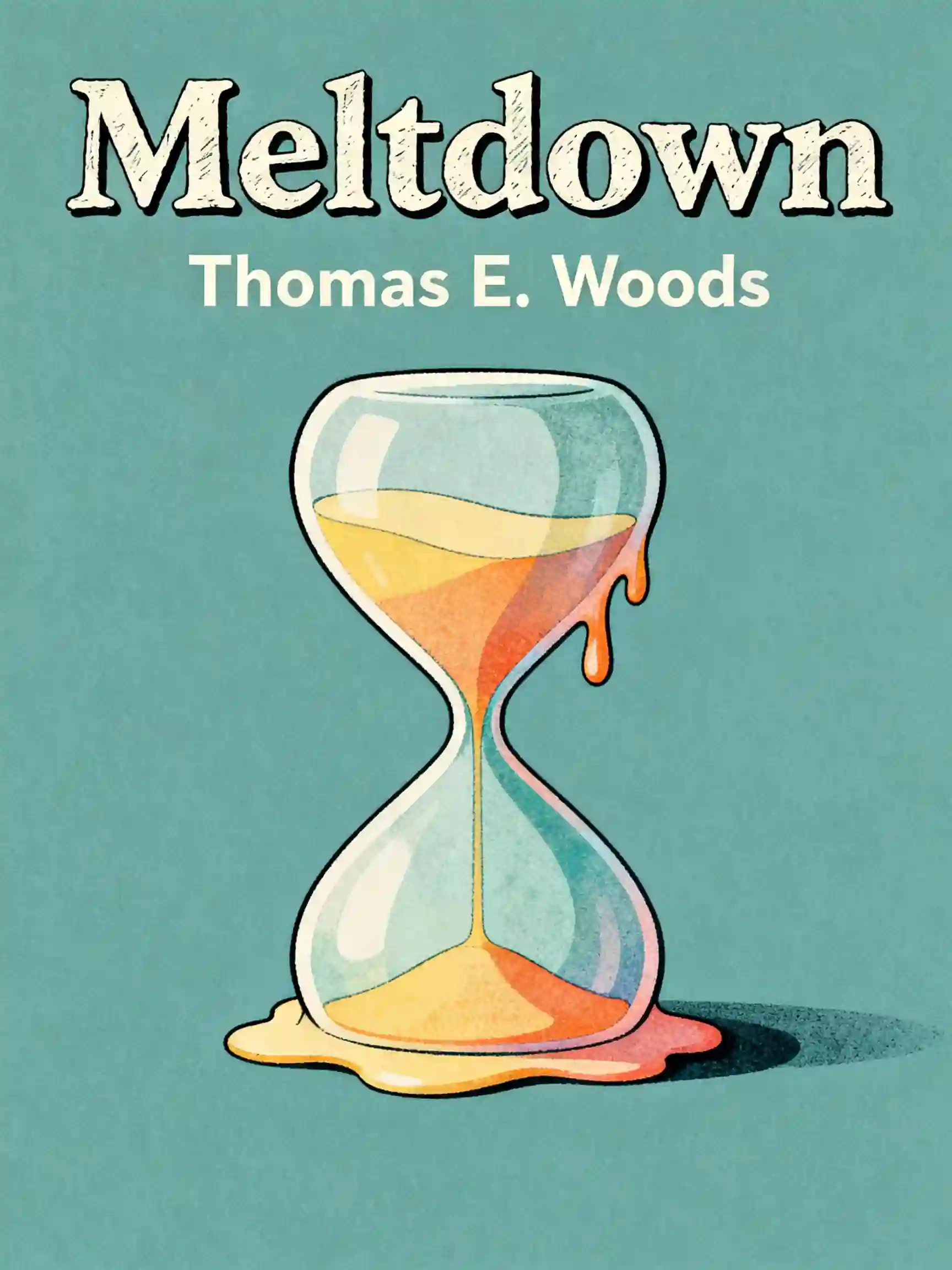
Frequently Asked Questions
The consolidation assumption is the idea that the Treasury and the Federal Reserve act as a single, unified entity. Critics argue this is a dangerous illusion because it ignores the "institutional plumbing" designed to keep the central bank independent. In the U.S., this independence acts as a crucial check and balance; if the Fed simply becomes an arm of the Treasury, politicians might be tempted to use the "digital printing press" to fund projects for political gain rather than economic health, leading to a "political business cycle."
While some theories suggest that the government can simply raise taxes to "suck money out" of the economy when inflation spikes, critics point to significant "inside and outside lags." The inside lag refers to the long period it takes for politicians to agree on and pass tax hikes, which is often a political nightmare. The outside lag is the time it takes for those taxes to actually cool the economy. By the time these measures take effect, inflation may have already spiraled out of control.
A Job Guarantee acts as a "wage floor" for the entire economy. If the government offers a set wage and benefits package to anyone who wants a job, private businesses must match or exceed that offer to retain workers. While this benefits low-wage workers, critics warn it could cause a massive shock to small businesses and lead to "wage-push" inflation. Additionally, there are concerns that it could undermine unions if municipalities use "Job Guarantee" workers as cheaper labor instead of hiring unionized staff at market rates.
The idea that a sovereign creator of money can spend without limit relies heavily on the U.S. dollar's status as the world’s reserve currency. Smaller or developing nations do not have this "exorbitant privilege." If these countries print excessive amounts of their own currency, international markets often react by selling that currency, causing its value to plummet. This leads to "exchange rate pass-through," where the cost of essential imports like food and fuel skyrockets, potentially forcing the local population to abandon the national currency in favor of more stable foreign assets.
Critics argue that "parking" interest rates at zero removes a vital tool for economic stability. Permanent zero-percent rates can encourage excessive borrowing and "asset speculation," creating bubbles in the housing or stock markets. Furthermore, this policy can jeopardize the social safety net; pension funds and insurance companies rely on earning interest to grow their funds and pay out future benefits. Without interest income, these institutions may struggle to remain solvent, harming the very people the policy intended to help.
From Columbia University alumni built in San Francisco
"Instead of endless scrolling, I just hit play on BeFreed. It saves me so much time."


"I never knew where to start with nonfiction—BeFreed’s book lists turned into podcasts gave me a clear path."


"Perfect balance between learning and entertainment. Finished ‘Thinking, Fast and Slow’ on my commute this week."
"Crazy how much I learned while walking the dog. BeFreed = small habits → big gains."
"Reading used to feel like a chore. Now it’s just part of my lifestyle."

"Feels effortless compared to reading. I’ve finished 6 books this month already."
"BeFreed turned my guilty doomscrolling into something that feels productive and inspiring."

"BeFreed turned my commute into learning time. 20-min podcasts are perfect for finishing books I never had time for."
"BeFreed replaced my podcast queue. Imagine Spotify for books — that’s it. 🙌"

"It is great for me to learn something from the book without reading it."
"The themed book list podcasts help me connect ideas across authors—like a guided audio journey."
"Makes me feel smarter every time before going to work"
From Columbia University alumni built in San Francisco
"Instead of endless scrolling, I just hit play on BeFreed. It saves me so much time."
"I never knew where to start with nonfiction—BeFreed’s book lists turned into podcasts gave me a clear path."
"Perfect balance between learning and entertainment. Finished ‘Thinking, Fast and Slow’ on my commute this week."
"Crazy how much I learned while walking the dog. BeFreed = small habits → big gains."
"Reading used to feel like a chore. Now it’s just part of my lifestyle."
"Feels effortless compared to reading. I’ve finished 6 books this month already."
"BeFreed turned my guilty doomscrolling into something that feels productive and inspiring."
"BeFreed turned my commute into learning time. 20-min podcasts are perfect for finishing books I never had time for."
"BeFreed replaced my podcast queue. Imagine Spotify for books — that’s it. 🙌"
"It is great for me to learn something from the book without reading it."
"The themed book list podcasts help me connect ideas across authors—like a guided audio journey."
"Makes me feel smarter every time before going to work"
"Instead of endless scrolling, I just hit play on BeFreed. It saves me so much time."
"I never knew where to start with nonfiction—BeFreed’s book lists turned into podcasts gave me a clear path."
"Perfect balance between learning and entertainment. Finished ‘Thinking, Fast and Slow’ on my commute this week."
"Crazy how much I learned while walking the dog. BeFreed = small habits → big gains."
"Reading used to feel like a chore. Now it’s just part of my lifestyle."
"Feels effortless compared to reading. I’ve finished 6 books this month already."
"BeFreed turned my guilty doomscrolling into something that feels productive and inspiring."
"BeFreed turned my commute into learning time. 20-min podcasts are perfect for finishing books I never had time for."
"BeFreed replaced my podcast queue. Imagine Spotify for books — that’s it. 🙌"
"It is great for me to learn something from the book without reading it."
"The themed book list podcasts help me connect ideas across authors—like a guided audio journey."
"Makes me feel smarter every time before going to work"
"Instead of endless scrolling, I just hit play on BeFreed. It saves me so much time."
"I never knew where to start with nonfiction—BeFreed’s book lists turned into podcasts gave me a clear path."
"Perfect balance between learning and entertainment. Finished ‘Thinking, Fast and Slow’ on my commute this week."
"Crazy how much I learned while walking the dog. BeFreed = small habits → big gains."
"Reading used to feel like a chore. Now it’s just part of my lifestyle."
"Feels effortless compared to reading. I’ve finished 6 books this month already."
"BeFreed turned my guilty doomscrolling into something that feels productive and inspiring."
"BeFreed turned my commute into learning time. 20-min podcasts are perfect for finishing books I never had time for."
"BeFreed replaced my podcast queue. Imagine Spotify for books — that’s it. 🙌"
"It is great for me to learn something from the book without reading it."
"The themed book list podcasts help me connect ideas across authors—like a guided audio journey."
"Makes me feel smarter every time before going to work"









![[0a92d711-1a5a-4eef-a60f-135dc6927cbd:c0001] The Phenomenology of AI and the Mytho-Poetic Mind p1-1](/_next/image?url=https%3A%2F%2Fd1y2du6z1jfm9e.cloudfront.net%2Fassets%2Fpodcast%2Fpurple.png&w=1024&q=50)


