The Hidden Crisis of Male Connection


How This Personalized Podcast Was Made
This podcast was created using BeFreed's AI, based on selected books, the creator's learning goals, and their preferred tone.

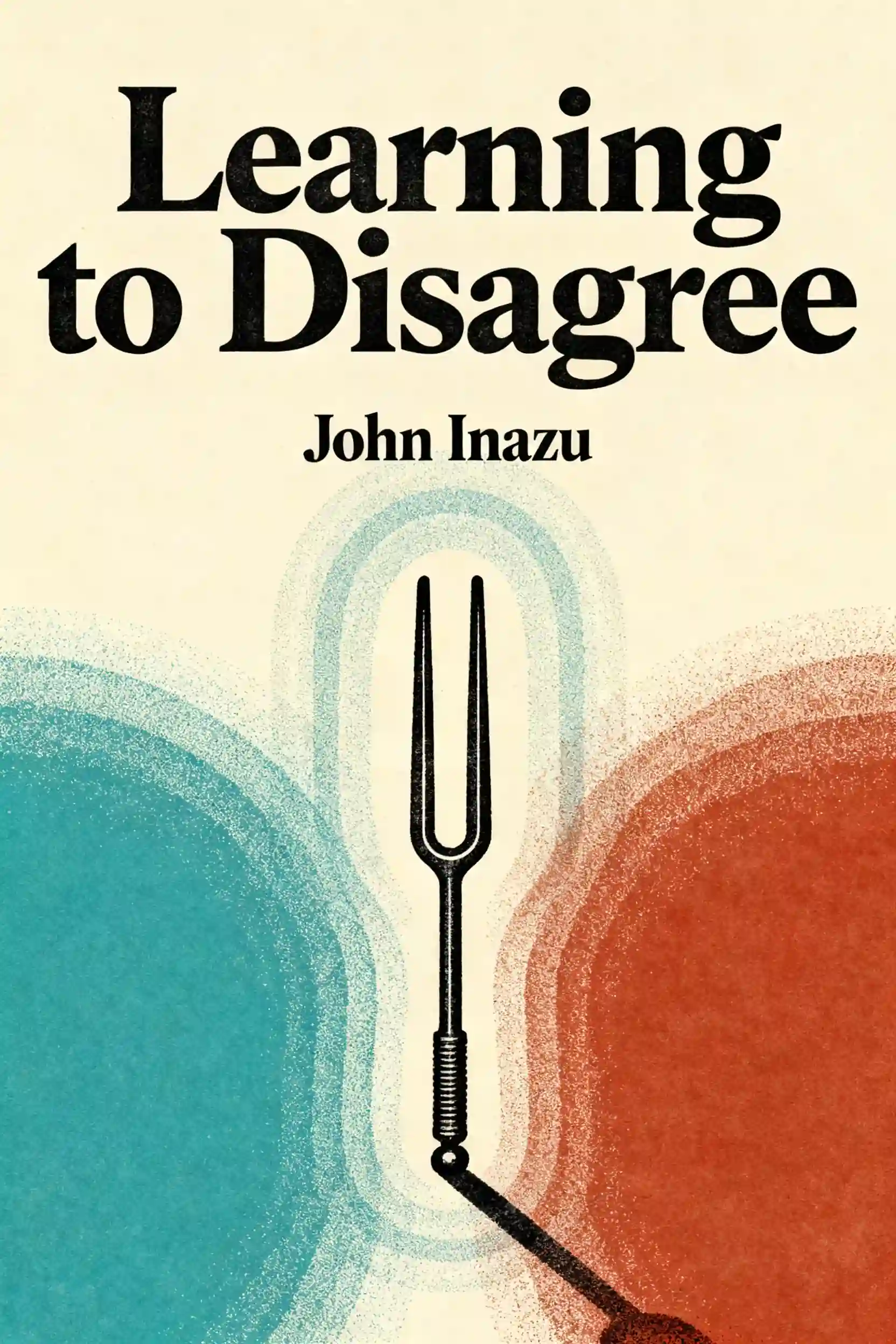
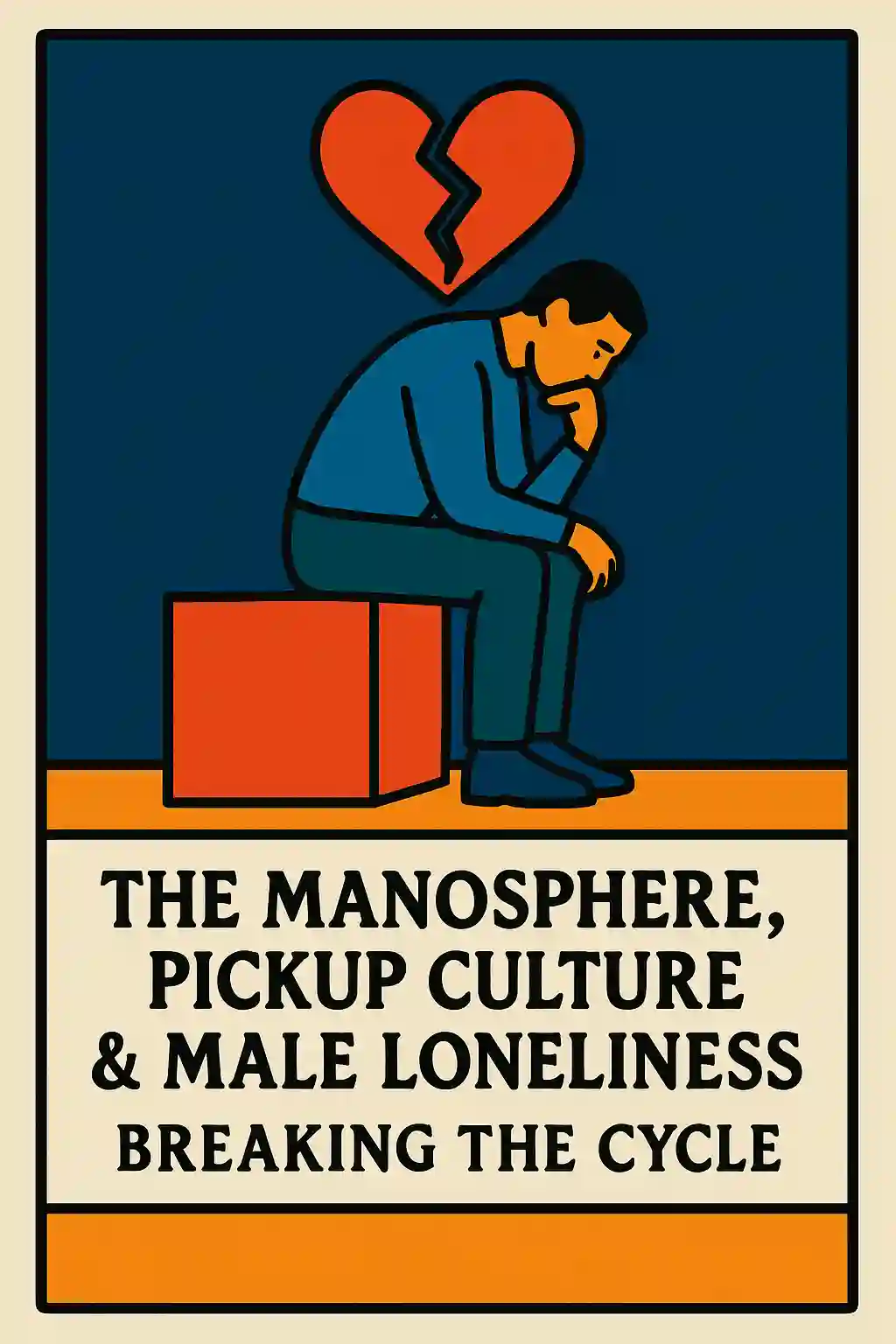

Explore adult male friendship as a central, emotionally significant part of adult life rather than a secondary or transitional relationship. Ground the discussion in sociological and psychological work such as Bowling Alone by Robert Putnam, The Lonely Century by Noreena Hertz, Platonic by Marisa Franco, Friendship by Lydia Denworth, and Together by Vivek Murthy. Use these sources to examine how modern Western culture deprioritizes friendship, especially for men, and how masculinity norms discourage emotional intimacy outside of romantic partnerships. Frame friendship not as a failure to "move on" into adulthood, but as a core human need that often goes unmet or unacknowledged. Then examine adult male friendship through the lens of sexual orientation and socialization, specifically focusing on a gay cisgender man forming deep, emotionally intimate friendships with heterosexual cisgender men. Draw from works like The Velvet Rage by Alan Downs, Am I Blue? edited by Marion Dane Bauer, and research on chosen family in LGBTQ+ communities to discuss how gay men often invest more heavily in friendships as primary emotional bonds. Contrast this with heterosexual men's tendency to re-center emotional intimacy into romantic partnerships once those form. Explore how this difference can create unspoken mismatches in expectations when one friend enters a serious relationship, and why shifts in routines, access, and emotional priority can feel like loss even when affection and loyalty remain. Next, move into the role of political belief and moral identity within close friendships. Reference books such as The Righteous Mind by Jonathan Haidt, How Democracies Die by Levitsky and Ziblatt, On Tyranny by Timothy Snyder, and Moral Politics by George Lakoff to frame how political disagreement increasingly maps onto moral identity rather than policy preference. Examine the emotional toll of feeling unheard, minimized, or dismissed by close friends, and the internal conflict between staying true to deeply held beliefs and preserving meaningful relationships. Emphasize that the tension is often not about winning arguments, but about wanting one's values to be recognized as sincere and grounded rather than emotional or extreme. Finally, bring these threads together by focusing on practical, humane strategies for maintaining and strengthening adult friendships during periods of political polarization and life transition. Use insights from Crucial Conversations by Patterson et al., Nonviolent Communication by Marshall Rosenberg, and Attached by Amir Levine and Rachel Heller to discuss how people can communicate values without ultimatums, seek reassurance without overreaching, and tolerate emotional ambiguity without self-erasure. Encourage approaches that prioritize curiosity, timing, boundaries, and shared history over constant debate. Frame friendship not as ideological alignment, but as an ongoing practice of care that can survive disagreement when both parties feel safe, respected, and free to evolve.

From Columbia University alumni built in San Francisco
"Instead of endless scrolling, I just hit play on BeFreed. It saves me so much time."


"I never knew where to start with nonfiction—BeFreed’s book lists turned into podcasts gave me a clear path."


"Perfect balance between learning and entertainment. Finished ‘Thinking, Fast and Slow’ on my commute this week."
"Crazy how much I learned while walking the dog. BeFreed = small habits → big gains."
"Reading used to feel like a chore. Now it’s just part of my lifestyle."

"Feels effortless compared to reading. I’ve finished 6 books this month already."
"BeFreed turned my guilty doomscrolling into something that feels productive and inspiring."

"BeFreed turned my commute into learning time. 20-min podcasts are perfect for finishing books I never had time for."
"BeFreed replaced my podcast queue. Imagine Spotify for books — that’s it. 🙌"

"It is great for me to learn something from the book without reading it."
"The themed book list podcasts help me connect ideas across authors—like a guided audio journey."
"Makes me feel smarter every time before going to work"
From Columbia University alumni built in San Francisco
"Instead of endless scrolling, I just hit play on BeFreed. It saves me so much time."
"I never knew where to start with nonfiction—BeFreed’s book lists turned into podcasts gave me a clear path."
"Perfect balance between learning and entertainment. Finished ‘Thinking, Fast and Slow’ on my commute this week."
"Crazy how much I learned while walking the dog. BeFreed = small habits → big gains."
"Reading used to feel like a chore. Now it’s just part of my lifestyle."
"Feels effortless compared to reading. I’ve finished 6 books this month already."
"BeFreed turned my guilty doomscrolling into something that feels productive and inspiring."
"BeFreed turned my commute into learning time. 20-min podcasts are perfect for finishing books I never had time for."
"BeFreed replaced my podcast queue. Imagine Spotify for books — that’s it. 🙌"
"It is great for me to learn something from the book without reading it."
"The themed book list podcasts help me connect ideas across authors—like a guided audio journey."
"Makes me feel smarter every time before going to work"
"Instead of endless scrolling, I just hit play on BeFreed. It saves me so much time."
"I never knew where to start with nonfiction—BeFreed’s book lists turned into podcasts gave me a clear path."
"Perfect balance between learning and entertainment. Finished ‘Thinking, Fast and Slow’ on my commute this week."
"Crazy how much I learned while walking the dog. BeFreed = small habits → big gains."
"Reading used to feel like a chore. Now it’s just part of my lifestyle."
"Feels effortless compared to reading. I’ve finished 6 books this month already."
"BeFreed turned my guilty doomscrolling into something that feels productive and inspiring."
"BeFreed turned my commute into learning time. 20-min podcasts are perfect for finishing books I never had time for."
"BeFreed replaced my podcast queue. Imagine Spotify for books — that’s it. 🙌"
"It is great for me to learn something from the book without reading it."
"The themed book list podcasts help me connect ideas across authors—like a guided audio journey."
"Makes me feel smarter every time before going to work"
"Instead of endless scrolling, I just hit play on BeFreed. It saves me so much time."
"I never knew where to start with nonfiction—BeFreed’s book lists turned into podcasts gave me a clear path."
"Perfect balance between learning and entertainment. Finished ‘Thinking, Fast and Slow’ on my commute this week."
"Crazy how much I learned while walking the dog. BeFreed = small habits → big gains."
"Reading used to feel like a chore. Now it’s just part of my lifestyle."
"Feels effortless compared to reading. I’ve finished 6 books this month already."
"BeFreed turned my guilty doomscrolling into something that feels productive and inspiring."
"BeFreed turned my commute into learning time. 20-min podcasts are perfect for finishing books I never had time for."
"BeFreed replaced my podcast queue. Imagine Spotify for books — that’s it. 🙌"
"It is great for me to learn something from the book without reading it."
"The themed book list podcasts help me connect ideas across authors—like a guided audio journey."
"Makes me feel smarter every time before going to work"