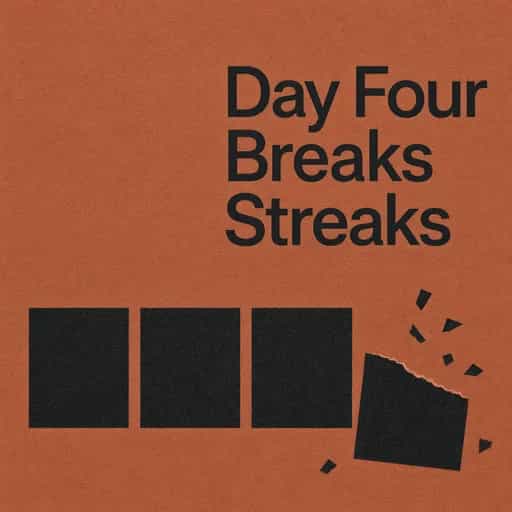
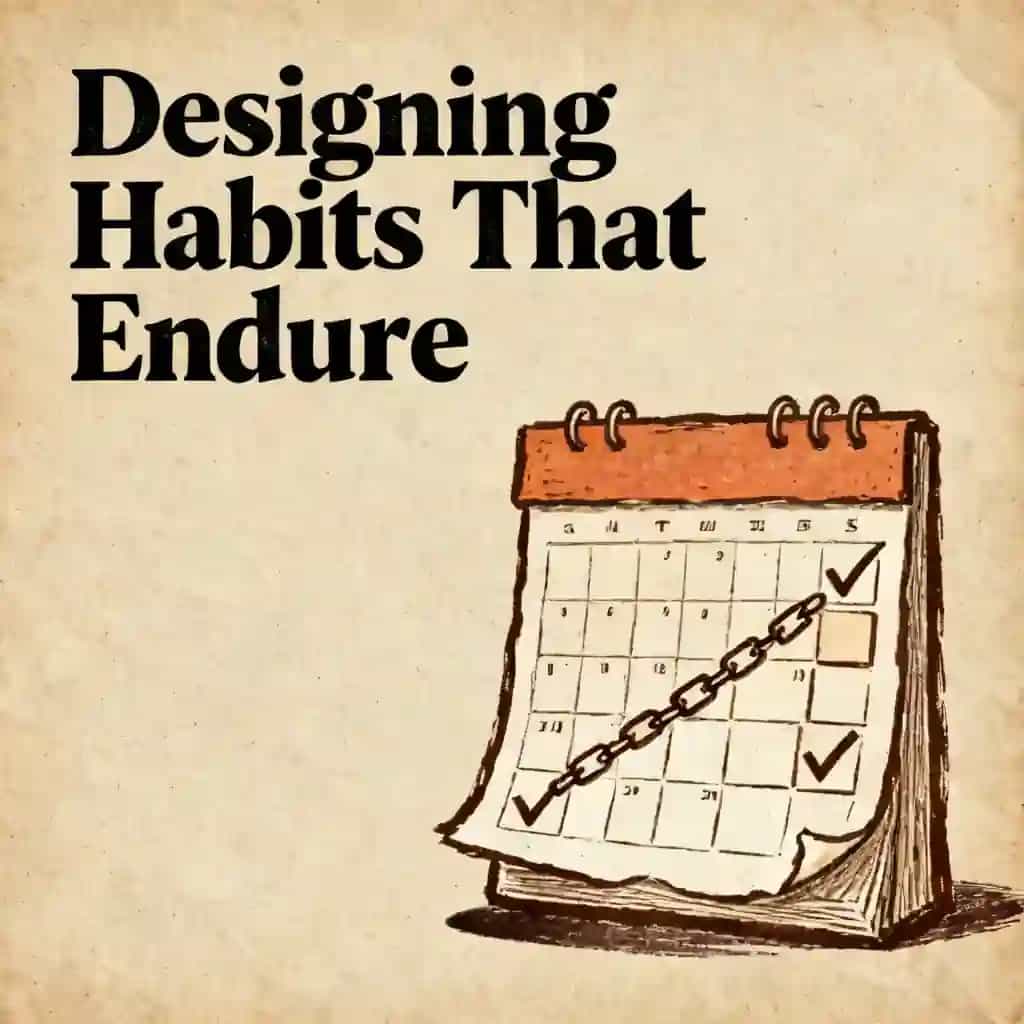
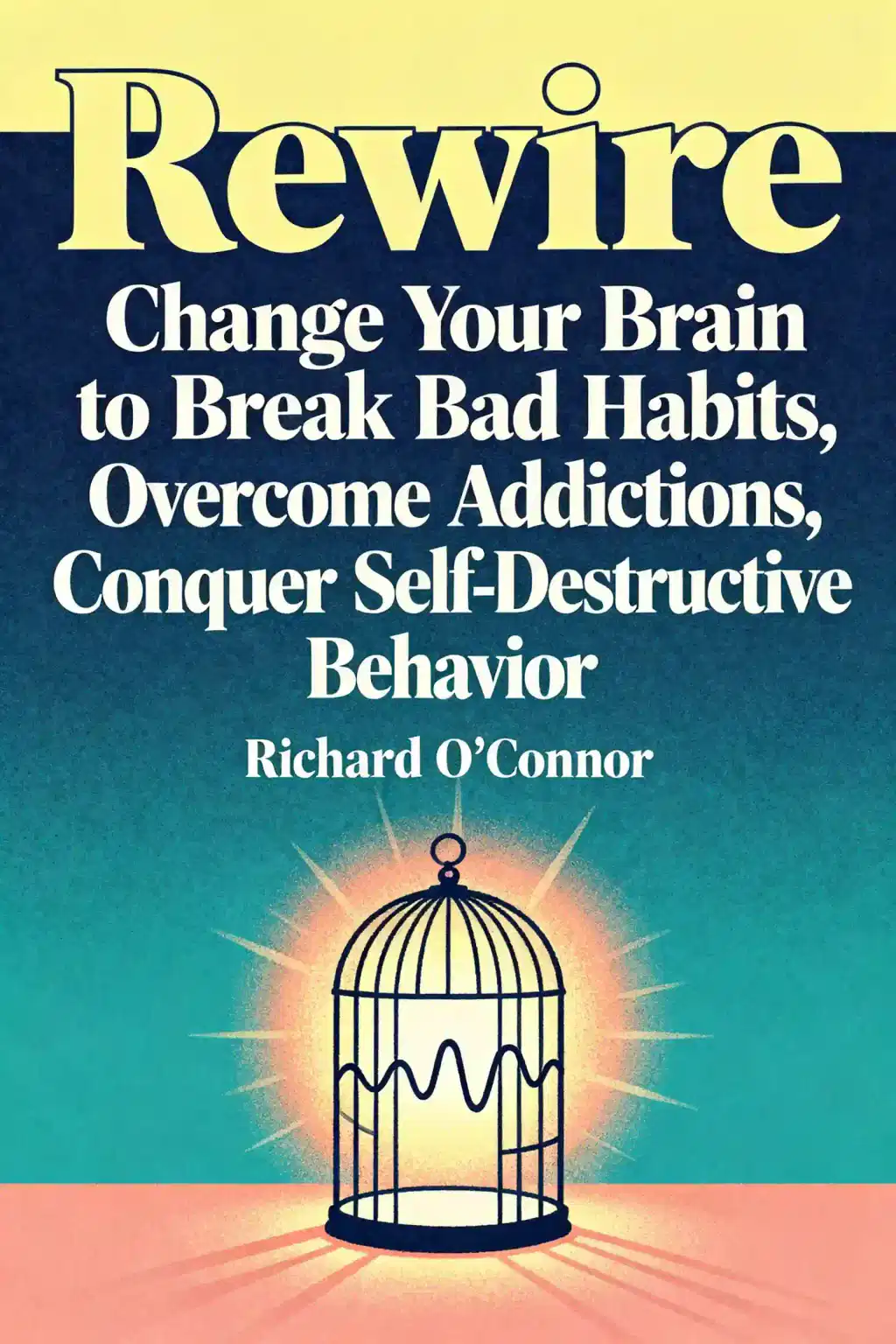
The Day Four Streak: Why Habits Fail
Struggling to keep a new habit past the first week? Learn the science of the Resistance Valley and how to push through when motivation disappears.
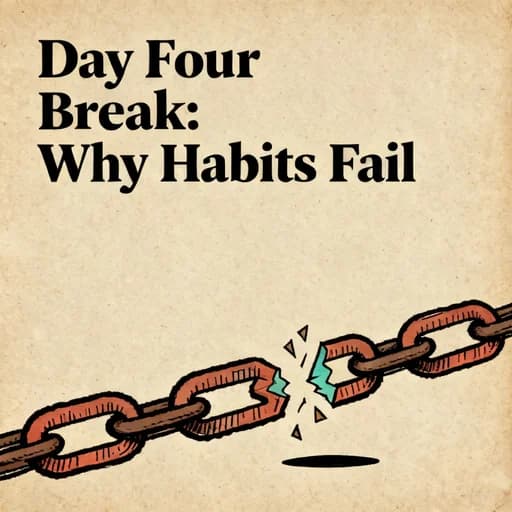
Best quote from The Day Four Streak: Why Habits Fail
The friction you feel is the literal sound of your brain changing its hardware. When you hit day four, you aren't failing—you’re just entering the 'Resistance Valley,' where the initial dopamine spike disappears but the physical rewiring hasn’t finished yet.
Generated with BeFreed
Why Every Streak Dies on Day Four






Frequently Asked Questions
This phenomenon is known as the "Resistance Valley." In the first few days, your brain is fueled by a dopamine spike caused by the novelty of the new activity. By day four, that novelty wears off, but the physical rewiring of your brain—the process of making a behavior automatic—has barely begun. At this stage, you are still using the prefrontal cortex, which requires a high amount of mental energy and willpower to function, making the habit feel like an exhausting chore rather than an inspired choice.
While many people believe the myth that it takes 21 days to form a habit, research from University College London suggests the average time is actually 66 days. The 21-day figure originated from a misinterpretation of a 1960s book about plastic surgery patients adjusting to their new appearance. In reality, the timeline for automaticity varies based on complexity; a simple habit like drinking water might take 18 days, while a complex gym routine could take over 300 days.
The Identity-Behavior Gap occurs when a new habit contradicts your existing self-image. Your brain craves consistency between your actions and your beliefs, so if you view yourself as a "lazy person" but try to wake up at 5 AM to run, your brain treats the new behavior as a threat. This creates cognitive dissonance, leading to self-sabotage like "forgetting" your gear or finding excuses. To overcome this, you must build "receipts" for a new identity by performing small, non-threatening actions that prove you are becoming the person you want to be.
No, research indicates that missing a single day has almost no impact on long-term habit formation because your neural pathways are robust enough to survive a brief gap. The real danger lies in the "Never Miss Twice" rule. Missing two days in a row is problematic because it begins to reinforce a new, negative pattern of not doing the habit. Rather than striving for a perfect streak, which can lead to "streak anxiety," it is more effective to focus on resilient consistency and getting back on track immediately.
Willpower is a finite resource that drains throughout the day, so successful habit-building relies on environment design rather than grit. You can reduce the "activation energy" required to start a habit by making the good choice the path of least resistance, such as placing your running shoes by the door. Additionally, you can use "Habit Stacking" to anchor a new behavior to an existing one, like journaling while you drink your morning coffee, which hitches the new habit to a pre-established neural highway.
From Columbia University alumni built in San Francisco
"Instead of endless scrolling, I just hit play on BeFreed. It saves me so much time."


"I never knew where to start with nonfiction—BeFreed’s book lists turned into podcasts gave me a clear path."


"Perfect balance between learning and entertainment. Finished ‘Thinking, Fast and Slow’ on my commute this week."
"Crazy how much I learned while walking the dog. BeFreed = small habits → big gains."
"Reading used to feel like a chore. Now it’s just part of my lifestyle."

"Feels effortless compared to reading. I’ve finished 6 books this month already."
"BeFreed turned my guilty doomscrolling into something that feels productive and inspiring."

"BeFreed turned my commute into learning time. 20-min podcasts are perfect for finishing books I never had time for."
"BeFreed replaced my podcast queue. Imagine Spotify for books — that’s it. 🙌"

"It is great for me to learn something from the book without reading it."
"The themed book list podcasts help me connect ideas across authors—like a guided audio journey."
"Makes me feel smarter every time before going to work"
From Columbia University alumni built in San Francisco
"Instead of endless scrolling, I just hit play on BeFreed. It saves me so much time."
"I never knew where to start with nonfiction—BeFreed’s book lists turned into podcasts gave me a clear path."
"Perfect balance between learning and entertainment. Finished ‘Thinking, Fast and Slow’ on my commute this week."
"Crazy how much I learned while walking the dog. BeFreed = small habits → big gains."
"Reading used to feel like a chore. Now it’s just part of my lifestyle."
"Feels effortless compared to reading. I’ve finished 6 books this month already."
"BeFreed turned my guilty doomscrolling into something that feels productive and inspiring."
"BeFreed turned my commute into learning time. 20-min podcasts are perfect for finishing books I never had time for."
"BeFreed replaced my podcast queue. Imagine Spotify for books — that’s it. 🙌"
"It is great for me to learn something from the book without reading it."
"The themed book list podcasts help me connect ideas across authors—like a guided audio journey."
"Makes me feel smarter every time before going to work"
"Instead of endless scrolling, I just hit play on BeFreed. It saves me so much time."
"I never knew where to start with nonfiction—BeFreed’s book lists turned into podcasts gave me a clear path."
"Perfect balance between learning and entertainment. Finished ‘Thinking, Fast and Slow’ on my commute this week."
"Crazy how much I learned while walking the dog. BeFreed = small habits → big gains."
"Reading used to feel like a chore. Now it’s just part of my lifestyle."
"Feels effortless compared to reading. I’ve finished 6 books this month already."
"BeFreed turned my guilty doomscrolling into something that feels productive and inspiring."
"BeFreed turned my commute into learning time. 20-min podcasts are perfect for finishing books I never had time for."
"BeFreed replaced my podcast queue. Imagine Spotify for books — that’s it. 🙌"
"It is great for me to learn something from the book without reading it."
"The themed book list podcasts help me connect ideas across authors—like a guided audio journey."
"Makes me feel smarter every time before going to work"
"Instead of endless scrolling, I just hit play on BeFreed. It saves me so much time."
"I never knew where to start with nonfiction—BeFreed’s book lists turned into podcasts gave me a clear path."
"Perfect balance between learning and entertainment. Finished ‘Thinking, Fast and Slow’ on my commute this week."
"Crazy how much I learned while walking the dog. BeFreed = small habits → big gains."
"Reading used to feel like a chore. Now it’s just part of my lifestyle."
"Feels effortless compared to reading. I’ve finished 6 books this month already."
"BeFreed turned my guilty doomscrolling into something that feels productive and inspiring."
"BeFreed turned my commute into learning time. 20-min podcasts are perfect for finishing books I never had time for."
"BeFreed replaced my podcast queue. Imagine Spotify for books — that’s it. 🙌"
"It is great for me to learn something from the book without reading it."
"The themed book list podcasts help me connect ideas across authors—like a guided audio journey."
"Makes me feel smarter every time before going to work"