The Body Keeps the Score: How Trauma Rewires Us
When trauma gets trapped in the body, talk therapy often isn't enough. Explore how the brain’s alarm system stays stuck and how to finally heal.
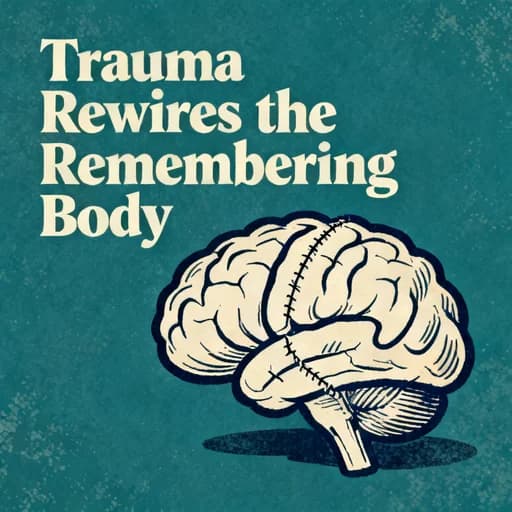
Best quote from The Body Keeps the Score: How Trauma Rewires Us
Trauma is not just a story about something that happened a long time ago; it is a persistent, physical change in the way your brain and body perceive reality.
Generated with BeFreed
An audio lesson about the book The Body Keeps the Score, covering its key ideas and takeaways.


Frequently Asked Questions
Traditional talk therapy primarily engages the rational, verbal parts of the brain. However, during traumatic flashbacks or periods of high stress, the prefrontal cortex—the brain's "watchtower" responsible for language and perspective—actually shuts down. Because trauma is stored as fragmented sensory imprints rather than a coherent narrative, survivors often find it physically impossible to put their experiences into words, making it difficult to "talk" their way out of a physiological state of terror.
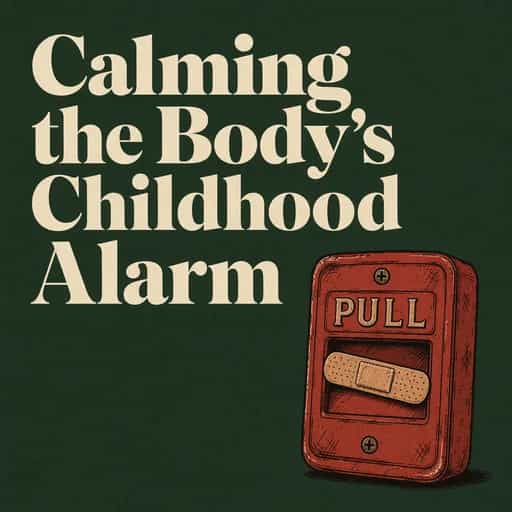
Trauma keeps the body's "smoke detector," the amygdala, in a state of chronic activation. This leads to a constant release of stress hormones like cortisol and adrenaline, which keeps muscles tight and disrupts sleep. Over time, this persistent state of hypervigilance can fray the immune system, leading to autoimmune conditions like lupus or fibromyalgia, as immune cells become oversensitive and may begin to attack the body's own tissues.
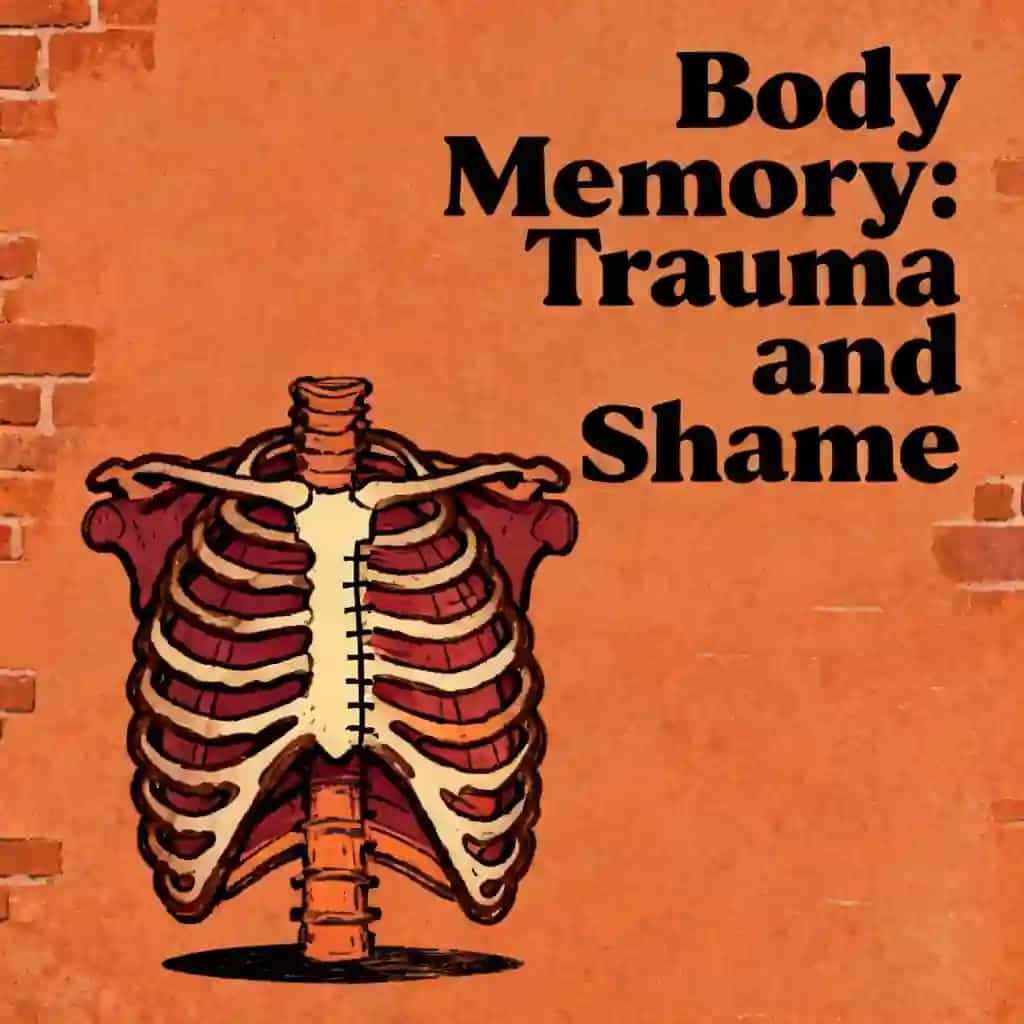
Normal memories are autobiographical, meaning they have a clear timeline and fade over time. In contrast, traumatic memories are "dissociated" and stored as raw, unprocessed sensory data—such as specific smells, sounds, or physical sensations. Because the brain's "time-keeping" system collapses during trauma, these fragments remain frozen in time, causing the body to react to triggers as if the event is happening in the present moment rather than in the past.
"Bottom-up" healing focuses on working with the body’s sensations to calm the nervous system before addressing the rational mind. Since trauma is embedded in the primitive parts of the brain and the nervous system, practices like yoga, neurofeedback, and communal singing help survivors reconnect with their physical selves. These methods teach the body that it is safe, helping to regulate the internal alarm system and reclaim a sense of agency over one's physical and emotional state.
Trauma that occurs while the brain's architecture is still developing can calibrate the nervous system to a permanent state of "high alert." The Adverse Childhood Experiences (ACE) study demonstrated that early wounds are directly linked to higher rates of heart disease, autoimmune disorders, and even early death in adulthood. When a child lacks a protective caregiver to help regulate emotions, their brain may never learn how to quiet internal alarms, often leading to misdiagnoses of behavioral or mood disorders.
From Columbia University alumni built in San Francisco
"Instead of endless scrolling, I just hit play on BeFreed. It saves me so much time."


"I never knew where to start with nonfiction—BeFreed’s book lists turned into podcasts gave me a clear path."


"Perfect balance between learning and entertainment. Finished ‘Thinking, Fast and Slow’ on my commute this week."
"Crazy how much I learned while walking the dog. BeFreed = small habits → big gains."
"Reading used to feel like a chore. Now it’s just part of my lifestyle."

"Feels effortless compared to reading. I’ve finished 6 books this month already."
"BeFreed turned my guilty doomscrolling into something that feels productive and inspiring."

"BeFreed turned my commute into learning time. 20-min podcasts are perfect for finishing books I never had time for."
"BeFreed replaced my podcast queue. Imagine Spotify for books — that’s it. 🙌"

"It is great for me to learn something from the book without reading it."
"The themed book list podcasts help me connect ideas across authors—like a guided audio journey."
"Makes me feel smarter every time before going to work"
From Columbia University alumni built in San Francisco
"Instead of endless scrolling, I just hit play on BeFreed. It saves me so much time."
"I never knew where to start with nonfiction—BeFreed’s book lists turned into podcasts gave me a clear path."
"Perfect balance between learning and entertainment. Finished ‘Thinking, Fast and Slow’ on my commute this week."
"Crazy how much I learned while walking the dog. BeFreed = small habits → big gains."
"Reading used to feel like a chore. Now it’s just part of my lifestyle."
"Feels effortless compared to reading. I’ve finished 6 books this month already."
"BeFreed turned my guilty doomscrolling into something that feels productive and inspiring."
"BeFreed turned my commute into learning time. 20-min podcasts are perfect for finishing books I never had time for."
"BeFreed replaced my podcast queue. Imagine Spotify for books — that’s it. 🙌"
"It is great for me to learn something from the book without reading it."
"The themed book list podcasts help me connect ideas across authors—like a guided audio journey."
"Makes me feel smarter every time before going to work"
"Instead of endless scrolling, I just hit play on BeFreed. It saves me so much time."
"I never knew where to start with nonfiction—BeFreed’s book lists turned into podcasts gave me a clear path."
"Perfect balance between learning and entertainment. Finished ‘Thinking, Fast and Slow’ on my commute this week."
"Crazy how much I learned while walking the dog. BeFreed = small habits → big gains."
"Reading used to feel like a chore. Now it’s just part of my lifestyle."
"Feels effortless compared to reading. I’ve finished 6 books this month already."
"BeFreed turned my guilty doomscrolling into something that feels productive and inspiring."
"BeFreed turned my commute into learning time. 20-min podcasts are perfect for finishing books I never had time for."
"BeFreed replaced my podcast queue. Imagine Spotify for books — that’s it. 🙌"
"It is great for me to learn something from the book without reading it."
"The themed book list podcasts help me connect ideas across authors—like a guided audio journey."
"Makes me feel smarter every time before going to work"
"Instead of endless scrolling, I just hit play on BeFreed. It saves me so much time."
"I never knew where to start with nonfiction—BeFreed’s book lists turned into podcasts gave me a clear path."
"Perfect balance between learning and entertainment. Finished ‘Thinking, Fast and Slow’ on my commute this week."
"Crazy how much I learned while walking the dog. BeFreed = small habits → big gains."
"Reading used to feel like a chore. Now it’s just part of my lifestyle."
"Feels effortless compared to reading. I’ve finished 6 books this month already."
"BeFreed turned my guilty doomscrolling into something that feels productive and inspiring."
"BeFreed turned my commute into learning time. 20-min podcasts are perfect for finishing books I never had time for."
"BeFreed replaced my podcast queue. Imagine Spotify for books — that’s it. 🙌"
"It is great for me to learn something from the book without reading it."
"The themed book list podcasts help me connect ideas across authors—like a guided audio journey."
"Makes me feel smarter every time before going to work"