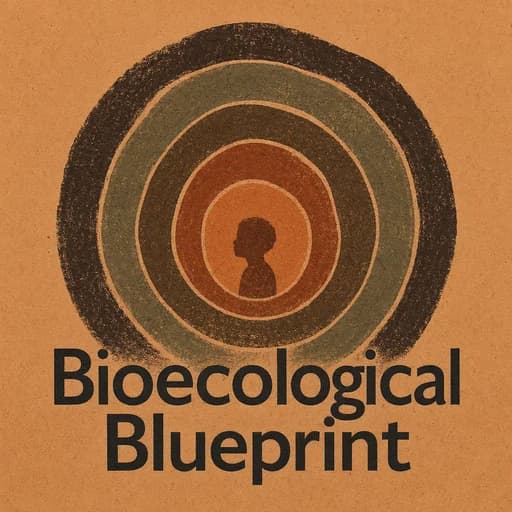




Explore Urie Bronfenbrenner’s Bioecological Model to understand how early childhood systems and the dance between nature and nurture shape our lifelong health.

The tiny, everyday moments between a toddler and a caregiver are actually the engines that drive everything else. When those engines are well-oiled with love, attention, and stability, we get adults who are capable, kind, and ready to contribute to the world.
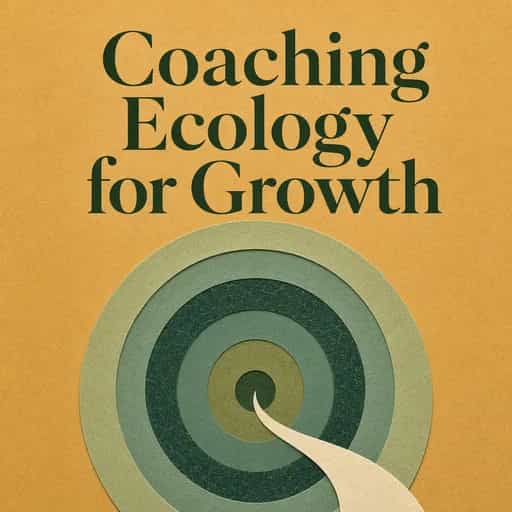
Bronfenbrenner's Bioecological Systems Theory focused on the 0-3 age range as the foundation for lifelong learning. Explore how primary interactions (microsystem) and community relationships (mesosystem) shape social contracts, emotional intelligence, and long-term societal outcomes like workforce capability and reduced crime through quality early childhood education.


The Bioecological Model is a framework developed by Urie Bronfenbrenner that explains how a child's development is shaped by the interaction between their biology and their environment. Think of it like a garden where genes are the seeds and the environment provides the soil, water, and sun. This model suggests that the quality of these early systems and interactions, particularly between ages zero and three, forms the foundational blocks for how an individual functions later in life.
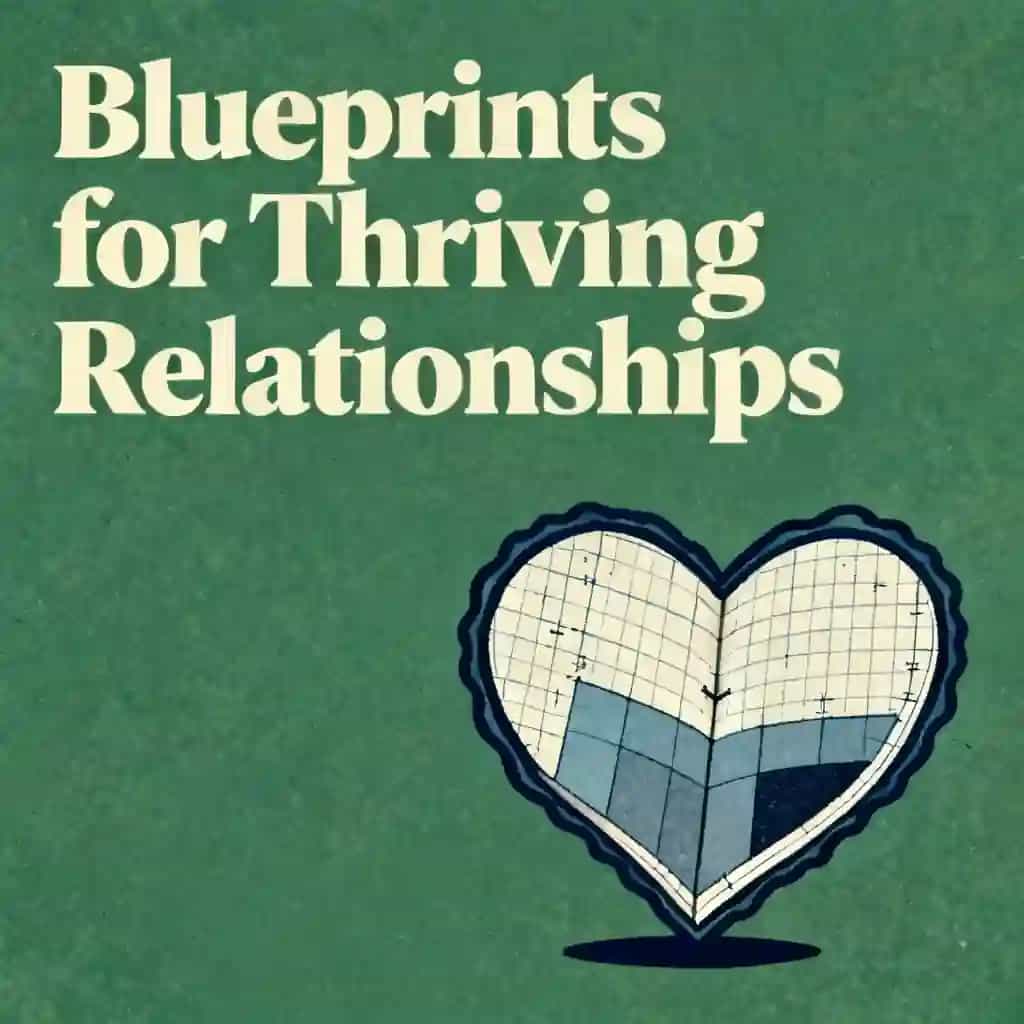
Research indicates that the experiences a child has before the age of five are the single biggest predictors of their future success. These early interactions act as a blueprint for how a person handles stress, trusts others, and performs in school. Beyond personal development, these systems serve as the foundation for physical health in adulthood and the overall stability of our society's workforce and safety. The way we function today often traces back to these invisible early systems.
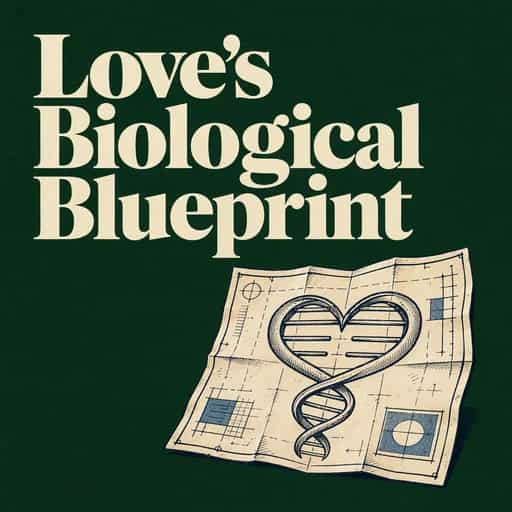
In the Bioecological Blueprint, nature and nurture are not viewed as separate entities but as factors that dance together. While genes provide the initial blueprint, the environment—or the 'soil'—determines how those genes are expressed. This interaction explains why some people are more resilient than others when facing hardship. Understanding this relationship is crucial for developmental psychology and early childhood education, as it highlights how external support systems can influence internal biological outcomes.
From Columbia University alumni built in San Francisco
"Instead of endless scrolling, I just hit play on BeFreed. It saves me so much time."
"I never knew where to start with nonfiction—BeFreed’s book lists turned into podcasts gave me a clear path."
"Perfect balance between learning and entertainment. Finished ‘Thinking, Fast and Slow’ on my commute this week."
"Crazy how much I learned while walking the dog. BeFreed = small habits → big gains."
"Reading used to feel like a chore. Now it’s just part of my lifestyle."
"Feels effortless compared to reading. I’ve finished 6 books this month already."
"BeFreed turned my guilty doomscrolling into something that feels productive and inspiring."
"BeFreed turned my commute into learning time. 20-min podcasts are perfect for finishing books I never had time for."
"BeFreed replaced my podcast queue. Imagine Spotify for books — that’s it. 🙌"
"It is great for me to learn something from the book without reading it."
"The themed book list podcasts help me connect ideas across authors—like a guided audio journey."
"Makes me feel smarter every time before going to work"
From Columbia University alumni built in San Francisco