Explore the Baker/baker paradox and why your brain forgets names but remembers facts. Learn how to overcome the fluency illusion through active testing.

Real learning requires a bit of a mental sweat; to actually retain information, you have to move past the ease of consumption and lean into the friction of retrieval.
Techniques and systems for retaining facts and names effectively, focusing on practical memory anchors and recall strategies.

![How to Memorize Fast: 9 Science-Backed Methods [2026]](https://d1y2du6z1jfm9e.cloudfront.net/assets/podcast/yellow.png)


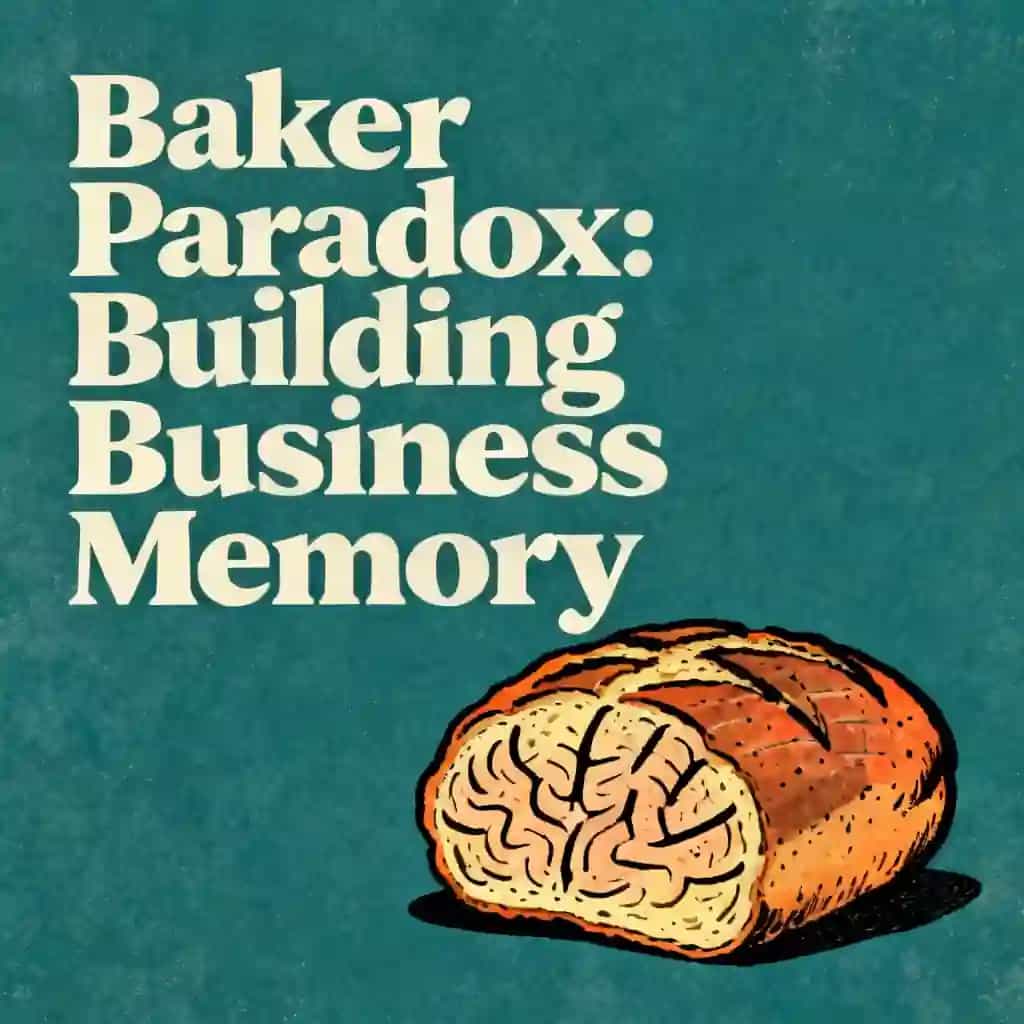
The Baker/baker paradox is a quirk of cognitive architecture that explains why people remember an occupation but forget a name. When you hear the trade 'baker,' your brain connects it to semantic anchors like flour and fresh bread. However, the name 'Baker' is merely an arbitrary acoustic tag without these mental hooks. This lack of a durable concept makes names much harder for the brain to encode and retain over time.
The fluency illusion is the dangerous sensation that information is being mastered simply because it feels smooth during consumption. When you reread a page or listen to an introduction, you may mistake familiarity for actual learning. This illusion occurs when information enters the eyes or ears easily but fails to stick in the brain. To achieve true mastery, you must move past this ease and engage in more difficult cognitive processes.
Active testing is a loop of retrieval practice that forces the brain to reach for information rather than glancing back at a source. Instead of falling for the fluency illusion by rereading, active testing creates the necessary friction for durable encoding. This method is the fastest way to memorize information because it moves beyond simple familiarity. By leaning into the friction of retrieval, you ensure that facts are properly anchored in your memory.
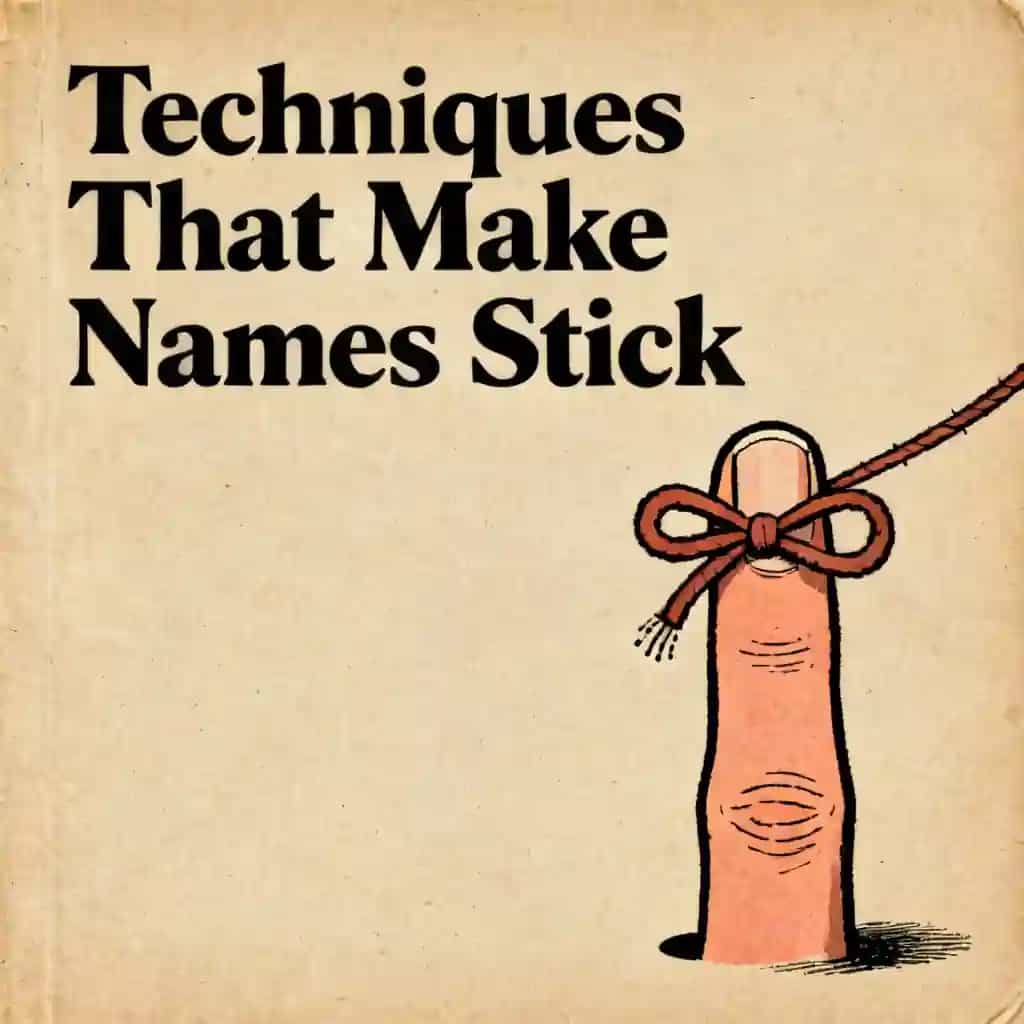
We often forget names because of a failure to encode the information properly, treating it as a meaningless sound rather than a durable concept. Unlike occupations that trigger a rich network of associations, a name often lacks a semantic anchor for the memory to grab onto. Without these hooks, the brain treats the name as an arbitrary tag. To remember better, one must overcome the ease of consumption and focus on building stronger mental connections.
From Columbia University alumni built in San Francisco
"Instead of endless scrolling, I just hit play on BeFreed. It saves me so much time."
"I never knew where to start with nonfiction—BeFreed’s book lists turned into podcasts gave me a clear path."
"Perfect balance between learning and entertainment. Finished ‘Thinking, Fast and Slow’ on my commute this week."
"Crazy how much I learned while walking the dog. BeFreed = small habits → big gains."
"Reading used to feel like a chore. Now it’s just part of my lifestyle."
"Feels effortless compared to reading. I’ve finished 6 books this month already."
"BeFreed turned my guilty doomscrolling into something that feels productive and inspiring."
"BeFreed turned my commute into learning time. 20-min podcasts are perfect for finishing books I never had time for."
"BeFreed replaced my podcast queue. Imagine Spotify for books — that’s it. 🙌"
"It is great for me to learn something from the book without reading it."
"The themed book list podcasts help me connect ideas across authors—like a guided audio journey."
"Makes me feel smarter every time before going to work"
From Columbia University alumni built in San Francisco