The Art of Precise Communication
Master the science of effective dialogue by replacing vague qualifiers with precise language and proven frameworks like H.E.A.R. and DEAR MAN to bridge the gap between intent and impact.

Best quote from The Art of Precise Communication
The goal isn't to win the argument—the goal is to interrupt the loop. Using the word 'notice' allows you to acknowledge what’s happening without claiming to be an all-knowing judge.
Generated by Prince
I want a lesson that teaches the right word to say in comunication

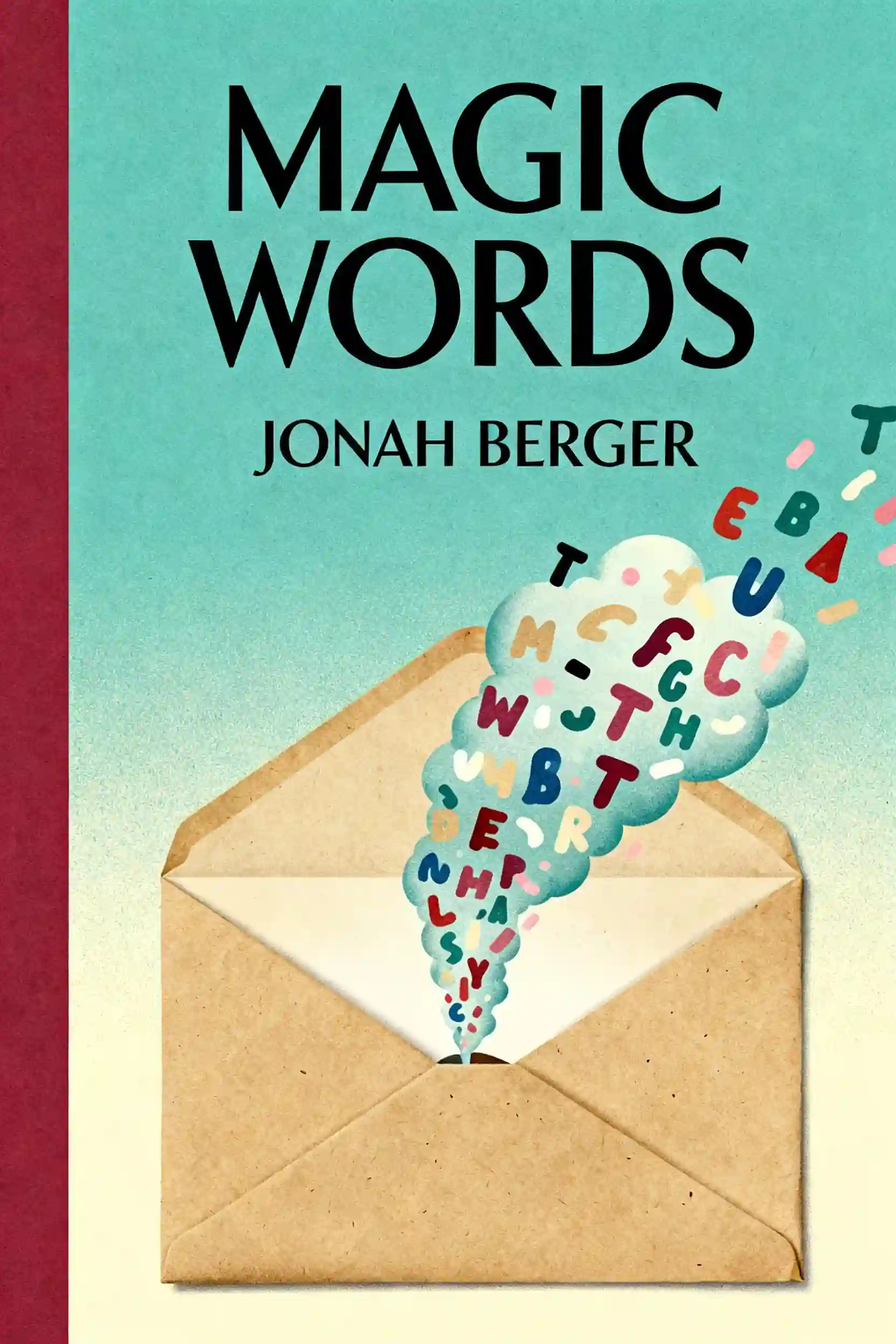
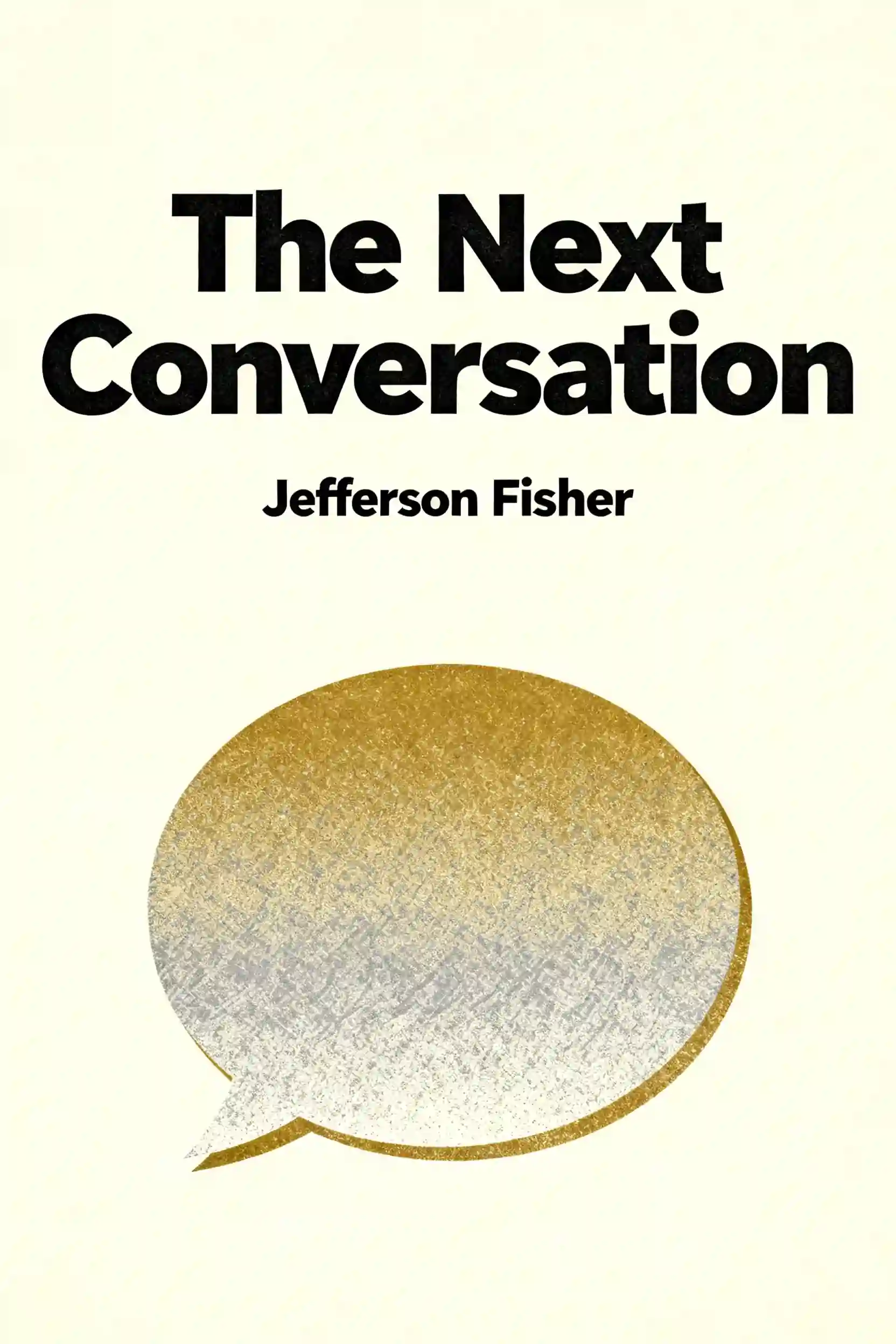
Frequently Asked Questions
A conflict loop is a self-reinforcing cycle where one person’s criticism leads the other to feel attacked and retaliate, which then justifies the first person’s initial criticism. To interrupt this cycle, the script suggests using neutral "I notice" language to describe the pattern rather than attacking the person. By acting as a commentator on the process—for example, saying, "I notice we both get defensive when we talk about the budget"—you can step out of the "boxing ring" and invite a collaborative conversation.
The H.E.A.R. framework is designed to make a speaker more receptive and persuasive by ensuring the other person feels heard first. It stands for Hedging your claims (using phrases like "I think" to show humility), Emphasizing agreement (finding common ground), Acknowledging the opposing perspective (restating their point to prove you listened), and Reframing to the positive (avoiding negative words like "don't" or "won't"). Research shows that using this style makes individuals appear more trustworthy and increases the willingness of others to engage in tough discussions.
The gap between intent and impact occurs because people typically judge themselves by their internal intentions while judging others by the external impact of their words. To bridge this gap, emotionally intelligent communicators use the word "impact" explicitly to describe how a comment felt without demonizing the other person's character. For example, saying "the impact of that comment was that I felt micromanaged" allows the other person to take responsibility for the result of their words without feeling like a "bad person."
DEAR MAN is a structured protocol from Dialectical Behavior Therapy used to make requests or set boundaries effectively. The "DEAR" portion covers what to say: Describe the objective facts, Express your feelings using "I" statements, Assert your request clearly, and Reinforce the positive outcome for both parties. The "MAN" portion covers how to deliver the message: stay Mindful of your goal, Appear confident through posture and tone, and be willing to Negotiate a workable compromise.
The script suggests that qualifiers like "very" often signal a lack of precision; replacing "very good" with "exceptional" or "superb" creates a higher-definition, more credible image for the listener. Similarly, replacing "but" with "and" can transform a rejection into a complex truth. While "but" often cancels out what came before it, "and" allows two different perspectives or needs to exist simultaneously, moving the conversation from a tug-of-war toward a more inclusive dialogue.
From Columbia University alumni built in San Francisco
"Instead of endless scrolling, I just hit play on BeFreed. It saves me so much time."


"I never knew where to start with nonfiction—BeFreed’s book lists turned into podcasts gave me a clear path."


"Perfect balance between learning and entertainment. Finished ‘Thinking, Fast and Slow’ on my commute this week."
"Crazy how much I learned while walking the dog. BeFreed = small habits → big gains."
"Reading used to feel like a chore. Now it’s just part of my lifestyle."

"Feels effortless compared to reading. I’ve finished 6 books this month already."
"BeFreed turned my guilty doomscrolling into something that feels productive and inspiring."

"BeFreed turned my commute into learning time. 20-min podcasts are perfect for finishing books I never had time for."
"BeFreed replaced my podcast queue. Imagine Spotify for books — that’s it. 🙌"

"It is great for me to learn something from the book without reading it."
"The themed book list podcasts help me connect ideas across authors—like a guided audio journey."
"Makes me feel smarter every time before going to work"
From Columbia University alumni built in San Francisco
"Instead of endless scrolling, I just hit play on BeFreed. It saves me so much time."
"I never knew where to start with nonfiction—BeFreed’s book lists turned into podcasts gave me a clear path."
"Perfect balance between learning and entertainment. Finished ‘Thinking, Fast and Slow’ on my commute this week."
"Crazy how much I learned while walking the dog. BeFreed = small habits → big gains."
"Reading used to feel like a chore. Now it’s just part of my lifestyle."
"Feels effortless compared to reading. I’ve finished 6 books this month already."
"BeFreed turned my guilty doomscrolling into something that feels productive and inspiring."
"BeFreed turned my commute into learning time. 20-min podcasts are perfect for finishing books I never had time for."
"BeFreed replaced my podcast queue. Imagine Spotify for books — that’s it. 🙌"
"It is great for me to learn something from the book without reading it."
"The themed book list podcasts help me connect ideas across authors—like a guided audio journey."
"Makes me feel smarter every time before going to work"
"Instead of endless scrolling, I just hit play on BeFreed. It saves me so much time."
"I never knew where to start with nonfiction—BeFreed’s book lists turned into podcasts gave me a clear path."
"Perfect balance between learning and entertainment. Finished ‘Thinking, Fast and Slow’ on my commute this week."
"Crazy how much I learned while walking the dog. BeFreed = small habits → big gains."
"Reading used to feel like a chore. Now it’s just part of my lifestyle."
"Feels effortless compared to reading. I’ve finished 6 books this month already."
"BeFreed turned my guilty doomscrolling into something that feels productive and inspiring."
"BeFreed turned my commute into learning time. 20-min podcasts are perfect for finishing books I never had time for."
"BeFreed replaced my podcast queue. Imagine Spotify for books — that’s it. 🙌"
"It is great for me to learn something from the book without reading it."
"The themed book list podcasts help me connect ideas across authors—like a guided audio journey."
"Makes me feel smarter every time before going to work"
"Instead of endless scrolling, I just hit play on BeFreed. It saves me so much time."
"I never knew where to start with nonfiction—BeFreed’s book lists turned into podcasts gave me a clear path."
"Perfect balance between learning and entertainment. Finished ‘Thinking, Fast and Slow’ on my commute this week."
"Crazy how much I learned while walking the dog. BeFreed = small habits → big gains."
"Reading used to feel like a chore. Now it’s just part of my lifestyle."
"Feels effortless compared to reading. I’ve finished 6 books this month already."
"BeFreed turned my guilty doomscrolling into something that feels productive and inspiring."
"BeFreed turned my commute into learning time. 20-min podcasts are perfect for finishing books I never had time for."
"BeFreed replaced my podcast queue. Imagine Spotify for books — that’s it. 🙌"
"It is great for me to learn something from the book without reading it."
"The themed book list podcasts help me connect ideas across authors—like a guided audio journey."
"Makes me feel smarter every time before going to work"