The 90-Second Rule: Mastering Your Emotional Responses
Discover how to reclaim control of your mind by understanding the biological lifespan of an emotion. Learn practical techniques like the 90-second rule and RAIN to transform from a passenger to the pilot of your own feelings.

Best quote from The 90-Second Rule: Mastering Your Emotional Responses
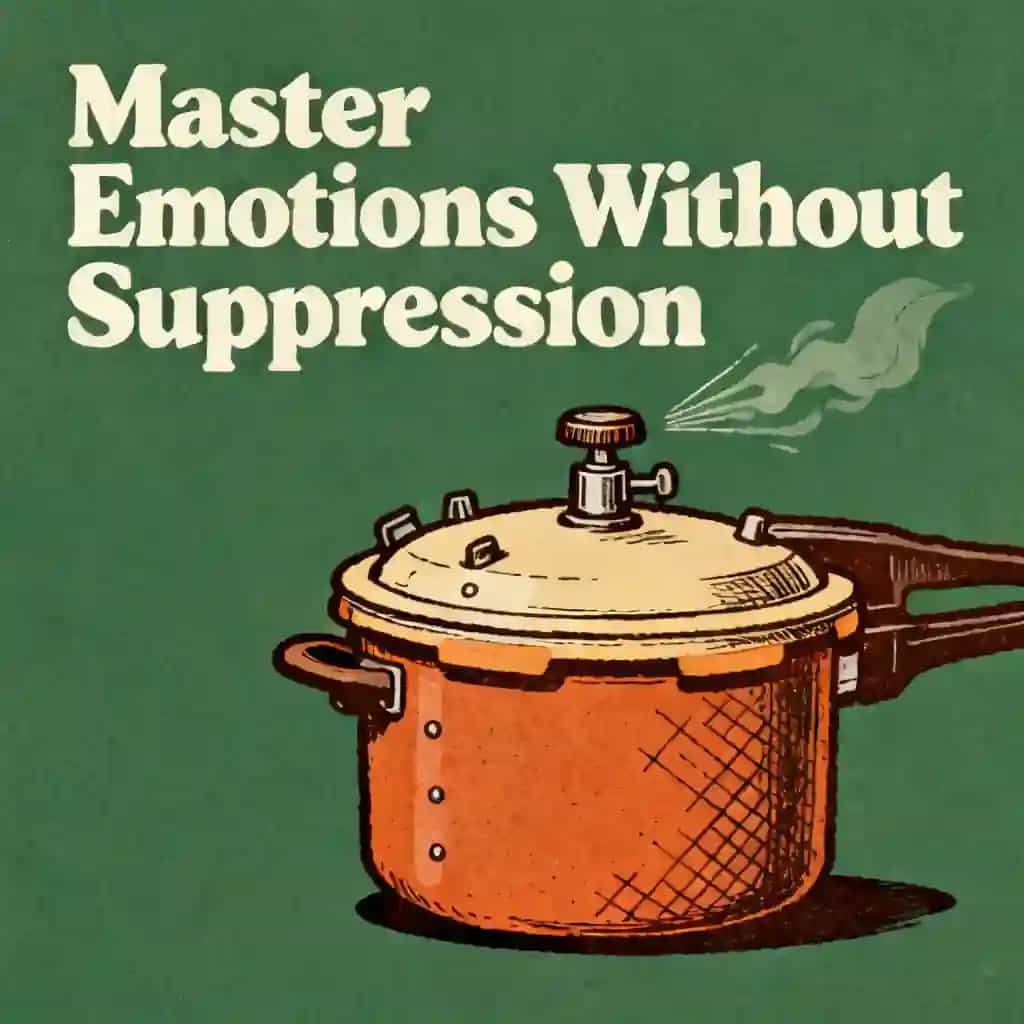
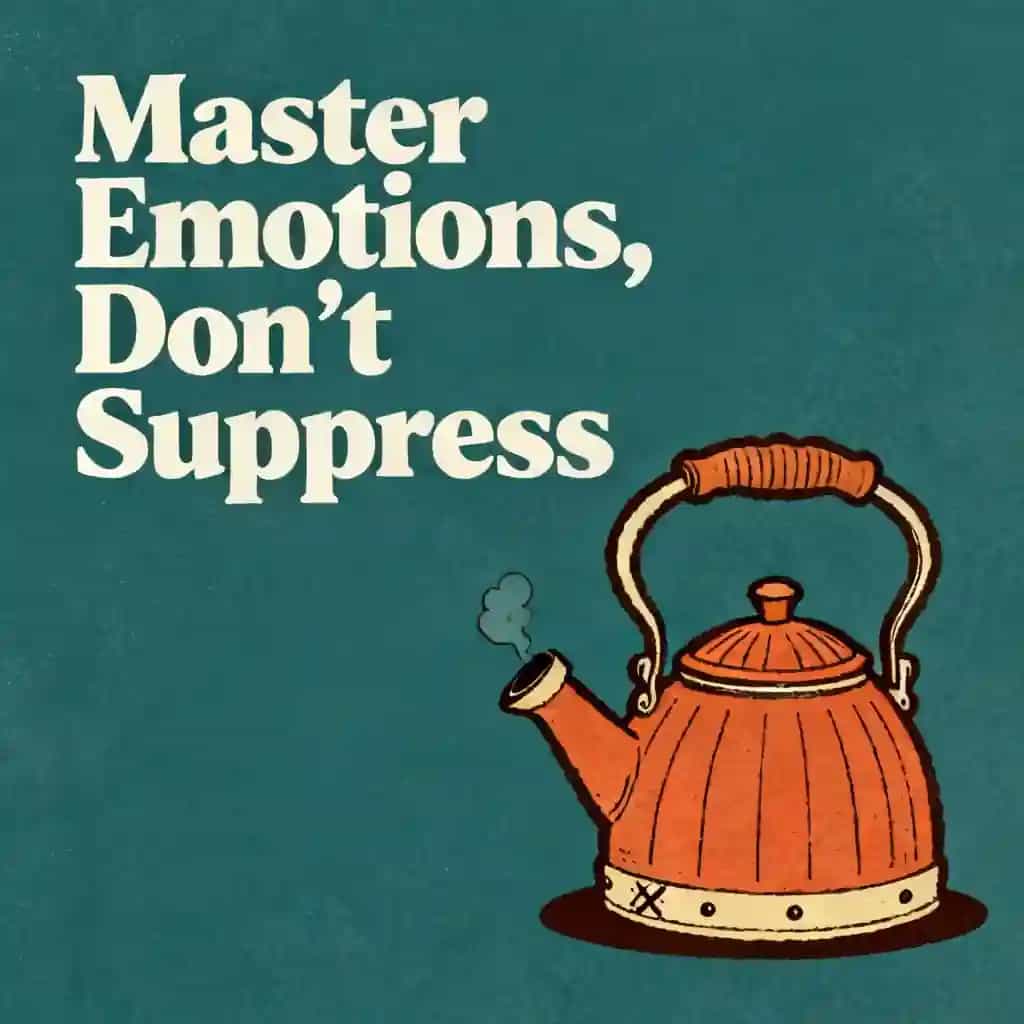
The physiological surge of an emotion actually only lasts about 60 to 90 seconds. Unless we fuel it with repetitive thinking, the wave is short, and mastering your emotions is about using that tiny window to respond instead of just reacting.
Generated by K S
How to master your emotions

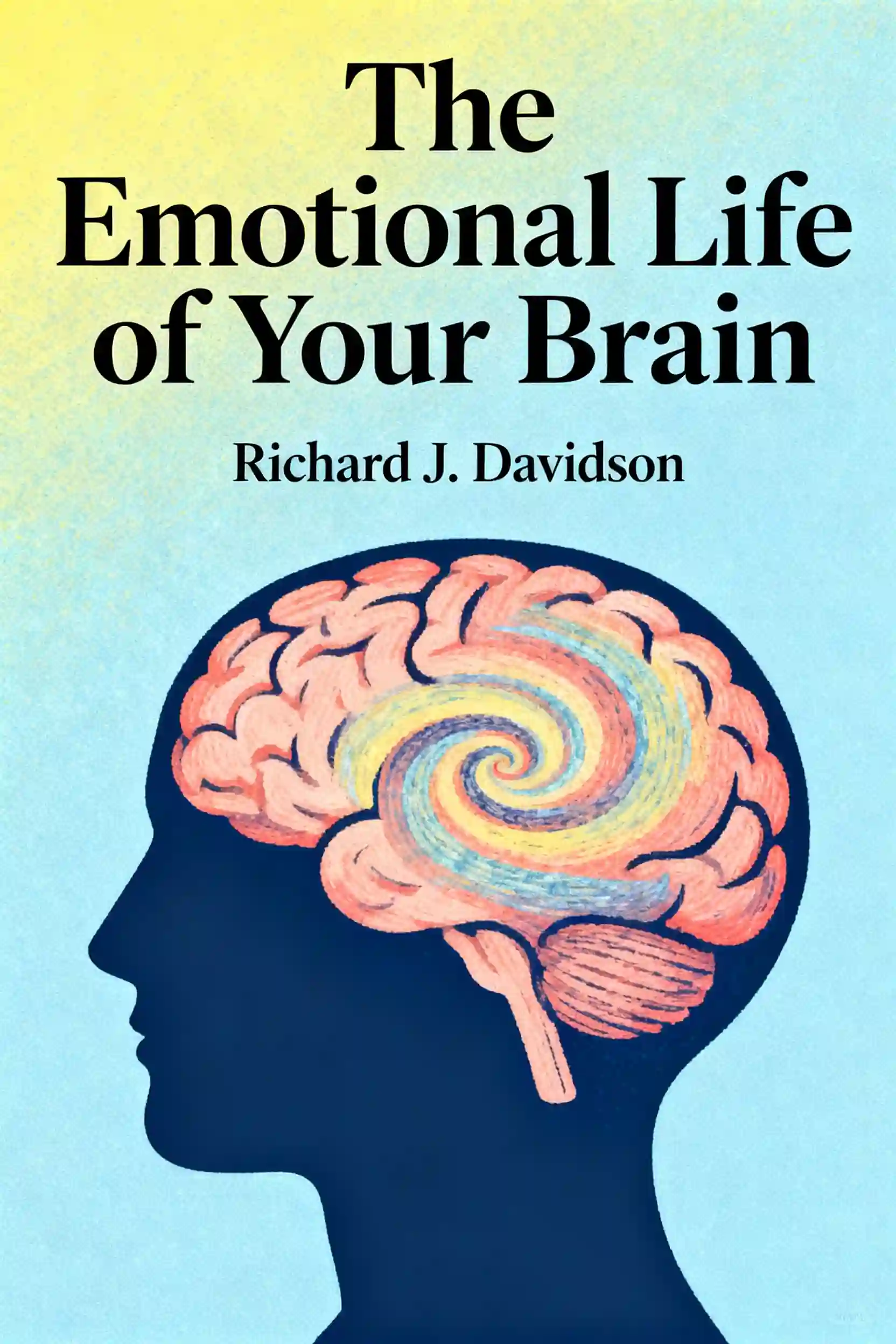
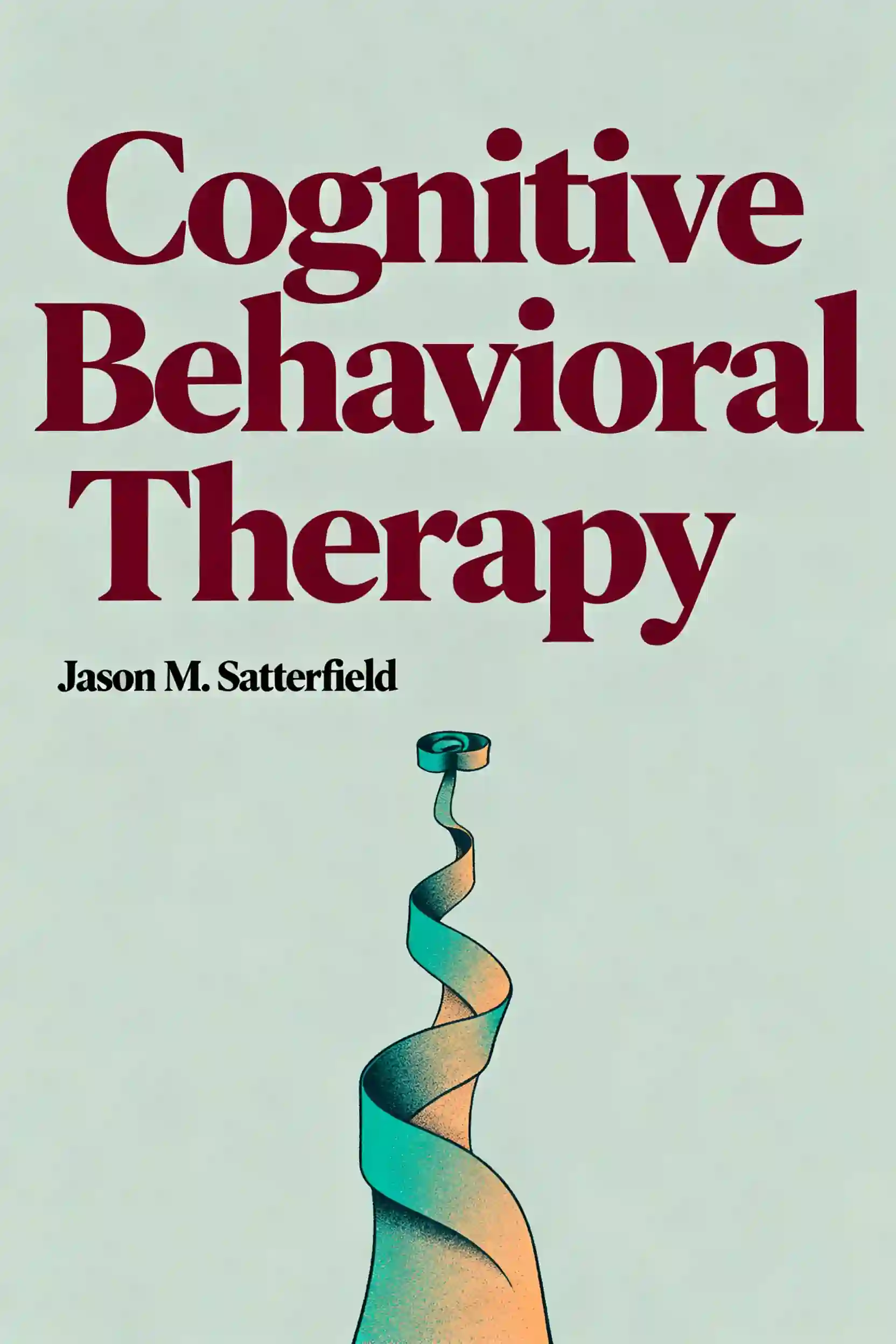
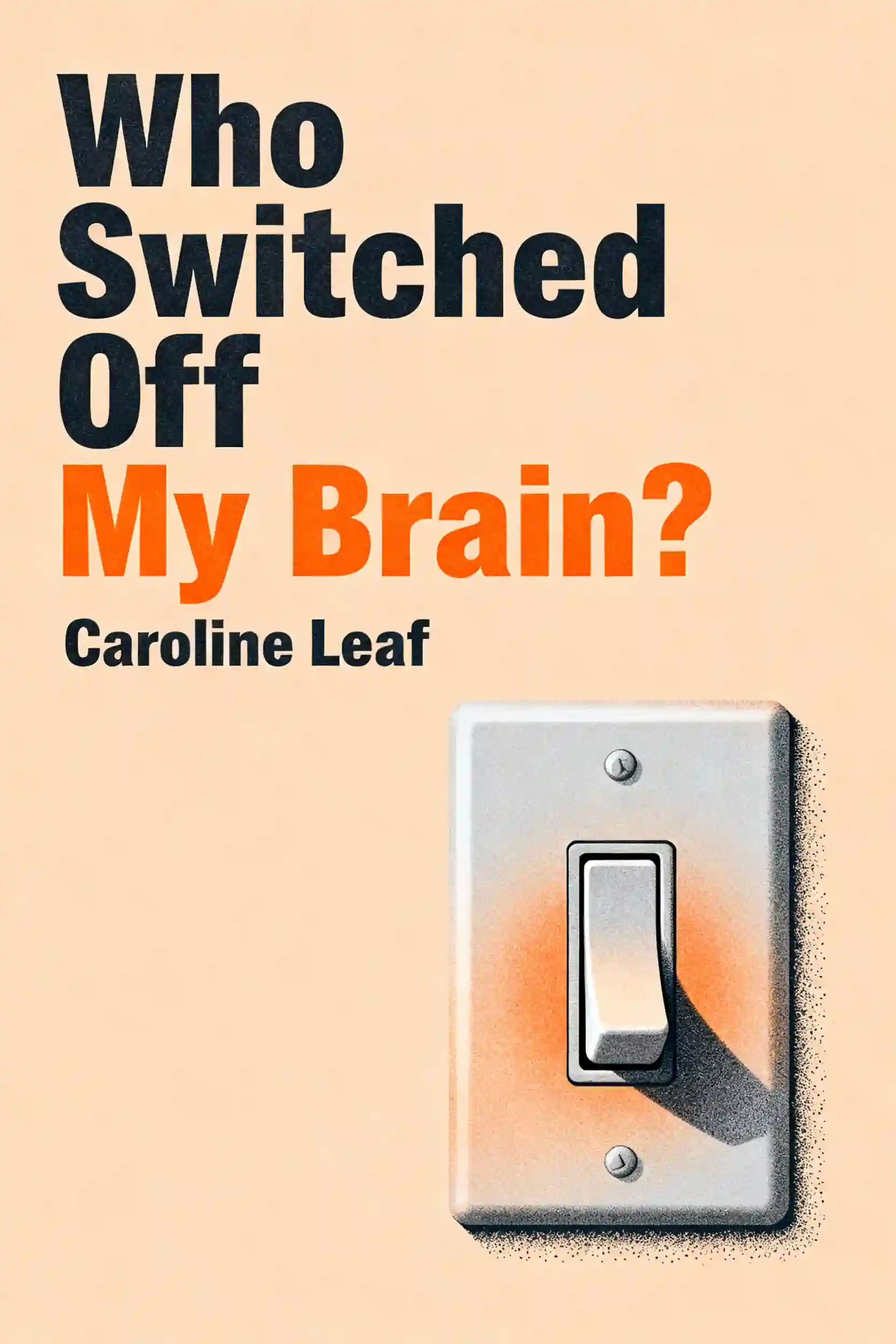
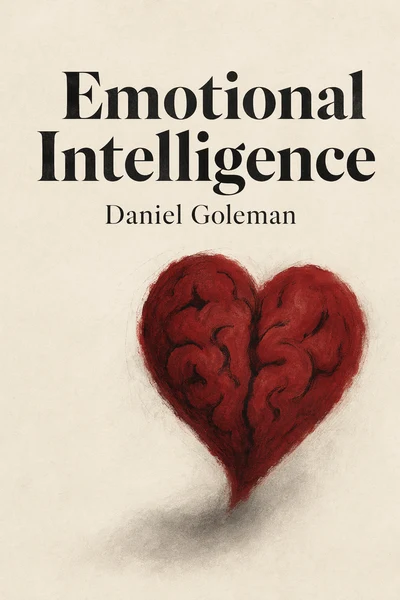
Frequently Asked Questions
The 90-second rule refers to the actual physiological lifespan of an emotional surge. When an emotional stimulus hits the brain, the resulting chemical flush—including the release of cortisol and adrenaline—lasts only about 60 to 90 seconds. If the feeling persists for hours, it is usually because we are "fueling" the emotion through repetitive thinking or rumination rather than letting the initial biological wave pass.
An amygdala hijack occurs when the brain's threat detector, the amygdala, reacts to a stimulus in about 20 milliseconds, which is faster than the logic center—the prefrontal cortex—can process the information. During this time, the sympathetic nervous system takes over, increasing heart rate and shallow breathing. Because the logic center is effectively bypassed, it becomes physically difficult to "think" your way out of a stressful mood until the nervous system is calmed.
The 4-7-8 technique is a biological counter-measure that triggers the vagus nerve, which acts as the "off switch" for the stress response. By inhaling for 4 counts, holding for 7, and exhaling for 8, you signal to the brainstem that the danger has passed. The long exhale is particularly critical because it stimulates the parasympathetic nervous system and increases GABA, a neurotransmitter that naturally calms brain activity and can shift brain waves from a high-stress state to a relaxed state within 90 seconds.
RAIN is a four-step mindfulness framework used to move from being overwhelmed by an emotion to observing it objectively. The acronym stands for Recognize (noticing the feeling), Allow (letting the feeling exist without judging or fighting it), Investigate (exploring where the emotion lives in the body and what it needs), and Nurture (offering yourself self-compassion). This process helps create "meta-awareness," shifting your perspective so you see emotions as passing clouds rather than your entire identity.
Yes, through a process called neuroplasticity, the brain is constantly remodeling itself based on our habits. Research shows that consistent emotional regulation and mindfulness can measurably shrink the amygdala’s reactivity while thickening the prefrontal cortex, which is responsible for logic and executive decisions. Even eight weeks of practice can increase gray matter in the brain's regulatory centers, effectively building a stronger "logic muscle" to manage the brain's alarm system.
From Columbia University alumni built in San Francisco
"Instead of endless scrolling, I just hit play on BeFreed. It saves me so much time."


"I never knew where to start with nonfiction—BeFreed’s book lists turned into podcasts gave me a clear path."


"Perfect balance between learning and entertainment. Finished ‘Thinking, Fast and Slow’ on my commute this week."
"Crazy how much I learned while walking the dog. BeFreed = small habits → big gains."
"Reading used to feel like a chore. Now it’s just part of my lifestyle."

"Feels effortless compared to reading. I’ve finished 6 books this month already."
"BeFreed turned my guilty doomscrolling into something that feels productive and inspiring."

"BeFreed turned my commute into learning time. 20-min podcasts are perfect for finishing books I never had time for."
"BeFreed replaced my podcast queue. Imagine Spotify for books — that’s it. 🙌"

"It is great for me to learn something from the book without reading it."
"The themed book list podcasts help me connect ideas across authors—like a guided audio journey."
"Makes me feel smarter every time before going to work"
From Columbia University alumni built in San Francisco
"Instead of endless scrolling, I just hit play on BeFreed. It saves me so much time."
"I never knew where to start with nonfiction—BeFreed’s book lists turned into podcasts gave me a clear path."
"Perfect balance between learning and entertainment. Finished ‘Thinking, Fast and Slow’ on my commute this week."
"Crazy how much I learned while walking the dog. BeFreed = small habits → big gains."
"Reading used to feel like a chore. Now it’s just part of my lifestyle."
"Feels effortless compared to reading. I’ve finished 6 books this month already."
"BeFreed turned my guilty doomscrolling into something that feels productive and inspiring."
"BeFreed turned my commute into learning time. 20-min podcasts are perfect for finishing books I never had time for."
"BeFreed replaced my podcast queue. Imagine Spotify for books — that’s it. 🙌"
"It is great for me to learn something from the book without reading it."
"The themed book list podcasts help me connect ideas across authors—like a guided audio journey."
"Makes me feel smarter every time before going to work"
"Instead of endless scrolling, I just hit play on BeFreed. It saves me so much time."
"I never knew where to start with nonfiction—BeFreed’s book lists turned into podcasts gave me a clear path."
"Perfect balance between learning and entertainment. Finished ‘Thinking, Fast and Slow’ on my commute this week."
"Crazy how much I learned while walking the dog. BeFreed = small habits → big gains."
"Reading used to feel like a chore. Now it’s just part of my lifestyle."
"Feels effortless compared to reading. I’ve finished 6 books this month already."
"BeFreed turned my guilty doomscrolling into something that feels productive and inspiring."
"BeFreed turned my commute into learning time. 20-min podcasts are perfect for finishing books I never had time for."
"BeFreed replaced my podcast queue. Imagine Spotify for books — that’s it. 🙌"
"It is great for me to learn something from the book without reading it."
"The themed book list podcasts help me connect ideas across authors—like a guided audio journey."
"Makes me feel smarter every time before going to work"
"Instead of endless scrolling, I just hit play on BeFreed. It saves me so much time."
"I never knew where to start with nonfiction—BeFreed’s book lists turned into podcasts gave me a clear path."
"Perfect balance between learning and entertainment. Finished ‘Thinking, Fast and Slow’ on my commute this week."
"Crazy how much I learned while walking the dog. BeFreed = small habits → big gains."
"Reading used to feel like a chore. Now it’s just part of my lifestyle."
"Feels effortless compared to reading. I’ve finished 6 books this month already."
"BeFreed turned my guilty doomscrolling into something that feels productive and inspiring."
"BeFreed turned my commute into learning time. 20-min podcasts are perfect for finishing books I never had time for."
"BeFreed replaced my podcast queue. Imagine Spotify for books — that’s it. 🙌"
"It is great for me to learn something from the book without reading it."
"The themed book list podcasts help me connect ideas across authors—like a guided audio journey."
"Makes me feel smarter every time before going to work"