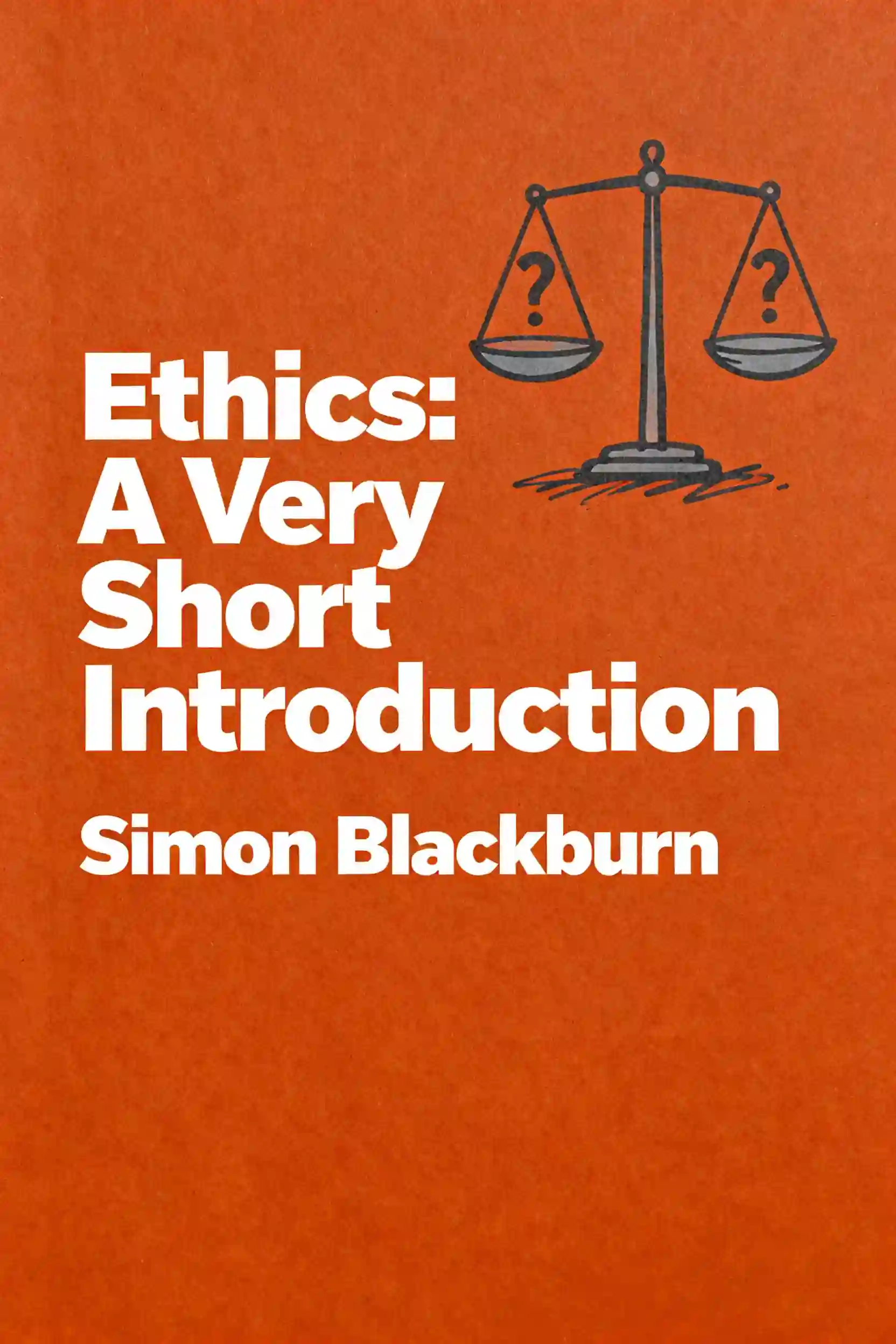
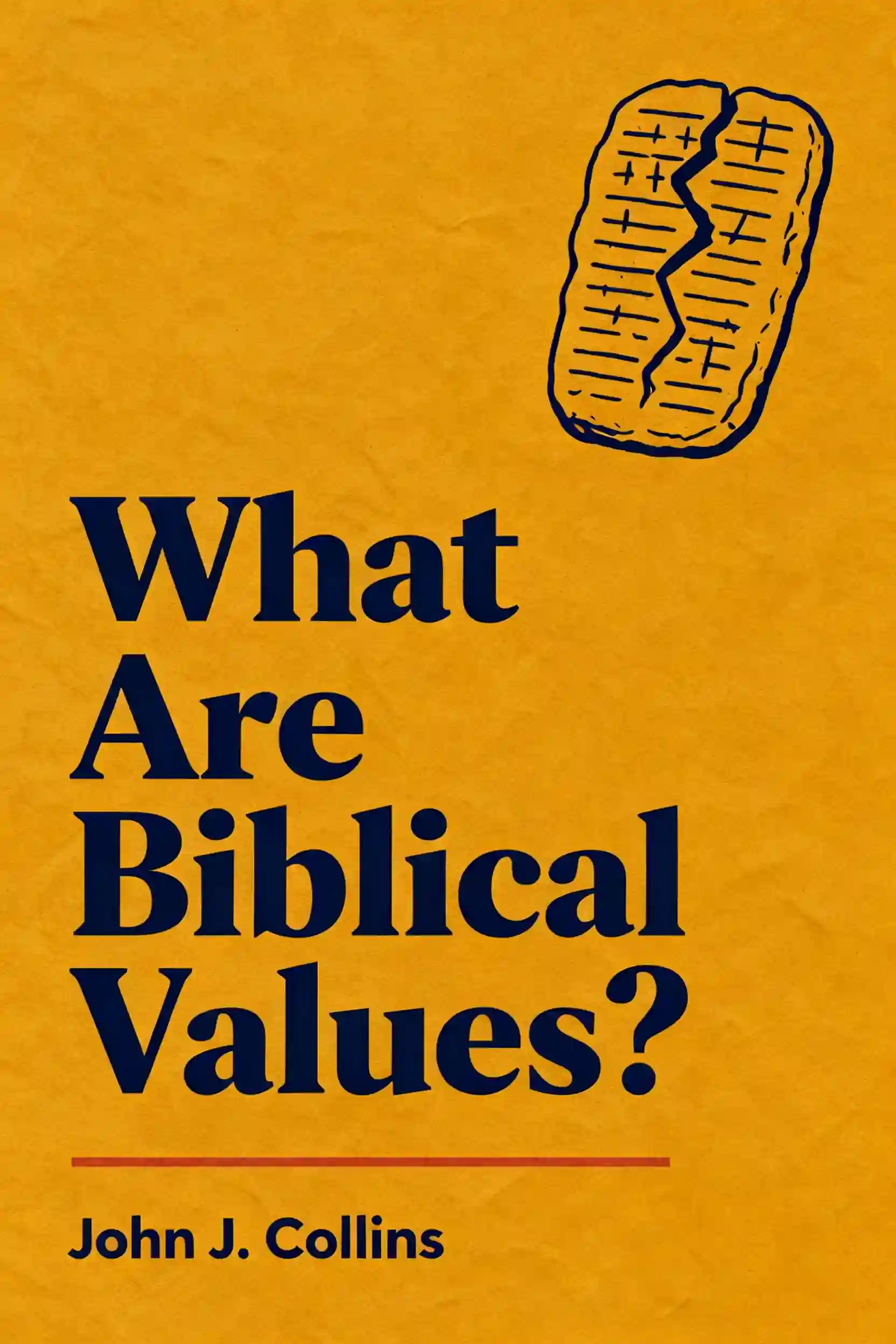
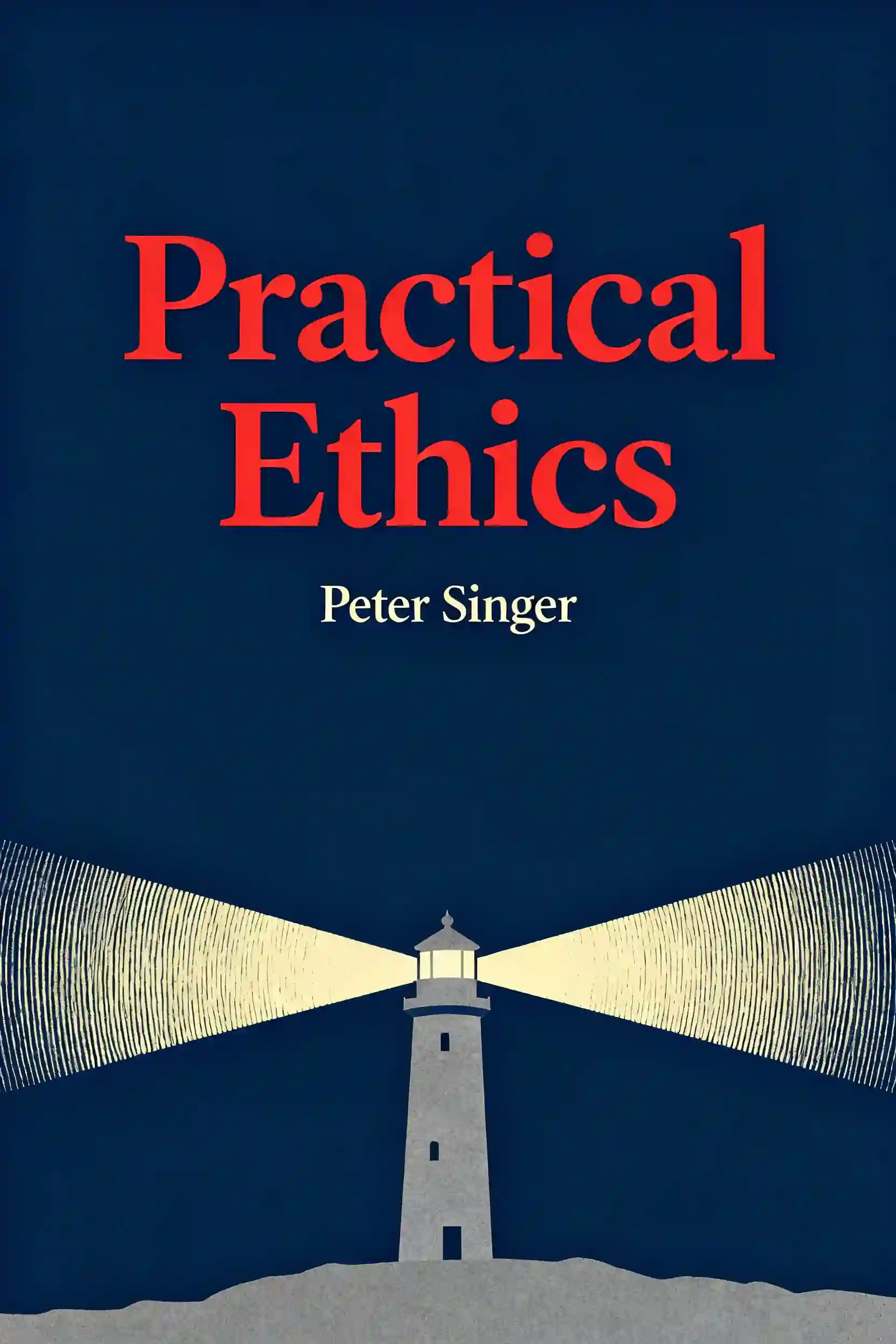
Rules don't build character on their own. Learn how to use moral reasoning and everyday scenarios to help students develop a true internal compass.
Best quote from Teaching ethics to kids is more than just rules
“
Ethics isn't about having all the answers; it’s about having a better set of questions and the courage to actually ask them. It turns a messy argument into a structured exploration by moving beyond 'because I said so' to actual moral reasoning.
”
M
Generated by Mr C
Input question
Teaching ethics
Host voices
Blythe
Miles
Knowledge sources
Frequently Asked Questions
The script identifies Utilitarianism, Deontology, and Virtue Ethics as the core frameworks for moral reasoning, simplified for students as different "pairs of glasses." Utilitarianism, or "Consequence Goggles," focuses on which choice creates the most happiness or least harm for the most people. Deontology, or "Rule-Book Glasses," looks at universal duties and principles, asking if an action would be acceptable if everyone did it. Finally, Virtue Ethics, or the "Character Compass," shifts the focus from the act to the person, asking what a kind, brave, or honest individual would do in that situation.
The MTDM uses three iterative cycles to build "moral muscles" and intellectual flexibility. By assigning students specific roles and theories to defend—even ones they personally disagree with—the model forces them to move beyond "I feel" statements and toward structured "logic chains." Research shows this approach builds "epistemic responsibility," which is the ability to engage with conflicting values and uncertainty without shutting down. It also increases student confidence by providing a specific framework to lean on during complex arguments.
While students often prefer the emotional energy and spontaneity of live debates, the "reflection gap" provided by online asynchronous formats typically leads to higher-quality arguments. Writing responses on a forum allows students time to consult their notes, verify the logic of a specific moral theory, and edit their reasoning. This "slow-thinking" lab environment encourages students to document their moral growth and produce more substantive, evidence-based arguments compared to the heat of a verbal exchange.
The Metaverse acts as a "Pedagogical Third Space" or a "moral lab" where students can experience "Identity Experimentation." By using avatars, students can literally walk in someone else's shoes, turning perspective-taking into a visceral experience. This immersive technology allows for "Situated Learning," where students can navigate high-stakes ethical crises—like climate disasters or medical emergencies—and see the immediate visual consequences of their decisions without real-world danger.
To prevent ethical debates from devolving into personality clashes or simple "I think" statements, the script suggests several strategies. First, educators should assign specific moral theories to participants to force "Theory-Based Reasoning." Second, they should avoid declaring a "winner" to keep the focus on the quality of the argument rather than competition. Finally, incorporating "Reflective Journals" after a discussion helps students move from abstract debate to "metacognition," where they think about their own thinking and how they would actually apply these lessons in real life.
From Columbia University alumni | built in San Francisco
BeFreed Brings Together A Global Community Of Curious Minds
4.7
avg rating
7.84k+ App Rating
BeFreed Community
Seriously I haven’t even explored this app fully yet but from using it the last few days I am so impressed... BeFreed is on a different level from any other learning app I have used. This makes it ultra engaging and can actually improve your concentration which is great for all the doom scrollers!
@ladyInfinity
I bought BeFreed exactly 23 days ago, and I have used it every single day since. It has completely embedded itself into my daily workflow and learning habit.
@jayallen
The truth is, the app has exceeded all my expectations. I can ask it to generate audio on any topic, whatever it may be, and the result is impressive. My professional field is a specialization in psychotherapy and it is multidisciplinary; however, the answers are very accurate.
@Raguipa
What I appreciate most is how much it's reduced my scrolling – I'm spending less time searching and more time absorbing information. The combination of full audiobooks, podcasts, the learning plans are brilliant.
@colonyofcreatorsNGO
I have been a PhotoReading Accelerated Learning Instructor for the past 24 years... books and reading and learning are my thing, and BeFreed has done a great job in providing an innovative approach to disseminating and delivering information in an easy to consume way.
@BeFreed user
It is not just a book summary app, I have used the 'fun reading' option and it's a much better summary and way to grasp ideas the traditional way, that alone is worth this deal.
@austinakon
I love this app. Used it for several days and I cannot stop listening. Such a great way to start.
@jcrules328
I really like the program; I have already tested it for around one month, and I feel that it's an amazing gem. It works so well because I can use BeFreed to create my own topics, and the voice is so good with unlimited choice of narrations.
@DanielCZ
Seriously I haven’t even explored this app fully yet but from using it the last few days I am so impressed... BeFreed is on a different level from any other learning app I have used. This makes it ultra engaging and can actually improve your concentration which is great for all the doom scrollers!
@ladyInfinity
I bought BeFreed exactly 23 days ago, and I have used it every single day since. It has completely embedded itself into my daily workflow and learning habit.
@jayallen
The truth is, the app has exceeded all my expectations. I can ask it to generate audio on any topic, whatever it may be, and the result is impressive. My professional field is a specialization in psychotherapy and it is multidisciplinary; however, the answers are very accurate.
@Raguipa
What I appreciate most is how much it's reduced my scrolling – I'm spending less time searching and more time absorbing information. The combination of full audiobooks, podcasts, the learning plans are brilliant.
@colonyofcreatorsNGO
I have been a PhotoReading Accelerated Learning Instructor for the past 24 years... books and reading and learning are my thing, and BeFreed has done a great job in providing an innovative approach to disseminating and delivering information in an easy to consume way.
@BeFreed user
It is not just a book summary app, I have used the 'fun reading' option and it's a much better summary and way to grasp ideas the traditional way, that alone is worth this deal.
@austinakon
I love this app. Used it for several days and I cannot stop listening. Such a great way to start.
@jcrules328
I really like the program; I have already tested it for around one month, and I feel that it's an amazing gem. It works so well because I can use BeFreed to create my own topics, and the voice is so good with unlimited choice of narrations.
@DanielCZ
I love the fact that I can get useful, condensed, information and ideas in a 8 - 15 minute podcast style audio. I'm not a general fan of podcasts because of all the fluff, but this cuts through all that.
@BeFreed user
I am finishing up my doctorate, and have to read a lot of unfamiliar material... With BeFreed, you simply enter a prompt, and the app finds source material for you and generates an audio podcast. I find the process in BeFreed to be more streamlined than NotebookLM.
@Brad
I often search YouTube for something to listen to whilst making breakfast, when I'm out walking, commuting, etc, and BeFreed has provided an even more targeted approach, without the adverts and the fluff!
@BeFreed user
The absolute best part about this platform is its versatility. There is literally no subject that is off-topic. It handles whatever you throw at it... It is rare to find an learning tool with zero limitations that actually delivers on its promises.
@jayallen
BeFreed is fantastic. The user-friendly design means I spend less time navigating and more time learning. The mix of audiobooks, podcasts, and learning plans is a genius combo that has completely changed my daily routine.
@BeFreed user
At the start I needed a while to understand how to create podcasts in italian language and boom! It is so great! I can ask to explain every argument and it does so well and so smartly!
@matteo77
BeFreed has become my daily app for audio books tools... What I like the most is the way you put your text and come with an audio that you can listen on the go.
@kotanzu1
I love the fact that I can get useful, condensed, information and ideas in a 8 - 15 minute podcast style audio. I'm not a general fan of podcasts because of all the fluff, but this cuts through all that.
@BeFreed user
I am finishing up my doctorate, and have to read a lot of unfamiliar material... With BeFreed, you simply enter a prompt, and the app finds source material for you and generates an audio podcast. I find the process in BeFreed to be more streamlined than NotebookLM.
@Brad
I often search YouTube for something to listen to whilst making breakfast, when I'm out walking, commuting, etc, and BeFreed has provided an even more targeted approach, without the adverts and the fluff!
@BeFreed user
The absolute best part about this platform is its versatility. There is literally no subject that is off-topic. It handles whatever you throw at it... It is rare to find an learning tool with zero limitations that actually delivers on its promises.
@jayallen
BeFreed is fantastic. The user-friendly design means I spend less time navigating and more time learning. The mix of audiobooks, podcasts, and learning plans is a genius combo that has completely changed my daily routine.
@BeFreed user
At the start I needed a while to understand how to create podcasts in italian language and boom! It is so great! I can ask to explain every argument and it does so well and so smartly!
@matteo77
BeFreed has become my daily app for audio books tools... What I like the most is the way you put your text and come with an audio that you can listen on the go.
Discover how to effectively instill lasting values in children beyond simple rules, focusing on modeling behaviors, creating teachable moments, and building an environment where honesty and character truly matter.
When your gut feeling clashes with the rulebook, how do you choose? Explore the tension between personal convictions and external codes to find your path.
Generic praise can backfire when kids face failure. Learn how to bridge the gap between a child's self-image and their potential through character building.
Explore the crucial difference between ethical influence and manipulation, and how understanding psychology can build authentic connections rather than control others—a path that leads to more fulfilling relationships.