The Biology of Survival and the Architecture of the Early Home
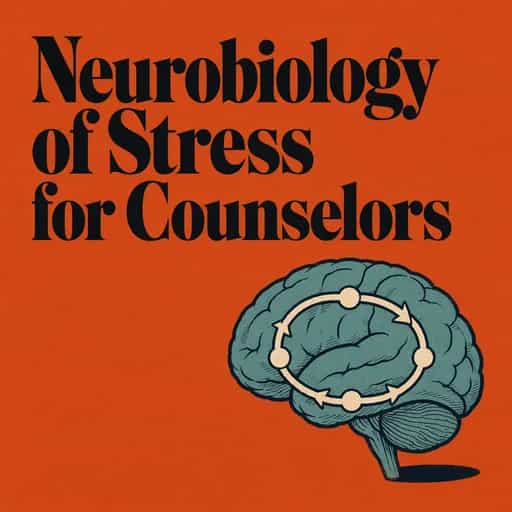
You might think of your personality as a collection of choices you made along the way—the books you read, the friends you kept, or the career you pursued. But if you look closer at the moments when you feel most stressed, most cornered, or most overwhelmed, you might notice patterns that feel older than your adult self. Imagine you’re in a meeting and a supervisor gives you sharp, unexpected criticism. Do you feel a heat rising in your chest, an immediate urge to argue back? Do you find yourself already planning your exit, or perhaps you feel a strange fog settle over your brain, making it hard to find your words? Or, maybe most common of all, do you find yourself smiling and nodding, apologizing for mistakes you didn’t even make just to lower the tension in the room? These aren't just "reactions." They are the sophisticated, ancient machinery of your nervous system—the fight, flight, freeze, and fawn responses .
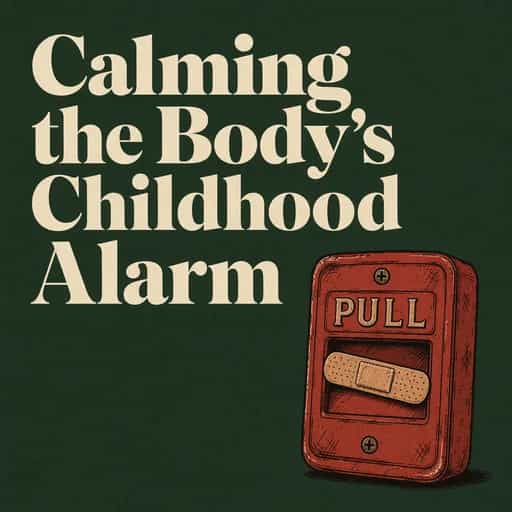
The reality is that these responses are not character flaws or signs of weakness; they are evidence of your resilience. They are the nervous system doing exactly what it evolved to do over millions of years: protect you from threat . But for many of us, these survival strategies were calibrated in a very specific laboratory—the childhood home. When a child grows up in an environment where safety is inconsistent, where a parent’s mood is volatile, or where emotional needs are met with neglect, the brain doesn't just "wait and see." It adapts. It specializes . This specialization is what researchers call "postnatal programming." Your early care environment literally shapes the way your brain and body handle stress for the rest of your life .
The stakes of this programming are incredibly high. We’re beginning to understand that the "window of tolerance" for stress is often built in those first few years of life. If you experienced chronic adversity, your nervous system might have become "overactive," meaning things that others find mundane—a late email, a partner's quiet mood, a change in plans—trigger a full-scale survival response . In this episode, we’re going to look at the "why" and "how" behind these patterns. We’ll explore the science of how a child’s brain "chooses" a survival strategy and why that strategy persists long after the original threat is gone. Understanding this is the first step toward moving from a life of mere survival to one of true thriving. So, let’s dive into how your early environment laid the foundation for the person you are today.
















![[f2435294-c0d9-41be-9439-38b154147088:c0001] [6] Mood Disorders (Compressed).pdf p1-1](/_next/image?url=https%3A%2F%2Fd1y2du6z1jfm9e.cloudfront.net%2Fassets%2Fpodcast%2Fpurple.png&w=1024&q=50)