
Stress & Anger Solutions for Anxious Minds
Miles and Eli share practical, real-world techniques to manage overwhelming emotions when anxiety and insecurity amplify stress and anger - from workplace triggers to family dynamics.

Best quote from Stress & Anger Solutions for Anxious Minds
Anger is almost always emotional armor; it's your brain's way of trying to protect you from feeling vulnerable or out of control by flipping a sting of inadequacy into a sense of empowerment.

This audio lesson was created by a BeFreed community member
effective ways to deal with stress and anger when facing anxiety and insecurity with detailed examples and techniques

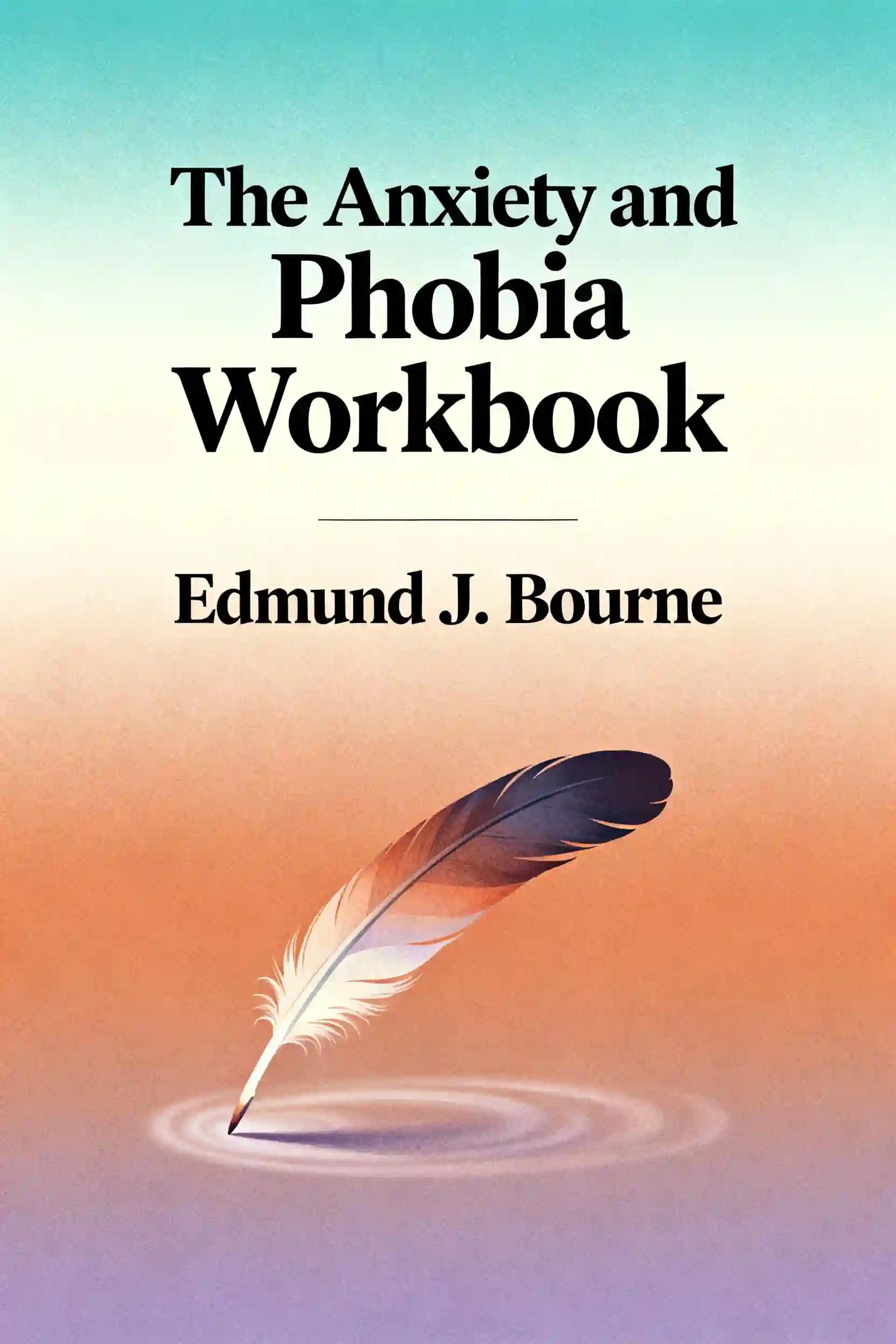
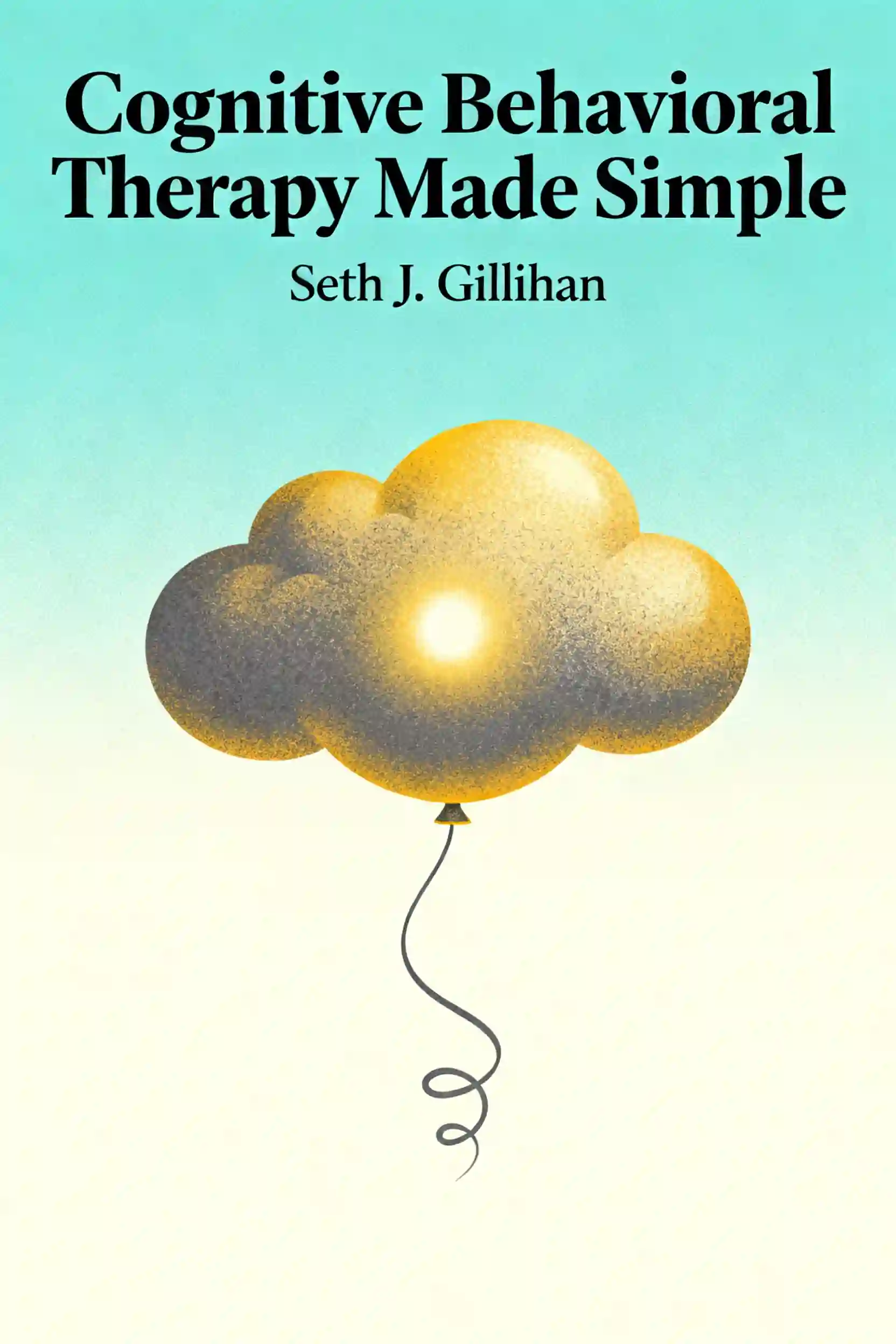
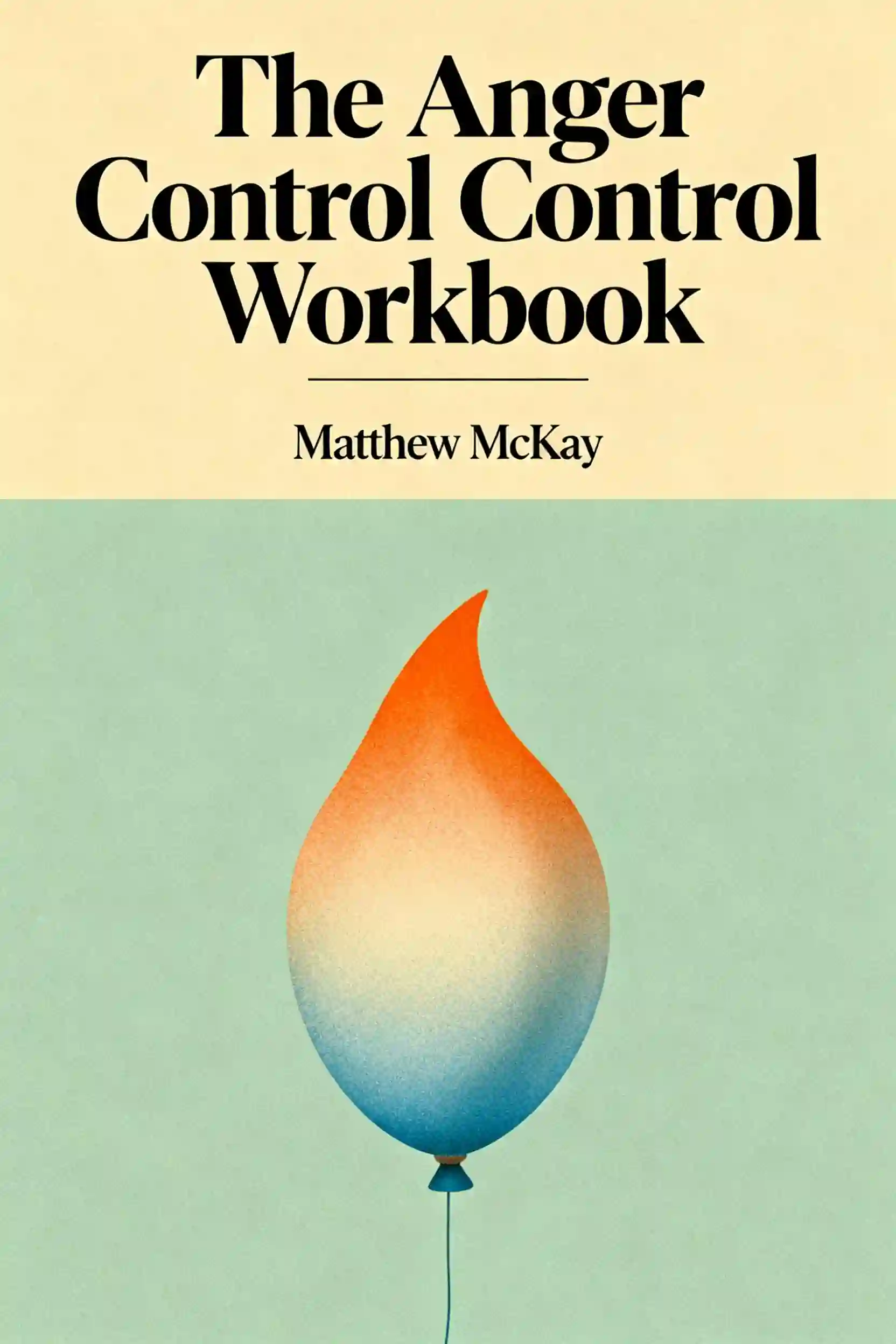



![[PDF] Emotion Regulation Skills](https://d1y2du6z1jfm9e.cloudfront.net/assets/podcast/yellow.png)
Discover more

Anger management
Uncontrolled anger can damage health and relationships, yet traditional advice often fails to address its root causes. This plan is ideal for anyone seeking to transition from reactive outbursts to mindful, constructive communication and emotional stability.
Over come anger
Uncontrolled anger can damage relationships, impair decision-making, and negatively impact physical health. This learning plan provides practical strategies for anyone seeking to understand their anger triggers, develop emotional regulation skills, and create lasting change through mindfulness practices.

Find meditation style for mindfulness & anger
Uncontrolled anger can damage relationships, health, and overall wellbeing. This learning plan helps anyone struggling with anger responses discover meditation techniques specifically tailored to emotional regulation, providing practical tools for greater calm and self-awareness.

Embodied Calm: Beyond Intellectual Anxiety
This plan is essential for high-achievers who find that 'thinking their way out' of stress often leads to more rumination. It is designed for anyone looking to transition from intellectualizing their anxiety to physically managing it through actionable somatic skills.

Manage Mindset, Sadness, and Anger
This plan is essential for individuals seeking to move beyond reactive emotional patterns and build lasting psychological resilience. It is ideal for anyone looking to master emotional regulation and transform their mindset into a tool for personal growth.

Steady Your Pulse and Mind
In high-pressure environments, our biological stress response often overrides our ability to think clearly and communicate effectively. This plan is designed for professionals and individuals who want to master emotional self-regulation and maintain their dignity during heated moments.

Manage and accept my anxiety
Anxiety affects millions of people and can significantly limit personal and professional growth when left unmanaged. This learning plan is ideal for anyone experiencing regular anxiety, worry, or stress who wants to develop a healthier, more productive relationship with their anxious feelings rather than simply trying to eliminate them. It's particularly valuable for those seeking evidence-based, practical approaches to build resilience and live more fully.

Stay Calm Under Pressure
In today's high-stress world, the ability to maintain composure is a critical life skill for personal and professional success. This plan is designed for anyone feeling overwhelmed by daily friction who wants to master somatic resets and de-escalation strategies to protect their long-term mental well-being.
From Columbia University alumni built in San Francisco
"Instead of endless scrolling, I just hit play on BeFreed. It saves me so much time."


"I never knew where to start with nonfiction—BeFreed’s book lists turned into podcasts gave me a clear path."


"Perfect balance between learning and entertainment. Finished ‘Thinking, Fast and Slow’ on my commute this week."
"Crazy how much I learned while walking the dog. BeFreed = small habits → big gains."
"Reading used to feel like a chore. Now it’s just part of my lifestyle."

"Feels effortless compared to reading. I’ve finished 6 books this month already."
"BeFreed turned my guilty doomscrolling into something that feels productive and inspiring."

"BeFreed turned my commute into learning time. 20-min podcasts are perfect for finishing books I never had time for."
"BeFreed replaced my podcast queue. Imagine Spotify for books — that’s it. 🙌"

"It is great for me to learn something from the book without reading it."
"The themed book list podcasts help me connect ideas across authors—like a guided audio journey."
"Makes me feel smarter every time before going to work"
From Columbia University alumni built in San Francisco
"Instead of endless scrolling, I just hit play on BeFreed. It saves me so much time."
"I never knew where to start with nonfiction—BeFreed’s book lists turned into podcasts gave me a clear path."
"Perfect balance between learning and entertainment. Finished ‘Thinking, Fast and Slow’ on my commute this week."
"Crazy how much I learned while walking the dog. BeFreed = small habits → big gains."
"Reading used to feel like a chore. Now it’s just part of my lifestyle."
"Feels effortless compared to reading. I’ve finished 6 books this month already."
"BeFreed turned my guilty doomscrolling into something that feels productive and inspiring."
"BeFreed turned my commute into learning time. 20-min podcasts are perfect for finishing books I never had time for."
"BeFreed replaced my podcast queue. Imagine Spotify for books — that’s it. 🙌"
"It is great for me to learn something from the book without reading it."
"The themed book list podcasts help me connect ideas across authors—like a guided audio journey."
"Makes me feel smarter every time before going to work"
"Instead of endless scrolling, I just hit play on BeFreed. It saves me so much time."
"I never knew where to start with nonfiction—BeFreed’s book lists turned into podcasts gave me a clear path."
"Perfect balance between learning and entertainment. Finished ‘Thinking, Fast and Slow’ on my commute this week."
"Crazy how much I learned while walking the dog. BeFreed = small habits → big gains."
"Reading used to feel like a chore. Now it’s just part of my lifestyle."
"Feels effortless compared to reading. I’ve finished 6 books this month already."
"BeFreed turned my guilty doomscrolling into something that feels productive and inspiring."
"BeFreed turned my commute into learning time. 20-min podcasts are perfect for finishing books I never had time for."
"BeFreed replaced my podcast queue. Imagine Spotify for books — that’s it. 🙌"
"It is great for me to learn something from the book without reading it."
"The themed book list podcasts help me connect ideas across authors—like a guided audio journey."
"Makes me feel smarter every time before going to work"
"Instead of endless scrolling, I just hit play on BeFreed. It saves me so much time."
"I never knew where to start with nonfiction—BeFreed’s book lists turned into podcasts gave me a clear path."
"Perfect balance between learning and entertainment. Finished ‘Thinking, Fast and Slow’ on my commute this week."
"Crazy how much I learned while walking the dog. BeFreed = small habits → big gains."
"Reading used to feel like a chore. Now it’s just part of my lifestyle."
"Feels effortless compared to reading. I’ve finished 6 books this month already."
"BeFreed turned my guilty doomscrolling into something that feels productive and inspiring."
"BeFreed turned my commute into learning time. 20-min podcasts are perfect for finishing books I never had time for."
"BeFreed replaced my podcast queue. Imagine Spotify for books — that’s it. 🙌"
"It is great for me to learn something from the book without reading it."
"The themed book list podcasts help me connect ideas across authors—like a guided audio journey."
"Makes me feel smarter every time before going to work"


