Storytelling: The Science of Neural Coupling and Brain Syncing
Explore the science of neural coupling and how storytelling syncs brains. Learn how Princeton research and negativity bias make narrative a leadership superpower.

Best quote from Storytelling: The Science of Neural Coupling and Brain Syncing
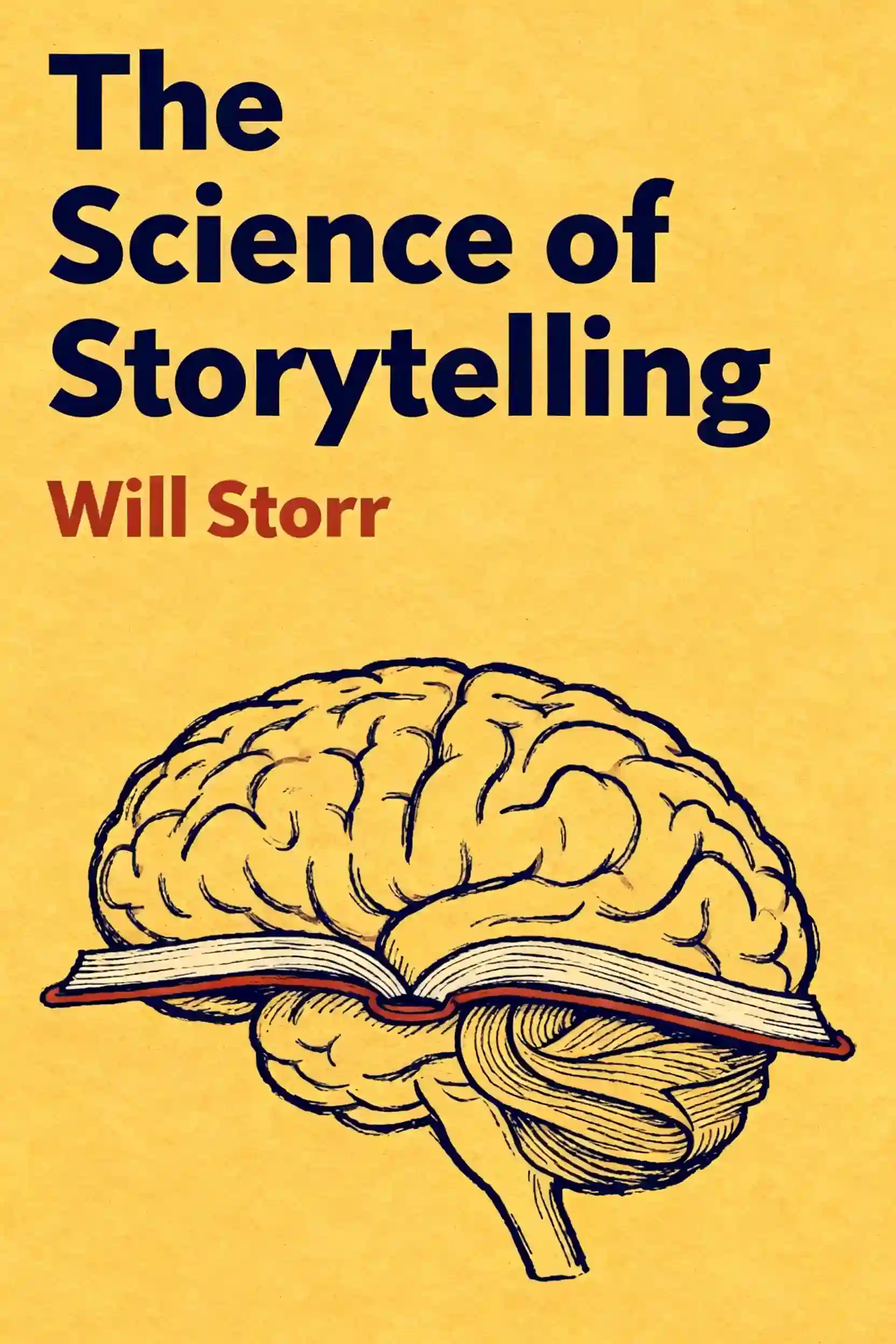
Research shows that a good story acts like a bridge, aligning the listener’s brain with the teller’s through neural coupling; it’s about using the human operating system to make ideas stick.
Generated by Børje
Storytelling






Frequently Asked Questions
Neural coupling is a biological process where a listener's brain activity aligns with that of the storyteller. According to research from Princeton, a compelling narrative acts like a bridge, allowing the listener to sync up with the speaker's experiences. This phenomenon explains why stories are more impactful than dry facts, as they essentially use the human operating system to create a shared mental connection between people.
Negativity bias is a part of our ancient biological hardware that causes us to prioritize threats or tragedies. This evolutionary trait kept humans alive by ensuring they zeroed in on potential dangers. In the context of storytelling, this bias is why brief, tragic narratives—like Hemingway’s six-word story—can feel like a physical punch, immediately capturing our attention and triggering a deep emotional response compared to standard data.
Storytelling is viewed as a leadership superpower because it moves beyond simple charm to influence how others process information. By leveraging the science of neural coupling, leaders can align their audience's brain activity with their own. This makes storytelling a highly effective tool for communication within the human operating system, ensuring that messages are not just heard but are deeply felt and remembered by the listeners.
Research from Princeton highlights that when a good story is told, the listener's brain doesn't just process words; it actually starts to look like the teller's brain. This brain syncing occurs through neural coupling, creating a powerful alignment between individuals. This scientific foundation shows that humans are hardwired to prioritize narratives over spreadsheets or data points, making stories the most effective way to transmit complex information.
From Columbia University alumni built in San Francisco
"Instead of endless scrolling, I just hit play on BeFreed. It saves me so much time."


"I never knew where to start with nonfiction—BeFreed’s book lists turned into podcasts gave me a clear path."


"Perfect balance between learning and entertainment. Finished ‘Thinking, Fast and Slow’ on my commute this week."
"Crazy how much I learned while walking the dog. BeFreed = small habits → big gains."
"Reading used to feel like a chore. Now it’s just part of my lifestyle."

"Feels effortless compared to reading. I’ve finished 6 books this month already."
"BeFreed turned my guilty doomscrolling into something that feels productive and inspiring."

"BeFreed turned my commute into learning time. 20-min podcasts are perfect for finishing books I never had time for."
"BeFreed replaced my podcast queue. Imagine Spotify for books — that’s it. 🙌"

"It is great for me to learn something from the book without reading it."
"The themed book list podcasts help me connect ideas across authors—like a guided audio journey."
"Makes me feel smarter every time before going to work"
 Ask ChatGPT
 Ask Claude
From Columbia University alumni built in San Francisco
"Instead of endless scrolling, I just hit play on BeFreed. It saves me so much time."
"I never knew where to start with nonfiction—BeFreed’s book lists turned into podcasts gave me a clear path."
"Perfect balance between learning and entertainment. Finished ‘Thinking, Fast and Slow’ on my commute this week."
"Crazy how much I learned while walking the dog. BeFreed = small habits → big gains."
"Reading used to feel like a chore. Now it’s just part of my lifestyle."
"Feels effortless compared to reading. I’ve finished 6 books this month already."
"BeFreed turned my guilty doomscrolling into something that feels productive and inspiring."
"BeFreed turned my commute into learning time. 20-min podcasts are perfect for finishing books I never had time for."
"BeFreed replaced my podcast queue. Imagine Spotify for books — that’s it. 🙌"
"It is great for me to learn something from the book without reading it."
"The themed book list podcasts help me connect ideas across authors—like a guided audio journey."
"Makes me feel smarter every time before going to work"
"Instead of endless scrolling, I just hit play on BeFreed. It saves me so much time."
"I never knew where to start with nonfiction—BeFreed’s book lists turned into podcasts gave me a clear path."
"Perfect balance between learning and entertainment. Finished ‘Thinking, Fast and Slow’ on my commute this week."
"Crazy how much I learned while walking the dog. BeFreed = small habits → big gains."
"Reading used to feel like a chore. Now it’s just part of my lifestyle."
"Feels effortless compared to reading. I’ve finished 6 books this month already."
"BeFreed turned my guilty doomscrolling into something that feels productive and inspiring."
"BeFreed turned my commute into learning time. 20-min podcasts are perfect for finishing books I never had time for."
"BeFreed replaced my podcast queue. Imagine Spotify for books — that’s it. 🙌"
"It is great for me to learn something from the book without reading it."
"The themed book list podcasts help me connect ideas across authors—like a guided audio journey."
"Makes me feel smarter every time before going to work"
"Instead of endless scrolling, I just hit play on BeFreed. It saves me so much time."
"I never knew where to start with nonfiction—BeFreed’s book lists turned into podcasts gave me a clear path."
"Perfect balance between learning and entertainment. Finished ‘Thinking, Fast and Slow’ on my commute this week."
"Crazy how much I learned while walking the dog. BeFreed = small habits → big gains."
"Reading used to feel like a chore. Now it’s just part of my lifestyle."
"Feels effortless compared to reading. I’ve finished 6 books this month already."
"BeFreed turned my guilty doomscrolling into something that feels productive and inspiring."
"BeFreed turned my commute into learning time. 20-min podcasts are perfect for finishing books I never had time for."
"BeFreed replaced my podcast queue. Imagine Spotify for books — that’s it. 🙌"
"It is great for me to learn something from the book without reading it."
"The themed book list podcasts help me connect ideas across authors—like a guided audio journey."
"Makes me feel smarter every time before going to work"