Stop overthinking and break the loop of mental rumination
Stuck replaying conversations? Learn why your brain gets trapped in a spin cycle and how simple grounding and action can finally quiet your mind.

Best quote from Stop overthinking and break the loop of mental rumination
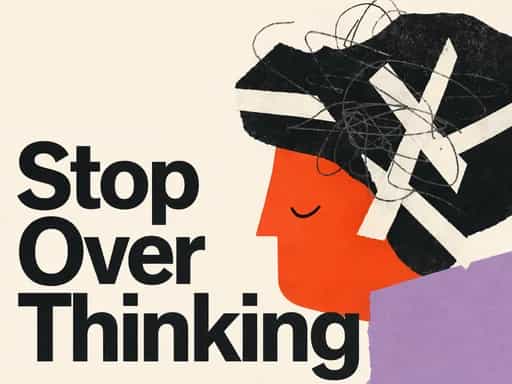
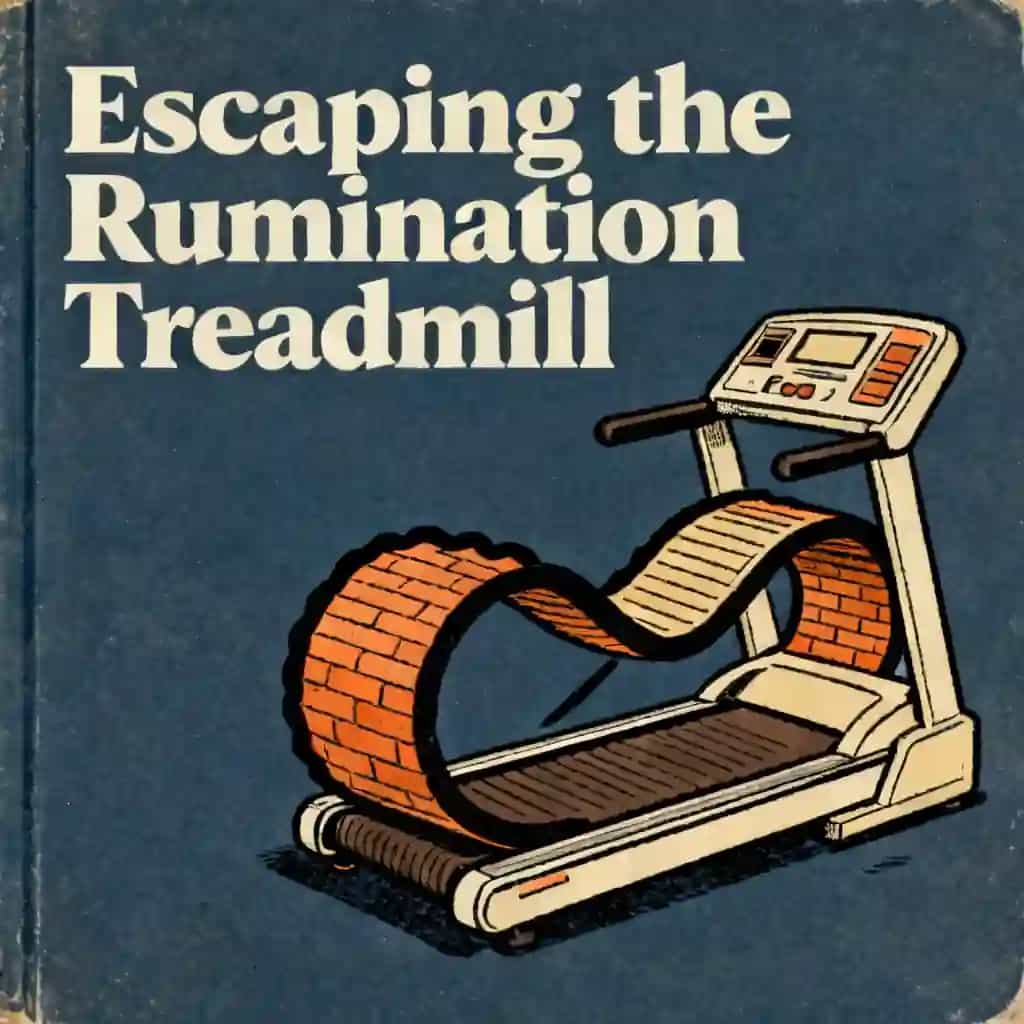
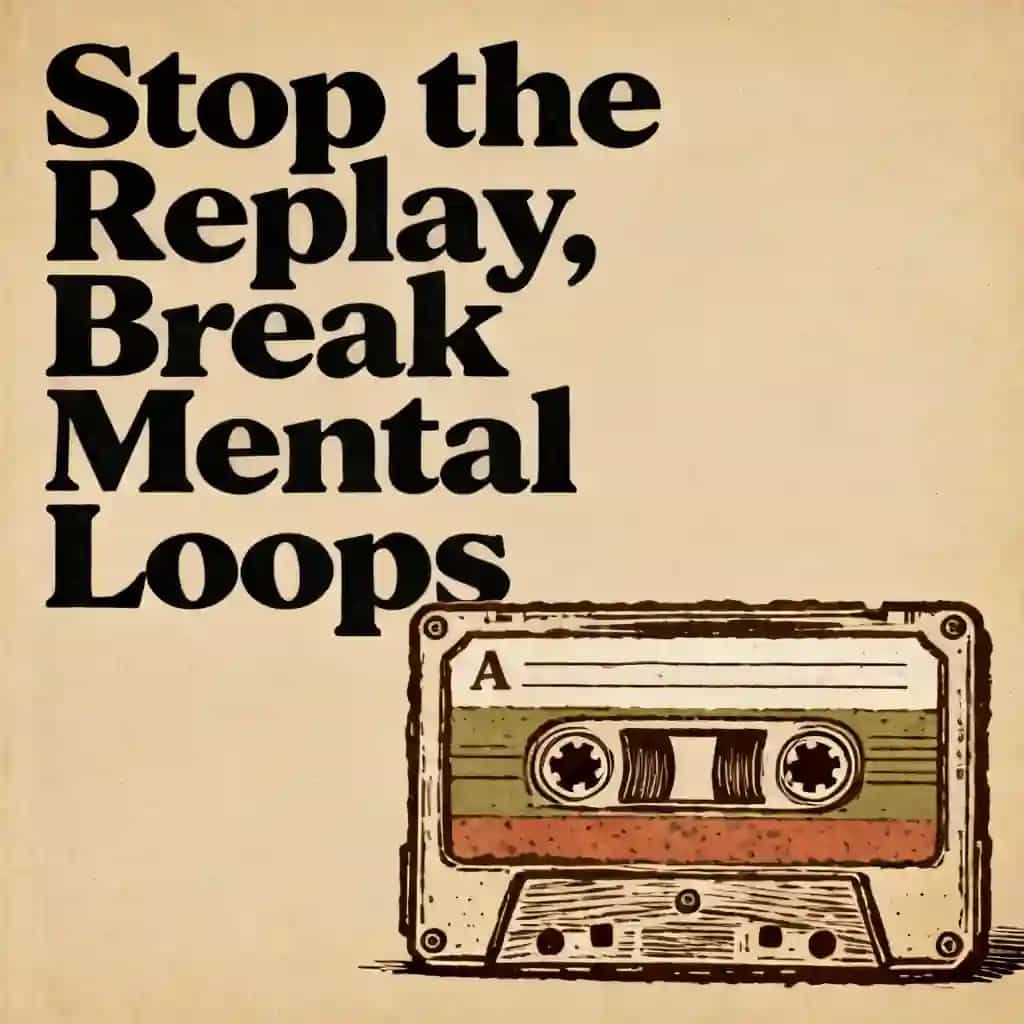
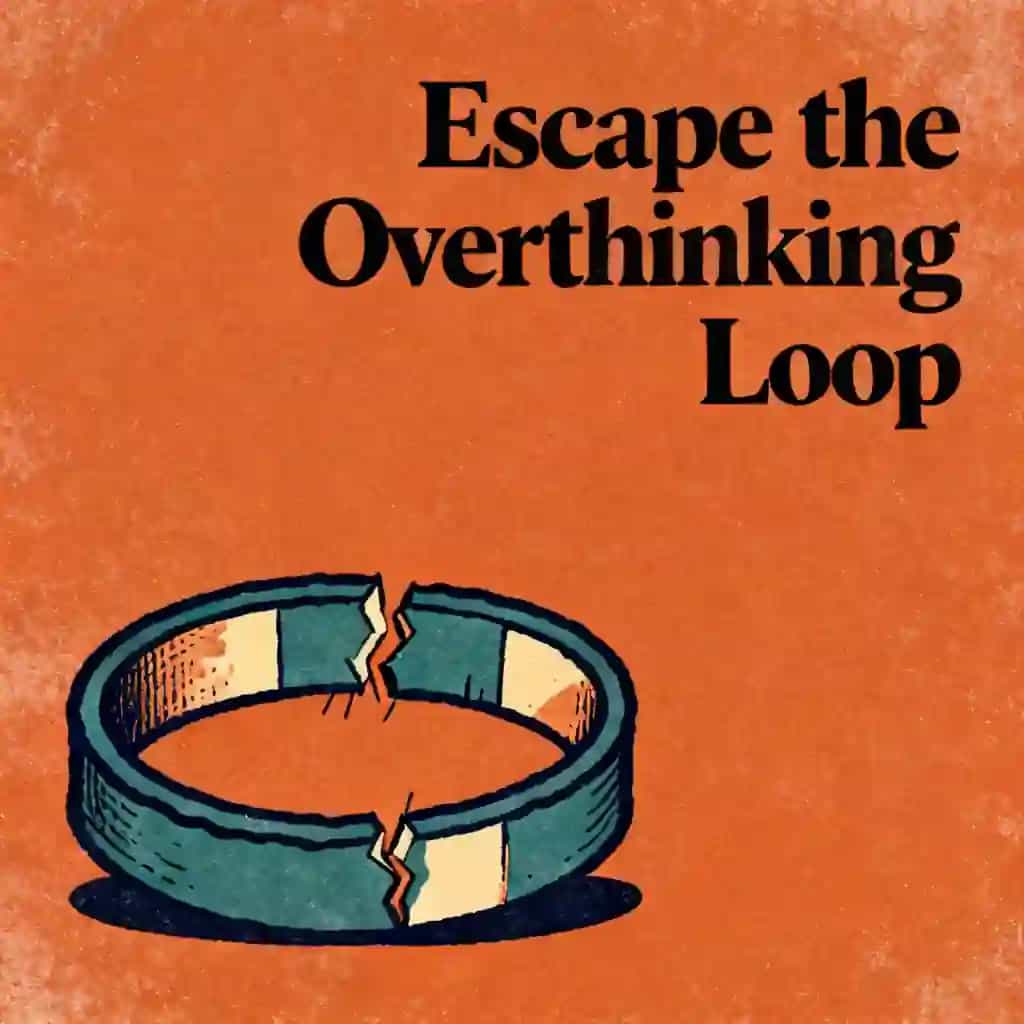
Overthinking often masquerades as preparation, but there is a massive difference between reflection and rumination. Reflection is goal-directed and leads to insight, while rumination is just a scratched record that stays in the past and never actually lands the plane.
Generated by mutedmountain
how to stop overthinking

Frequently Asked Questions
Reflection is a goal-directed process that leads to new insights, decisions, or a plan of action. In contrast, rumination is a circular "scratched record" effect where the brain replays past events or hypothetical futures without reaching a conclusion. While reflection moves you forward, rumination is a form of "covert problem-solving behavior" that tricks you into thinking worrying is a responsibility, even though it actually impairs problem-solving and increases emotional distress.
Scheduled Worry Time is a cognitive behavioral technique where you postpone anxious thoughts to a specific 15-minute window on your calendar. By telling your brain you will address a concern at a set time, such as 4:30 PM, you stop the "white bear effect" of trying to force thoughts away, which usually makes them stronger. Often, by the time the scheduled window arrives, the intensity of the worry has faded, allowing the logical brain to take over and determine if the issue is a solvable problem or just "circular noise."
The 5-4-3-2-1 technique is a grounding exercise that forces the brain to process external sensory data instead of internal narratives. You name five things you see, four you can touch, three you hear, two you smell, and one you taste. This works because of a hardware limitation in the brain; it is physically difficult for the mind to obsess over a past regret while simultaneously processing complex sensory input. This act "drops an anchor" into the present moment and signals to the nervous system that you are safe.
The Five-Five-Five Rule is a perspective-shifting tool used to combat the escalation of "what-if" thinking. When a situation feels like a disaster, you ask yourself if the issue will matter in five minutes, five days, or five years. Most common sources of overthinking fail to remain significant after five days, which helps the prefrontal cortex regain logical control from the amygdala. This exercise helps the individual realize that they can likely handle the worst-case scenario, reducing the fear of uncertainty.
Research indicates that treating yourself with kindness rather than harsh criticism actually calms the amygdala and lowers cortisol levels. Chronic overthinking is often fueled by an "inner critic" that creates a sense of high-stakes threat. By practicing self-compassion—acknowledging that making mistakes is human—you create "emotional safety." When the brain no longer perceives a mistake as a life-or-death threat to your identity, it loses the biological urge to ruminate as a protective mechanism.
From Columbia University alumni built in San Francisco
BeFreed Brings Together A Global Community Of Curious Minds


"Instead of endless scrolling, I just hit play on BeFreed. It saves me so much time."


"I never knew where to start with nonfiction—BeFreed’s book lists turned into podcasts gave me a clear path."


"Perfect balance between learning and entertainment. Finished ‘Thinking, Fast and Slow’ on my commute this week."
"Crazy how much I learned while walking the dog. BeFreed = small habits → big gains."
"Reading used to feel like a chore. Now it’s just part of my lifestyle."

"Feels effortless compared to reading. I’ve finished 6 books this month already."
"BeFreed turned my guilty doomscrolling into something that feels productive and inspiring."

"BeFreed turned my commute into learning time. 20-min podcasts are perfect for finishing books I never had time for."
"BeFreed replaced my podcast queue. Imagine Spotify for books — that’s it. 🙌"

"It is great for me to learn something from the book without reading it."
"The themed book list podcasts help me connect ideas across authors—like a guided audio journey."
"Makes me feel smarter every time before going to work"
From Columbia University alumni built in San Francisco
BeFreed Brings Together A Global Community Of Curious Minds
"Instead of endless scrolling, I just hit play on BeFreed. It saves me so much time."
"I never knew where to start with nonfiction—BeFreed’s book lists turned into podcasts gave me a clear path."
"Perfect balance between learning and entertainment. Finished ‘Thinking, Fast and Slow’ on my commute this week."
"Crazy how much I learned while walking the dog. BeFreed = small habits → big gains."
"Reading used to feel like a chore. Now it’s just part of my lifestyle."
"Feels effortless compared to reading. I’ve finished 6 books this month already."
"BeFreed turned my guilty doomscrolling into something that feels productive and inspiring."
"BeFreed turned my commute into learning time. 20-min podcasts are perfect for finishing books I never had time for."
"BeFreed replaced my podcast queue. Imagine Spotify for books — that’s it. 🙌"
"It is great for me to learn something from the book without reading it."
"The themed book list podcasts help me connect ideas across authors—like a guided audio journey."
"Makes me feel smarter every time before going to work"
"Instead of endless scrolling, I just hit play on BeFreed. It saves me so much time."
"I never knew where to start with nonfiction—BeFreed’s book lists turned into podcasts gave me a clear path."
"Perfect balance between learning and entertainment. Finished ‘Thinking, Fast and Slow’ on my commute this week."
"Crazy how much I learned while walking the dog. BeFreed = small habits → big gains."
"Reading used to feel like a chore. Now it’s just part of my lifestyle."
"Feels effortless compared to reading. I’ve finished 6 books this month already."
"BeFreed turned my guilty doomscrolling into something that feels productive and inspiring."
"BeFreed turned my commute into learning time. 20-min podcasts are perfect for finishing books I never had time for."
"BeFreed replaced my podcast queue. Imagine Spotify for books — that’s it. 🙌"
"It is great for me to learn something from the book without reading it."
"The themed book list podcasts help me connect ideas across authors—like a guided audio journey."
"Makes me feel smarter every time before going to work"
"Instead of endless scrolling, I just hit play on BeFreed. It saves me so much time."
"I never knew where to start with nonfiction—BeFreed’s book lists turned into podcasts gave me a clear path."
"Perfect balance between learning and entertainment. Finished ‘Thinking, Fast and Slow’ on my commute this week."
"Crazy how much I learned while walking the dog. BeFreed = small habits → big gains."
"Reading used to feel like a chore. Now it’s just part of my lifestyle."
"Feels effortless compared to reading. I’ve finished 6 books this month already."
"BeFreed turned my guilty doomscrolling into something that feels productive and inspiring."
"BeFreed turned my commute into learning time. 20-min podcasts are perfect for finishing books I never had time for."
"BeFreed replaced my podcast queue. Imagine Spotify for books — that’s it. 🙌"
"It is great for me to learn something from the book without reading it."
"The themed book list podcasts help me connect ideas across authors—like a guided audio journey."
"Makes me feel smarter every time before going to work"