Stoicism: Ancient Wisdom for Modern Resilience
Discover how Stoicism goes beyond inspirational quotes to offer practical tools for emotional intelligence and mental resilience in 2026. Learn actionable practices to focus on what you can control and find calm in chaos.

Best quote from Stoicism: Ancient Wisdom for Modern Resilience
The Stoics realized that suffering comes not from events themselves, but from our judgments about those events. It is about recognizing where your actual power lies and redirecting the force of your worry into productive action.

This audio lesson was created by a BeFreed community member
I’d like to learn more about stoicism and how to apply the core principles in my daily life. It’s 2026 new year after all! I want to calm myself down, focus better and create real value at work and in life!

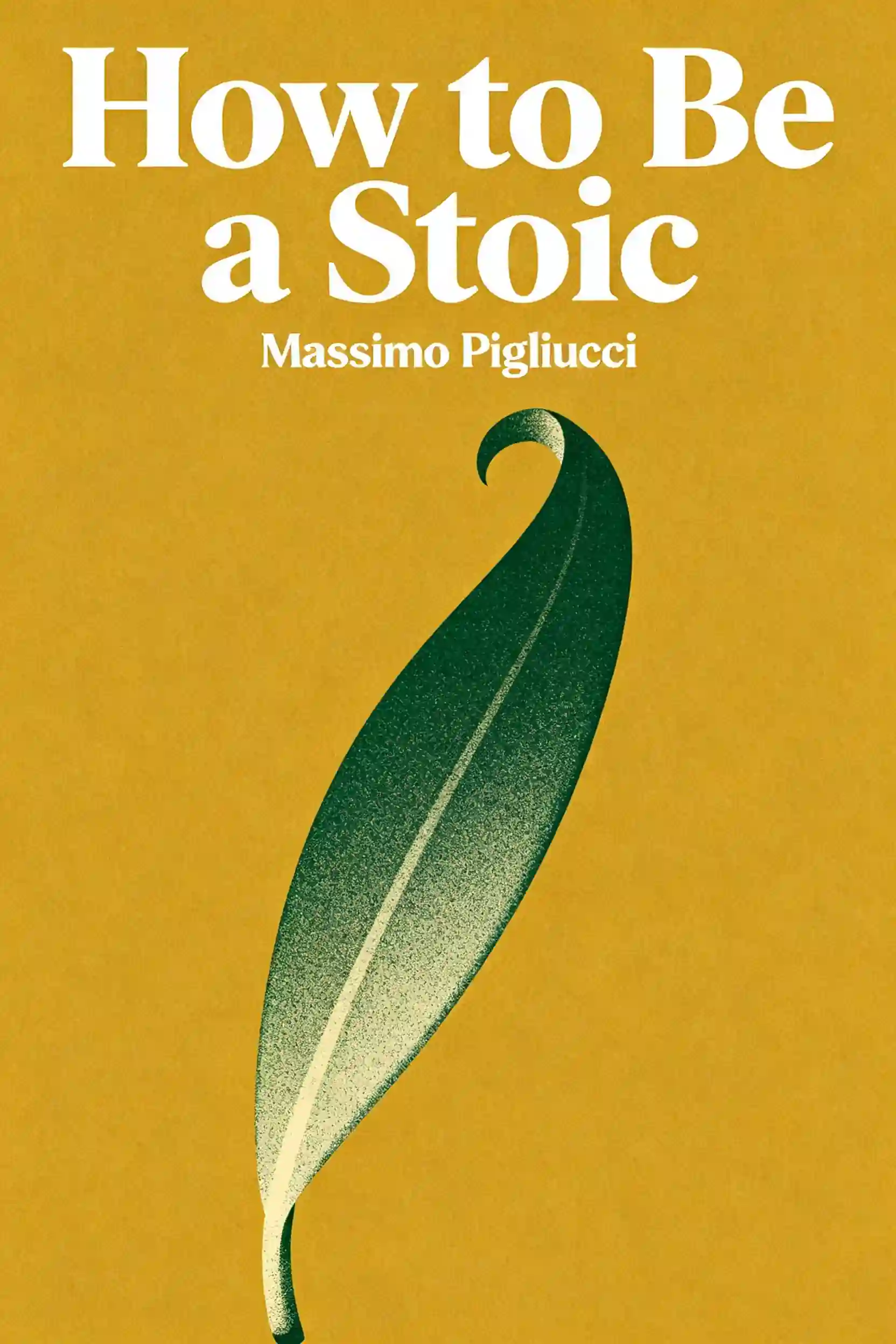
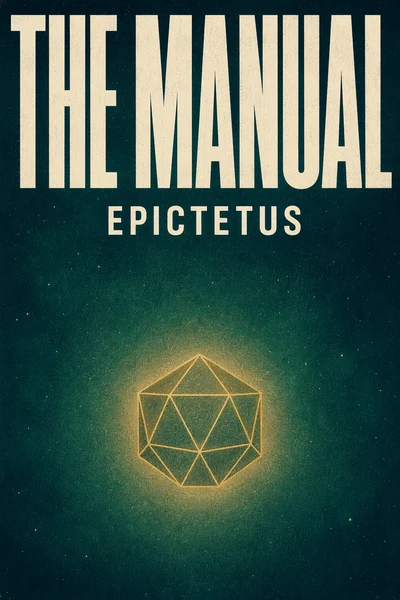
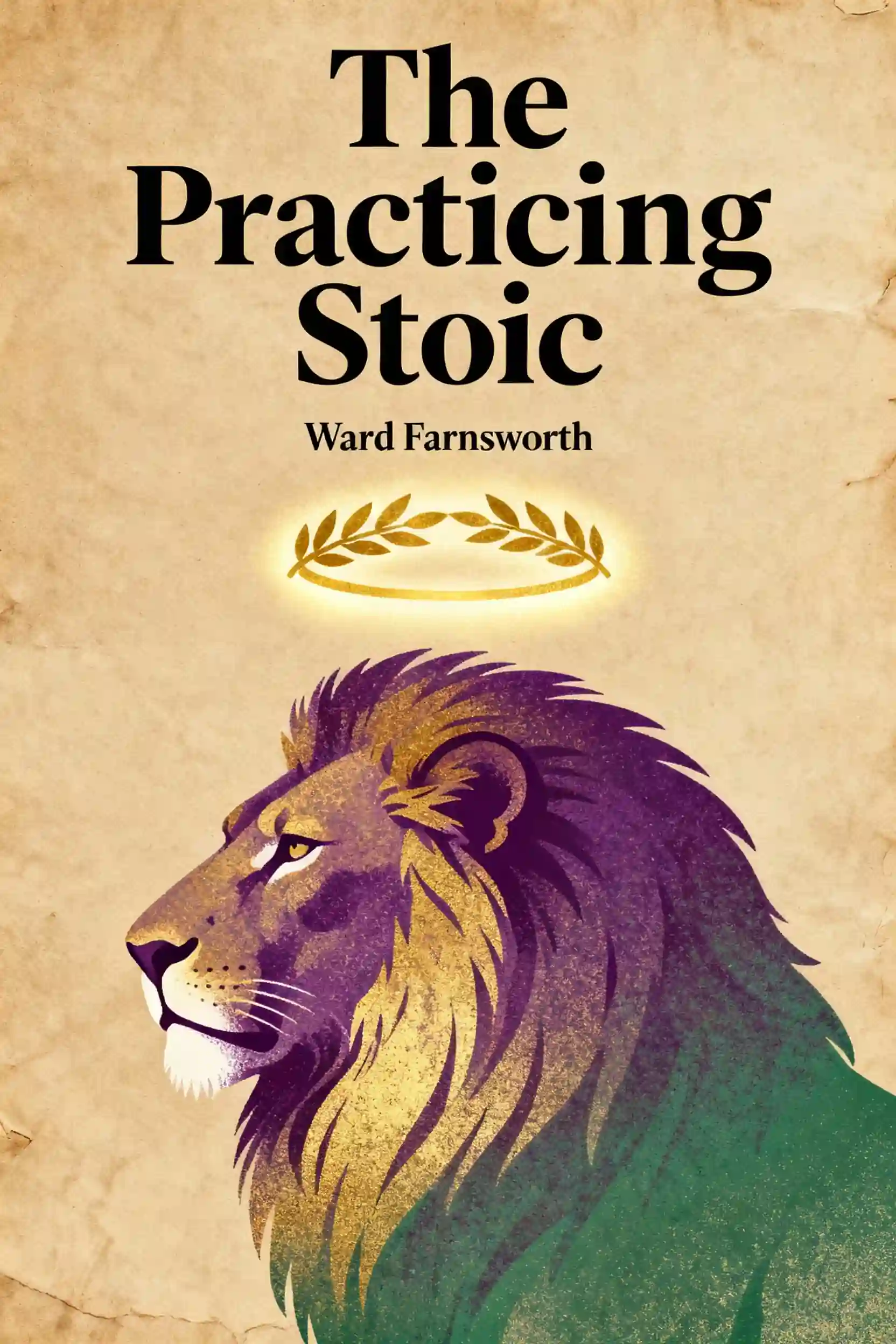
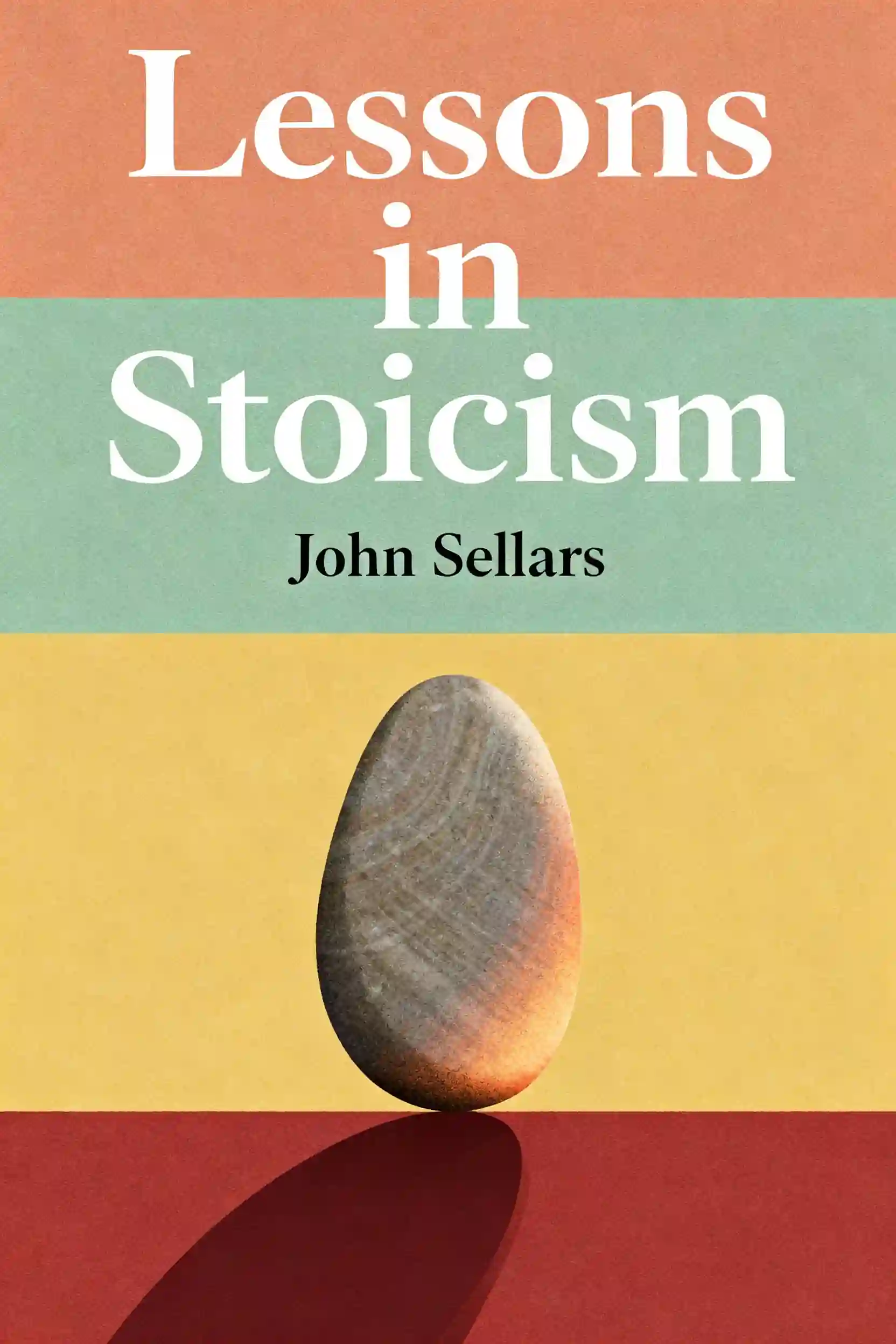
Discover more

Be more stoic
Stoicism offers timeless tools for navigating life's challenges with composure and purpose, making it increasingly relevant in our anxiety-prone, fast-paced world. This learning plan is ideal for anyone seeking greater emotional resilience, mental clarity, and a practical philosophy for living well regardless of external circumstances.

Apply Stoicism in Modern Life
Stoicism offers timeless strategies for managing stress, making sound decisions, and finding meaning in an increasingly chaotic world. This learning plan is ideal for professionals facing high-pressure situations, anyone seeking greater emotional control and resilience, or individuals looking to build a philosophy-based foundation for personal growth and fulfillment.

Stoicism
Stoicism offers a time-tested framework for navigating life's challenges with clarity, resilience, and purpose—skills that are increasingly vital in our fast-paced, unpredictable world. This learning path is ideal for anyone seeking practical wisdom to manage stress, make better decisions, and cultivate unshakeable inner strength, from professionals facing high-pressure environments to individuals pursuing personal growth and emotional mastery.

Stoic Wisdom for Modern Therapy
This plan is essential for mental health professionals and individuals seeking a philosophical foundation for emotional regulation. It bridges the gap between historical wisdom and clinical practice, making it ideal for anyone looking to build cognitive resilience and character-driven purpose.

The Stoic Inner Citadel
In an era of constant distraction and stress, this plan offers a timeless framework for emotional stability and moral clarity. It is designed for professionals and individuals seeking to build mental fortitude and practical wisdom through the proven techniques of ancient philosophy.

I want learn stoicism as a beginner
This plan provides a structured path for anyone feeling overwhelmed by modern life or seeking emotional stability. It is ideal for beginners who want to move beyond theory and apply ancient wisdom to solve contemporary challenges.

The Inner Citadel: Stoic Resilience
In an era of constant volatility and workplace pressure, developing emotional durability is a critical professional skill. This plan is designed for leaders and high-performers who need practical Stoic tools to maintain focus and composure under fire.

Stoic Logic for Mental Clarity
This learning plan bridges ancient philosophy with modern cognitive clarity, offering a toolkit for navigating an increasingly chaotic world. It is ideal for professionals and individuals seeking to improve their decision-making, emotional regulation, and logical rigor.
From Columbia University alumni built in San Francisco
"Instead of endless scrolling, I just hit play on BeFreed. It saves me so much time."


"I never knew where to start with nonfiction—BeFreed’s book lists turned into podcasts gave me a clear path."


"Perfect balance between learning and entertainment. Finished ‘Thinking, Fast and Slow’ on my commute this week."
"Crazy how much I learned while walking the dog. BeFreed = small habits → big gains."
"Reading used to feel like a chore. Now it’s just part of my lifestyle."

"Feels effortless compared to reading. I’ve finished 6 books this month already."
"BeFreed turned my guilty doomscrolling into something that feels productive and inspiring."

"BeFreed turned my commute into learning time. 20-min podcasts are perfect for finishing books I never had time for."
"BeFreed replaced my podcast queue. Imagine Spotify for books — that’s it. 🙌"

"It is great for me to learn something from the book without reading it."
"The themed book list podcasts help me connect ideas across authors—like a guided audio journey."
"Makes me feel smarter every time before going to work"
From Columbia University alumni built in San Francisco
"Instead of endless scrolling, I just hit play on BeFreed. It saves me so much time."
"I never knew where to start with nonfiction—BeFreed’s book lists turned into podcasts gave me a clear path."
"Perfect balance between learning and entertainment. Finished ‘Thinking, Fast and Slow’ on my commute this week."
"Crazy how much I learned while walking the dog. BeFreed = small habits → big gains."
"Reading used to feel like a chore. Now it’s just part of my lifestyle."
"Feels effortless compared to reading. I’ve finished 6 books this month already."
"BeFreed turned my guilty doomscrolling into something that feels productive and inspiring."
"BeFreed turned my commute into learning time. 20-min podcasts are perfect for finishing books I never had time for."
"BeFreed replaced my podcast queue. Imagine Spotify for books — that’s it. 🙌"
"It is great for me to learn something from the book without reading it."
"The themed book list podcasts help me connect ideas across authors—like a guided audio journey."
"Makes me feel smarter every time before going to work"
"Instead of endless scrolling, I just hit play on BeFreed. It saves me so much time."
"I never knew where to start with nonfiction—BeFreed’s book lists turned into podcasts gave me a clear path."
"Perfect balance between learning and entertainment. Finished ‘Thinking, Fast and Slow’ on my commute this week."
"Crazy how much I learned while walking the dog. BeFreed = small habits → big gains."
"Reading used to feel like a chore. Now it’s just part of my lifestyle."
"Feels effortless compared to reading. I’ve finished 6 books this month already."
"BeFreed turned my guilty doomscrolling into something that feels productive and inspiring."
"BeFreed turned my commute into learning time. 20-min podcasts are perfect for finishing books I never had time for."
"BeFreed replaced my podcast queue. Imagine Spotify for books — that’s it. 🙌"
"It is great for me to learn something from the book without reading it."
"The themed book list podcasts help me connect ideas across authors—like a guided audio journey."
"Makes me feel smarter every time before going to work"
"Instead of endless scrolling, I just hit play on BeFreed. It saves me so much time."
"I never knew where to start with nonfiction—BeFreed’s book lists turned into podcasts gave me a clear path."
"Perfect balance between learning and entertainment. Finished ‘Thinking, Fast and Slow’ on my commute this week."
"Crazy how much I learned while walking the dog. BeFreed = small habits → big gains."
"Reading used to feel like a chore. Now it’s just part of my lifestyle."
"Feels effortless compared to reading. I’ve finished 6 books this month already."
"BeFreed turned my guilty doomscrolling into something that feels productive and inspiring."
"BeFreed turned my commute into learning time. 20-min podcasts are perfect for finishing books I never had time for."
"BeFreed replaced my podcast queue. Imagine Spotify for books — that’s it. 🙌"
"It is great for me to learn something from the book without reading it."
"The themed book list podcasts help me connect ideas across authors—like a guided audio journey."
"Makes me feel smarter every time before going to work"